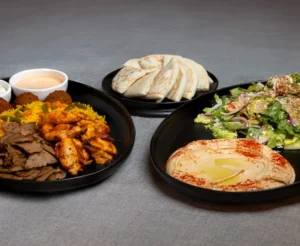
The first thing you notice with shawarma isn’t the taste—it’s the aroma. Warm spices rise into the air, meat turns slowly on a vertical spit, and fresh bread waits to be filled. Shawarma may be served quickly, but it’s not fast food. It’s a dish built on patience, balance, and tradition.
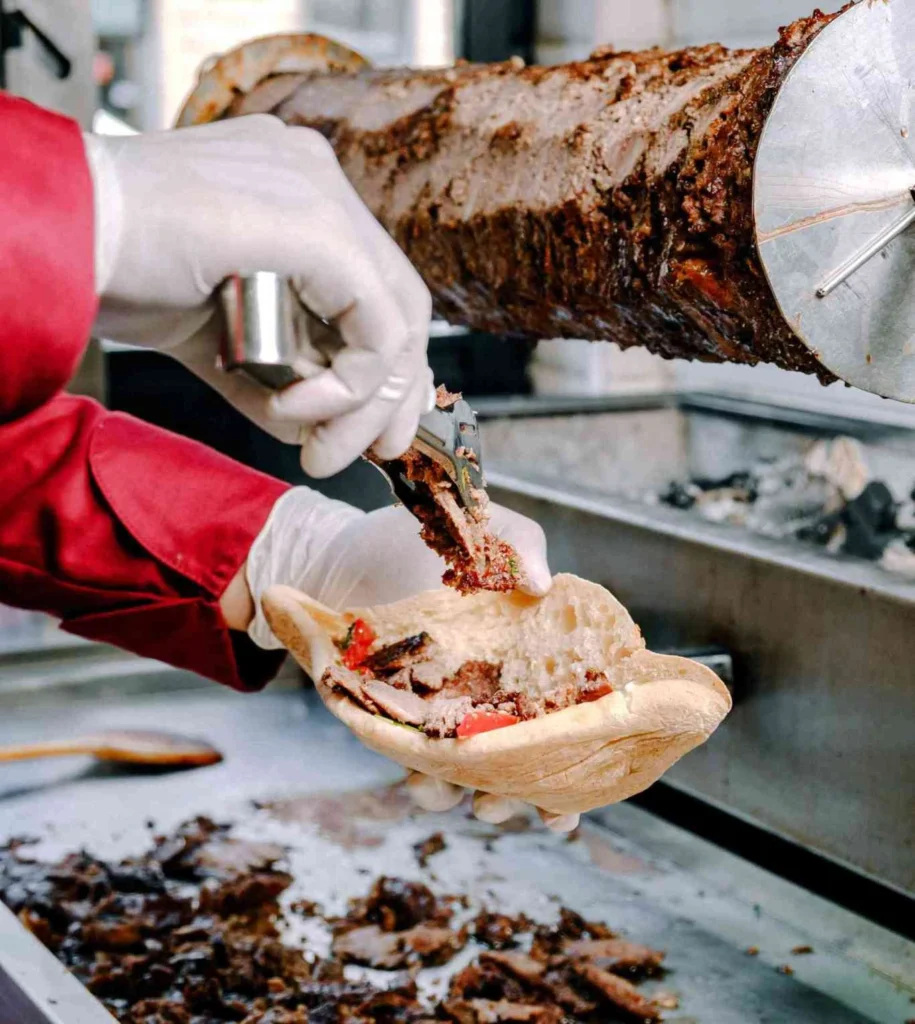
At its core, shawarma is a classic Middle Eastern street food made from marinated meats—most commonly chicken, beef, or lamb—stacked on a vertical rotating spit, slow-roasted for hours, and shaved into thin slices as they cook. The meat is typically served in warm pita or as a plate, paired with fresh vegetables and signature sauces like tahini or garlic sauce, creating a meal that’s both comforting and vibrant.
Simple on the surface yet deeply intentional, shawarma is food meant to be enjoyed, not rushed—aromatic, satisfying, and layered with flavor in every bite.
What Is Shawarma?
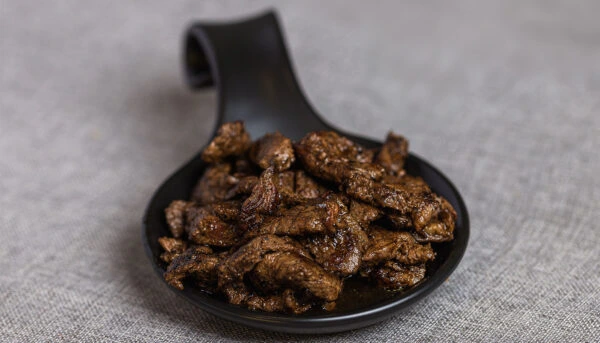

Shawarma is one of the most iconic dishes in Mediterranean and Middle Eastern cuisine — warm, aromatic, and endlessly satisfying. At its heart, it’s all about slow-roasted meat, fresh toppings, and perfectly balanced spices coming together in every bite.
Shawarma is a popular Middle Eastern dish made from seasoned meats like chicken, beef, lamb, or turkey, stacked on a vertical spit, slowly roasted, and shaved into thin slices to be served in wraps or on plates with tahini, hummus, pickles, and fresh vegetables. Originating in the Ottoman Empire, its rich flavor comes from spices such as cumin, coriander, and paprika, while the rotating cooking method keeps the meat tender and juicy.
In this guide, you’ll discover what makes cooking meat on a spit such a unique experience. Shawarma so special, how it compares to similar dishes like the gyro, and why it holds a central place in Arab nations. Mediterranean food. We’ll also explore its flavor, nutrition, and the traditions behind it — including how it pairs with tabbouleh and crispy french fries wrapped in pita. At Micheline’s Pita House, shawarma reflects everything we believe in about food: simple ingredients, patient cooking, and recipes rooted in culture and community. To understand how it fits into our kitchen and our values, you can learn more about our journey in our story
Where Does Shawarma Come From?
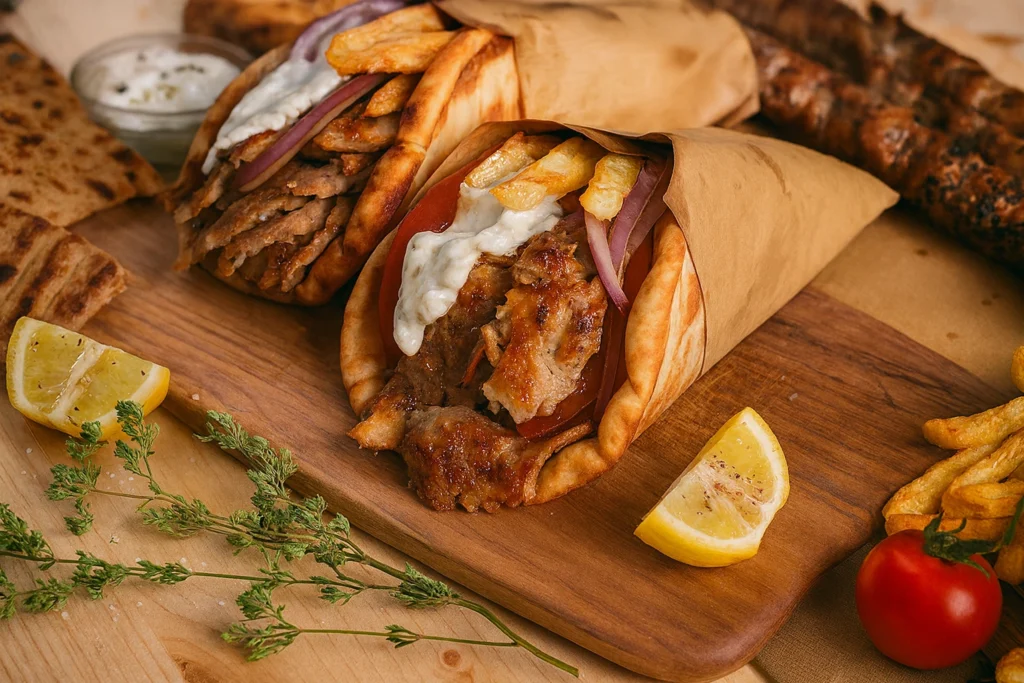
Shawarma’s story begins in the Ottoman Empire, where cooks perfected the art of slow-roasting stacked meat on a vertical, rotating spit. This method—layering seasoned beef and shaving it fresh as it cooks—became the foundation of what we now know as shawarma, which originated in Turkey.
The vertical rotisserie technique is believed to have developed in the 19th century, evolving into shawarma in the Levant and later inspiring famous dishes like Greek gyros and Turkish döner. While they share the same cooking style, each developed its own marinades, spices, and flavor traditions.
The name itself tells the story. “Shawarma” comes from the Turkish word, often enjoyed with pickled turnips. çevirme, meaning “turning,” a direct reference to the rotating spit that slowly roasts the meat for hours, keeping it tender and deeply flavorful.
From Lebanon and Syria to Egypt and the wider Arab world, shawarma became one of the region’s most beloved street foods — and today, one of the world’s most recognizable. You’ll often see it discussed when people compare traditional shawarma flavors.
At its core, this tradition explains why shawarma tastes the way it does: patient cooking, balanced spices, and a method built for flavor, not speed. It’s the same philosophy that defines authentic Mediterranean cuisine — food meant to be shared, enjoyed casually, and rooted in everyday life.
What Type of Food Is Shawarma?
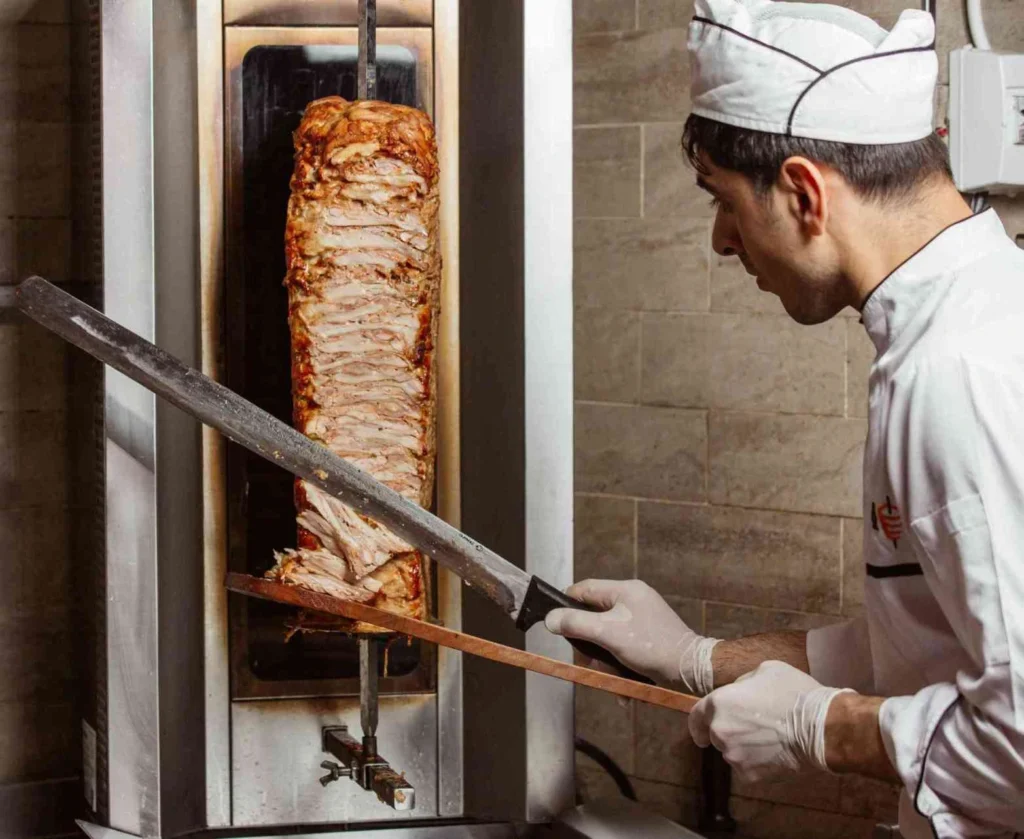
Shawarma is a classic Middle Eastern and Mediterranean street food made with marinated chicken, lamb, or beef slow-roasted on a vertical spit, shaved into thin slices, and served in warm flatbread with vegetables, pickles, and flavorful sauces like garlic and tahini.
It’s comforting yet fresh, hearty yet balanced, making it perfect for both quick meals and relaxed family dining. You can enjoy it wrapped on the go or plated with salads and sides, which is why it fits so naturally into Mediterranean food culture.
Simple, satisfying, and easy to customize, shawarma is a welcoming introduction to Middle Eastern cuisine — and a dish people love to return to again and again.
Shawarma Ingredients: What Is Shawarma Made Of?
Shawarma is built from a few simple ingredients that come together in a perfectly balanced way: meat is slowly grilled on a spit that spins. marinated meat, fresh vegetables, warm flatbread, and flavorful sauces. Each element plays a role, creating a meal that feels satisfying without being heavy.
In Mediterranean cooking, this balance is essential. Meals are built around real ingredients, natural flavors, and moderation — and shawarma fits that philosophy beautifully.
Rather than overloading the wrap, good shawarma relies on restraint and harmony:
- The meat provides warmth and protein
- The vegetables add freshness and crunch
- The sauces bring everything together gently
Shawarma Meat Explained (And Why It Fits the Mediterranean Diet)
At its core, shawarma starts with carefully marinated meat, slow-roasted and shaved fresh. These are the most common choices:
| Meat Type | Flavor Profile | Why It Works in Mediterranean Food |
| Chicken | Light, juicy, gently spiced shawarma can be complemented with a side of tabbouleh for a refreshing twist. | Lean protein, easy to digest, widely used in Mediterranean diets |
| Beef | Rich, deep, filling, and bursting with flavors from the seasoned beef. | Provides iron and protein, balanced with vegetables and herbs |
| Lamb | Traditional, bold dishes that celebrate Arabic flavors. | Classic Mediterranean meat, used in moderation for depth of flavor |
Chicken is often the easiest place to start, while beef is ideal when you’re craving something heartier.
Vegetables Commonly Used in Shawarma
Vegetables are not just a topping — they’re what keep shawarma fresh and well-balanced, a key idea in Mediterranean eating.
| Vegetable | What It Adds: Shawarma adds a delightful mix of flavors, especially with spices including garlic and cumin, making it a favorite across Arab nations. | Mediterranean Benefit |
| Tomatoes | Freshness, light acidity | Rich in antioxidants, widely used in Mediterranean salads |
| Cucumbers | Crunch, cooling effect | Hydrating, refreshing, low in calories |
| Lettuce / Cabbage | Balance, texture | Adds fiber and lightness |
| Pickled vegetables | Tang, contrast | Aid digestion and enhance flavor naturally |
These same ingredients appear across many Mediterranean salads and sides, which is why shawarma pairs so naturally with them.
Bread and Sauces: The Final Balance
Warm flatbread — most often pita — holds everything together, while classic sauces like garlic sauce, tahini, hummus, or amba are perfect complements to seasoned beef. add richness without overpowering the dish.
| Component | Role in the Dish | Mediterranean Principle |
| Pita bread | Structure and warmth | Simple grains, eaten in moderation, are a great side to accompany the cooking meat. |
| Tahini / Hummus can be enhanced with spices including cumin and served alongside shawarma. | Creaminess, healthy fats | Plant-based fats, sesame and legumes |
| Garlic sauce | Bold but balanced | Herbs and natural flavor boosters |
Why Shawarma Fits the Mediterranean Way of Eating?
Shawarma reflects the heart of Mediterranean cuisine:
- Whole ingredients
- Balanced portions
- Protein + vegetables + grains in one meal
- Flavor from herbs and spices, not heavy processing, is what gives shawarma its distinct flavor.
If you enjoy shawarma for its mix of meat and vegetables, this is exactly why it pairs so naturally with Mediterranean spreads and sides likehummus, baba ganoush, and fresh salads — where simple ingredients shine on their own.
Balanced, flavorful, and easy to enjoy — that’s what makes shawarma such a perfect Mediterranean dish wrapped in pita.
Chicken Shawarma vs Beef Shawarma — Which One Is Right for You?
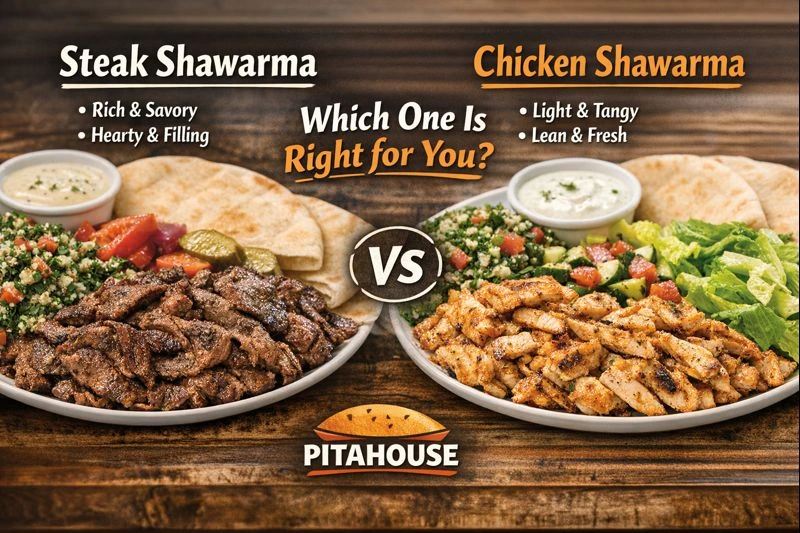
Chicken and beef shawarma are both slow-roasted on a vertical spit and shaved fresh, but they deliver very different flavors. Chicken shawarma is lean, tender, and marinated with garlic and lemon for a bright, tangy taste. Beef shawarma offers a richer, heartier flavor, often made from beef, veal, or lamb, with deeper savory notes.
The choice comes down to mood: chicken is perfect for a light, fresh meal, while beef satisfies cravings for a more robust, classic red-meat experience. Both are seasoned with Middle Eastern spices like cumin, coriander, and paprika, and paired with sauces like tahini or hummus for that signature shawarma flavor, which is achieved when the meat is slowly grilled.
How Chicken Shawarma Tastes?
Chicken shawarma is bright, tender, and gently spiced — one of the most approachable Mediterranean dishes.
- Flavor: Light and citrus-forward, with lemon and garlic enhancing the warm spices, perfectly complementing the seasoned beef.
- Texture: the combination of marinated overnight meat and fresh ingredients creates a delightful contrast. Juicy and soft, perfect whether wrapped or plated
- Aroma: Fresh and inviting, with subtle spice rather than heaviness
- Overall feel: The overall feel of shawarma is light and energizing, especially when enjoyed with taboon bread. Clean, balanced, and satisfying without feeling heavy
Chicken shawarma shines wrapped in warm pita or served as a plate with fresh vegetables. Pair it with crisp sides like cucumber and tomato salad or herb-forward salads to keep each bite refreshing and balanced with shawarma sauce.
How Beef Shawarma Tastes?
Beef shawarma delivers a richer, more savory experience that feels hearty and substantial.
- Flavor: Deep, bold, warmly spiced with lingering savory notes
- Texture: Slightly firmer with a satisfying chew
- Aroma: Robust and meaty, especially when shaved fresh
- Overall feel: Hearty, grounding, and filling
Beef pairs beautifully with heartier traditional shawarma flavors. Mediterranean salads, pickled vegetables, or bright tabouli that cut through the richness. It’s ideal for a filling lunch or a comforting dinner that really sticks with you.
Chicken vs Beef Shawarma — Quick Comparison
| Feature | Chicken Shawarma | Beef Shawarma |
| Flavor | Light, savory, gently spiced | Rich, bold, deeply savory |
| Texture | Tender, juicy | Firmer, satisfying chew |
| Aroma | Warm, inviting, and often served with pita or lavash. | Robust, meaty |
| Best for | First-timers, lighter meals | Bigger appetites, deeper flavors |
| Best Sides | Fresh vegetables & salads | Hearty salads, pickles, tabouli |
Rule of Thumb:
- Choose chicken for freshness and lightness, consider adding lemon juice.
- Choose beef for depth and heartiness
No matter your pick, both showcase the authentic flavors of Mediterranean cuisine and the careful roasting tradition that makes shawarma unforgettable.
Best Vegetables & Salads to Pair with Shawarma

The right vegetables, salads, and sauces can completely transform a shawarma meal — adding crunch to tender meat, brightness to warm spices, and layers of flavor that keep every bite satisfying. When building a shawarma plate or wrap, we focus on contrasts: fresh vs savory, crisp vs creamy, tangy vs spicy. That’s where vegetables, salads, and sauces shine.
Best Pairings for Chicken Shawarma
Chicken shawarma is light, tender, and citrus-forward, so it pairs best with refreshing vegetables and bright sauces:
- Cucumber and tomato salad — adds crispness and acidity
- Herb-forward salads — lift the spices without overpowering the marinated overnight meat.
- Lemon-touched greens — brighten every bite
- Tahini — creamy and nutty, complements chicken perfectly
- Classic hummus, a staple in Arabic cuisine. — smooth and flavorful, adds richness without heaviness
- Garlic aioli — adds subtle warmth and depth
These pairings are ideal when chicken shawarma is served on a plate or with lighter options from our salads menu. Perfect for lunch or warm San Diego afternoons, perfect for enjoying shawarma with a side of crispy french fries., they keep the meal fresh, balanced, and energizing.
Best Pairings for Beef Shawarma
Beef shawarma has a richer, heartier flavor, so it pairs best with robust vegetables and bold sauces, enhanced with spices including paprika and cumin.:
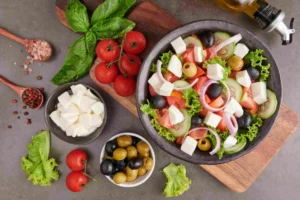
- Chopped Mediterranean salads with parsley and citrus
- Pickled vegetables — cut through the richness
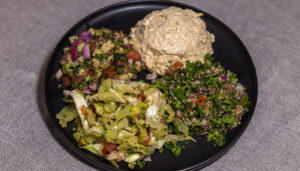
- Tabouli — adds brightness and texture
- Skhug (spicy chili sauce) adds an extra kick to your lamb shawarma. — adds heat and bold flavor
- Tzatziki — cool, creamy contrast to savory beef
- Amba sauce — tangy, slightly sweet, and perfect with beef shawarma
These combinations work beautifully for beef shawarma plates, balancing richness with freshness. Perfect for dinner or whenever you want a deeply satisfying, hearty meal.
Shawarma Nutrition: Is It Healthy? Let’s Talk Honestly
Shawarma can be a healthy, protein-packed meal, but how it feels depends on how you build it. At Micheline’s Pita House, the same shawarma can be light and energizing, particularly when paired with a refreshing tabbouleh salad and wrapped in pita. or rich and indulgent, depending on a few simple choices like the addition of lemon juice or pickled turnips.
Instead of focusing on calories alone, think of shawarma as a build-your-plate meal — in the spirit of the Mediterranean diet, where balance matters more than restriction.
Key Components of Shawarma Nutrition
1. Protein: The Foundation
- Chicken shawarma, usually made with lamb, is a popular choice. Lean, light, and energizing
- Beef shawarma: Rich, hearty, and filling
- Why it matters: Protein keeps you satisfied longer — perfect for a complete meal.
2. Vegetables: Crunch & Brightness
- Add fiber, crunch, and freshness
- Common choices: tomatoes, cucumbers, greens, pickled vegetables
- Pair naturally with Mediterranean salads
- Benefit: Enjoy the numerous benefits of shawarma, which often includes fresh tabbouleh and a variety of spices including garlic and cumin. Balances the meal while keeping it refreshing with tahini sauce.
3. Sauces: Flavor & Balance
- Bring personality and richness to your shawarma
- Popular options: falafel, shawarma, and fattoush.Tzatziki sauces, tahini, garlic aioli, tzatziki, or amba
- Tip: Use sauces thoughtfully — a little goes a long way to keep the meal satisfying without heaviness
4. Bread or Plate Choice: Style Matters
- Wrap: Classic, comforting, portable
- Plate-style meal: Extra vegetables and sides, lighter feel
- Both options are valid — it’s all about appetite and occasion
| Component | Chicken Shawarma | Beef Shawarma | Tips |
| Protein | Lean, light | Rich, hearty | Choose chicken for lighter meals |
| Vegetables | Crisp, fresh falafel adds a delightful texture. | Hearty, bold | Pair with salads for balance |
| Sauces | Yogurt, tahini | Garlic, amba, tzatziki, and tahini sauce are popular accompaniments to shawarma, enhancing the type of meat used. | Use moderately for richness control (tahini, tzatziki) |
| Bread/Plate, including lavash and pita. | Wrap or plate | Wrap or plate | Plate-style keeps meals lighter |
When Shawarma Works Best?
Shawarma is ideal when you want:
- A filling meal that isn’t too heavy
- A balanced mix of protein and vegetables
- Bold Mediterranean flavors without processed ingredients
- Versatility — great for lunch, dinner, or casual meals, especially when served with vegetables and dressing.
Adjusting Shawarma for Your Goals
Small tweaks can make a big difference if you’re watching calories, sodium, or richness can be balanced with fresh salads served alongside the seasoned beef.:
- Choose chicken for a leaner feel
- Load up on fresh vegetables
- Use sauces lightly, especially when pairing with eggplant dishes.
- Opt for a plate-style serving instead of a large wrap
How Shawarma Is Traditionally Cooked?

Shawarma is all about time, technique, and flavor. Here’s why it tastes so distinct:
- Vertical rotating spit: Layers of marinated meat slowly roast as they turn.
- Even cooking: meat is placed on a spit and grilled slowly to ensure even heat distribution, enhancing its flavor. Slow rotation ensures heat penetrates the meat evenly.
- Freshly shaved slices: Meat is shaved thin as it cooks, keeping it juicy and tender.
- Flavor development: Gradual roasting builds deep, savory flavors without rushing.
- Sensory experience: the aroma of spices like cardamom and nutmeg. The aroma hits before the taste—warm, inviting, and mouthwatering.
- Comparison: Similar in technique to gyro or kebab, but with distinctive seasonings that highlight the marinated overnight meat.
Traditional shawarma isn’t about shortcuts—it’s about letting time do the work.
How Shawarma Is Served Today?
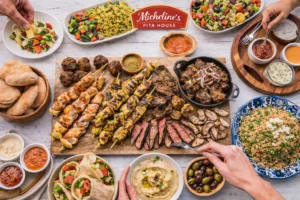
Shawarma adapts to your appetite, occasion, and dining style. Here’s a breakdown:
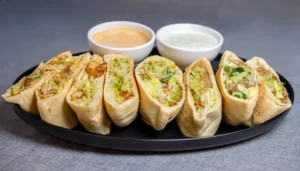
1. Wrap — Quick & Convenient
- Everything tucked into warm pita
- Easy to hold and eat on the go, especially when served with shawarma sauce.
- Perfect for lunch, casual dinner, or solo meals, all enhanced by the distinct flavor of shawarma.
- Retains crisp vegetables, sauces, and meat in every bite
2. Plate — Relaxed & Customizable
- Meat served alongside vegetables, salads, rice, and sides complementing the middle eastern shawarma experience.
- Ideal for dining in, sharing, or pairing with other menu items
- Gives you space to mix flavors at your own pace
3. Bowl — Flexible & Lighter
- Similar flavors without the wrap
- Great for a lighter meal while keeping bold tastes, especially when vegetables and dressing are included.
When to Choose Each Style?
| Style | Best For seasoned beef lovers. | Notes |
| Wrap | Quick meals, casual bites | Portable, full flavor in every bite |
| Plate | Relaxed dinners, sharing, fuller meals | Mix vegetables, sides, and sauces freely |
| Bowl | Light meals, flexible eating | Great for portion control and dietary variety |
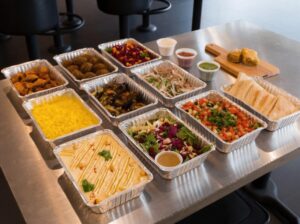
Why Shawarma Works for Groups & Catering?

Shawarma is a go-to dish for group meals because it’s shareable, customizable, and easy to serve:
- Flexible proteins: Shawarma offers flexible proteins, often served with a side of crispy french fries or fresh tabbouleh, showcasing meat on a vertical spit. Chicken, beef, or mixed options satisfy everyone.
- Customizable plates: Guests can adjust vegetables, sauces, and portion sizes.
- Works with sides: Pairs perfectly with Mediterranean salads, hummus, and warm pita.
- Inclusive dining: Handles mixed dietary preferences gracefully.
- Travel-friendly for catering: lavash wraps filled with fresh ingredients, including crispy french fries for added texture. Maintains freshness and flavor for office lunches, family meals, or events.
- Encourages sharing: Turns individual orders into a communal experience without slowing service, especially when a mix of these meats is offered.
Shawarma shines in popular street food markets. family meals, office lunches, celebrations, or any gathering where variety and flavor matter.
What is Shawarma – Frequently Asked Questions
These are the questions we hear most often—especially from people trying shawarma for the first time or deciding how to order it. The answers are simple, honest, and based on how shawarma is actually eaten today.
Is Shawarma Mediterranean Food?
Yes—shawarma is widely considered part of Mediterranean food, especially in the Eastern Mediterranean, where shawarma originated. While the cooking method traces back to the Ottoman era, shawarma became a staple across the Levant and is now firmly woven into Mediterranean dining culture as it’s enjoyed today.
Is Shawarma Indian?
No. Shawarma isn’t Indian food. It comes from the Eastern Mediterranean and Middle East. Some of the spices, like cardamom and nutmeg, may enhance the flavor. sound and aroma of meat being grilled over charcoal or wood adds to the shawarma experience. familiar, but the flavor profile, cooking style, and way it’s served are completely different, especially when using a type of meat that is marinated overnight.
What Is Shawarma Meat Made From?
Shawarma is typically made from chicken or beef, marinated and slow-cooked before being shaved fresh. Lamb is traditional in some regions, but chicken and beef are the most common options you’ll see on modern Mediterranean menus.
What Is on a Chicken Shawarma?
A chicken shawarma usually includes:
- Marinated, slow-cooked chicken
- Fresh vegetables like tomatoes and cucumbers
- A creamy or tangy sauce
- Warm pita or a plate-style base
It’s balanced, approachable, and one of the easiest ways to enjoy shawarma for the first time.
Is Shawarma Spicy?
Shawarma isn’t spicy in the “hot” sense. The spices are warm and aromatic, not fiery. If heat is added, it usually comes from sauces, which can be adjusted easily.
Is Shawarma Healthy?
Shawarma can be a very balanced meal, especially when accompanied by a side of tabbouleh and tahini. It’s protein-forward, includes vegetables, and can be customized based on how light or filling you want it. Choosing chicken, adding more vegetables, and going lighter on sauces keeps it feeling fresh and nourishing.
Which Is Healthier: Chicken or Beef Shawarma?
Chicken shawarma generally feels lighter and leaner, while beef shawarma, shaved off the stack, is more filling and rich. Neither is “better”—it depends on whether you’re in the mood for something lighter or something heartier.
Does Shawarma Contain Dairy?
The meat itself doesn’t contain dairy, but some sauces do. If you’re avoiding dairy, it’s easy to adjust by choosing sauces accordingly or enjoying shawarma without them.
Is Shawarma Gluten-Free?
The meat and vegetables are naturally gluten-free. The wrap is where gluten comes in, so a plate-style serving without bread is usually the best option if you’re avoiding gluten.
Is Shawarma Better as a Wrap or a Plate?
It depends on the moment.
- Wraps are quick, comforting, and great on the go, especially when paired with taboon bread.
- Plates feel more relaxed and filling, with room for salads and sides.
Both deliver the same core flavors—just in different ways, with one featuring meat that is slowly grilled and the other a mix of these meats.
Can Kids Enjoy Shawarma?
Absolutely. Chicken shawarma in particular is mild, tender, and familiar enough for kids, especially when served simply with vegetables or pita on the side.
Is Shawarma Good for Group Meals?
Yes—and that’s one of its biggest strengths. With different proteins, vegetables, and sides, shawarma makes it easy for everyone to build a plate they enjoy. That’s why it’s so popular for family meals and shared tables.
Why Does Restaurant Shawarma Taste Different From Homemade?
Time and technique. Slow, rotating cooking builds layers of flavor that are hard to replicate at home, and shaving the meat fresh keeps it juicy. That depth is part of what makes shawarma such a satisfying restaurant experience.
Where to Start on Our Menu (And What to Pair It With)?
If you’re ready to enjoy shawarma at its best, here’s how to start—whether for solo dining or group meals:
For a Lighter, Juicy Option: Chicken Shawarma
- Chicken Shawarma (menu link)
- Pair with fresh sides:
- Tabouli for brightness and texture
- Tahini for a creamy, nutty finish
- Garlic Aioli for warmth without overpowering
- Works great as a sandwich or wrap. wrap or plate
For a Richer, Heartier Option: Steak Shawarma
- Ribeye Steak Shawarma (menu link)
- Perfectly paired with: falafel and fresh fattoush salad.
- Shawarma Tabouli Salad or classic Arabic flavors. Tabouli
- Tahini or Garlic Aioli
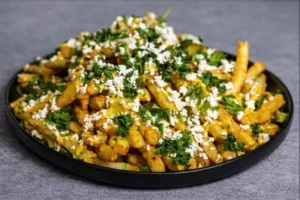
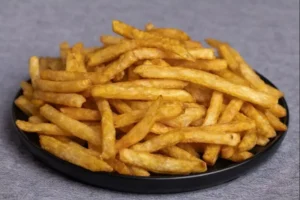
- Fries (Regular or Bowl) for a crispy contrast
Planning for a Group or Event
Shawarma is perfect for gatherings because it’s flexible, crowd-pleasing, and easy to share:
- Proteins for variety: shawarma is made with marinated meat that is expertly sliced with a large knife.
- Catering Chicken Shawarma
- Catering Steak Shawarma with a delicious shawarma spice blend.
- Complementary catering sides:
- Tabouli for freshness
- Tahini 16 oz or 24 oz for balance
- Garlic Aioli 16 oz or 24 oz for richness
- Why it works:
- Satisfies different preferences at the same table
- Lets guests build their plates with traditional Arabic ingredients. their way
- Travels well for catering, staying fresh and flavorful
Shawarma isn’t just a meal—it’s a sandwich or wrap that originated in Turkey. shared experience of enjoying traditional shawarma flavors., whether for a solo lunch, family dinner, or office event.