Pita bread is a soft, versatile flatbread that has been a staple of Mediterranean and Middle Eastern cuisine for centuries. Loved for its signature pocket and mild flavor, it can be enjoyed with dips, stuffed with fillings, or served alongside a variety of dishes. In this guide, we’ll explore pita bread’s ingredients, different types, nutritional value, and the many delicious ways to enjoy it.
What Is Pita Bread?
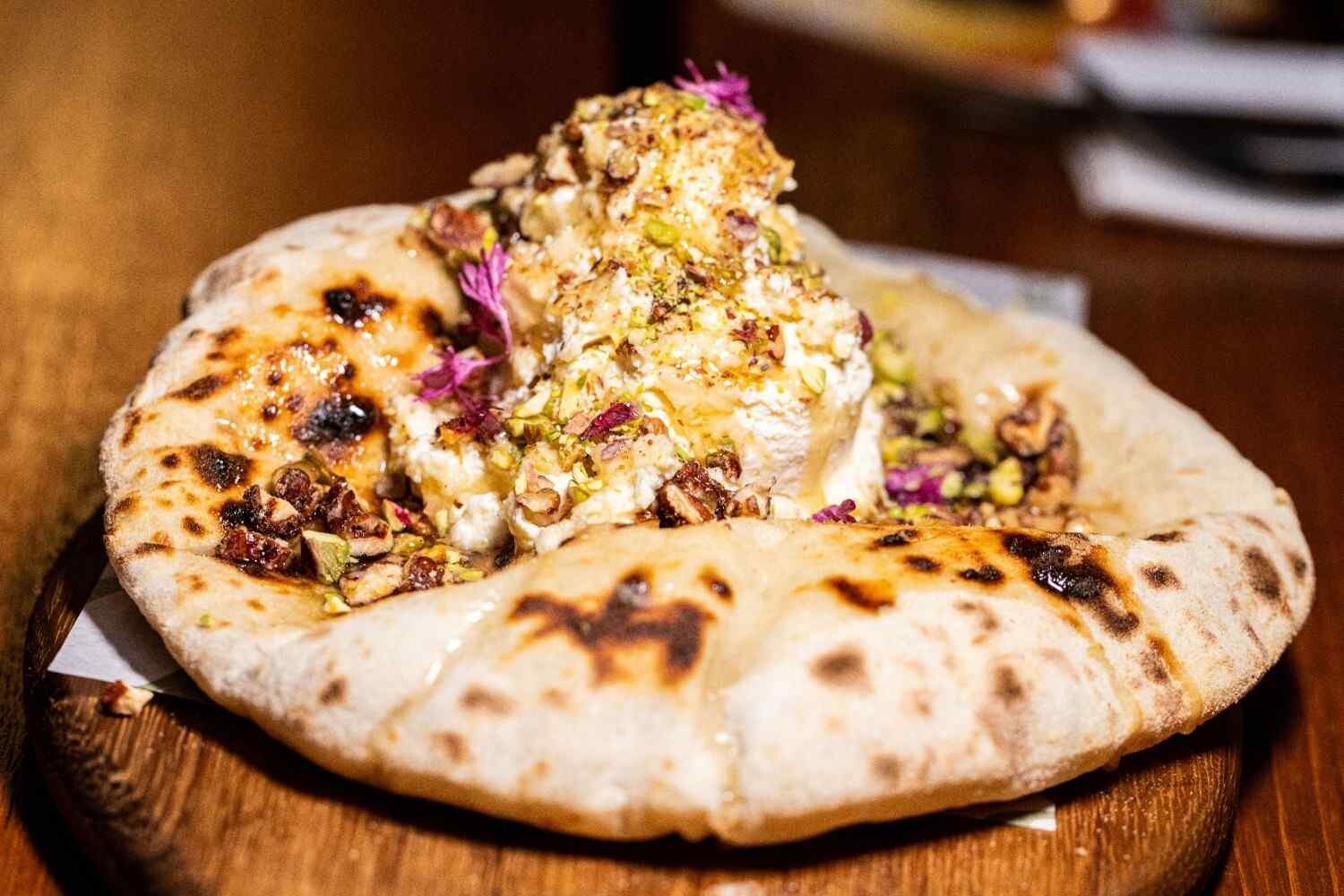
Pita bread is a round, yeast-leavened flatbread traditionally made from wheat flour, water, yeast and salt. It is strongly associated with Middle Eastern and Mediterranean food traditions and may be served as a pocket, wrap, scoop or side bread.
Pocket pita is baked at high heat. The heat quickly produces steam inside the dough, causing the round to inflate like a balloon. As it cools, it becomes flat again, but the two baked layers remain separated and create the pocket.
Pita has a mild flavor that allows stronger ingredients to stand out. It can support smoky grilled meat, crisp falafel, creamy hummus, fresh vegetables, salty cheese, bright herbs and spicy sauces without overwhelming them.
Why Does Pita Bread Have a Pocket?
The pocket forms because water in the dough turns into steam faster than it can escape.
A hot oven or cooking surface sets the exterior while the expanding steam pushes the upper and lower layers apart. When the bread is removed from the heat, it deflates, but the separated layers remain.
Several factors influence the result:
- The oven or cooking surface must be sufficiently hot.
- The dough should be evenly hydrated.
- Each round should be rolled to a consistent thickness.
- The dough should not be torn during shaping.
- The rounds should have time to rest before cooking.
A pita that does not puff can still taste delicious. It simply functions more like a soft flatbread than a pocket.
What Is Pita Bread Made Of?
Traditional pita uses a short list of ingredients.
Core Ingredients
Flour: Wheat flour provides the structure. White flour creates a lighter texture, while whole-wheat flour produces a heartier flavor and usually provides more fiber.
Water: Water hydrates the flour, activates the yeast and eventually produces the steam that can form the pocket.
Yeast: Yeast ferments the dough and creates gas, helping the bread become lighter and softer.
Salt: Salt adds flavor and helps control fermentation.
Common Variations
Some pita recipes include olive oil to create a softer texture and richer flavor. Others add a small amount of sugar or honey to support yeast activity or add gentle sweetness.
Whole-wheat pita may use all whole-wheat flour or a blend of whole-wheat and white flour. Sourdough pita relies on a fermented starter, while gluten-free pita uses alternative starches and flours designed to replace the structure normally provided by wheat gluten.
Commercial products may contain additional ingredients to improve consistency or shelf life. Anyone comparing packaged options should read the ingredient list and Nutrition Facts label rather than assuming every pita has the same formulation.
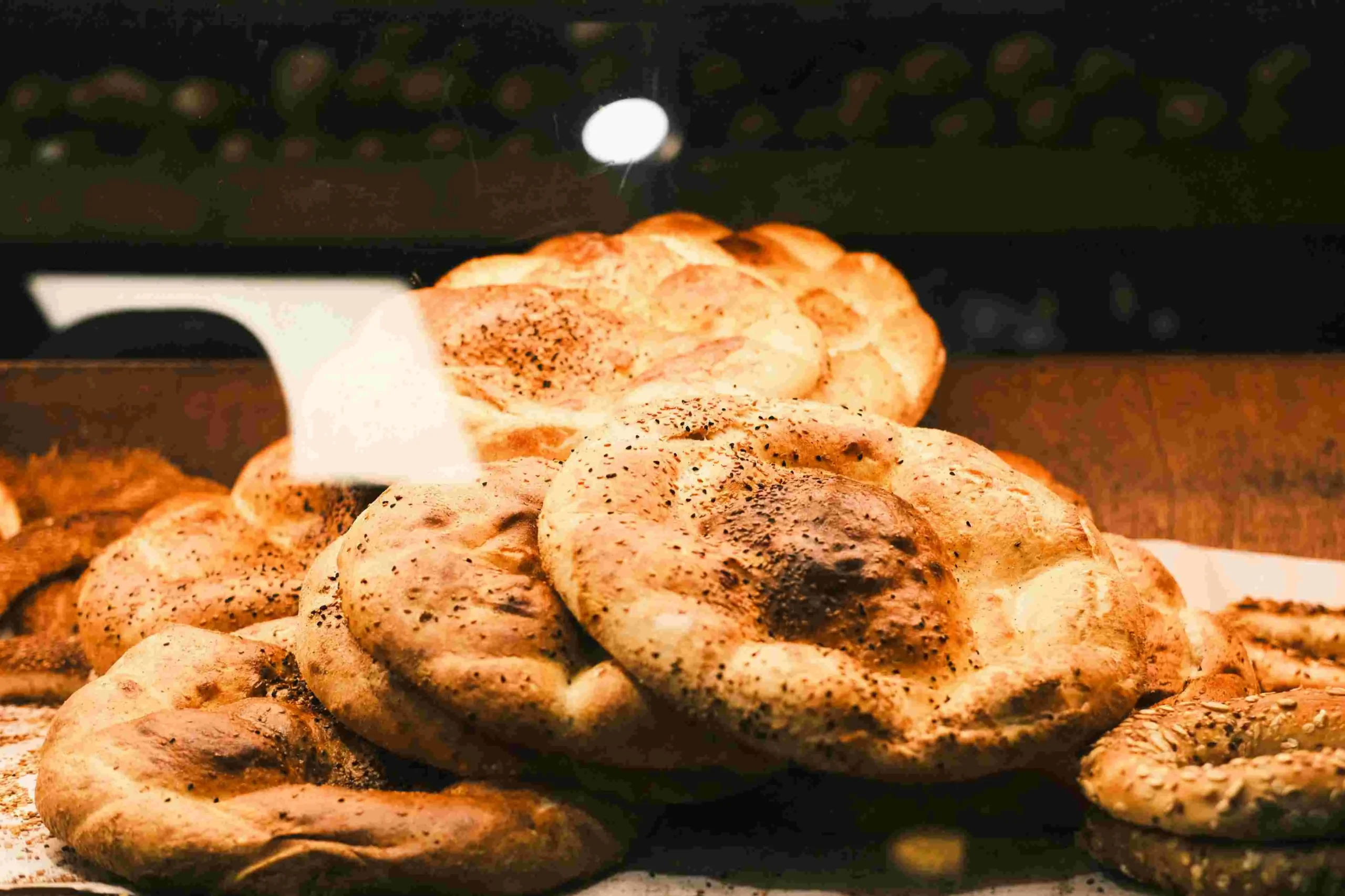
Types of Pita Bread
Pita comes in several forms, each suited to different meals.
| Type | Texture and structure | Best uses |
| Pocket pita | Thin, soft and separated into two layers | Stuffing with falafel, shawarma, salad or grilled vegetables |
| Greek-style pita | Thicker, softer and usually pocketless | Wrapping gyros, souvlaki, chicken, vegetables and sauces |
| Whole-wheat pita | Heartier, nuttier and often higher in fiber | Sandwiches, dipping and balanced meals |
| Gluten-free pita | Varies by flour blend and preparation | An alternative for people avoiding gluten when ingredients and preparation are suitable |
| Mini pita | Small individual rounds | Appetizers, children’s meals, sliders and snack plates |
Pocket Pita
Pocket pita is the style many US consumers picture first. It can be cut in half to create two small pockets or opened along one edge and filled as a whole round.
The pocket helps contain ingredients and sauces, making this pita practical for portable meals.
Greek-Style Pita
Greek-style pita is usually thicker and more flexible. It may be cooked in a skillet rather than baked until fully inflated.
Instead of opening the bread, diners place meat, vegetables and sauces across its surface and fold or roll it around the filling.
Whole-Wheat Pita
Whole-wheat pita includes whole-grain flour and has a deeper, slightly nutty flavor. Texture varies depending on whether the dough uses only whole-wheat flour or a blend.
Whole-grain content can make pita a useful source of fiber, but shoppers should check whether whole-wheat flour is the first ingredient rather than relying only on phrases such as “multigrain.”
Gluten-Free Pita
Traditional pita is made with wheat and therefore contains gluten. Gluten-free alternatives may use rice flour, tapioca starch, sorghum, millet, chickpea flour or other blends.
Texture can differ significantly because gluten normally gives wheat dough its elasticity and strength. People with celiac disease or medically diagnosed gluten sensitivity should also consider preparation practices and cross-contact, not only the flour listed in the product name.
Mini Pita
Mini pita works well for lunch boxes, appetizers and tasting platters. It can hold falafel, grilled chicken, vegetables or hummus without creating an oversized serving.
How Pita Bread Is Made
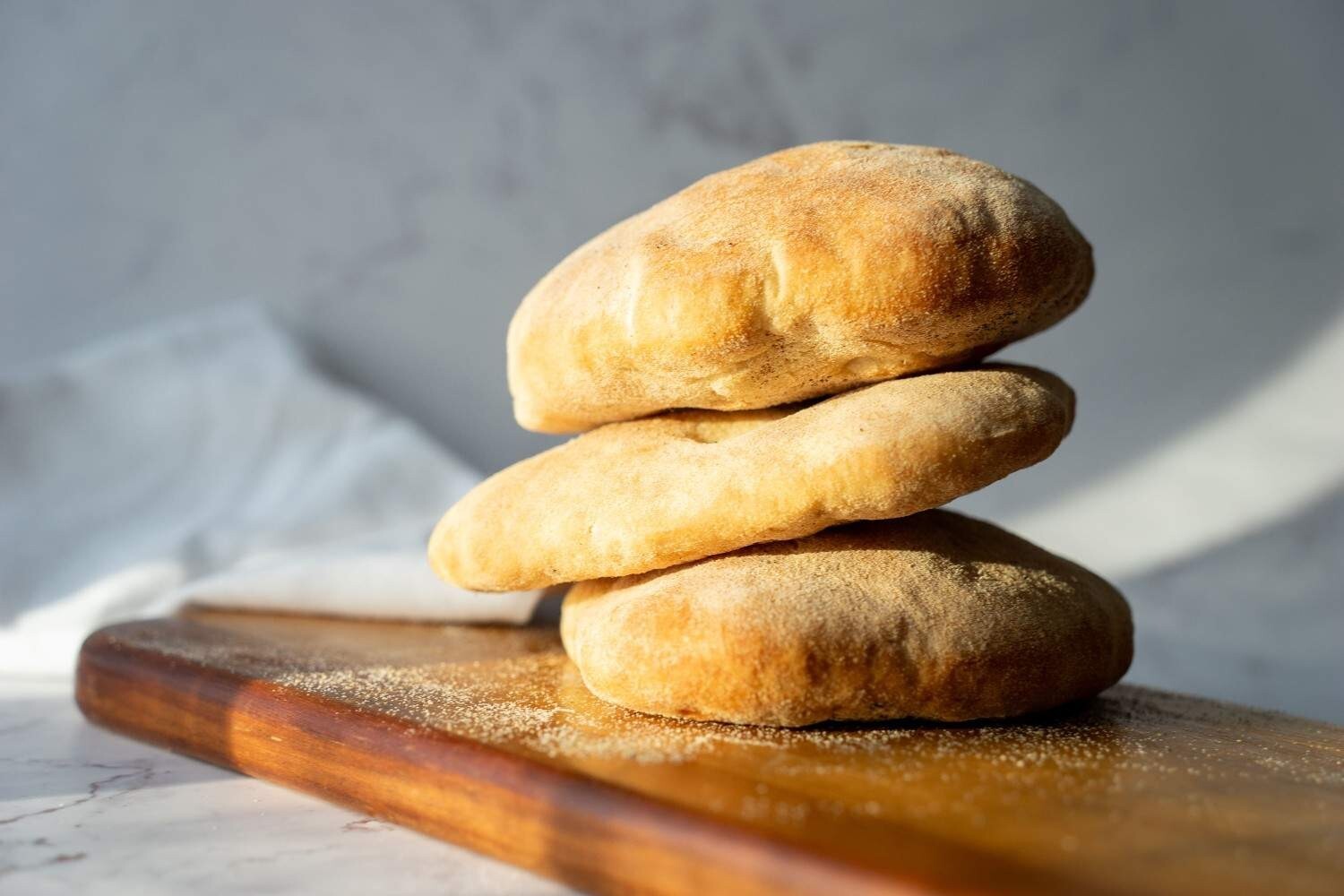
Exact recipes differ, but the core process follows a familiar bread-making sequence.
- Combine the ingredients. Flour, water, yeast and salt are mixed into a soft dough. Olive oil or a small amount of sugar may be added in some versions.
- Develop the dough. The dough is kneaded or mixed until it becomes smoother and more elastic.
- Allow the dough to rise. Fermentation gives the yeast time to produce gas and flavor.
- Divide the dough. The risen dough is separated into evenly sized portions.
- Shape the portions. Each piece is formed into a ball and allowed to rest so the dough becomes easier to roll.
- Roll the pita rounds. The portions are rolled to an even thickness. Uneven areas may prevent full inflation.
- Cook at high heat. The rounds are baked on a preheated surface or cooked in a hot skillet. Steam expands inside and may create the pocket.
Freshly cooked pita is normally covered with a clean towel to retain moisture while the remaining rounds cook.
Why Pita Sometimes Does Not Puff
The most common reason is insufficient heat. If the oven, stone, steel, baking sheet or skillet is not fully heated, the dough may cook gradually instead of producing a rapid burst of steam.
Other possible causes include:
- Rolling one side thicker than the other.
- Allowing the dough surface to dry.
- Tearing or puncturing the round.
- Using dough that is too dry.
- Leaving too much excess flour on the surface.
- Skipping an important resting period.
Even without a full pocket, the resulting bread can still work well for dipping, wrapping or making pita pizza.
Is Pita Bread Healthy?
Pita bread can be part of a balanced diet, but “healthy” depends on the product, serving size and meal as a whole.
A pita filled with vegetables, legumes, salad and a suitable protein offers a different nutritional profile from pita covered with large amounts of cheese, salty processed meat or rich sauces. The bread is only one part of the meal.
Pita Bread Calories and Nutrition
Nutrition varies with size, flour and added ingredients. Historical USDA reference data for one large, 60-gram enriched white pita provides approximately:
| Nutrient | Approximate amount |
| Calories | 165 |
| Protein | 5.5 grams |
| Dietary fiber | 2.2 grams |
These numbers should be treated as a general example, not a universal value. A small pita may contain substantially fewer calories, while an oversized or oil-rich pita may contain more.
For packaged bread, use the serving size and values on the product’s Nutrition Facts panel.
Whole-Wheat vs. White Pita
Whole-wheat pita generally retains more of the grain’s natural fiber than pita made primarily from refined white flour. Fiber can help make a meal more satisfying and supports normal digestive function.
White pita can still fit into a varied diet. The choice does not need to be viewed as an absolute good-or-bad decision.
Does Pita Bread Have Gluten?
Conventional pita contains gluten because wheat flour is normally its main ingredient.
People avoiding gluten should look for a product specifically formulated for that need. They should also ask about cross-contact when food is prepared in a shared restaurant kitchen.
A wheat-free ingredient list and a verified gluten-free preparation environment are separate considerations. The level of precaution needed depends on the individual’s medical needs.
Pita Bread vs. Naan and Other Flatbreads
Pita and naan are both flatbreads, but they are not the same.
| Feature | Pita bread | Naan | Generic flatbread |
| Common ingredients | Flour, water, yeast and salt | Flour, yeast, salt and often yogurt, milk, butter or ghee | Varies widely |
| Typical texture | Thin to medium, soft and slightly chewy | Thicker, richer, softer and more pillowy | Can be soft, crisp, leavened or unleavened |
| Common cooking method | Very hot oven, stone or skillet | Traditionally a tandoor or very hot oven | Oven, griddle, skillet or open cooking surface |
| Common in some styles | Usually no | Depends on the bread | |
| Common use | Stuffing, wrapping and dipping | Tearing and dipping into curries or sauces | Depends on the cuisine |
Pita vs. Naan
Naan is associated with South and Central Asian food traditions and often contains dairy or added fat. It is typically thicker and richer than pita.
Pita commonly uses a leaner dough and may form a complete pocket. Its mild flavor makes it especially useful for stuffing with falafel, shawarma and vegetables.
Pita vs. Generic Flatbread
“Flatbread” is a broad category rather than one specific recipe. It includes pita, naan, lavash, tortillas, roti and many other breads.
Some flatbreads contain yeast, while others are unleavened. Some are paper-thin, and others are thick and soft. Pita is one member of this much larger family.
Pita vs. Sliced Bread
Pita and sliced wheat bread can contain similar basic ingredients. The nutritional difference depends more on flour type, portion size, sodium, sugar and added fat than on shape.
One whole pita may also be larger than a single slice of bread, so comparisons should use equivalent weights or the stated serving sizes.
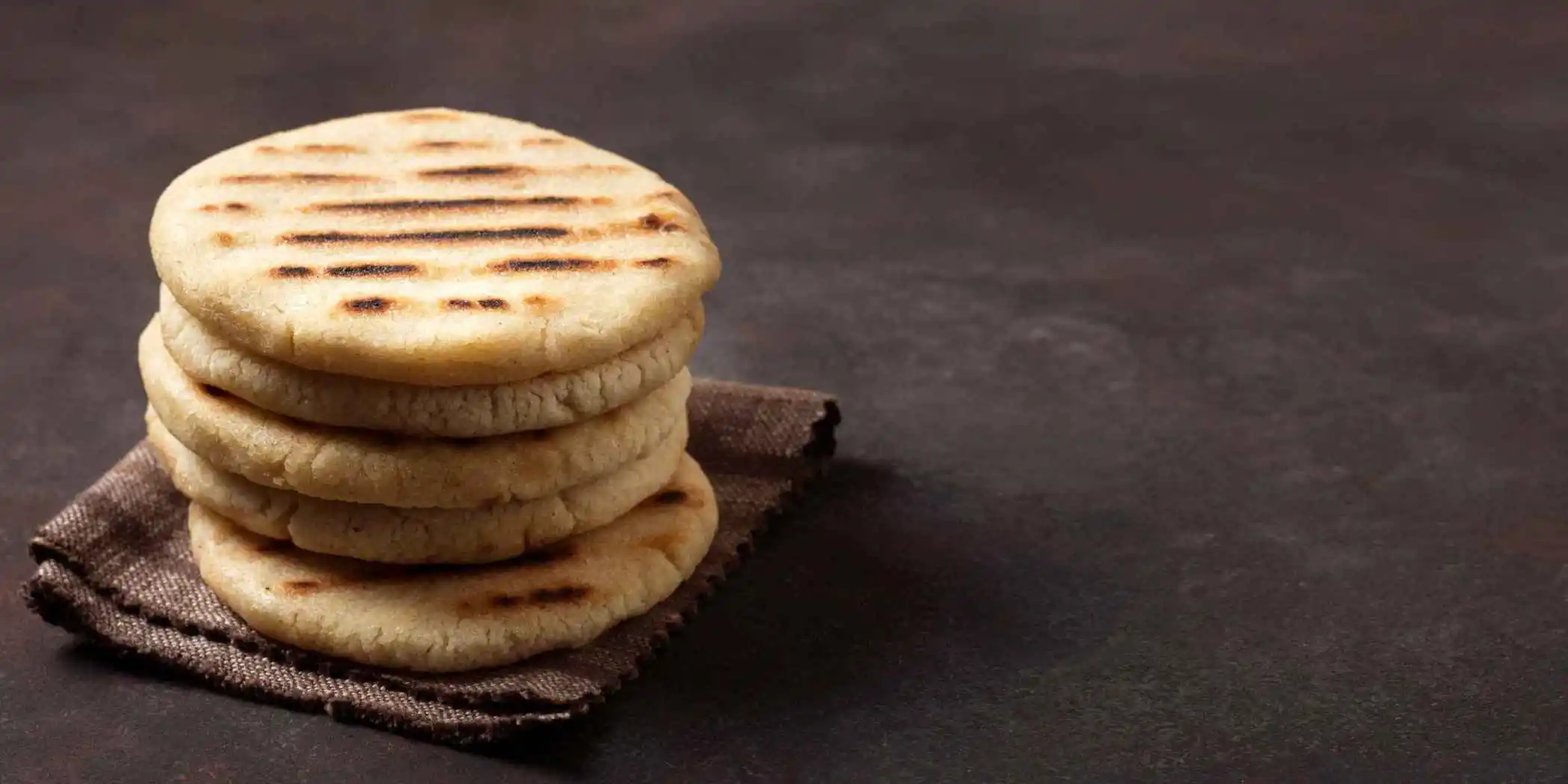
What to Eat With Pita Bread
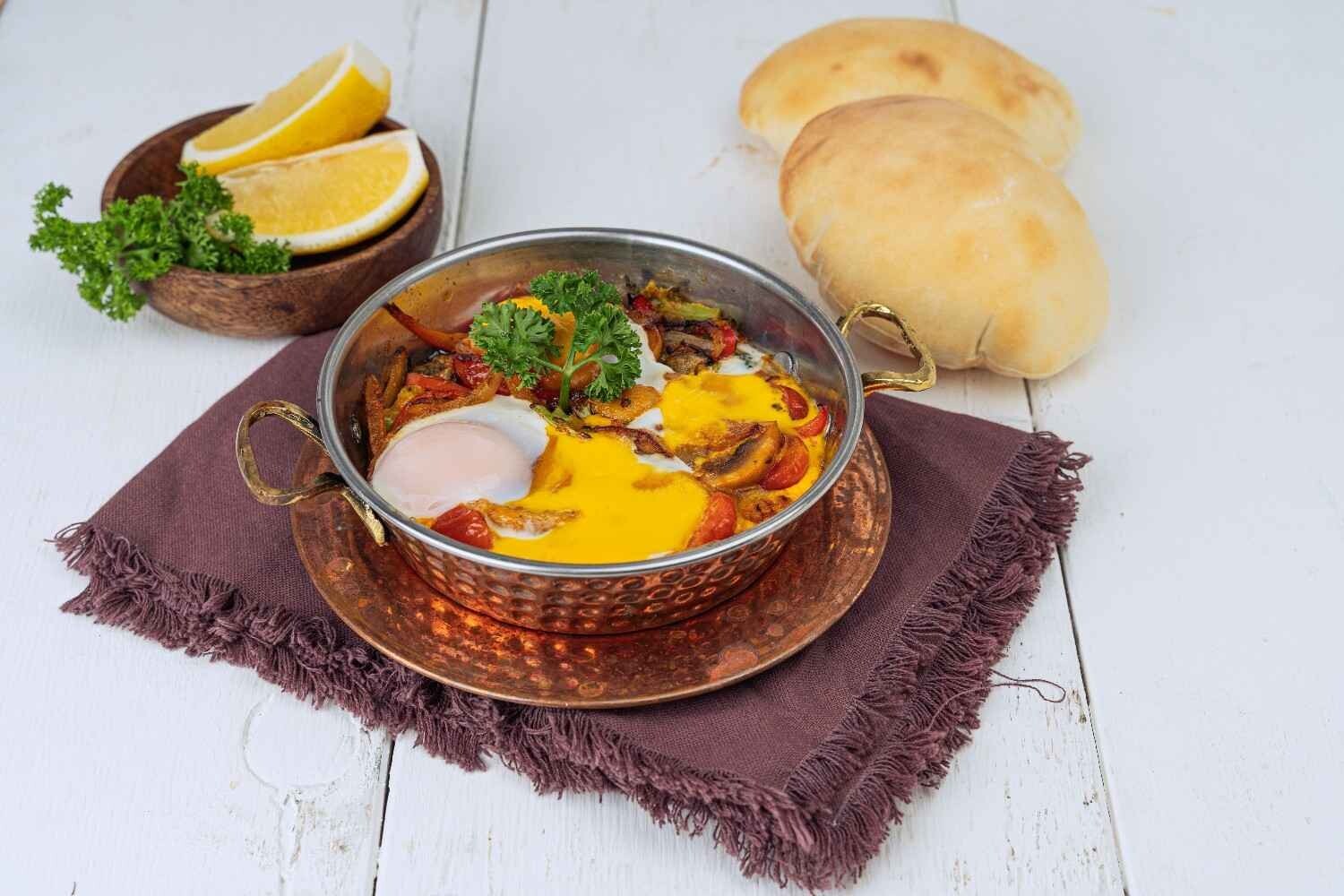
Pita works well with many Mediterranean dishes because it can hold fillings, absorb sauces and scoop dips.
Hummus and Baba Ganoush
Warm pita bread pairs perfectly with both Classic hummus and baba ganoush, making them classic Mediterranean appetizers.
The soft, mild flavor of pita complements the creamy richness of hummus, made with chickpeas, tahini, garlic, and lemon, while also enhancing the smoky, savory taste of baba ganoush, which is prepared from roasted eggplant and tahini. Together, they create a delicious and satisfying combination.
Falafel
Crisp falafel and soft pita provide a satisfying contrast. Add lettuce, tomato, cucumber, pickles, cabbage or herbs, then finish the pocket with tahini or another Mediterranean sauce.
Shawarma and Kabobs
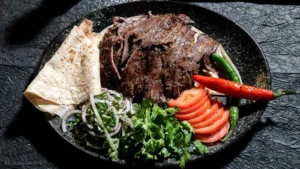
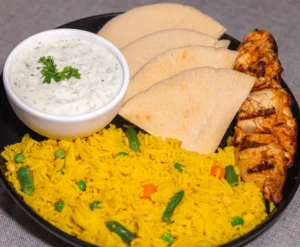
Pita can hold thin slices of seasoned shawarma with vegetables and sauce. It can also accompany chicken kabobs, steak, ground beef or roasted vegetables.
Salads and Mezze
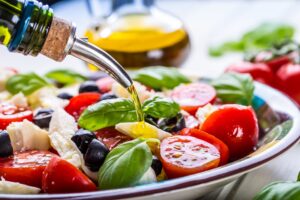
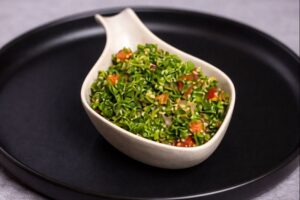
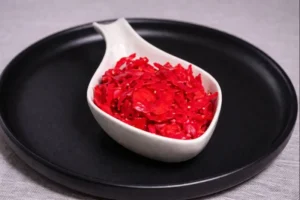
Pita is commonly served with tabouli, Greek salad, cucumber and tomato salad, pickles, olives, feta and roasted vegetables.
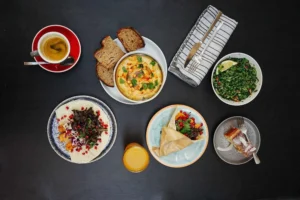
A shared mezze table may include several dips, salads and small dishes with warm pita placed in the center. Guests can build each bite differently rather than committing to one filling.
Pita Sandwiches
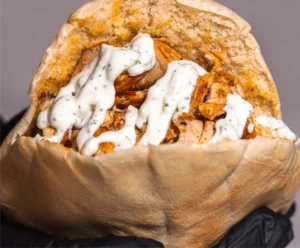
A pita pocket can become a portable lunch, turning into one of the most delicious pita sandwiches when filled with grilled chicken, falafel, fresh vegetables, hummus, or salad.
Pita Chips
Older pita can be turned into chips instead of being discarded.
Cut it into triangles, add a light coating of olive oil and season it with salt, za’atar, garlic, cumin or another preferred spice. Bake until the pieces become crisp, then serve them with hummus, baba ganoush or a fresh salad.
Pita Pizza
Pita provides a convenient individual pizza base. Add tomato sauce, vegetables, cheese or a preferred protein and bake until the toppings are hot.
Because the bread is already cooked, the pizza can be ready more quickly than one made with raw dough.
Breakfast Pita
Fill a warm pocket with eggs, vegetables, herbs or cheese. Hummus and roasted vegetables can also create a savory plant-forward breakfast.
How to Warm Pita Bread
Pita is normally softer and more aromatic when warm. The best method depends on how many pieces you need and the texture you prefer.
Skillet Method
Heat a dry skillet over medium heat. Warm each pita for approximately 20–30 seconds per side.
This method is fast and can create light toasted spots without making the bread overly crisp.
Oven Method
Wrap several pitas loosely in foil and place them in a low oven until warm. The foil helps retain moisture and is useful when serving a group.
Avoid leaving the bread uncovered for too long, as dry oven heat can make it brittle.
Microwave Method
Place one pita beneath a slightly damp paper towel and microwave it briefly. Begin with approximately 10–15 seconds and add more time only when needed.
Microwaved pita should be eaten soon because it may become firm as it cools.
How to Store and Freeze Pita Bread
Allow freshly cooked pita to cool before placing it in an airtight bag or container. Trapped heat can produce excess condensation, while exposure to air can dry the bread.
For short-term storage, keep it sealed at room temperature and check its condition before serving. Refrigeration may extend storage in some situations but can also make bread feel stale more quickly.
For longer storage:
- Cool the pita completely.
- Place parchment paper between the rounds.
- Transfer them to a freezer-safe bag.
- Remove as much air as practical.
- Freeze in manageable portions.
- Reheat only the amount needed.
Many recipe sources recommend using frozen pita within approximately three months for the best texture. Product instructions should take priority when provided.
Find Fresh Pita Bread at Micheline’s Pita House
Fresh pita becomes more than a side when it is paired with a complete Mediterranean meal.
At Micheline’s Pita House, we serve pita with flavorful dishes such as , falafel, shawarma, grilled proteins and signature sauces. Our approach is rooted in authentic Mediterranean flavors, fresh ingredients and meals that offer variety for different preferences.
- Enjoy freshly baked pita bread made daily with authentic Mediterranean recipes.
- Perfect for wraps, sandwiches, and pairing with hummus or dips.
- Soft, warm texture that complements every meal.
- Made with quality ingredients for a fresh and delicious taste.
- The perfect addition to shawarma, kebabs, salads, and Mediterranean platters.
- Visit Micheline’s Pita House in San Diego to experience authentic Mediterranean flavors.
Frequently Asked Questions About Pita Bread
What is pita bread?
Pita is a round, yeast-leavened flatbread associated with Middle Eastern and Mediterranean cuisines. Many styles inflate during high-heat cooking and create an interior pocket for fillings.
What is pita bread made from?
Traditional pita is usually made from wheat flour, water, yeast and salt. Olive oil or a small amount of sugar may be included, while whole-wheat and gluten-free variations use different flour blends.
Is pita bread healthy?
Pita can be included in a balanced diet. Its nutrition depends on its size, flour, ingredients and what is served with it, so whole-grain content and the overall meal matter more than shape alone.
Is pita healthier than regular bread?
Not automatically. A whole-grain pita may provide more fiber than refined white sliced bread, but two products should be compared using their ingredient lists, serving sizes and Nutrition Facts labels.
How many calories are in pita bread?
The amount varies significantly. Historical USDA data lists about 165 calories for one large, 60-gram enriched white pita, but smaller and larger products will have different values.
Is pita bread gluten-free?
Traditional wheat pita is not gluten-free. Speciality versions can be made with alternative ingredients, but people with celiac disease should also consider preparation practices and possible cross-contact.
Is pita bread the same as naan?
No. Pita commonly uses a lean dough and may create a pocket, while naan is generally thicker and may contain yogurt, milk, butter or ghee.
Why does pita bread puff?
High heat rapidly turns moisture into steam. The steam expands between the dough’s layers and inflates the bread.
How should pita bread be warmed?
Use a dry skillet for a lightly toasted surface, foil in a low oven for several pieces, or a microwave with a slightly damp paper towel for a quick single serving.
What is the best way to eat pita bread?
There is no single best way. Pita can be stuffed with falafel or shawarma, wrapped around grilled meat, dipped into hummus, served with salads, toasted into chips or used as a quick pizza base.