Mediterranean food is a broad term for the traditional cuisines of countries surrounding the Mediterranean Sea. It includes Greek, Italian, Spanish, Turkish, Lebanese, Egyptian, Moroccan, and other regional food traditions rather than one single style of cooking.
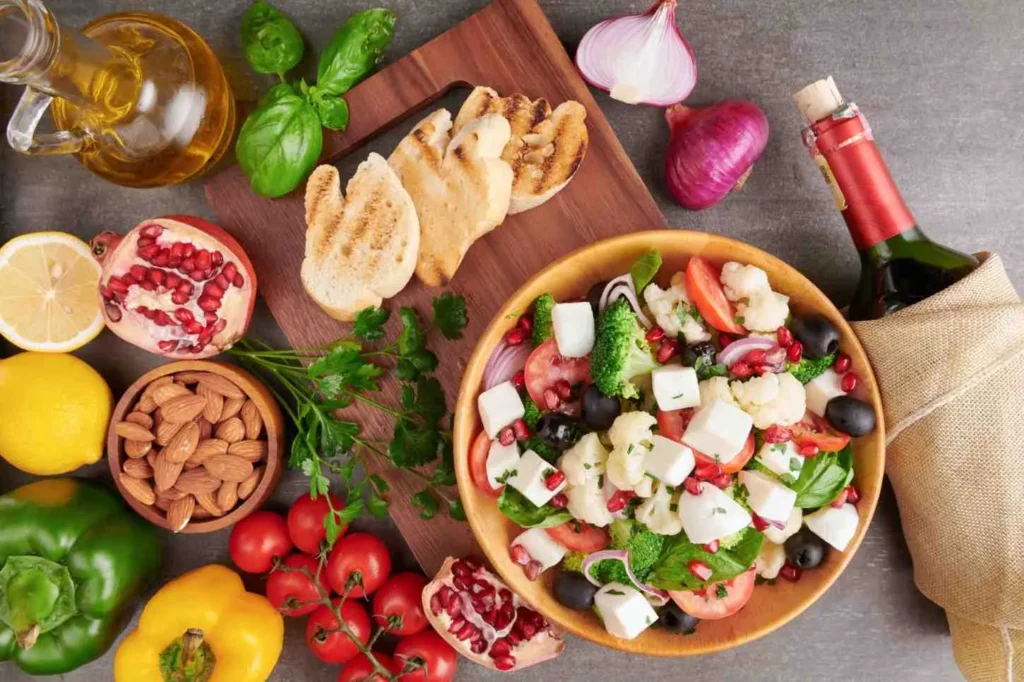
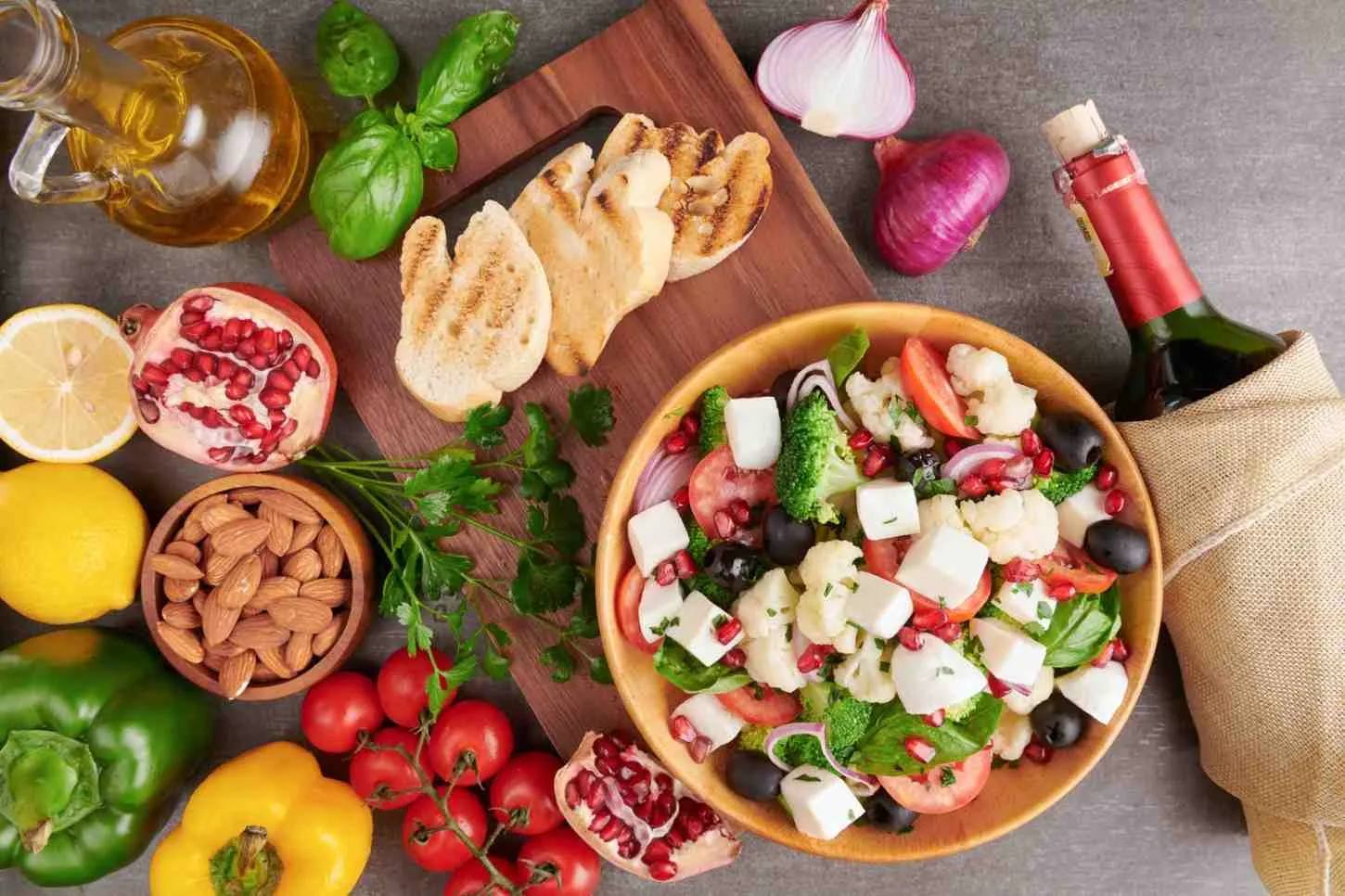
Although the dishes vary widely, many Mediterranean cuisines share ingredients such as olive oil, vegetables, legumes, grains, herbs, seafood, nuts, yogurt, cheese, and simply prepared meats. Freshness, seasonality, and straightforward cooking methods are common themes across the region.
What Is Mediterranean Food?
Mediterranean food refers to the cuisines and cooking traditions that developed around the Mediterranean Sea. It includes foods from Southern Europe, the Eastern Mediterranean, and North Africa, so there is no single recipe or ingredient that defines every Mediterranean dish.
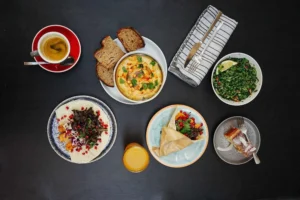
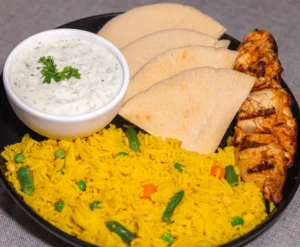
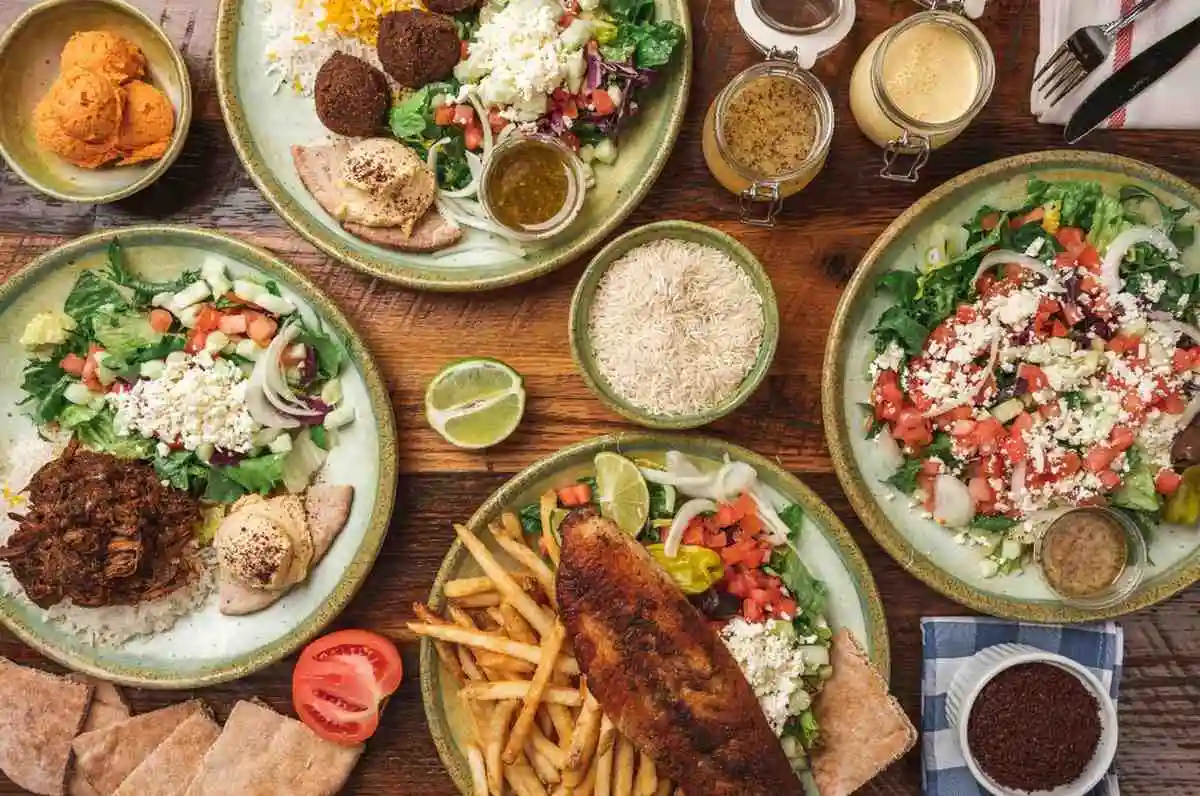
Common foods include fresh salads, hummus, falafel, grilled meats, seafood, rice and grain dishes, flatbreads, vegetable dishes, dips, and pastries. The exact ingredients and flavors depend on the country and local tradition.
If you want to see how these foods come together in restaurant dishes, explore our Mediterranean menu.
The Origins and History of Mediterranean Food
Mediterranean cuisine developed through centuries of trade, migration, agriculture, and cultural exchange between communities around the Mediterranean Sea.
Olives, wheat, grapes, legumes, herbs, spices, nuts, and fruits moved between regions through ancient trade routes. Later influences from Greek, Roman, Arab, Ottoman, North African, and European food traditions helped shape the cuisines people recognize today.
This is why similar ingredients or cooking methods may appear in several countries while producing very different dishes.
What Countries Is Mediterranean Food From?
Mediterranean food does not come from one country. It represents food traditions from many countries around the Mediterranean Sea.
They can be grouped broadly into:
- Southern Europe: Greece, Italy, Spain, southern France, Malta, and parts of the Balkans.
- Eastern Mediterranean: Lebanon, Syria, Turkey, Cyprus, Israel, the Palestinian territories, and neighboring culinary traditions.
- North Africa: Egypt, Morocco, Tunisia, Algeria, and Libya.
Each region has its own recipes, ingredients, and food culture, which is why Mediterranean cuisine can look very different from one country to another.
What Is Eastern Mediterranean Food?
Eastern Mediterranean food generally refers to cuisines from the eastern side of the Mediterranean, including Lebanese, Syrian, Turkish, Cypriot, Greek, Israeli, and Palestinian food traditions.
Common foods include hummus, tahini, pita and other flatbreads, yogurt, olives, grilled meats, legumes, fresh herbs, and vegetable-based dishes. These cuisines share many ingredients but are not interchangeable; each has its own history and preparation methods.
Key Ingredients That Define Mediterranean Food
Mediterranean cuisines use different ingredients depending on the country, but several foods appear repeatedly throughout the region.
Olive Oil
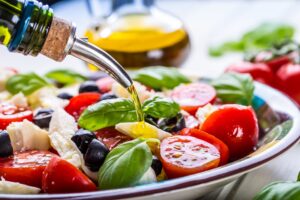
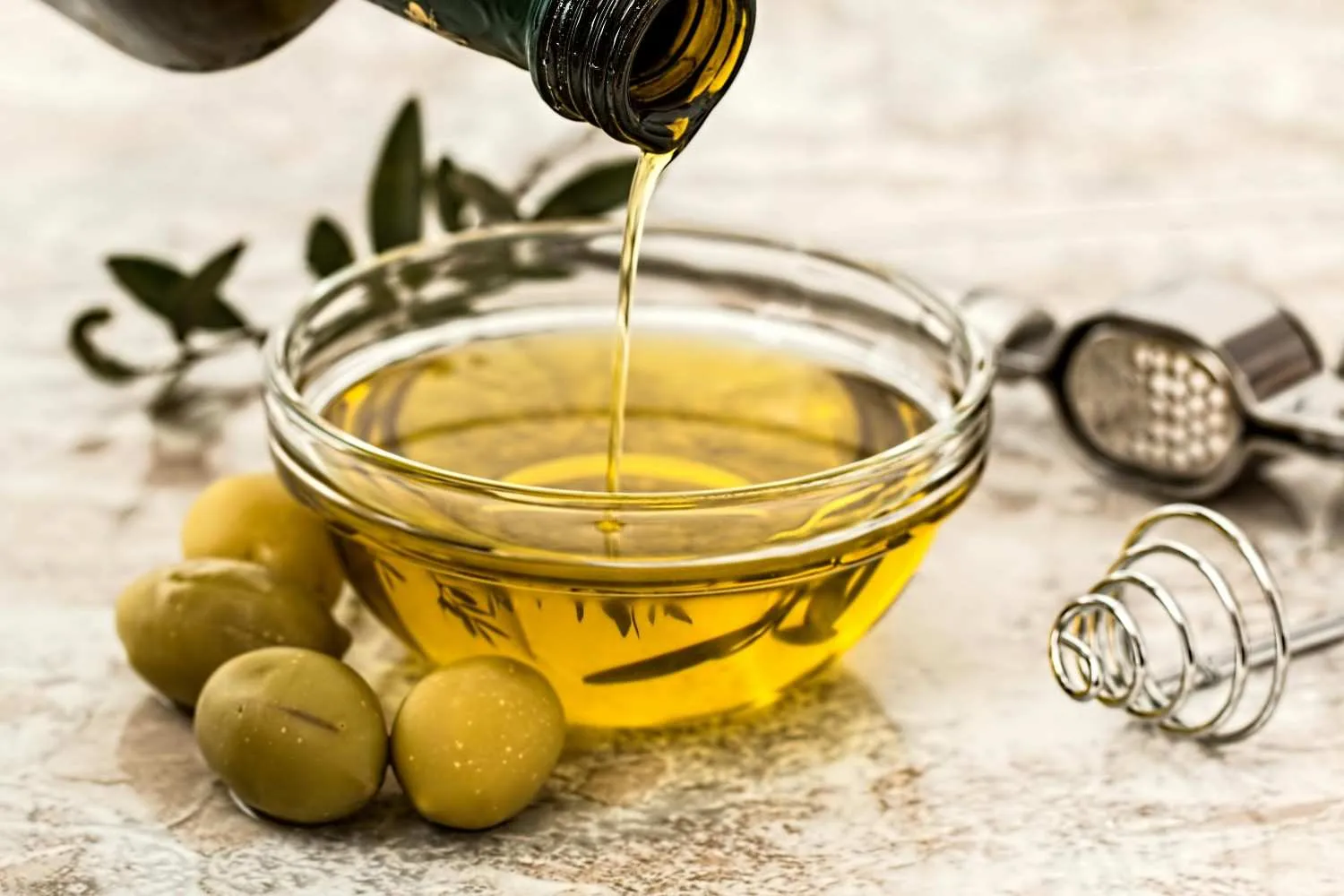
Olive oil is one of the most recognizable Mediterranean ingredients. It is used in dressings, marinades, roasted vegetables, grilled dishes, sauces, and dips.
Extra virgin olive oil is also commonly used as a finishing ingredient because of its distinct flavor.
Fresh Vegetables and Herbs
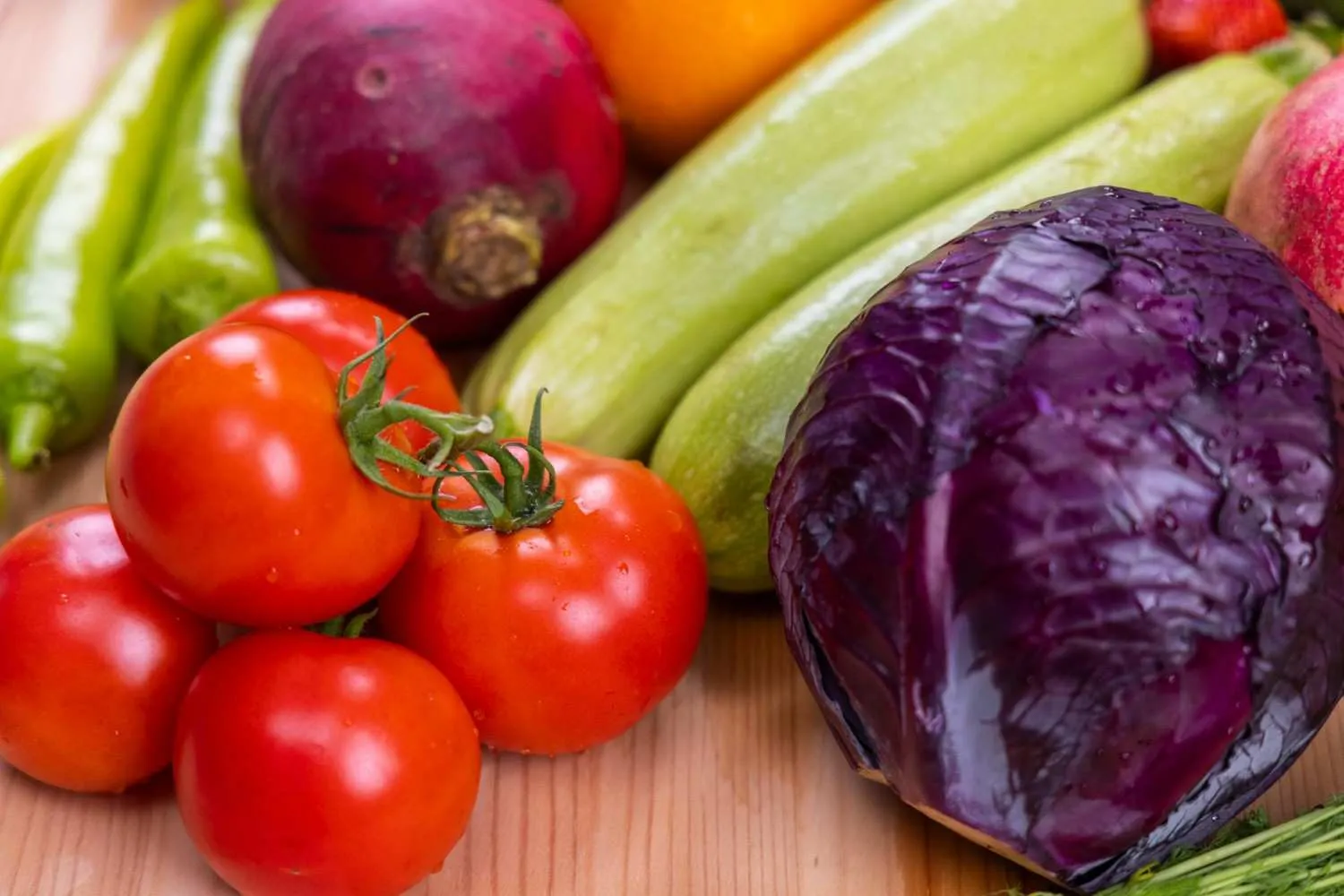
Tomatoes, cucumbers, peppers, eggplant, onions, leafy greens, parsley, mint, oregano, basil, and other herbs appear throughout Mediterranean cooking.
They are used in salads, grilled dishes, soups, stews, dips, and vegetable-based side dishes.
Legumes and Grains
Chickpeas, lentils, beans, bulgur, rice, couscous, and wheat-based breads are staples across many Mediterranean cuisines.
They can form the base of a meal or appear in salads, soups, mezze, side dishes, and fillings.
Proteins
Fish and seafood are especially common in coastal cuisines, while chicken, lamb, beef, and eggs are also widely used.
Grilling, roasting, braising, and cooking meats on skewers are common preparation methods.
Nuts, Seeds, and Dairy
Sesame and tahini are widely used in Eastern Mediterranean cooking, while almonds, walnuts, and pistachios appear in both savory dishes and desserts.
Yogurt and cheeses such as feta add creamy, tangy flavors to salads, sauces, dips, and baked dishes.
What Makes a Dish Mediterranean?
A dish is not Mediterranean simply because it contains olive oil or hummus. Its ingredients, regional roots, and preparation style matter more than any single ingredient.
Mediterranean dishes often feature:
- Fresh vegetables and herbs
- Olive oil
- Beans, chickpeas, or lentils
- Rice, bulgur, bread, or other grains
- Seafood or simply prepared meats
- Nuts and seeds
- Garlic, lemon, and aromatic spices
- Grilling, roasting, baking, or slow cooking
The exact combination depends on the region, which is why Mediterranean cooking is better understood as a family of related cuisines rather than one standardized menu.
What Does Mediterranean Food Taste Like?
Mediterranean food is usually fresh, savory, aromatic, and well balanced. Common flavors include lemon, garlic, olive oil, fresh herbs, yogurt, tahini, toasted nuts, and warm spices.
Some dishes are bright and citrusy, while others are earthy, smoky, creamy, or herbaceous. Mediterranean food is not necessarily spicy-hot; many recipes rely more on herbs, acidity, garlic, and aromatic spices than chili heat.
Popular Mediterranean Foods and Dishes
Mediterranean cuisine includes everything from dips and salads to grilled meats, seafood, grain dishes, street food, and desserts. Here are some of the best-known examples.
Hummus
Hummus is a creamy chickpea dip traditionally made with tahini, lemon juice, garlic, and olive oil. It is commonly served with pita, vegetables, falafel, or grilled dishes.
Learn more about its ingredients and origins in our guide to what hummus is.
Falafel
Falafel consists of seasoned chickpea or fava bean patties fried until crisp on the outside and tender inside.
It is commonly served in pita bread, on platters, or alongside tahini, hummus, salads, and pickled vegetables.
Shawarma and Gyros
Shawarma and gyros are both spit-roasted meat dishes, but they belong to different culinary traditions.
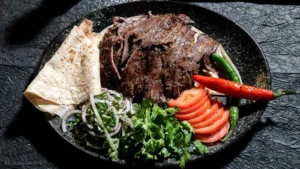
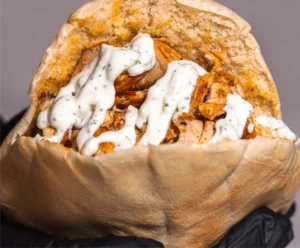
Shawarma is associated with the Eastern Mediterranean and Middle East, while gyros are Greek. Their meats, seasonings, breads, sauces, and accompaniments can vary significantly.
Greek Salad and Tabbouleh
Fresh salads are common throughout Mediterranean meals.
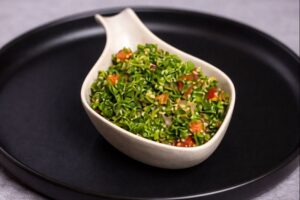
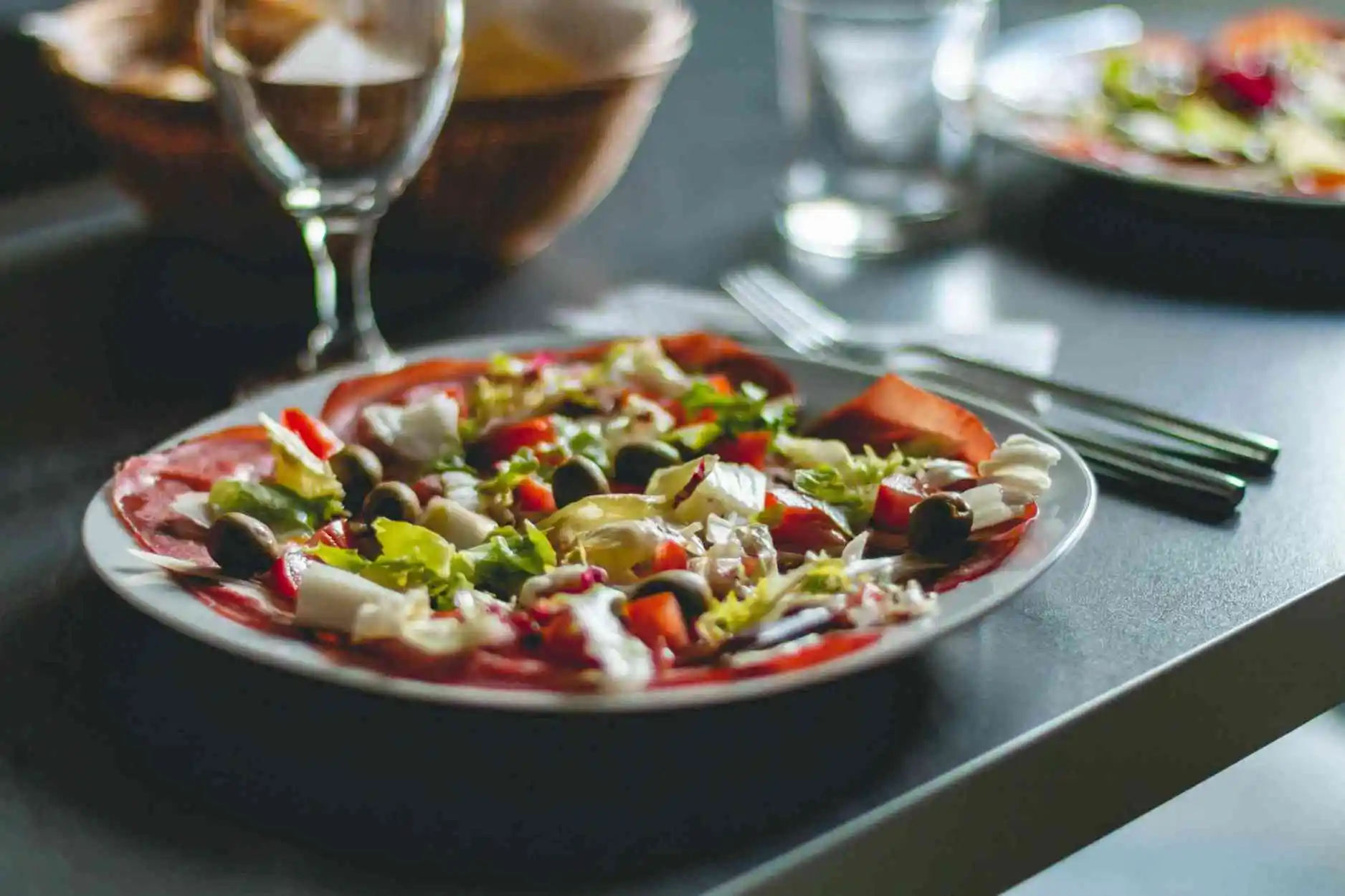
Greek salad usually combines tomatoes, cucumbers, onions, olives, and feta. Tabbouleh is a Levantine salad centered on parsley, with bulgur, mint, tomatoes, lemon juice, and olive oil.
Grilled Fish and Seafood
Fish and seafood are important in many coastal Mediterranean cuisines.
They are often grilled, baked, or roasted with olive oil, lemon, garlic, and herbs. Regional examples include whole grilled fish, seafood stews, shrimp dishes, and Spanish rice dishes with seafood.
Rice, Grain, and Vegetable Dishes
Rice, bulgur, couscous, lentils, and vegetables form the basis of many Mediterranean dishes.
Examples include paella, koshari, couscous, pilafs, stuffed vegetables, baked eggplant dishes, and vegetable casseroles.
Mediterranean Desserts
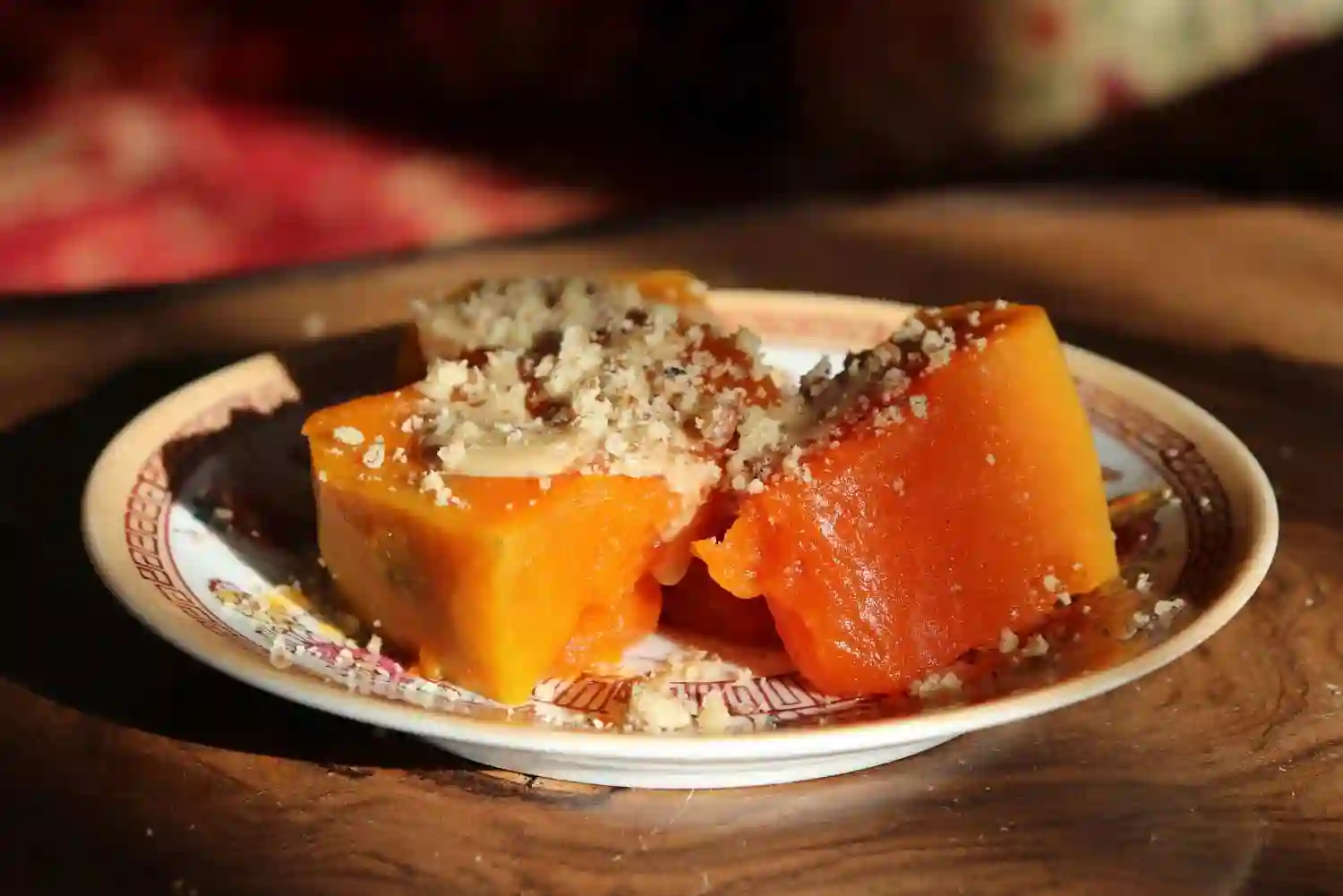
Mediterranean sweets range from fresh fruit and yogurt to rich pastries made with phyllo, nuts, semolina, cheese, honey, or syrup.
Baklava, kunafa, ma’amoul, halva, rice pudding, and olive oil cakes are just a few examples. Explore more in our guide to Mediterranean desserts.

Mediterranean Food vs. Mediterranean Diet
Mediterranean food describes the cuisines and traditional dishes of the Mediterranean region. The Mediterranean diet is an eating pattern inspired by some traditional food habits from that region.
|
Mediterranean Food |
Mediterranean Diet |
|
A group of regional cuisines |
A structured eating pattern |
|
Includes traditional and celebratory foods |
Emphasizes foods eaten more regularly |
|
Can include fried foods, pastries, and rich dishes |
Prioritizes vegetables, legumes, whole grains, olive oil, nuts, and fish |
|
Varies greatly by country |
Uses broad nutritional principles |
|
Focuses on culinary culture |
Focuses primarily on eating habits |
Mediterranean cuisine therefore includes many foods that may not necessarily fit the everyday recommendations associated with the Mediterranean diet.
Is Mediterranean Food Healthy?
Mediterranean food can be nutritious, particularly when meals center on vegetables, legumes, grains, olive oil, nuts, seafood, and minimally processed ingredients.
However, “Mediterranean” does not automatically mean healthy. Fried foods, large portions, refined breads, salty meats, creamy sauces, and syrup-soaked desserts may still be high in sodium, sugar, saturated fat, or calories.
Key Nutritional Characteristics of Mediterranean Meals
Healthier Mediterranean meals often feature:
- Plenty of vegetables and fruit
- Chickpeas, beans, and lentils
- Whole grains
- Olive oil
- Nuts and seeds
- Fish and seafood
- Fresh herbs and spices
- Less dependence on highly processed foods
The overall meal pattern matters more than any individual ingredient.
Greek Food vs. Mediterranean Food
Greek food is one type of Mediterranean cuisine, but Mediterranean food includes much more than Greek food.
Greek cuisine shares olive oil, herbs, vegetables, yogurt, seafood, grains, and grilled meats with other regional cuisines. At the same time, dishes such as moussaka, souvlaki, spanakopita, and horiatiki salad belong specifically to Greek culinary traditions.
Mediterranean cuisine also includes Italian, Spanish, Turkish, Lebanese, North African, and other regional cuisines.
Mediterranean Food vs. Middle Eastern Food
Mediterranean and Middle Eastern cuisines overlap, but they are not the same category.
|
Mediterranean Food |
Middle Eastern Food |
|
Includes cuisines around the Mediterranean Sea |
Includes cuisines across a broader Middle Eastern region |
|
Covers Southern Europe, North Africa, Turkey, and parts of the Levant |
Includes the Levant, Arabian Peninsula, Iraq, Iran, and neighboring areas |
|
Uses olive oil, seafood, grains, vegetables, herbs, and dairy |
Often features grains, legumes, meats, tahini, yogurt, nuts, and aromatic spices |
|
Includes foods such as Greek salad, paella, pasta, hummus, and baklava |
Includes foods such as hummus, falafel, shawarma, kebabs, and ma’amoul |
Some dishes belong comfortably to both categories because of geography, trade, and shared culinary history.
Is Mediterranean Food Vegetarian, Gluten-Free, or Halal?
Mediterranean cuisine includes many options for different dietary needs, but ingredients vary widely by dish and restaurant.
Mediterranean Vegetarian Food
Vegetarian Mediterranean options are common because many dishes are naturally based on vegetables, legumes, grains, herbs, dairy, and olive oil.
Hummus, falafel, lentil soups, Greek salad, tabbouleh, baba ghanoush, stuffed vegetables, and many mezze dishes can be vegetarian.
What Mediterranean Food Is Gluten-Free?
Naturally gluten-free options may include grilled meats, seafood, rice, hummus, roasted vegetables, many salads, yogurt dishes, and lentil-based foods.
Pita, bulgur, couscous, pastries, and some sauces contain gluten, while cross-contact can also occur in shared kitchens.
Is Mediterranean Food Halal?
Mediterranean food is not automatically halal because “Mediterranean” refers to geography and cuisine rather than a religious food standard.
Some dishes may be halal when prepared with halal-certified meat and permitted ingredients, while others may contain pork, alcohol, or non-halal meat. Always confirm preparation practices with the restaurant.
What Makes Mediterranean Food Special?
What makes Mediterranean cuisine distinctive is not one ingredient but the way regional cooking traditions combine freshness, simplicity, and variety.
Meals often bring together warm and cool elements, such as grilled meat with fresh salad, warm pita with creamy dips, or roasted vegetables finished with lemon and herbs.
Food also plays a strong social role throughout many Mediterranean cultures. Shared plates, family meals, seasonal ingredients, and hospitality are as much a part of the experience as the recipes themselves.
Mediterranean Food in San Diego
Micheline’s Pita House serves Mediterranean-inspired meals built around fresh salads, grilled proteins, grains, vegetables, pita, and flavorful sauces.
If you’re dining nearby, you can find a Micheline’s Pita House location in the San Diego area.
Planning lunch for a team, family celebration, or larger gathering? Explore our Mediterranean catering in San Diego for group meal options.
Mediterranean cuisine covers far more than one country or one familiar dish. From hummus and falafel to seafood, salads, grilled meats, grains, and desserts, it reflects centuries of regional traditions connected by shared ingredients and the Mediterranean Sea.
Frequently Asked Questions About Mediterranean Food
What Is Considered Mediterranean Food?
Mediterranean food includes traditional dishes and cooking styles from countries around the Mediterranean Sea. Common ingredients include olive oil, vegetables, legumes, grains, seafood, herbs, nuts, yogurt, cheese, and simply prepared meats.
What Are Some Examples of Mediterranean Food?
Popular examples include hummus, falafel, shawarma, gyros, Greek salad, tabbouleh, kebabs, grilled fish, stuffed vegetables, rice dishes, baba ghanoush, and baklava.
Where Does Mediterranean Food Come From?
Mediterranean food comes from many regions surrounding the Mediterranean Sea, including Southern Europe, the Eastern Mediterranean, and North Africa. It does not originate from one specific country.
Is Greek Food Mediterranean?
Yes. Greek cuisine is one of many Mediterranean cuisines. Mediterranean food also includes traditions from Italy, Spain, Turkey, Lebanon, North Africa, and other parts of the region.
Is Mediterranean Food the Same as Middle Eastern Food?
No. The two overlap, particularly in the Levant and Eastern Mediterranean, but Middle Eastern cuisine covers a wider geographic region, while Mediterranean cuisine also includes Southern European and North African cuisines.
Is Mediterranean Food Healthy?
It can be. Meals built around vegetables, legumes, whole grains, olive oil, nuts, and fish can be nutritious, but fried foods, large portions, rich sauces, and desserts may still be high in calories, sodium, fat, or sugar.
Is Mediterranean Food Halal?
Not automatically. Some Mediterranean dishes may be halal, but others may include pork, alcohol, or meat that is not halal-certified. Always confirm ingredients and preparation with the restaurant.
What Is Usually on a Mediterranean Food Menu?
A typical menu may include hummus, falafel, salads, pita, grilled chicken or lamb, kebabs, shawarma, rice, roasted vegetables, dips, seafood, and desserts such as baklava.