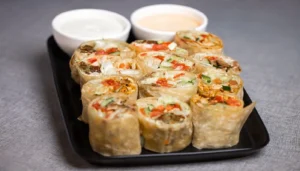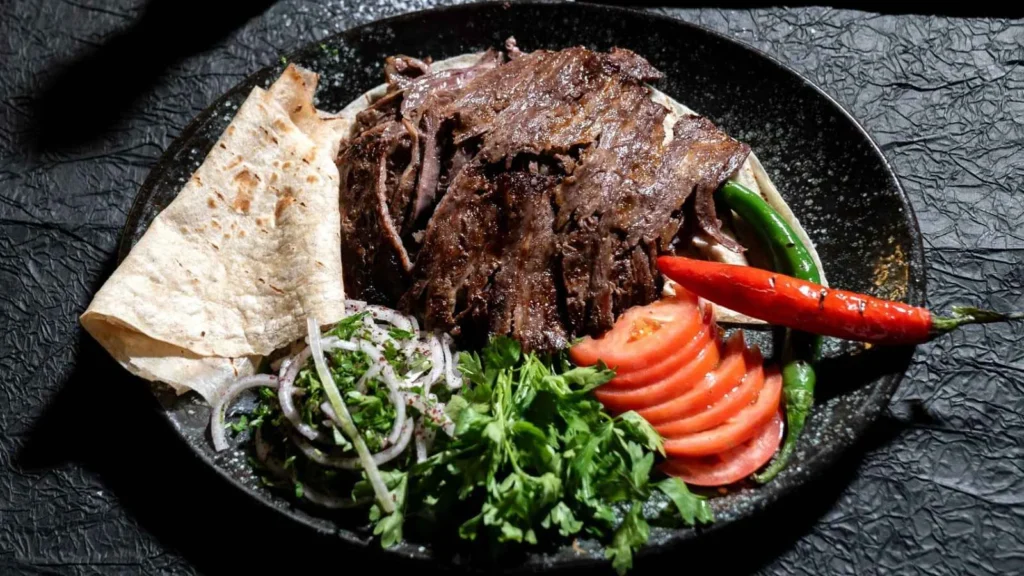
The cooking method may look similar, but the eating experience can be quite different. Understanding the differences between shawarma vs gyro vs doner can help you choose the right dish based on the flavors and ingredients you enjoy most
What is shawarma?
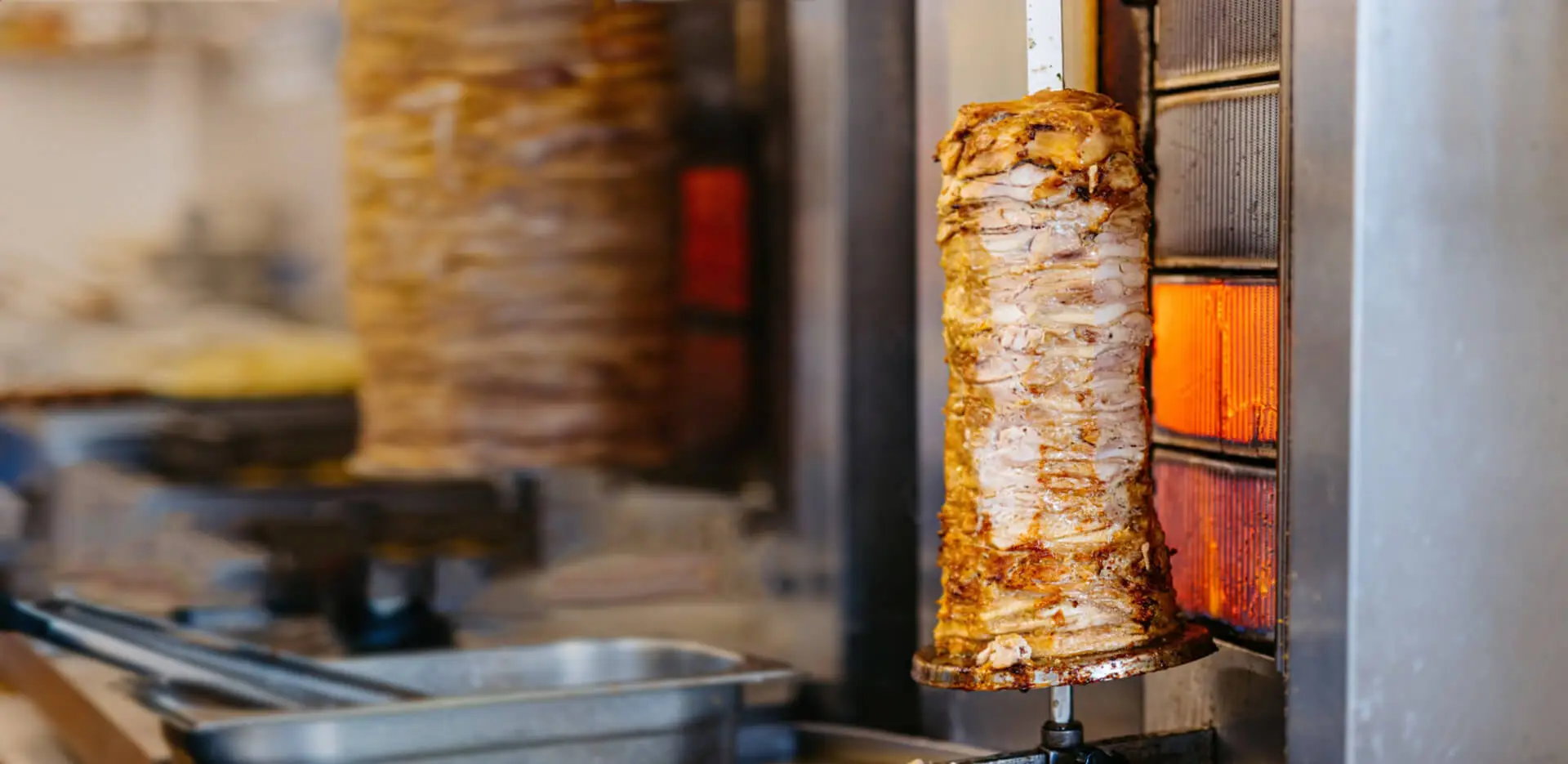
Shawarma is a popular Middle Eastern street food made by stacking thin cuts of seasoned meat onto a tall vertical spit. Common choices include chicken, beef, lamb, and, in some regional preparations, turkey. The meat slowly rotates as it cooks, allowing the outside to develop flavorful, browned edges while keeping the interior tender.
As each outer layer finishes cooking, it is shaved into thin slices and served in a warm pita, flatbread, or on a plate with vegetables, sauces, and other Mediterranean sides. The combination of tender meat, aromatic spices, fresh toppings, and tangy or creamy sauces gives shawarma its distinctive character.
For a closer look at this classic preparation, explore Pita House’s shawarma made with Mediterranean-inspired flavors.
What meat is used in shawarma?
When comparing shawarma vs gyro meat, the biggest difference is the variety of proteins traditionally used. Shawarma can be made with chicken, beef, or lamb, depending on the region and recipe. Chicken and beef are especially common in U.S. restaurants, while lamb remains a traditional choice in many Middle Eastern preparations.
The type of meat influences the final flavor and texture. Chicken shawarma is typically tender and lighter, while beef and lamb offer a richer, more robust taste. Regardless of the protein, shawarma is defined by thinly sliced meat, aromatic seasoning, and slow roasting on a vertical spit.
How shawarma is seasoned and prepared
Shawarma starts with thin cuts of meat that are marinated with a combination of spices, aromatics, citrus, and oil. Exact spice blends vary, but common ingredients can include cumin, coriander, cardamom, paprika, turmeric, garlic, and other Middle Eastern spices.
The seasoned meat is layered onto a vertical spit and slowly roasted as it rotates. The cooked exterior is shaved into thin strips throughout service, creating a combination of tender meat and flavorful browned edges. This slow roasting method is central to the texture and flavor associated with traditional shawarma.
Where shawarma comes from
Shawarma originated in the Middle East and is closely connected to the broader tradition of cooking meat on a rotating vertical spit. The technique developed within the Ottoman culinary world and became an important part of food traditions across the Levant and surrounding regions.
Today, shawarma is enjoyed throughout countries such as Lebanon, Palestine, Jordan, Syria, and beyond, with each region and restaurant adapting the seasoning, meat, sauces, and accompaniments to its own culinary traditions.
How shawarma is served
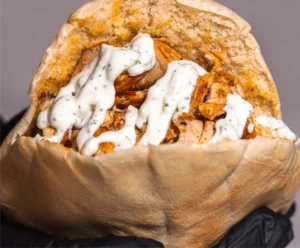
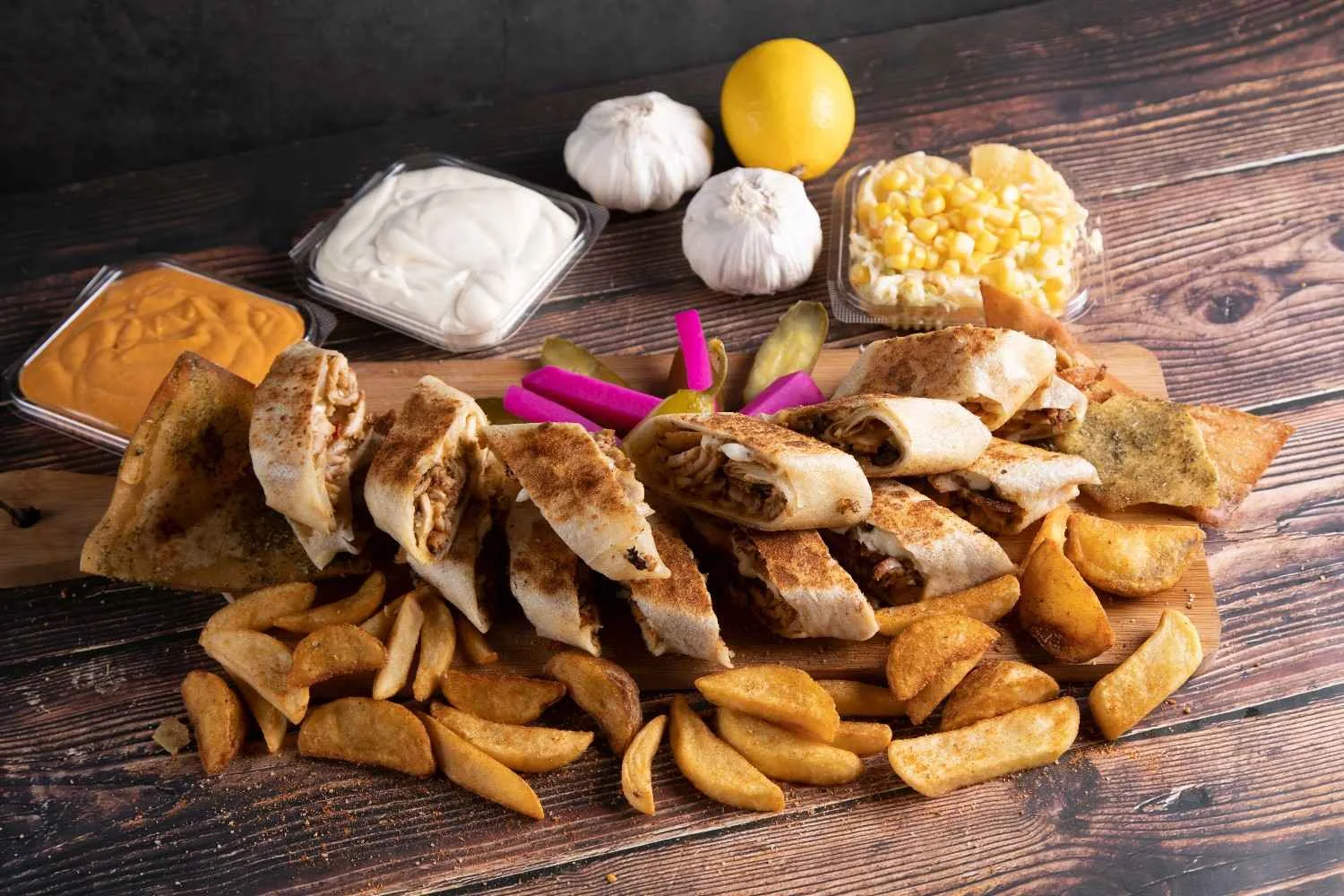
Shawarma is highly versatile and can be served in several ways. A classic preparation may feature shaved meat wrapped in pita with vegetables, pickles, and a sauce such as garlic sauce or tahini.
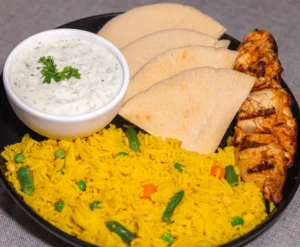
It can also be served as a plate with rice, salads, hummus, and other Mediterranean sides. This versatility makes shawarma suitable for a quick pita sandwich as well as a more complete Mediterranean meal.
Chicken vs meat shawarma: what’s the difference?
Chicken and beef shawarma share the same basic cooking technique, but their flavor and texture can be noticeably different. Chicken shawarma is generally tender, juicy, and lighter in flavor, allowing garlic, citrus, and aromatic spices to come through clearly. Beef shawarma has a richer, deeper, and more robust flavor, making it a satisfying choice for diners who prefer a heartier protein.
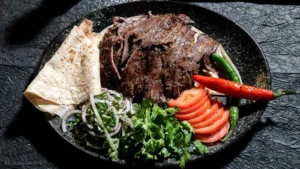
At Pita House, guests can choose between chicken and beef-based options depending on their preference. For a richer, steak-forward option, try the meat shawarma
What is a gyro?
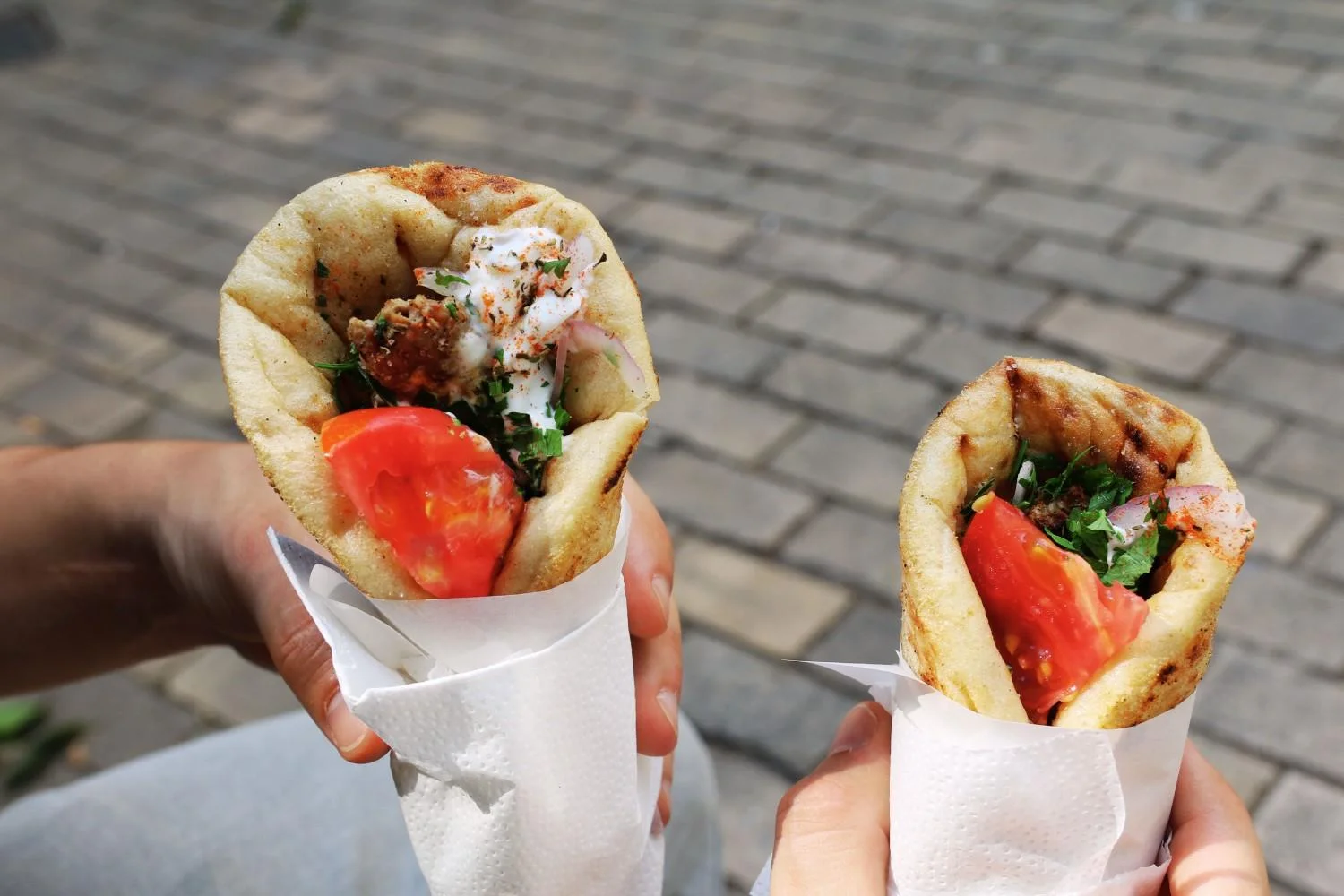
A gyro is a popular Greek street food made from seasoned meat cooked on a tall vertical rotating spit. As the meat cooks, thin slices are shaved from the outside and traditionally served in warm pita with tomatoes, onions, and tzatziki.
The word gyro relates to the turning or rotation of the meat as it cooks. While its preparation shares similarities with shawarma and other vertical-spit dishes, Greek gyros developed their own distinctive ingredients, seasonings, and serving style.
At Pita House, you can explore gyros as a pita sandwich, plate, or part of a customizable Mediterranean meal.
What meat is used in gyros?
The meat used in gyros varies depending on the region and restaurant. Traditional Greek gyros may feature pork or chicken, while American restaurants commonly offer beef-and-lamb blends or other variations.
Because gyro recipes differ, the meat itself is not the only way to identify a gyro. Its Greek culinary roots, herb-forward seasoning, vertical-spit preparation, pita, and classic tzatziki-based toppings all contribute to the dish’s identity.
How gyro meat is seasoned and prepared
Gyro seasoning generally leans toward Mediterranean herbs and aromatics. Garlic, oregano, thyme, rosemary, black pepper, and lemon are commonly associated with Greek-inspired flavor profiles, although recipes vary.
The seasoned meat is cooked on a vertical rotisserie, where the outside gradually browns while the interior remains tender. Thin slices are shaved from the cooked surface and assembled with fresh toppings and sauce.
Where gyros come from
Gyros originated in Greece and became one of the country’s best-known street foods. Their preparation is part of the larger vertical-spit cooking tradition shared with dishes such as Turkish doner and Middle Eastern shawarma.
Although these dishes are related, they evolved within different culinary cultures. Greek gyros developed their own recognizable combination of seasoned meat, pita, vegetables, and tzatziki.
How gyros are served
A classic gyro is typically served inside warm pita with sliced tomatoes, onions, and tzatziki. Depending on the restaurant, additional ingredients such as lettuce or fries may also be included.
Gyro can also be served as a plate alongside rice, salad, hummus, and other Mediterranean sides, giving diners more flexibility than the traditional handheld version.
What is doner kebab?
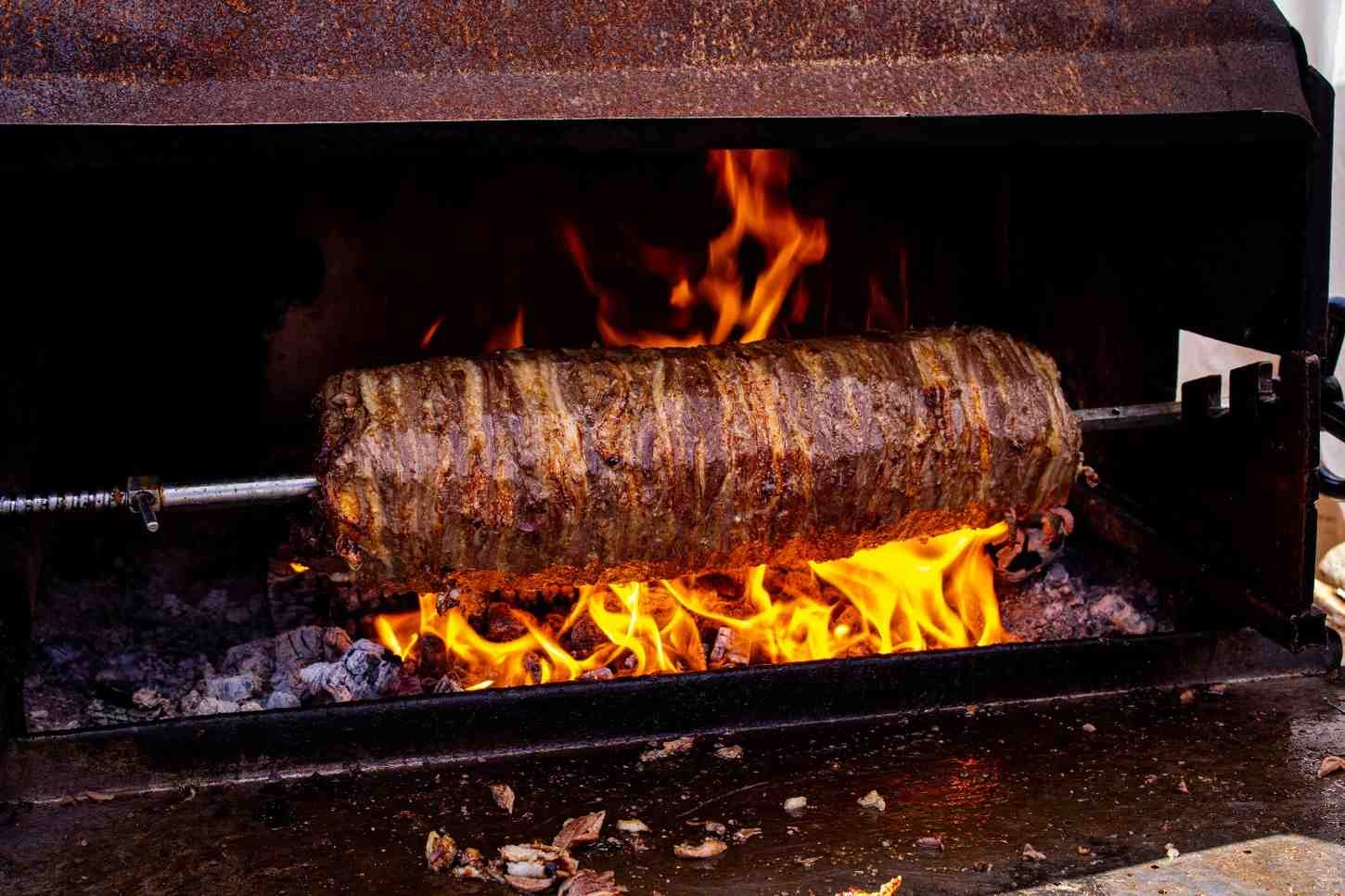
Doner kebab is a Turkish dish made from seasoned meat cooked slowly on a vertical rotating spit. As the outer layer cooks, it is shaved into thin slices and served in different ways, including inside bread or flatbread, as a plate, or alongside vegetables and other accompaniments.
The name doner comes from the Turkish word associated with turning or rotating, referring to the meat’s movement on the spit. Beef, lamb, and chicken are commonly used, although the exact meat, seasoning, and serving style vary by region and recipe.
What meat is used in doner kebab?
Doner can be prepared with beef, lamb, chicken, or a combination of meats. The meat is layered or formed onto the vertical spit and seasoned before being slowly cooked. This creates the characteristic contrast between a browned, flavorful exterior and tender slices underneath.
Where does doner come from?
Doner originated in Turkey and developed as a popular method of cooking seasoned meat on a vertical rotating spit. Over time, doner became an important part of Turkish street food culture and spread across Europe and other regions, where different countries developed their own versions and serving styles.
How is doner served?
Doner is commonly served in flatbread or bread with fresh vegetables, sauces, and other toppings, or plated alongside rice, salad, and sides. The exact accompaniments vary by region, but the defining feature remains the thinly sliced meat shaved from the rotating spit.
How is Doner different from Shawarma and Gyro?
The cooking method is one of the biggest similarities between doner, shawarma, and gyro, but their culinary traditions, seasonings, and serving styles set them apart. Doner is Turkish in origin, shawarma developed in the Middle East, and gyro is associated with Greek cuisine. The differences between doner and shawarma are especially noticeable in their traditional seasonings, meat preparation, and accompaniments, while gyro follows its own Greek culinary tradition.
Shawarma: Middle Eastern and boldly spiced
Shawarma is rooted in Middle Eastern cuisine and is commonly made with chicken, beef, or lamb. Its marinade typically features a blend of aromatic spices, garlic, citrus, and oil. The meat is slowly roasted on a vertical spit, then shaved and served with ingredients such as garlic sauce, tahini, pickles, and fresh vegetables.
Gyro: Greek and herb-forward
Gyro is a Greek specialty traditionally prepared with seasoned meat cooked on a vertical rotisserie. Depending on the recipe and region, it may feature pork, chicken, or a beef-and-lamb blend. Gyros are commonly served in pita with tomatoes, onions, and tzatziki, giving them a savory, herby flavor balanced by a cool and creamy sauce.
Doner: Turkish in origin
Doner kebab originated in Turkey and is also prepared by slowly cooking seasoned meat on a vertical rotating spit. The meat is shaved into thin slices and can be served in bread, flatbread, or as part of a plate. Doner can include beef, lamb, chicken, or combinations of meats, with seasonings and accompaniments varying by region.
| Feature | Shawarma | Gyro | Doner |
|---|---|---|---|
| Culinary origin | Middle Eastern | Greek | Turkish |
| Cooking method | Vertical spit | Vertical spit | Vertical spit |
| Common meats | Chicken, beef, lamb | Pork, chicken, beef/lamb | Beef, lamb, chicken |
| Flavor profile | Warm, aromatic spices | Savory and herb-forward | Savory, seasoned and regional |
| Common sauce | Garlic sauce or tahini | Tzatziki | Varies by preparation |
| Typical serving | Pita, wrap, plate, bowl | Pita, plate, bowl | Bread, flatbread, plate |
The Difference Between Gyro and Shawarma
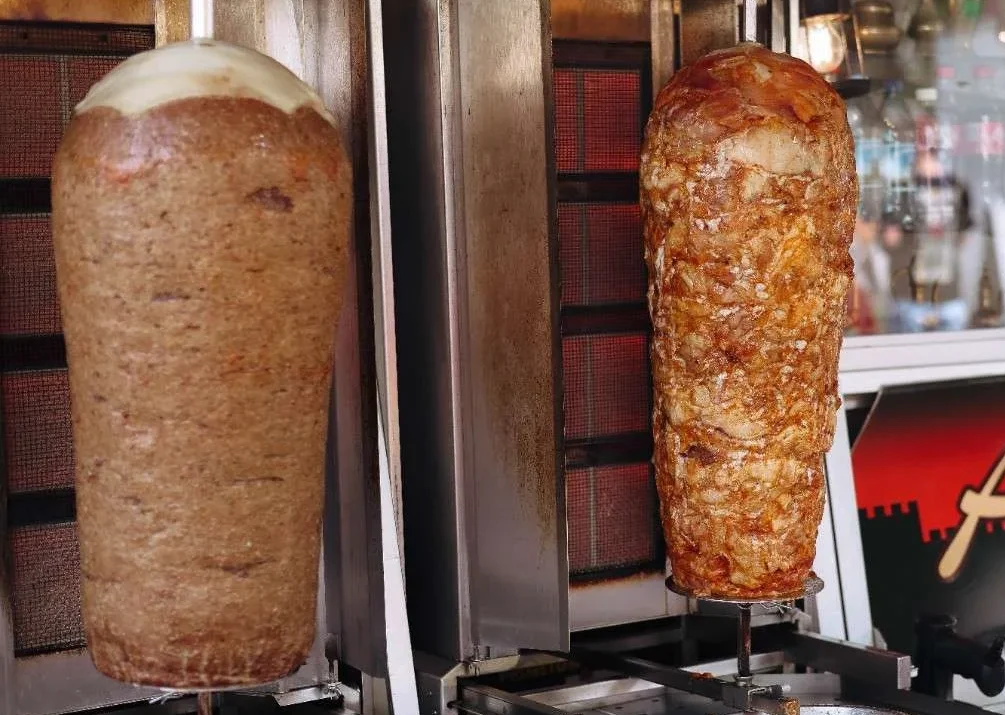
The easiest way to understand shawarma vs gyros is to compare their culinary traditions, seasoning, meat, and typical accompaniments.
| Feature | Shawarma | Gyro |
|---|---|---|
| Origin | Middle Eastern | Greek |
| Cooking method | Vertical rotisserie | Vertical rotisserie |
| Common meats | Chicken, beef, lamb | Chicken, pork, beef/lamb depending on recipe |
| Flavor profile | Warm, aromatic, heavily spiced | Herb-forward, savory, garlicky |
| Common seasonings | Cumin, coriander, cardamom, paprika | Oregano, thyme, rosemary, garlic |
| Common sauces | Garlic sauce, tahini | Tzatziki |
| Typical toppings | Pickles, vegetables, tahini, garlic sauce | Tomatoes, onions, tzatziki |
| Common serving style | Pita, wrap, plate, bowl | Pita, plate, bowl |
The biggest difference is not simply the meat. Shawarma and gyro developed from different regional food traditions, so their seasonings, sauces, toppings, and overall flavor profiles evolved differently.
Gyro and Shawarma Sauces and Toppings
Sauces and toppings can make the distinction between shawarma and gyro even more noticeable. The same basic rotisserie technique can produce two very different meals depending on what is added after the meat is shaved.
Gyro sauces and toppings
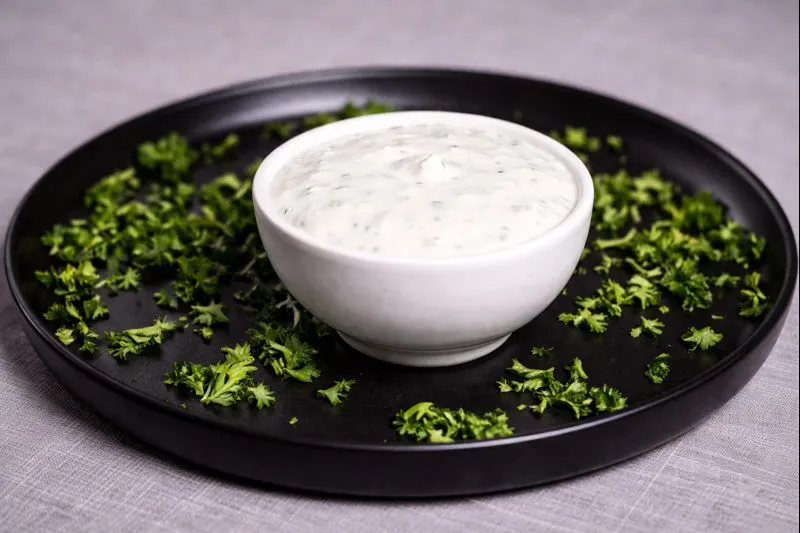
Gyros are most closely associated with tzatziki, a cool, creamy sauce traditionally made with yogurt, cucumber, garlic, and herbs. The freshness of tzatziki balances the savory seasoning of the meat and works particularly well with tomatoes and onions.
Try tzatziki with gyro for the classic creamy, tangy combination.
Shawarma Sauces and Toppings
Shawarma is commonly paired with garlic sauce, tahini, pickled vegetables, tomatoes, onions, parsley, and other fresh ingredients. Garlic sauce provides a creamy, intensely garlicky contrast to the warm spices in the meat, while tahini adds a nutty, slightly earthy flavor.
At Pita House, you can pair your meal with garlic sauce for an especially rich and savory combination.
Can you put tzatziki on shawarma?
You can customize shawarma with tzatziki, but it is more traditionally associated with gyros. Shawarma is commonly paired with garlic sauce or tahini, while tzatziki is a classic Greek gyro accompaniment. Modern Mediterranean restaurants may offer different combinations, allowing diners to customize their meal according to their preferences.
Shawarma vs gyro: what do they have in common?
Despite their differences, shawarma and gyro have more in common than many diners realize. Both belong to a broader tradition of vertical spit-roasted meat, where seasoned meat rotates slowly while cooked portions are shaved from the outside.
Popular Mediterranean street food
Both dishes became popular as convenient street foods because the rotating spit allows meat to cook continuously and be served fresh throughout the day. Today, shawarma and gyros are enjoyed far beyond their regions of origin.
Fresh vegetables and flavorful sauces
Neither dish is only about the meat. Fresh tomatoes, onions, herbs, pickles, sauces, and other toppings add texture and balance to the savory protein.
Served as wraps, plates, and bowls
While pita wraps are among the most recognizable presentations, both shawarma and gyro can be served as plates or bowls with rice, vegetables, salads, sauces, and other Mediterranean sides.

Shawarma or gyro: which one should you order?
The best choice comes down to the flavor profile you prefer.
Choose shawarma if you enjoy bold, warm spices, aromatic seasoning, tangy pickles, and garlic or tahini-based sauces. Chicken shawarma offers a tender and flavorful option, while beef shawarma provides a richer, more robust experience.
Choose gyro if you prefer savory, herb-seasoned meat paired with fresh tomatoes, onions, and cool, creamy tzatziki. Its Greek-inspired seasoning and refreshing toppings create a different but equally satisfying Mediterranean flavor profile.
If you are still undecided, trying both is the easiest way to discover which one suits your palate.
Micheline’s Pita House: Try The Best Shawarma and Gyro in San Diego
At Micheline’s Pita House, you don’t have to choose between learning about the difference and experiencing it for yourself. The menu brings together both chicken shawarma and gyros, allowing San Diego diners to explore two distinct Mediterranean flavor traditions in one casual setting.
Fresh toppings, sauces, and sides
Build your meal around seasoned proteins and complement them with fresh vegetables, sauces, salads, hummus, and other Mediterranean favorites. The combination allows you to create a meal that balances savory, fresh, creamy, and tangy flavors.
Pita sandwiches, plates, and rice bowls
Whether you’re craving a handheld meal or something more substantial, shawarma and gyros can be enjoyed in different formats. Choose a pita sandwich for a quick meal, a plate for a more complete spread, or a rice bowl with your preferred toppings and sides.
A customizable Mediterranean meal for every preference
Pita House makes it easy to customize your meal around the flavors you enjoy, whether that means chicken shawarma with garlic sauce, gyros with tzatziki, fresh salads, rice, hummus, or additional Mediterranean sides.
Craving chicken shawarma near you or a flavorful gyro near you? Visit Micheline’s Pita House at one of our San Diego locations for freshly prepared Mediterranean favorites, from warm pita sandwiches and savory shawarma to gyros, rice bowls, fresh salads, and house-made sauces. Find your nearest Pita House location and enjoy authentic Mediterranean flavors close to home.
Frequently asked questions
Is shawarma the same as gyro?
Shawarma and gyro are different dishes with different regional origins and culinary traditions. Shawarma comes from the Middle East and commonly features warm spices, garlic sauce, or tahini, while gyro is Greek and is traditionally associated with herb-seasoned meat, pita, tomatoes, onions, and tzatziki.
Which is healthier, gyro or shawarma?
Neither is automatically healthier because nutrition depends on the meat, portion size, sauces, and sides. Both can be part of a balanced Mediterranean-style meal when paired with vegetables, salads, and other nutrient-dense sides. Choosing grilled proteins and moderating richer sauces can help create a lighter meal.
What was first, shawarma or gyro?
The broader vertical-spit cooking tradition predates the modern dishes as they are known today. Shawarma developed in the Middle East from this tradition, while Greek gyros emerged later as a distinct Greek preparation. Both are related to the larger history of rotating spit-roasted meat.
Is gyro Greek or Lebanese?
Gyro is Greek, while shawarma is associated with Middle Eastern and Levantine cuisine, including Lebanese food traditions. The two dishes share a vertical rotisserie cooking method, but their seasoning, toppings, sauces, and culinary history developed differently.
What are the two types of shawarma?
There are many regional varieties of shawarma rather than only two fixed types. Chicken and beef shawarma are two common options in American restaurants, while lamb is also traditional in many Middle Eastern preparations. The meat, marinade, spice blend, and toppings can vary significantly by region and recipe.
What sauce is traditionally on a gyro?
Tzatziki is the classic sauce associated with Greek gyros. It is a cool, creamy sauce made with yogurt, cucumber, garlic, and herbs. Its tangy, refreshing flavor complements the savory gyro meat and traditional toppings such as tomatoes and onions.
What do the USA call shawarma?
In the United States, it is generally called shawarma, just as it is in many other countries. You may see it described as a shawarma wrap, chicken shawarma, beef shawarma, shawarma plate, or shawarma bowl depending on how it is served.
Which has more spices, shawarma or gyro?
Shawarma generally has a more complex warm-spice profile, often featuring ingredients such as cumin, coriander, cardamom, paprika, or turmeric. Gyro tends to have a more herb-forward seasoning profile with ingredients such as oregano, garlic, thyme, or rosemary. Exact recipes vary between restaurants and regions.
Which tastes better, shawarma or gyro?
It depends on your personal preference. Shawarma is a good choice if you enjoy warm spices, aromatic seasoning, garlic sauce, and pickled toppings. Gyro may suit you better if you prefer Greek herbs, savory meat, fresh tomatoes and onions, and creamy tzatziki.
Can you get both shawarma and gyro at the same restaurant?
Some Mediterranean restaurants offer both dishes, allowing diners to compare their different seasonings, sauces, and toppings. At Pita House, guests can choose between chicken shawarma and gyros and enjoy either in a pita sandwich, plate, or customizable Mediterranean meal.