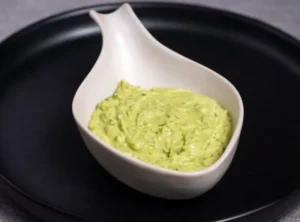
Tzatziki is one of those sauces people recognize instantly—even if they’re not sure what it’s called. At its core, it’s a creamy Greek yogurt–based sauce made from strained yogurt, finely grated cucumber, garlic, olive oil, and fresh herbs like dill or mint. Cool, tangy, and refreshing by design, tzatziki is a staple of Mediterranean cuisine and a natural partner for hot, grilled food.
It’s the spoonful that hits a hot gyro just right, the dip everyone reaches for first when warm pita hits the table, and the sauce that somehow makes grilled meat, falafel, and vegetables all feel lighter instead of heavier. Traditionally, it’s served as a sauce for gyros and souvlaki, a dip for pita bread, or a cooling side alongside seasoned plates.
In our kitchen at Micheline’s Pita House, tzatziki isn’t an afterthought or a garnish. We make it fresh, we serve it all day, and we see exactly how guests use it—inside wraps, over plates, and on the side for dipping. When it’s done right, tzatziki smells clean and lightly garlicky, feels thick and cooling, and balances heat instead of covering it up.
This guide breaks tzatziki down the way a real Mediterranean restaurant would:
- what tzatziki actually is
- what goes into it (and why each ingredient matters)
- how it’s used on gyros, plates, and catering trays
- and why freshness makes a bigger difference than most people realize
If you’ve ever wondered what makes good tzatziki taste so different from watery or bland versions—or how to order it the right way—you’re in the right place.
What Is Tzatziki Sauce?
Tzatziki is a cold, creamy Mediterranean sauce made from strained yogurt, fresh cucumber, garlic, and olive oil. It’s designed to cool and balance hot grilled foods like gyros, shawarma, and falafel.
In a real Mediterranean kitchen, tzatziki earns its place by contrast. You smell the garlic first, then the clean tang of yogurt. The texture should be thick enough to cling to warm meat without sliding off, and the taste should refresh—not mask—what it’s paired with.
At Micheline’s Pita House, tzatziki shows up everywhere guests expect it: tucked into a pita, spooned over plates, or served on the side for dipping. It’s not a mayo-heavy dressing or a sweet sauce. It’s meant to be bright, garlicky, and cooling—especially next to heat from the grill.
What tzatziki is (and isn’t):
- It is yogurt-based, cucumber-forward, and served cold.
- It’s not heavy, oily, or sugary.
- It’s meant to balance hot food, not cover it up.
You’ll most often see it alongside gyros and shawarma, or paired with falafel and warm pita. If you want to taste it the way it’s supposed to be eaten—fresh, cool, and balanced—this is the sauce.
Want to try it the way we serve it every day? See our tzatziki sauce on the menu, or explore how it fits into authentic mediterranean cuisine.
What Is Tzatziki Made Of?
Traditional tzatziki is made from strained yogurt, fresh cucumber, garlic, olive oil, and a touch of salt—sometimes finished with lemon or dill for brightness.
That short list is intentional. Tzatziki works because each ingredient does a specific job, and when one is off, you taste it immediately.
The core ingredients—and why they matter:
- Strained yogurt: This is the base. Thick, tangy yogurt gives tzatziki its body so it clings to hot food instead of running off.
- Fresh cucumber: Adds crunch and a clean, cooling bite. The key is removing excess moisture so the sauce stays thick.
- Garlic: Sharp and aromatic, but never overpowering. It should hit your nose before it hits your tongue.
- Olive oil: Rounds everything out and adds a subtle richness without heaviness.
- Salt: Brings the yogurt and cucumber into balance.
Optional (but common) additions:
- Lemon juice or vinegar for extra brightness
- Dill or mint for a fresh herbal note
When tzatziki tastes watery, bland, or sour, it’s usually because one of these steps was rushed—too much cucumber moisture, yogurt that wasn’t thick enough, or garlic that wasn’t balanced. In a Mediterranean kitchen, getting those details right is what separates good tzatziki from forgettable tzatziki.
Is Tzatziki the Same as Gyro Sauce?
In traditional Mediterranean and Greek cooking, tzatziki is the original sauce served on gyros. When a gyro tastes creamy, lightly garlicky, and cooling, you’re tasting tzatziki. In fact, in the United States, the two are often used interchangeably—many people simply refer to tzatziki as “gyro sauce.”
The confusion usually comes from shortcuts. Some fast-casual or non-Mediterranean spots use mayo-based “white sauces” and still label them gyro sauce. Those versions are heavier, sometimes sweeter, and miss the fresh bite that comes from yogurt and cucumber. Authentic gyros don’t rely on those substitutes.
Here’s the simple breakdown:
- Traditional gyro sauce: Tzatziki — yogurt, cucumber, garlic, olive oil
- Americanized gyro sauce: Often mayo-based, thicker, and less refreshing
- Mediterranean kitchens: Tzatziki is the standard
That’s why tzatziki works so well on a gyro. The meat is hot, seasoned, and rich. The sauce is cold, bright, and clean. One balances the other.
If you’ve ever had a gyro that felt heavy or one-note, chances are the sauce wasn’t tzatziki—or wasn’t made fresh.
You’ll taste the difference immediately on a gyros plate or when ordering gyros catering for a group. And if you’re curious how gyros compare to other Mediterranean favorites, this breakdown of shawarma vs gyro explains why tzatziki pairs differently with each.
How to Make Tzatziki Sauce (The Simple, Authentic Way)
Authentic tzatziki comes together by combining thick strained yogurt with finely grated, well-drained cucumber, fresh garlic, olive oil, and salt—mixed gently and kept cold until serving.
This isn’t a complicated sauce, but it is precise. In Mediterranean kitchens, tzatziki is treated more like a fresh condiment than a recipe you rush through.
A simple, restaurant-style method:
- Grate the cucumber finely, then squeeze out as much moisture as possible. This step matters more than anything else.
- Start with thick yogurt. If it’s loose, your tzatziki will be too.
- Add garlic gradually. You should smell it before you taste it.
- Drizzle in olive oil for roundness, not richness.
- Season lightly with salt, then taste and adjust.
- Chill before serving. Tzatziki tastes best cold, especially next to hot food.
That’s it. No cooking. No heavy seasoning. No shortcuts.
If tzatziki ever tastes watery or flat, it’s almost always because the cucumber wasn’t drained properly or the yogurt wasn’t thick enough. In a busy kitchen, we slow down just enough here—because once it hits the plate, there’s nowhere to hide.
What Good Tzatziki Should Taste and Feel Like
Good tzatziki should be thick, cool, and lightly garlicky—refreshing the moment it hits warm food, not watery, sour, or heavy.
This is where most versions fall short. You can spot great tzatziki before you even taste it.
Here’s what we look for in a finished bowl:
- Texture: Thick enough to cling to a spoon and hold its shape on hot meat. If it runs, it’s been diluted.
- Temperature: Always served cold. That chill is what balances grilled proteins.
- Garlic balance: You should smell garlic first, then taste it gently. It shouldn’t burn or linger.
- Cucumber bite: Clean and fresh, never mushy or dominant.
- Overall feel: Light, cooling, and clean—never greasy or heavy.
When tzatziki tastes watery, it’s almost always cucumber moisture. When it tastes too sour, the yogurt wasn’t balanced or it sat too long without adjusting. And when it feels heavy, it’s usually because something creamy was added that doesn’t belong.
Done right, tzatziki doesn’t steal the spotlight—it sets the stage. It lets the spices on the meat come through, cools the heat of the grill, and keeps each bite feeling fresh.
How We Make Tzatziki at Micheline’s Pita House – And Why It Tastes Different?
Our tzatziki tastes different because we make it fresh, in small batches, with strict control over texture, moisture, and garlic balance—so it cools hot food without watering it down.
At Micheline’s Pita House, tzatziki isn’t mixed once and forgotten. We prep it with the same mindset we bring to grilled meats and salads: freshness first, balance always.
Here’s what that means in a real kitchen:
- Cucumber moisture control is non-negotiable. We grate it fine and squeeze it thoroughly. Extra water is the fastest way to ruin tzatziki on a hot plate.
- We start with thick yogurt. The sauce needs body so it stays where it’s put—inside a wrap or over grilled meat.
- Garlic goes in gradually. You should smell it before you taste it. If it bites, it’s gone too far.
- Olive oil is a finisher, not a filler. Just enough to round things out without making it heavy.
- It stays cold until it’s served. That temperature contrast is what makes tzatziki work.
We taste as we go, because tzatziki doesn’t hide mistakes. If it’s off, you’ll notice it immediately when it hits something hot.
If you want to see it the way we serve it every day, our tzatziki sauce is available on the menu alongside our plates and wraps—and it’s one of those sauces guests tend to ask for again.
Why Tzatziki Is One of Our Most-Requested Sauces
Guests ask for tzatziki more than almost any other sauce because it’s light, familiar, and works across meats, veggies, and mixed diets.
We see it in how people order:
- Extra on the side “just in case”
- Inside wraps for moisture without heaviness
- Shared at the table with pita for dipping
It shows up on pita sandwiches, combo plates, and especially family meals, because it plays well with everything. Meat-eaters love how it cools grilled proteins. Vegetarians love how it adds richness without weight. Families love that it’s approachable.
That kind of versatility is why tzatziki rarely stays on the plate for long.
How Tzatziki Is Used in Mediterranean Restaurants
In Mediterranean restaurants, tzatziki is used as a spread, a topping, and a dip—depending on the dish—always to cool, balance, and brighten hot, seasoned food.
This is where tzatziki stops being “a sauce” and starts doing real work on the plate. How it’s used matters just as much as how it’s made.
Here’s how tzatziki shows up most often in real kitchens:
- Inside wraps and pitas: Spread directly on the bread so every bite stays moist and balanced, especially with grilled meats.
- On plates and combo meals: Spooned over protein or served alongside it, letting guests control how much they want.
- As a dip: Paired with warm pita or veggies for sharing—cool, clean, and endlessly scoopable.
Tzatziki is almost never poured or drowned over food. It’s applied with intention. Too much and it hides the seasoning. Too little and the dish feels dry. When it’s right, it quietly ties everything together.
You’ll see it used this way across classic Mediterranean dishes—from gyros and shawarma to falafel plates—because it complements spice and heat without competing for attention.
Tzatziki on Plates, Wraps, and Catering Trays
How you order tzatziki matters. Inside wraps it adds moisture, on plates it balances heat, and for catering it’s essential because it works for everyone at the table.
After serving tzatziki all day, every day, here’s what we recommend—straight from the line.
Inside Wraps & Pitas
- Best for: Chicken shawarma, gyros, falafel
- Why: A thin spread inside the bread keeps every bite juicy without weighing it down.
- Pro tip: Ask for it inside the wrap if you’re eating on the go—less mess, better balance.
Try it with a chicken shawarma plate or a ribeye steak shawarma when you want cooling contrast with bold seasoning.
On Plates & Combo Meals
- Best for: Grilled meats, mixed plates, sharing
- Why: Served on the side or spooned over protein, tzatziki lets you control each bite—dip, drizzle, or skip as you like.
- Pro tip: If you like heat from the grill, keep tzatziki on the side and add it gradually.
It’s a natural fit on combo plates where different textures and temperatures meet.
For Catering & Group Meals
- Best for: Mixed dietary groups, family-style spreads, office lunches
- Why: Tzatziki bridges the gap between meats, veggies, and pita. Everyone understands it, and everyone uses it.
- Pro tip: Don’t under-order it. It disappears fast once the trays are open.
For events, we always suggest including tzatziki with mediterranean catering and adding a dedicated tzatziki sauce catering container so guests can help themselves.
Why Fresh Tzatziki Matters More in a Mediterranean Kitchen
Fresh tzatziki matters because this sauce changes quickly—its texture, aroma, and balance all shift as it sits, and those changes show up immediately when it hits hot food.
In a Mediterranean kitchen, tzatziki isn’t something you make once and forget. It’s a fresh sauce, meant to be bright and cooling, and time works against it.
Here’s what happens when tzatziki isn’t fresh:
- It loosens up. Even well-drained cucumber releases moisture over time, thinning the sauce.
- The garlic sharpens. What smelled clean and aromatic can turn harsh if it sits too long.
- The yogurt dulls. That lively tang fades, especially next to hot grilled meats.
That’s why freshness matters so much on the line. When tzatziki is fresh, it lifts a dish. When it isn’t, it drags everything down.
At Micheline’s Pita House, we treat tzatziki the same way we treat salads and sauces meant to be served cold: small batches, cold holding, and constant tasting. It’s the only way to keep that clean contrast between cool sauce and hot food.
You notice the difference most on plates with grilled proteins or crispy falafel. Fresh tzatziki cools the heat, resets your palate, and makes each bite feel lighter—exactly what it’s supposed to do.
Is Tzatziki Sauce Healthy?
Yes—when it’s made the traditional way, tzatziki is one of the lighter, more balanced sauces in Mediterranean cooking. It’s yogurt-based rather than mayo-based, built from simple ingredients, and naturally higher in protein while staying relatively low in calories.
From a nutrition standpoint, tzatziki offers a lot for how little it adds. A small serving (about 2 tablespoons) is typically low in calories, while the strained yogurt provides protein and calcium, and the live cultures can support gut health. Fresh cucumber adds hydration and vitamins like A and C, while olive oil—used sparingly—helps with nutrient absorption without making the sauce heavy.
In practice, tzatziki feels healthy because of how it behaves on the plate. It cools hot food, adds moisture without grease, and lets grilled flavors come through instead of covering them up.
Why tzatziki fits a Mediterranean way of eating:
- Yogurt base: Provides protein and tang without heaviness.
- Fresh cucumber: Adds hydration and crunch, not calories.
- Olive oil (used lightly): Brings richness without turning the sauce oily.
- No sugar, no cream, no fillers: Just clean, familiar ingredients.
Compared to creamy dressings or heavy white sauces, tzatziki gives you richness and freshness at the same time. That’s why people naturally reach for it with grilled meats, roasted vegetables, and falafel—it satisfies without weighing the meal down.
At Micheline’s Pita House, we see guests choose tzatziki when they want balance. It’s especially popular with anyone eating Mediterranean-style—where food is about flavor, freshness, and feeling good after the meal, not just during it.
If you’re curious how tzatziki fits into the bigger picture, these guides break it down further:
How Long Does Tzatziki Last? (Freshness & Storage)
Fresh tzatziki tastes best the day it’s made, but when stored cold in an airtight container, it typically keeps well for 3–4 days before texture and flavor begin to change.
Tzatziki is a fresh sauce, not a shelf-stable one. Even when it’s made correctly, time works against it—especially because cucumber continues to release moisture.
What to expect over time:
- Day 1: Thick, bright, garlicky, and clean. This is peak tzatziki.
- Day 2: Still very good, but slightly looser as the cucumber releases water.
- Day 3–4: Flavor becomes more pronounced, garlic sharpens, and the sauce thins.
Some sources suggest tzatziki can last up to a week, but in practice, it’s best enjoyed within the first few days. After that point, the texture softens and the balance starts to fade—even if it’s still technically safe to eat.
How to keep it at its best:
- Store it cold and tightly covered in an airtight container.
- Give it a gentle stir before serving.
- If it loosens, a small spoon of thick yogurt can help rebalance it.
- If it smells sharp, tastes sour, or feels watery beyond recovery, it’s past its prime.
In a restaurant setting, freshness matters even more because tzatziki is almost always paired with hot food. When the sauce is fresh, it cools and balances. When it isn’t, it waters things down. That’s why timing and temperature matter just as much as the ingredients themselves.
Why Tzatziki Is a Go-To Sauce for Catering
Tzatziki works so well for catering because it pairs with nearly everything, fits mixed diets, and brings balance to large, shared meals.
When food is served family-style, sauces do a lot of the heavy lifting—and tzatziki is one of the most reliable.
Why it shows up on nearly every Mediterranean spread:
- Universally familiar: Guests know what it is and how to use it.
- Diet-friendly: Works for meat-eaters, vegetarians, and lighter eaters alike.
- Versatile: Equally good with grilled meats, falafel, vegetables, and pita.
- Cooling: Balances spice and heat across the whole table.
For groups, we always recommend including tzatziki alongside proteins and bread so guests can customize each bite. It disappears quickly once trays are open, which is why adding an extra container is rarely a mistake.
If you’re planning a group order, tzatziki fits naturally with:
What is Tzatziki – Frequently Asked Questions
What Is Tzatziki Made Of?
Tzatziki is a thick, creamy sauce made from strained Greek yogurt, finely grated cucumber, garlic, olive oil, and fresh herbs such as dill, mint, or parsley. Lightly seasoned with salt and a touch of lemon juice or vinegar, it has a cool, tangy, and gently garlicky flavor that’s traditionally served with warm pita or alongside grilled meats.
What Does Tzatziki Taste Like?
Tzatziki is a cool, creamy Greek sauce with a bright, tangy flavor, built around fresh cucumber, garlic, and herbs like dill or mint blended into thick, strained yogurt. Lightly savory with a gentle acidity, it’s often compared to a fresher, lighter alternative to heavier sauces like sour cream or ranch, without losing richness or balance.
What Does Tzatziki Taste Like to Eat?
Tzatziki tastes cool and creamy with a refreshing, tangy edge. You’ll notice the crispness of fresh cucumber, the aroma of garlic, and subtle herbal notes from dill or mint, all balanced by the gentle acidity of yogurt and lemon. It’s savory yet light—rich enough to satisfy, but fresh enough to cut through spicy or fatty foods like gyros and grilled meats.
How Are You Supposed to Eat Tzatziki?
Traditionally, tzatziki is eaten:
- Spread inside pita or wraps
- Spoon-served alongside grilled meats
- Used as a dip with warm bread or vegetables
It’s rarely eaten alone and almost always paired with something hot or warm.
What Is Tzatziki Normally Eaten With?
Tzatziki is most commonly eaten with:
- Gyros and shawarma
- Falafel
- Grilled chicken or beef
- Warm pita bread
- Roasted or fresh vegetables
That hot-and-cold contrast is the whole point.
Do Greek People Eat Tzatziki by Itself?
Not usually. In Greek and Mediterranean cooking, tzatziki is a supporting sauce, not a standalone dish. It’s meant to complement meat, bread, or vegetables—not replace them.
What Do You Put Tzatziki Dip On?
Tzatziki works well on:
- Pita bread
- Grilled meats
- Falafel
- Sandwiches and wraps
- Vegetable plates
It’s versatile because it adds moisture and freshness without heaviness.
What Food Is Topped With Tzatziki?
Tzatziki is commonly topped on:
- Gyros
- Chicken shawarma
- Beef or lamb plates
- Falafel bowls
It’s usually spooned on lightly or served on the side so you control each bite.
What Bread Do You Eat with Tzatziki?
The classic pairing is pita bread, soft, warm, and perfect for dipping or spreading. Flatbreads work best because they don’t compete with the sauce.
What Kind of Yogurt Is Best for Tzatziki?
Thick, strained yogurt is best. Greek-style yogurt works because it gives tzatziki body and prevents it from turning watery. Thin yogurt won’t hold up once cucumber is added.
Is Tzatziki Sauce Healthy?
Yes. Tzatziki is generally considered healthy because it’s yogurt-based, not mayo-based, and made with simple ingredients. It adds flavor and creaminess without the heaviness of richer sauces.
Is Tzatziki Good for Your Gut?
Because it’s made from yogurt, tzatziki can support gut health—especially when the yogurt contains live cultures. It’s also easier to digest than heavier, oil- or cream-based sauces.
What Meat Is Good with Tzatziki?
Tzatziki pairs especially well with:
- Chicken shawarma
- Gyros (beef or lamb)
- Grilled steak
- Kabobs
The sauce cools the meat and balances spice and char.
Why Do People Like Tzatziki?
People like tzatziki because it’s refreshing, familiar, and versatile. It adds moisture without grease, cools spicy food, and works across many dishes without dominating the plate.
Bringing It All Together
Tzatziki isn’t complicated, but it is precise. When it’s made right, it cools hot food, balances bold seasoning, and keeps every bite feeling fresh instead of heavy. When it’s rushed or watered down, you notice immediately.
In a Mediterranean kitchen, tzatziki earns its place because it works—on gyros, with falafel, inside wraps, and across shared plates. It’s familiar without being boring, and versatile without losing its identity.
At Micheline’s Pita House, we treat tzatziki the way it’s meant to be treated: fresh, balanced, and used with intention. Whether you’re dipping warm pita, building a wrap, or feeding a crowd, it’s one of those sauces that quietly makes everything better.
If you’re craving it the way it’s meant to taste, you’ll find it on our menu and throughout our catering spreads—right where it belongs.
- Explore our tzatziki sauce on the menu
- Pair it with a gyro, falafel, or combo plate
- Or add it to your next mediterranean catering order for a group
That’s tzatziki, done right.