Looking for a healthier way to eat without giving up satisfying, flavorful meals? A vegetarian Mediterranean diet combines the best of both worlds by emphasizing plant-based foods, heart-healthy fats, whole grains, legumes, and fresh vegetables inspired by traditional Mediterranean cuisine.
Unlike restrictive diets, the vegetarian Mediterranean diet focuses on balance rather than elimination. Meals are built around wholesome ingredients like vegetables, beans, lentils, chickpeas, olive oil, herbs, nuts, seeds, and whole grains, making it easy to enjoy nourishing food packed with flavor. Many people choose this eating pattern to support heart health, maintain a healthy weight, increase fiber intake, and enjoy a wider variety of nutrient-rich foods.
Whether you’re fully vegetarian, trying to eat less meat, or simply searching for healthier Mediterranean meals, this guide explains what the vegetarian Mediterranean diet is, its health benefits, the best foods to eat, easy meal ideas, and where to enjoy fresh vegetarian Mediterranean dishes in San Diego.
What Is the Vegetarian Mediterranean Diet?
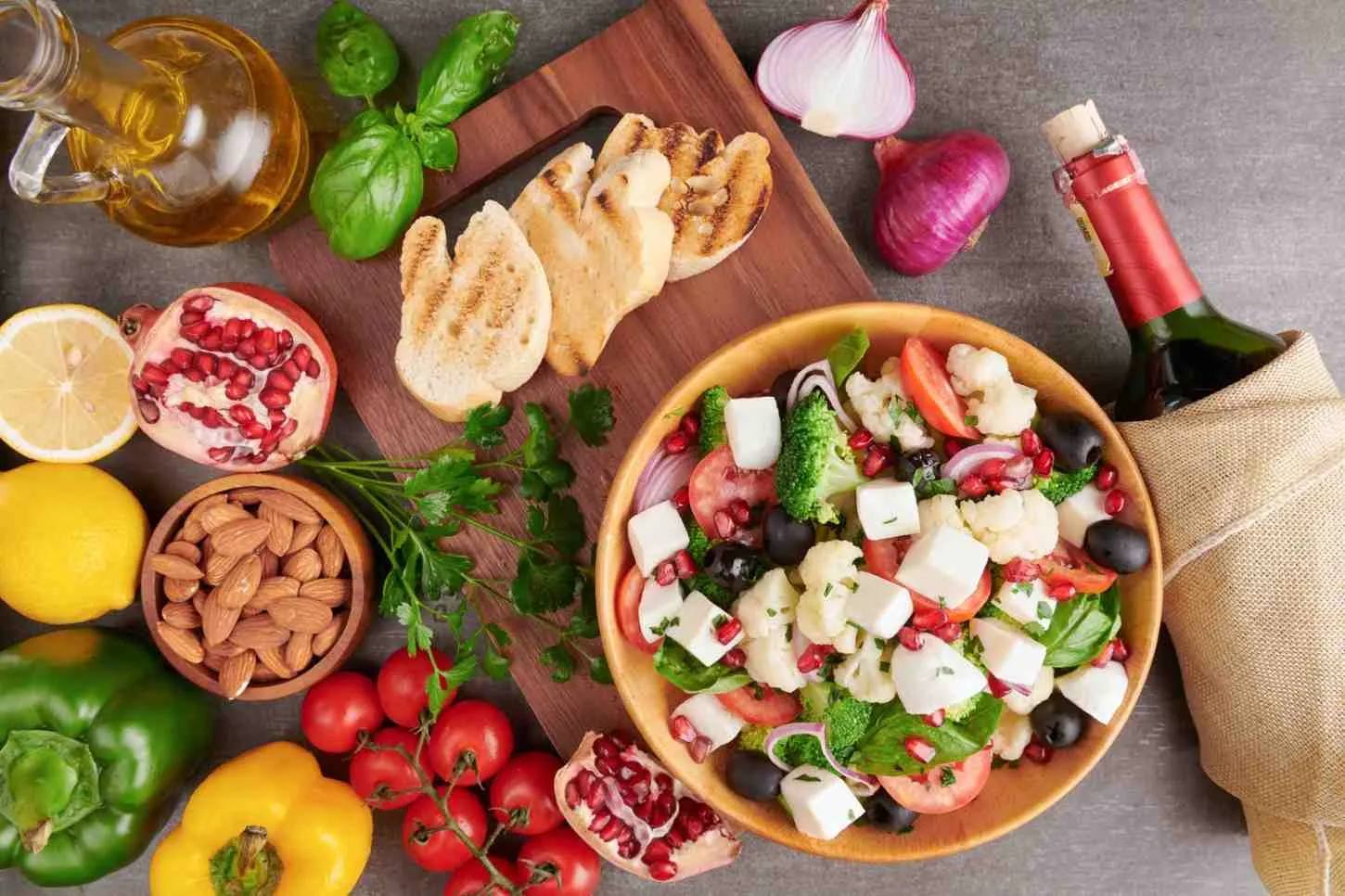
The vegetarian Mediterranean diet is a plant-based version of the traditional Mediterranean diet that emphasizes vegetables, legumes, fruits, whole grains, nuts, seeds, olive oil, and dairy while excluding meat and poultry. It combines the nutritional principles of Mediterranean eating with a vegetarian lifestyle, creating meals that are both flavorful and nutrient-dense.
Unlike many trendy diets, this approach isn’t centered on counting calories or eliminating entire food groups. Instead, it encourages eating a wide variety of minimally processed, whole foods prepared with fresh ingredients and Mediterranean herbs.
Common foods include:
- Fresh vegetables
- Fruits
- Chickpeas
- Lentils
- Beans
- Hummus & Falafel
- Whole grains & Brown rice
- Quinoa
- Olive oil
- Nuts and seeds
One of the reasons this eating pattern remains so popular is its flexibility. It works well for everyday meals, family dinners, meal prep, and dining out at Mediterranean restaurants that offer customizable vegetarian options.
Why the Mediterranean Diet Is Easy to Adapt for Vegetarians
The traditional Mediterranean diet naturally lends itself to a vegetarian lifestyle because it has always emphasized plant-based ingredients over meat. Instead of treating vegetables as simple side dishes, Mediterranean cuisine builds meals around fresh produce, legumes, whole grains, herbs, olive oil, and other wholesome ingredients that provide both flavor and nutrition.
Many of the region’s most iconic dishes are already vegetarian, including creamy hummus, crispy falafel, refreshing tabbouleh, stuffed grape leaves (dolmas), hearty lentil soup, smoky baba ghanoush, Greek salad, vegetable rice bowls, and warm pita served with Mediterranean dips. These dishes showcase how simple, fresh ingredients can come together to create satisfying meals without relying on meat.
Because these recipes have been staples of Mediterranean cuisine for generations, following a vegetarian Mediterranean diet feels natural rather than restrictive. It offers endless variety, vibrant flavors, and balanced meals that make it easy to enjoy authentic Mediterranean food while embracing a plant-forward way of eating.
Vegetarian Mediterranean Diet Benefits
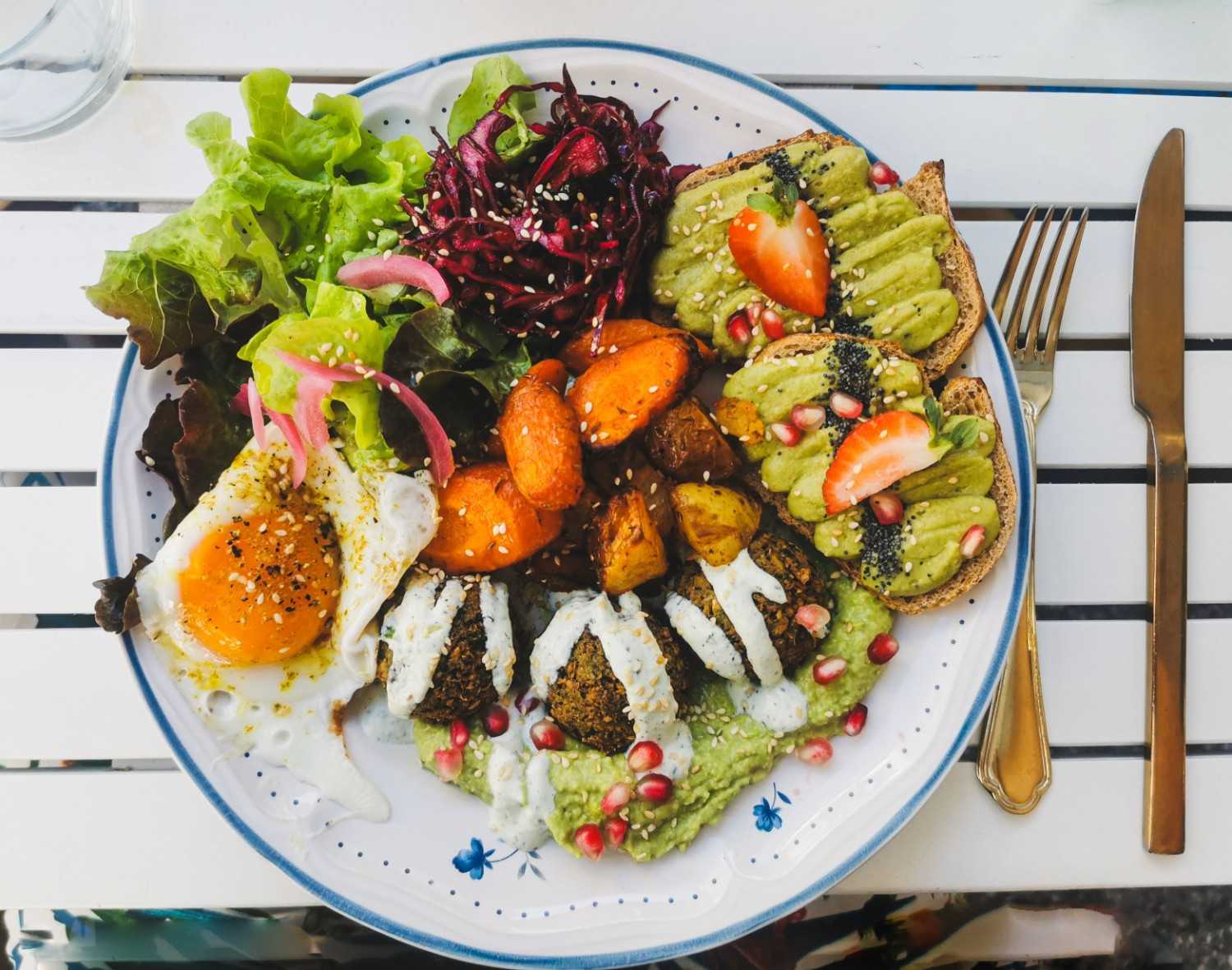
A vegetarian Mediterranean diet offers more than just delicious meals, it’s one of the most researched eating patterns in the world. By emphasizing vegetables, legumes, whole grains, healthy fats, and minimally processed foods, it provides a balanced approach to nutrition that supports overall wellness without feeling restrictive.
Rather than focusing on what you can’t eat, this lifestyle encourages filling your plate with nutrient-dense foods that naturally deliver fiber, vitamins, minerals, antioxidants, and plant-based protein.
Supports Heart Health
What Can be Eaten on a Vegetarian Mediterranean Diet?
One of the greatest advantages of the vegetarian Mediterranean diet is the incredible variety of foods available. Instead of limiting your choices, this eating pattern encourages building colorful, nutrient-rich meals using fresh, wholesome ingredients.
Whether you’re preparing meals at home or dining at a Mediterranean restaurant, these foods form the foundation of a balanced vegetarian Mediterranean lifestyle.
Vegetables
Fresh vegetables should make up a large portion of every meal.
Popular choices include:
- Cucumbers
- Spinach
- Bell peppers
- Zucchini
- Broccoli
- Cauliflower
- Leafy greens
These vegetables provide vitamins, minerals, antioxidants, and fiber while adding color, texture, and freshness to Mediterranean dishes.

Legumes
Legumes are among the most important protein sources in a vegetarian Mediterranean diet. These ingredients appear throughout Mediterranean cuisine in dishes such as hummus, lentil soup, falafel, and hearty salads.
Common options include:
- Chickpeas
- Lentils
- Black, white & kidney beans
Whole Grains
Whole grains provide complex carbohydrates and additional fiber that help create balanced meals. They pair perfectly with vegetables, legumes, and Mediterranean herbs for satisfying lunches and dinners.
Examples include:
- Brown rice
- Quinoa & Oats
- Bulgur wheat
- Whole wheat pita
Healthy Fats
Healthy fats are a defining feature of Mediterranean eating. Instead of relying on butter or highly processed oils, meals often include:
- Extra virgin olive oil
- Avocados
- Almonds, Pistachios & Walnuts
- Sunflower & Sesame seeds
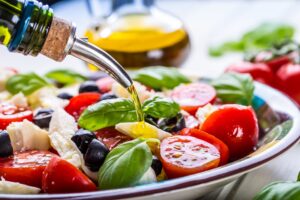
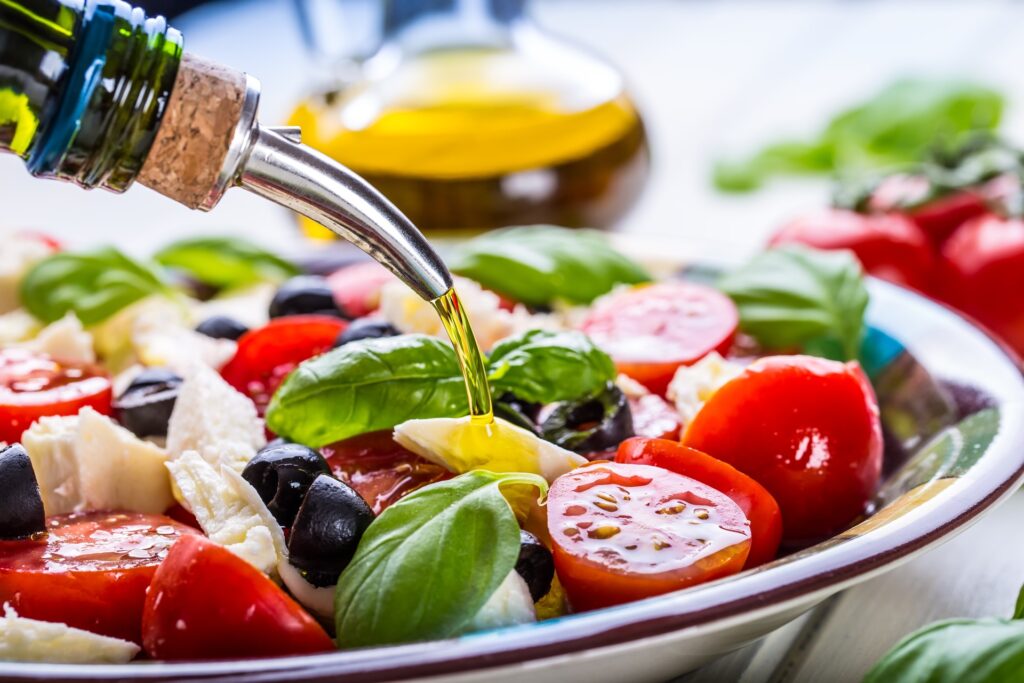
Olive oil, in particular, is a staple of Mediterranean cuisine and is commonly used in salads, dips, bowls, and roasted vegetables.
Dairy (Optional)
For those following a lacto-vegetarian Mediterranean diet, dairy can be enjoyed in moderation. These options add protein, calcium, and creaminess to salads, bowls, and traditional Mediterranean dishes without overpowering the fresh ingredients.
Popular choices include:
- Greek yogurt
- Feta cheese
- Labneh
Vegetarian Mediterranean Meals That Satisfy Your Cravings
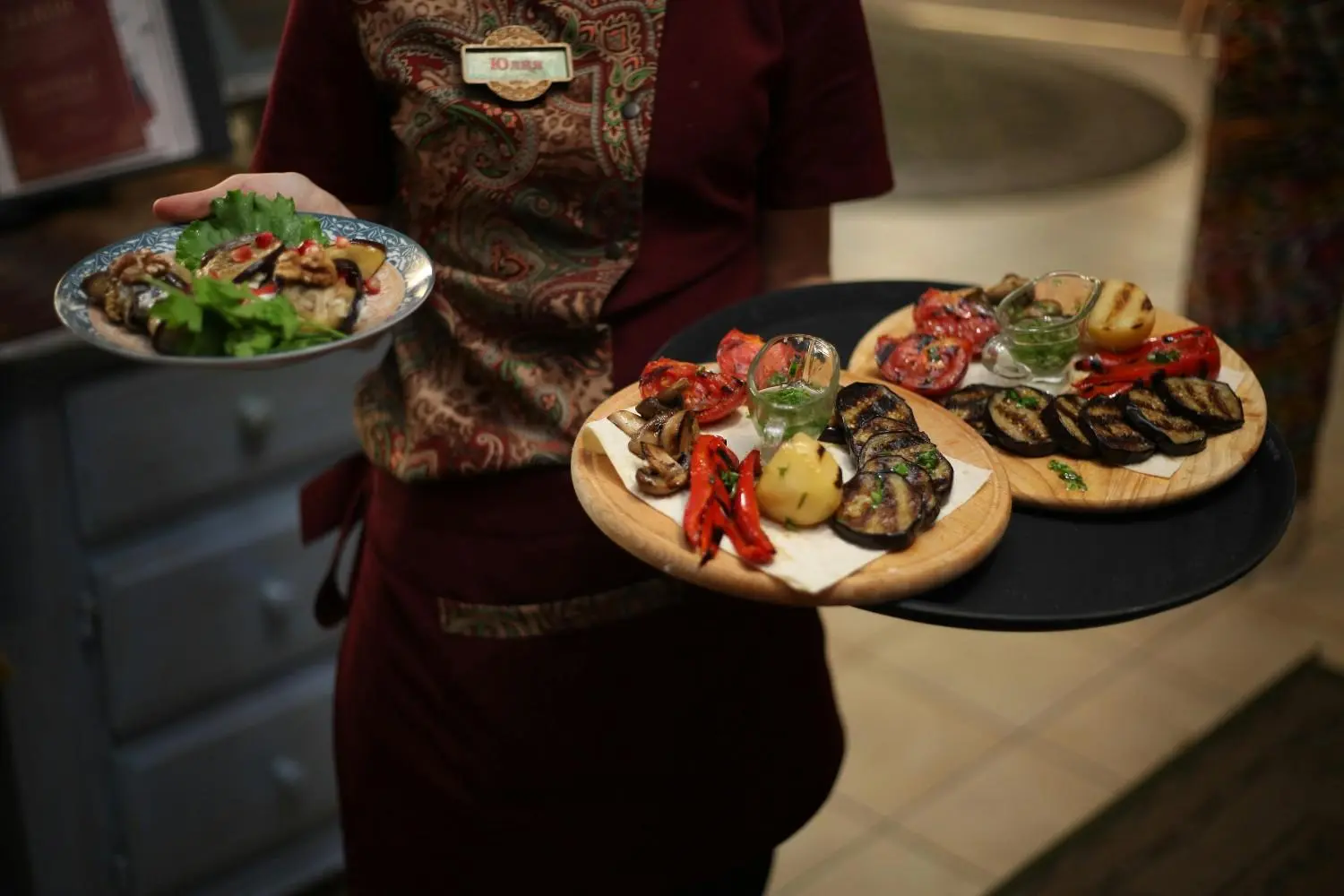
One of the biggest reasons people stick with a vegetarian Mediterranean diet is the incredible variety it offers. Rather than relying on processed meat substitutes or repetitive salads, this eating pattern combines fresh vegetables, legumes, whole grains, healthy fats, and herbs to create meals that are both nourishing and deeply satisfying.
Every Mediterranean meal follows the same simple philosophy: build your plate around whole foods, layer flavors naturally, and let fresh ingredients do the work. Whether you’re cooking at home or dining at a Mediterranean restaurant, creating a balanced vegetarian meal is surprisingly easy.
The Formula for a Balanced Vegetarian Mediterranean Meal
Instead of thinking about individual recipes, it’s helpful to think of each meal as a combination of complementary ingredients. Mediterranean cuisine naturally balances plant-based protein, whole grains, vegetables, and healthy fats to create meals that are satisfying without feeling heavy.
| Meal Component | Mediterranean Examples | Why It Matters |
|---|---|---|
| Plant Protein | Falafel, chickpeas, lentils, hummus, beans | Adds protein, fiber, and long-lasting satisfaction |
| Whole Grains | Brown rice, quinoa, bulgur wheat, whole wheat pita | Provides steady energy and additional fiber |
| Fresh Vegetables | Cucumbers, tomatoes, lettuce, cabbage, onions, peppers | Adds vitamins, minerals, antioxidants, and crunch |
| Healthy Fats | Extra virgin olive oil, tahini, nuts, seeds | Supports heart health and enhances flavor |
| Fresh Herbs | Parsley, mint, oregano, dill | Creates the bright, fresh flavors Mediterranean cuisine is known for |
This balance is one of the reasons the Mediterranean diet continues to be recognized as one of the healthiest eating patterns in the world. Every ingredient contributes to both flavor and nutrition, creating meals that are colorful, satisfying, and easy to enjoy regularly.
Everyday Vegetarian Mediterranean Meals
The beauty of Mediterranean cuisine is that the same fresh ingredients can be combined in countless ways.
A Mediterranean rice bowl starts with brown rice or quinoa before being topped with crispy falafel, fresh vegetables, hummus, and tahini. The result is a complete meal rich in fiber, plant-based protein, and authentic Mediterranean flavor.
For a more traditional option, a falafel pita combines freshly prepared falafel with lettuce, tomatoes, onions, pickles, and tahini inside warm pita bread. It’s one of the most recognizable vegetarian meals across the Mediterranean and remains a favorite for its balance of texture and flavor.
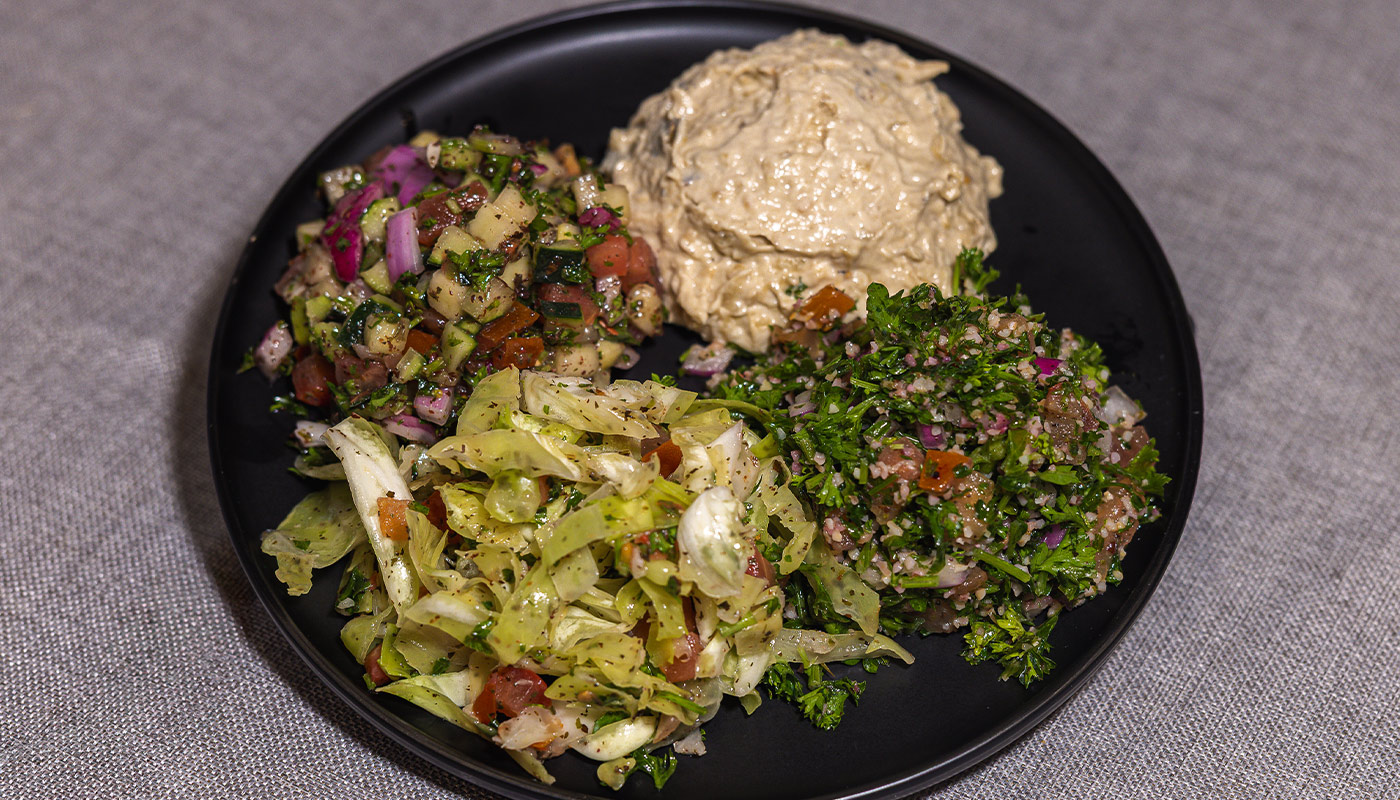
Those looking for something lighter often choose a Mediterranean salad plate, pairing Greek salad, tabbouleh, hummus, and stuffed grape leaves into a colorful meal filled with fresh vegetables, herbs, olive oil, and legumes.
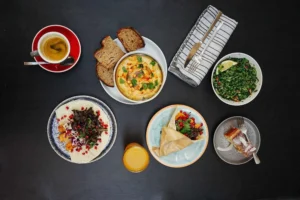
Another timeless option is a traditional Mediterranean mezze, where several small dishes are shared around the table. Combining hummus, baba ghanoush, falafel, fresh vegetables, and tabbouleh allows diners to experience a wider variety of flavors while embracing one of the defining traditions of Mediterranean dining, sharing fresh food with family and friends.
Why Pita House Is a Local Favorite
Following a vegetarian Mediterranean diet is much easier when your local restaurant offers authentic plant-based dishes made with fresh ingredients. At Pita House, vegetarian options have always been part of the menu. Inspired by the culinary traditions of Lebanon, Palestine, and Greece, the menu features time-honored recipes prepared with fresh vegetables, legumes, herbs, and quality ingredients.
For years, Pita House has served communities across La Jolla, Del Mar, and Solana Beach, offering guests wholesome Mediterranean meals that fit a variety of lifestyles. Whether you’re vegetarian full-time, trying to eat more plant-based meals, or simply looking for healthier dining options, you’ll find plenty of flavorful choices prepared fresh to order.
Unlike restaurants that depend on processed meat alternatives, Pita House focuses on naturally vegetarian Mediterranean dishes built around ingredients that have been staples of the region for generations. Fresh vegetables are chopped daily, hummus is made in-house, falafel is prepared from seasoned chickpeas and herbs, and many dishes are finished with extra virgin olive oil, fresh lemon juice, and authentic Mediterranean seasonings.
Vegetarian Mediterranean Food Frequently Asked Questions
Can you do a vegetarian Mediterranean diet?
Following a vegetarian Mediterranean diet is simple because Mediterranean cuisine naturally emphasizes whole, plant-based foods. Meals are typically built around vegetables, legumes, whole grains, healthy fats, herbs, and fresh ingredients, making it easy to eliminate meat without sacrificing flavor or variety.
Is there a vegetarian Mediterranean diet?
The traditional Mediterranean diet is not strictly vegetarian, but it is heavily plant-based. While it may include moderate amounts of fish, poultry, dairy, and eggs, the foundation of the diet consists of vegetables, legumes, fruits, whole grains, nuts, seeds, and olive oil. A vegetarian Mediterranean diet simply removes meat, poultry, and seafood while continuing to emphasize these wholesome plant foods, with protein coming from beans, lentils, chickpeas, nuts, seeds, and optional dairy or eggs.
What are some vegetarian Mediterranean dishes?
Can you eat eggs every day on the Mediterranean diet?
If you follow a lacto-ovo vegetarian Mediterranean diet, eggs can be included as part of a balanced eating pattern. While traditional Mediterranean guidelines often recommend enjoying eggs in moderation, current nutrition guidance suggests that healthy individuals can include them regularly as part of an overall nutritious diet, alongside vegetables, legumes, whole grains, and healthy fats.
Is vegetarian or Mediterranean diet better?
Both eating patterns prioritize fresh, minimally processed plant foods, but they differ in their approach to animal products. The traditional Mediterranean diet includes moderate portions of fish, poultry, and dairy, whereas the vegetarian Mediterranean diet excludes meat, poultry, and seafood entirely. Instead, it relies on legumes, nuts, seeds, dairy, and eggs (if included) to provide protein while maintaining the same focus on vegetables, whole grains, and healthy fats.
What are the top foods on a vegetarian Mediterranean diet?
The healthiest vegetarian Mediterranean meals are built around nutrient-dense, whole foods. Staples include extra virgin olive oil, chickpeas, lentils, beans, fresh vegetables, fruits, whole grains, nuts, seeds, and herbs. Together, these ingredients create flavorful meals that are naturally rich in fiber, plant-based protein, vitamins, and minerals.
Is Mediterranean vegetarian food healthy?
A vegetarian Mediterranean diet is widely recognized as a nutritious eating pattern because it emphasizes fresh vegetables, legumes, whole grains, olive oil, and other minimally processed foods. Research has associated Mediterranean-style eating with heart health, balanced blood sugar, and overall wellness, while its high fiber and nutrient-rich ingredients help create satisfying, wholesome meals.