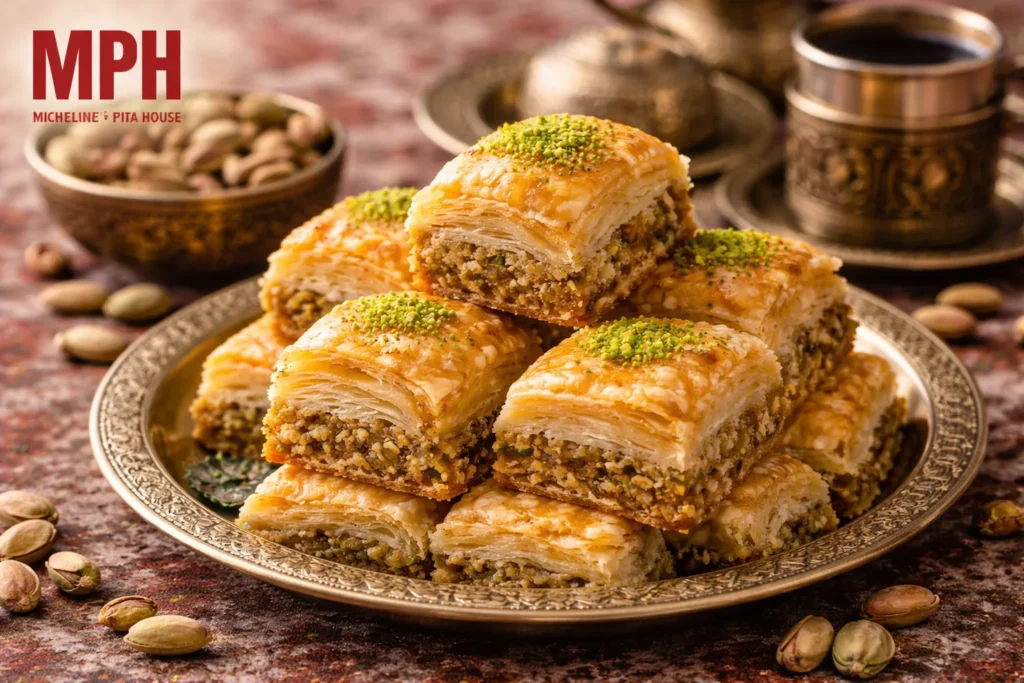
Baklava is a layered pastry made with thin sheets of phyllo dough, chopped nuts, butter or ghee, and sweet syrup. Although it is strongly associated with Turkey and Greece, baklava is a shared dessert enjoyed across the Middle East, the Balkans, and the Mediterranean.
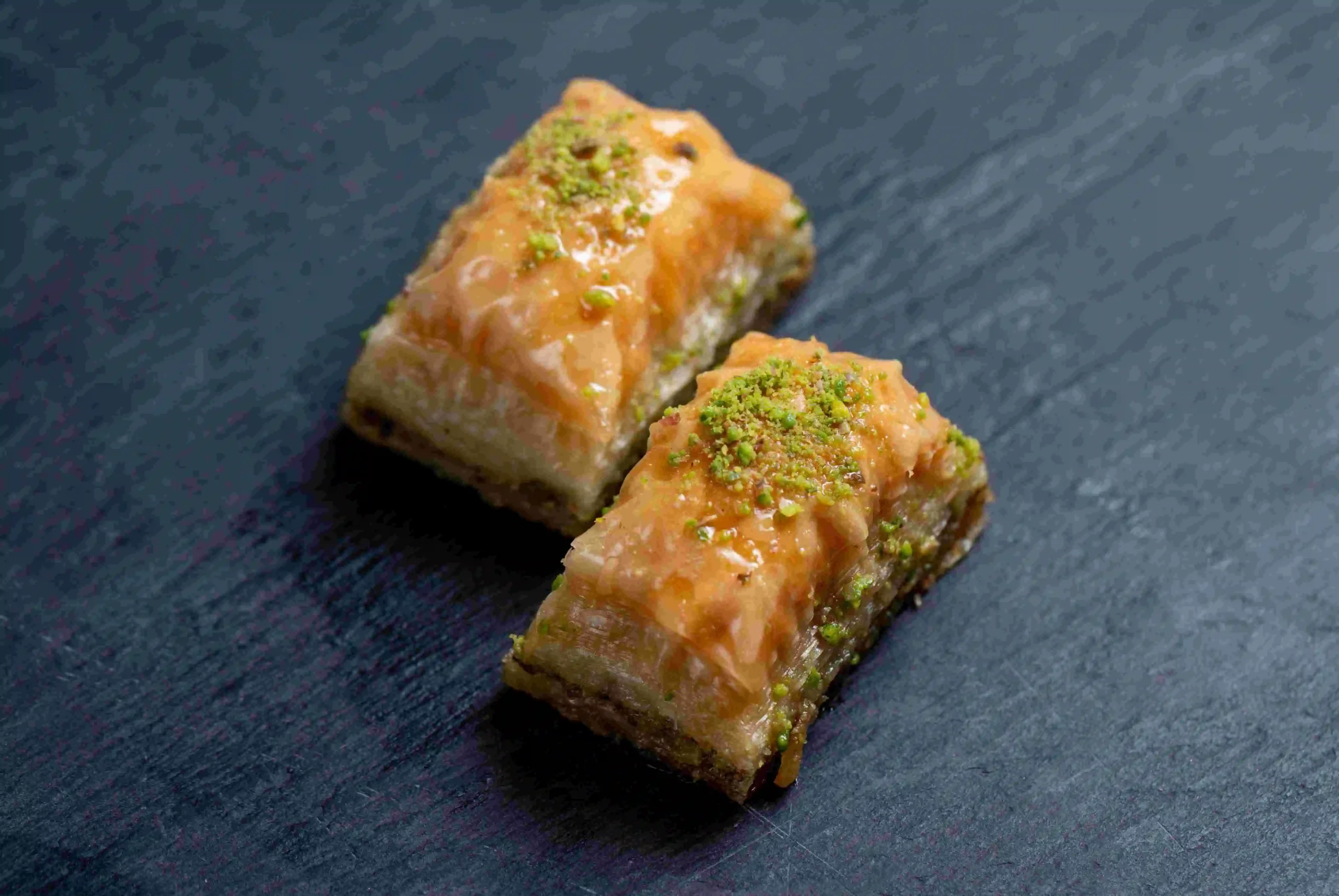
What Is Baklava?
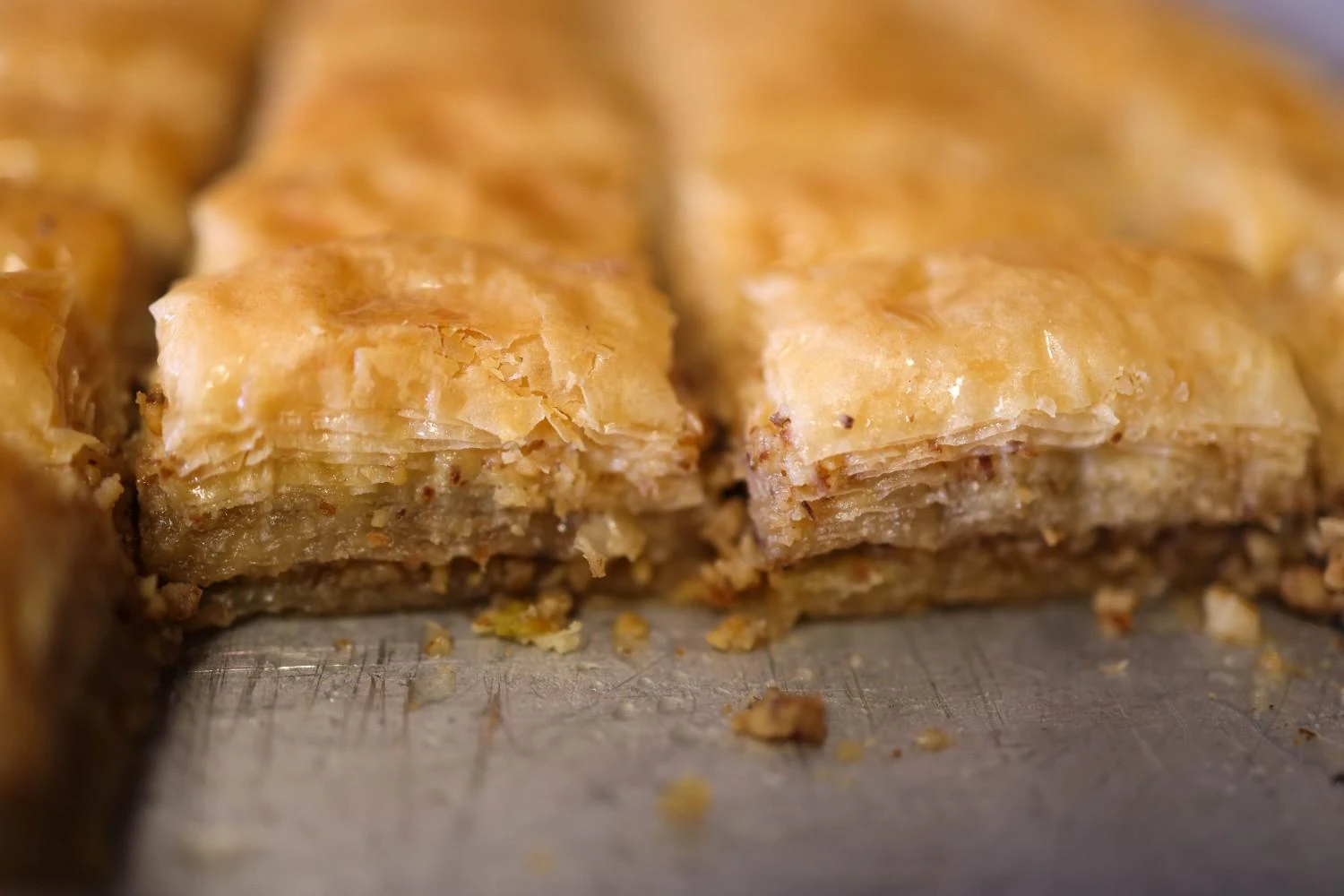
Baklava is a traditional pastry known for its crisp phyllo layers, rich nut filling, and fragrant syrup. Unlike cakes or cookies, its texture comes from stacking many paper-thin sheets of dough with butter or ghee before baking them until golden and flaky.
Pistachios and walnuts are the most common fillings, although almonds, hazelnuts, and mixed nuts also appear in regional recipes. Some versions use honey, while others rely on sugar syrup flavored with lemon, rose water, or orange blossom water.
Although the ingredients and presentation vary from one country to another, the basic structure remains the same: delicate pastry, chopped nuts, and syrup combined in a dessert valued for its contrast of crisp, crunchy, and tender textures
What Is Baklava Made Of?
Traditional baklava combines four core elements:
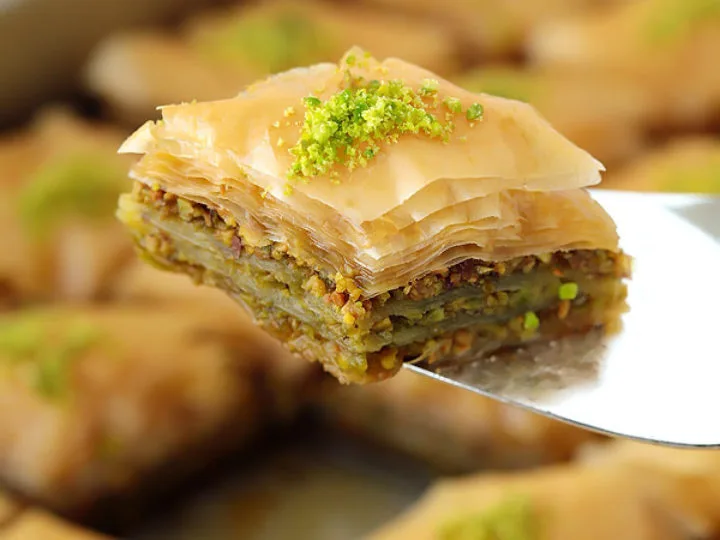
- Phyllo dough: paper-thin pastry sheets that become crisp when baked.
- Butter or ghee: separates the layers and adds richness.
- Chopped nuts: usually pistachios or walnuts, although almonds and hazelnuts may also be used.
- Sweet syrup: made with sugar, honey, lemon, rose water, or orange blossom water depending on the regional style.
The ingredients are simple, but their proportions determine whether the finished pastry is crisp, balanced, and flavourful
What Pastry Is Baklava Made From?
Baklava is traditionally made with phyllo dough, also spelled filo. Unlike puff pastry, phyllo is formed from separate paper-thin sheets brushed with butter or ghee, creating the crisp, delicate layers associated with baklava.
What Nuts Are Used in Baklava?
The most common baklava fillings are:
- Pistachios: frequently associated with Turkish and Middle Eastern styles.
- Walnuts: common in Greek and Balkan versions.
- Almonds, hazelnuts, and cashews: used in some regional or mixed-nut recipes.
The nuts are chopped rather than blended into a paste, preserving their crunch between the pastry layers.
Does Baklava Contain Honey or Sugar Syrup?
Baklava may be sweetened with honey, sugar syrup, or a combination of both. Greek-style recipes often use honey, while many Turkish and Middle Eastern versions use sugar syrup flavoured with lemon, rose water, or orange blossom water.
The amount of syrup matters: too little leaves the pastry dry, while too much can soften its crisp layers.
How Is Baklava Made?
Baklava is generally prepared in five steps:
- Layer phyllo sheets and brush them with butter or ghee.
- Spread chopped nuts between groups of pastry layers.
- Cut the assembled pastry into portions before baking.
- Bake until the surface is golden and crisp.
- Pour syrup over the baked pastry and allow it to absorb.
The method is simple in principle, but careful layering and balanced syrup are essential for the right texture.
Why Is Baklava Cut Before Baking?
Baklava is cut before baking to create clean portions without crushing the crisp pastry later. The cuts also help butter and syrup move between the layers, giving each piece an even texture and flavour.
Why Does Baklava Become Soggy?
Common causes include:
- adding too much syrup;
- pouring syrup onto underbaked pastry;
- using the wrong syrup and pastry temperatures;
- covering the baklava while it is still warm;
- storing it in a humid place or refrigerating it too long.
Fully baking the phyllo and protecting it from moisture help preserve its crisp texture.
Where Is Baklava From?
Baklava does not have one universally accepted country of origin. It is better understood as a shared Eastern Mediterranean and Middle Eastern dessert shaped by centuries of cultural exchange.
Early layered pastries existed in several ancient civilizations, but the form most people recognise today became closely associated with Ottoman culinary traditions. From there, baklava spread across Turkey, Greece, the Balkans, the Levant, and North Africa, where local communities adapted it with different nuts, syrups, spices, and shapes.
This explains why baklava is strongly connected to several national cuisines without belonging exclusively to any one of them
A Brief History of Baklava
Although the exact timeline is difficult to verify, historians generally agree that baklava developed gradually rather than being invented by a single person or culture. Early forms of layered pastries appeared in ancient Mesopotamia and neighboring civilizations long before the modern version existed.
During the Byzantine period, similar layered desserts continued to evolve, but it was within the kitchens of the Ottoman Empire that baklava reached the refined form recognized today. Ottoman pastry chefs perfected the technique of rolling phyllo dough into paper-thin sheets, carefully layering butter, nuts, and syrup to create an elegant dessert served to royalty and distinguished guests.
From the 15th century onward, baklava became an important part of Ottoman culinary tradition and was eventually introduced throughout southeastern Europe, the Levant, and North Africa. As local cultures embraced the dessert, they adapted it with regional ingredients such as pistachios, walnuts, almonds, rose water, orange blossom water, and different styles of syrup, giving rise to the wide variety of baklava enjoyed today.
Rather than replacing one another, these regional traditions collectively contributed to the dessert’s global popularity, making baklava a symbol of shared culinary heritage rather than a recipe owned by a single nation.
What Country Is Baklava From?
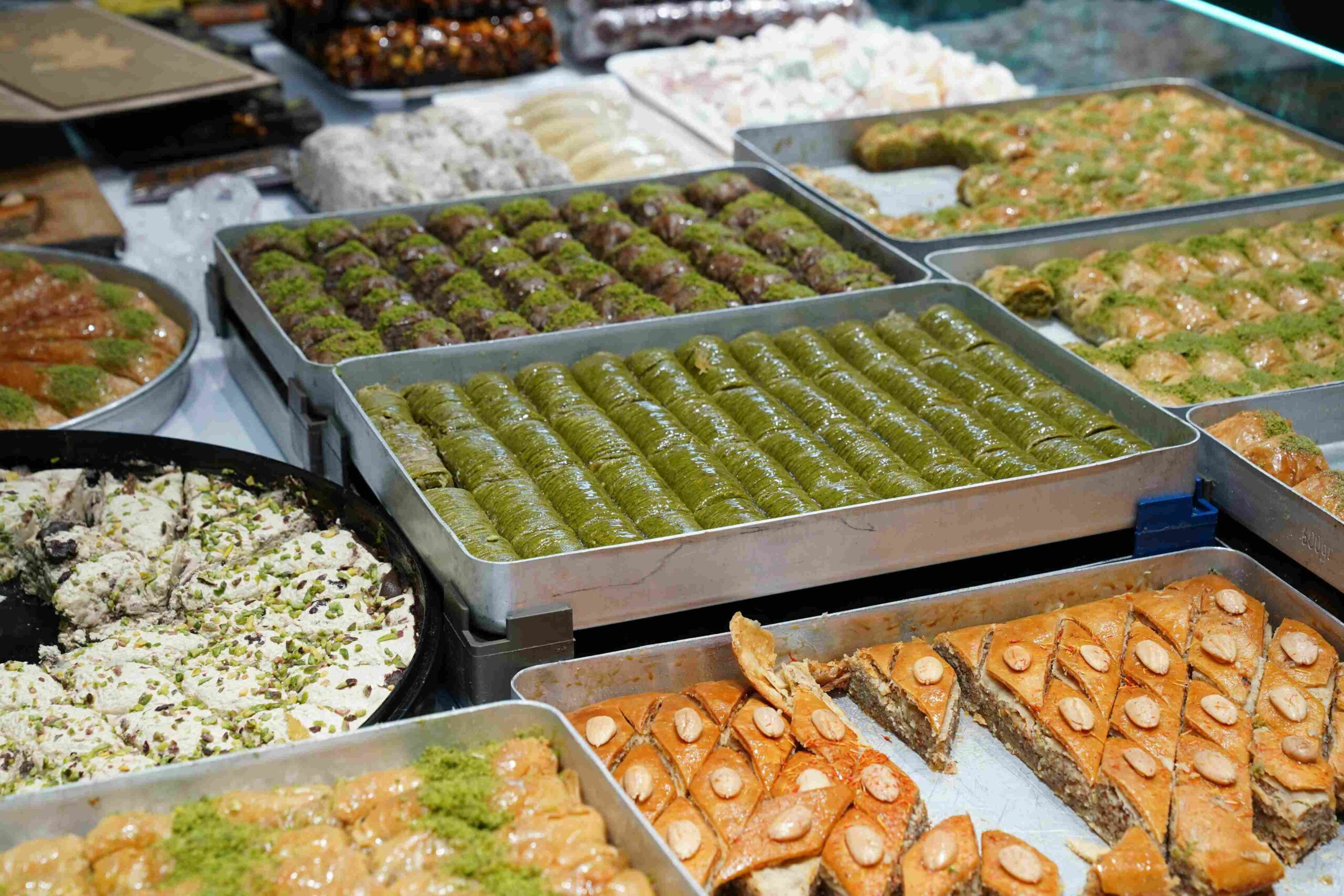
There is no universally accepted answer to the question, “What country is baklava from?” Although Turkey, Greece, Lebanon, Armenia, and several Balkan countries all have long-standing baklava traditions, historians generally view the dessert as a product of centuries of cultural exchange rather than the creation of one modern nation.
Turkey is often associated with modern baklava because the Ottoman Empire played a major role in refining the pastry and spreading it across a vast region. Greece is equally known for its distinctive versions, many of which feature walnuts, cinnamon, and honey-based syrup. Lebanon and other Middle Eastern countries have also developed unique recipes that incorporate local flavors such as orange blossom water and rose water.
Instead of asking which country owns baklava, it is more accurate to recognize that the dessert represents a shared culinary legacy. Each region has contributed its own ingredients, techniques, and traditions while preserving the essential characteristics that make baklava one of the world’s most celebrated pastries.
Is Baklava Greek or Turkish?
The question of whether baklava is Greek or Turkish has been debated for decades, but the most accurate answer is that both countries have long and well-established baklava traditions. Rather than belonging exclusively to one nation, baklava evolved over centuries across regions that were once connected through the Ottoman Empire, allowing each culture to develop its own distinctive style while preserving the dessert’s signature layers of phyllo pastry, nuts, and syrup.
Although the foundation of baklava remains remarkably similar, the ingredients, flavors, and presentation often reflect local culinary preferences. Turkish baklava is widely recognized for its delicate layers, premium pistachios, and lighter sugar syrup, while many Greek versions commonly feature walnuts, cinnamon, cloves, and honey-based syrup. These regional differences have shaped unique identities without changing the essence of the dessert itself.
Today, both Greek and Turkish baklava are celebrated around the world, and neither version can be considered the only authentic recipe. Instead, they represent two of the most influential interpretations of a dessert that has been enjoyed throughout the Eastern Mediterranean for generations.
Greek Baklava
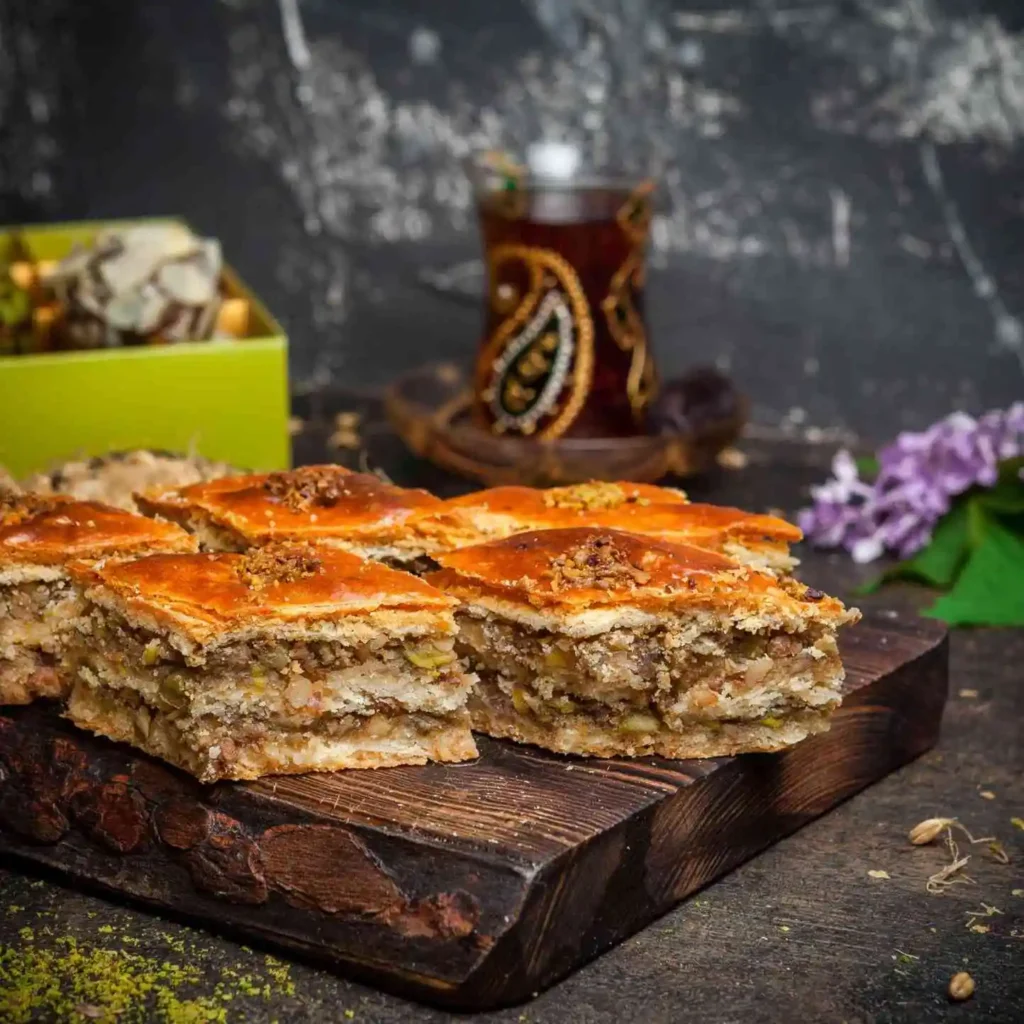
Greek baklava commonly uses walnuts, cinnamon, cloves, and honey-based syrup. It is often cut into diamond shapes and served during holidays and family celebrations.
Turkish Baklava
Turkish baklava is known for very thin phyllo layers, pistachios or walnuts, and a lighter sugar syrup with fewer spices. Gaziantep is particularly famous for its pistachio baklava.
|
Feature |
Greek Baklava |
Turkish Baklava |
|
Main Nuts |
Walnuts |
Pistachios |
|
Syrup |
Honey-based |
Sugar syrup |
|
Spices |
Cinnamon & Cloves |
Minimal spices |
|
Flavor |
Rich & Aromatic |
Buttery & Nutty |
|
Popular Region |
Greece |
Turkey |
Lebanese and Middle Eastern Baklava
Lebanese and Levantine baklava may contain pistachios, cashews, or mixed nuts and often uses rose water or orange blossom water. These floral flavours distinguish it from many Greek and Turkish styles.

What Does Baklava Taste Like?
Baklava tastes sweet, buttery, and nutty, with crisp phyllo layers and a tender, syrup-soaked centre. Its flavour varies by filling: pistachios taste mild and buttery, while walnuts add a deeper, slightly earthy note.
These variations show how Mediterranean culinary traditions can take one basic idea and transform it through local ingredients and presentation. You can explore more Mediterranean specialties served alongside baklava at Micheline’s Pita House
Different Types of Baklava
Baklava varieties differ according to:
- the nuts used;
- the regional recipe;
- the shape and cutting method;
- the syrup or flavouring;
- whether the dessert is traditional, rolled, filled with cream, or served chilled
|
Type |
Main Filling |
Popular In |
|
Pistachio |
Pistachios |
Turkey |
|
Walnut |
Walnuts |
Greece |
|
Mixed Nut |
Mixed Nuts |
Lebanon |
|
Cold Baklava |
Pistachio + Milk Syrup |
Turkey |
Pistachio Baklava
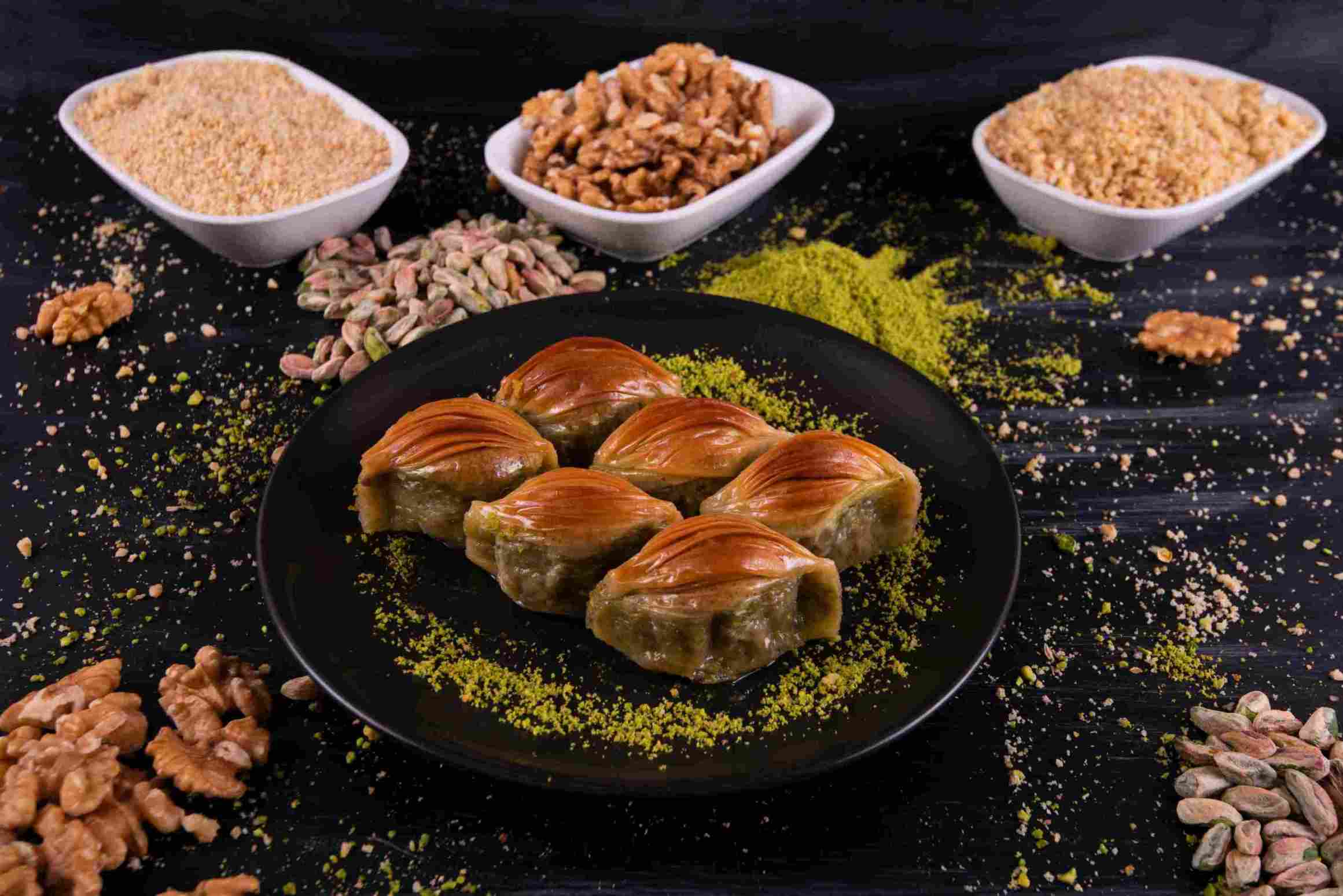
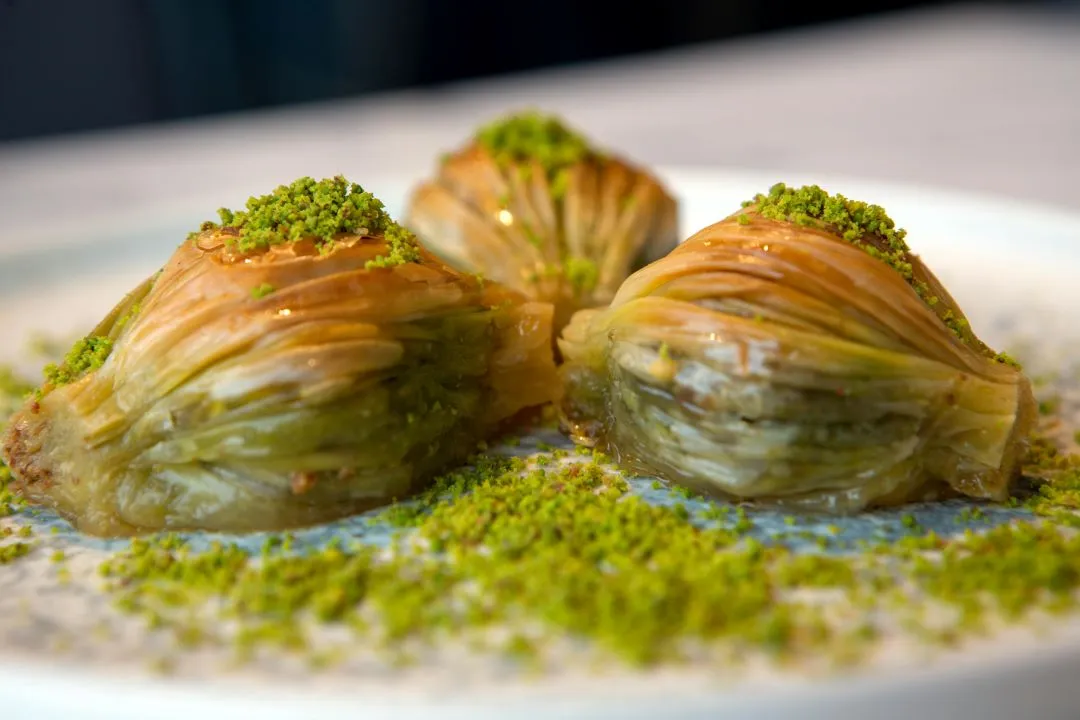
Pistachio baklava has a mild, buttery flavour and a distinctive green filling. It is especially associated with Turkey and parts of the Middle East, and its use of premium pistachios often makes it one of the more expensive varieties.
Walnut and Mixed-Nut Baklava
Walnut baklava has a deeper, earthier flavour and is common in Greece and the Balkans. Mixed-nut versions may combine walnuts, pistachios, almonds, hazelnuts, or cashews for a more varied taste and texture.
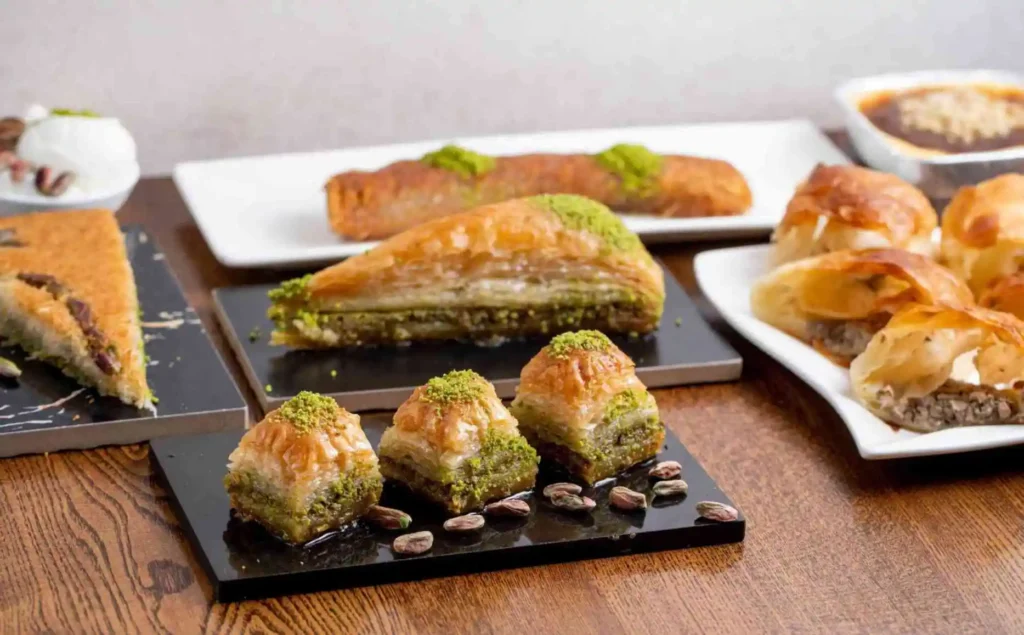
Baklava Shapes and Styles
Common styles include:
- Diamonds and squares: the most familiar tray-baked forms.
- Rolls or fingers: tightly wrapped pieces with a higher filling-to-pastry ratio.
- Nests: small phyllo cups filled generously with nuts.
- Rectangles: practical bakery-style portions.
The shape changes the presentation and ratio of pastry to filling, but not the basic ingredients.
These variations show how Mediterranean culinary traditions can take one basic idea and transform it through local ingredients and presentation. You can explore more Mediterranean specialties served alongside baklava at Micheline’s Pita House.
Baklava Calories and Nutrition Facts
Baklava is calorie-dense because it combines pastry, butter, nuts, and syrup. Nutritional values vary considerably by recipe and piece size, so every estimate should be linked to a stated serving weight.
|
Nutrient (Approx. per 50 g piece) |
Average Amount |
|
Calories |
200–230 kcal |
|
Carbohydrates |
24–28 g |
|
Fat |
10–14 g |
|
Protein |
3–5 g |
|
Sugar |
14–18 g |
|
Fiber |
1–2 g |
Nutritional values are approximate and may vary depending on the recipe, serving size, and ingredients used.
How Many Calories Are in One Piece of Baklava?
A typical piece of baklava contains approximately 150 to 300 calories, depending on its size, nut filling, and the amount of butter and syrup used. Small finger-sized pieces usually contain fewer calories, while large bakery squares may exceed 300 calories.
Because baklava portions vary widely, comparing pieces by weight gives a more accurate estimate than relying on size or shape alone.
Carbohydrates, Fat and Protein
Most of the carbohydrates in baklava come from the phyllo pastry and sweet syrup, while the majority of its fat comes from butter and nuts. Protein is naturally supplied by pistachios, walnuts, almonds, and other tree nuts used in the filling.
Unlike many highly processed desserts, baklava also contains naturally occurring vitamins, minerals, and antioxidants from the nuts. Pistachios provide vitamin B6 and potassium, while walnuts are a source of omega-3 fatty acids and antioxidants. Although these nutrients add nutritional value, baklava should still be enjoyed as a dessert rather than a primary source of essential nutrients.
Is Baklava Healthy?
Baklava can be part of a balanced diet when enjoyed in moderation, but it is not typically considered a low-calorie or everyday health food. Its combination of butter, pastry, and sweet syrup makes it naturally high in calories, sugar, and fat. At the same time, the nuts used in traditional recipes contribute beneficial nutrients, including unsaturated fats, plant protein, fiber, vitamins, and minerals.
Compared with many cream-filled cakes or heavily processed desserts, baklava often contains fewer artificial ingredients and derives much of its richness from whole nuts rather than processed fillings. However, this does not necessarily make it a “healthy dessert.” Portion size remains the most important factor when enjoying baklava as part of an overall balanced eating pattern.
For readers interested in building a complete meal rather than focusing on dessert alone, the Mediterranean menu includes salads, grain bowls, hummus, grilled proteins, and vegetarian options that can be paired with a smaller serving of baklava.
Rather than avoiding baklava entirely, many nutrition professionals recommend treating it as an occasional indulgence. Pairing a small serving with unsweetened coffee or tea can help balance its sweetness while allowing you to appreciate its complex flavors without consuming a large portion.
Is Baklava Good for You?
Baklava offers some nutritional benefits because of its nut content. Pistachios, walnuts, and almonds provide healthy unsaturated fats, antioxidants, fiber, and plant-based protein, all of which support overall nutrition when consumed as part of a varied diet.
However, these benefits should be viewed in the context of the dessert as a whole. The added sugar and butter significantly increase its calorie content, meaning baklava is best enjoyed occasionally rather than as a regular snack. Choosing smaller portions allows you to enjoy its flavor while maintaining a balanced diet.
Does Baklava Contain Eggs, Dairy, Gluten or Nuts?
Traditional baklava usually contains several common allergens:
- Gluten: Traditional phyllo dough is made from wheat flour.
- Dairy: Most recipes use butter or clarified butter.
- Tree nuts: Pistachios, walnuts, almonds, or cashews are commonly used.
- Eggs: Eggs are not usually included in traditional baklava, but packaged phyllo and individual recipes may vary.
Anyone with a food allergy should confirm the ingredients and possible cross-contact risks before ordering.
Is Baklava Vegetarian or Vegan?
Most traditional baklava is vegetarian, as it is made from pastry, butter, nuts, and syrup without meat or fish. However, whether a particular recipe is vegetarian depends on the ingredients used, especially the pastry and sweetener.
Traditional baklava is not usually vegan because it commonly contains butter or clarified butter and may also include honey in the syrup. Vegan versions can be prepared using plant-based butter and sugar syrup instead of honey, but these are specialty variations rather than the traditional recipe.
If you follow a vegetarian or vegan diet, it’s always best to check the ingredient list or ask the bakery how the baklava is prepared before ordering.
Is Baklava Gluten-Free?
Traditional baklava is not gluten-free because it is made with phyllo dough prepared from wheat flour. Since gluten is an essential part of the dough’s structure, authentic baklava naturally contains gluten unless a specially formulated gluten-free pastry is used.
Although gluten-free versions are available from some specialty bakeries, they require alternative flours and different preparation methods to achieve a similar flaky texture. In addition, people with celiac disease or severe gluten intolerance should also consider the possibility of cross-contact during preparation if gluten-containing pastries are made in the same kitchen.
How Long Does Baklava Last?
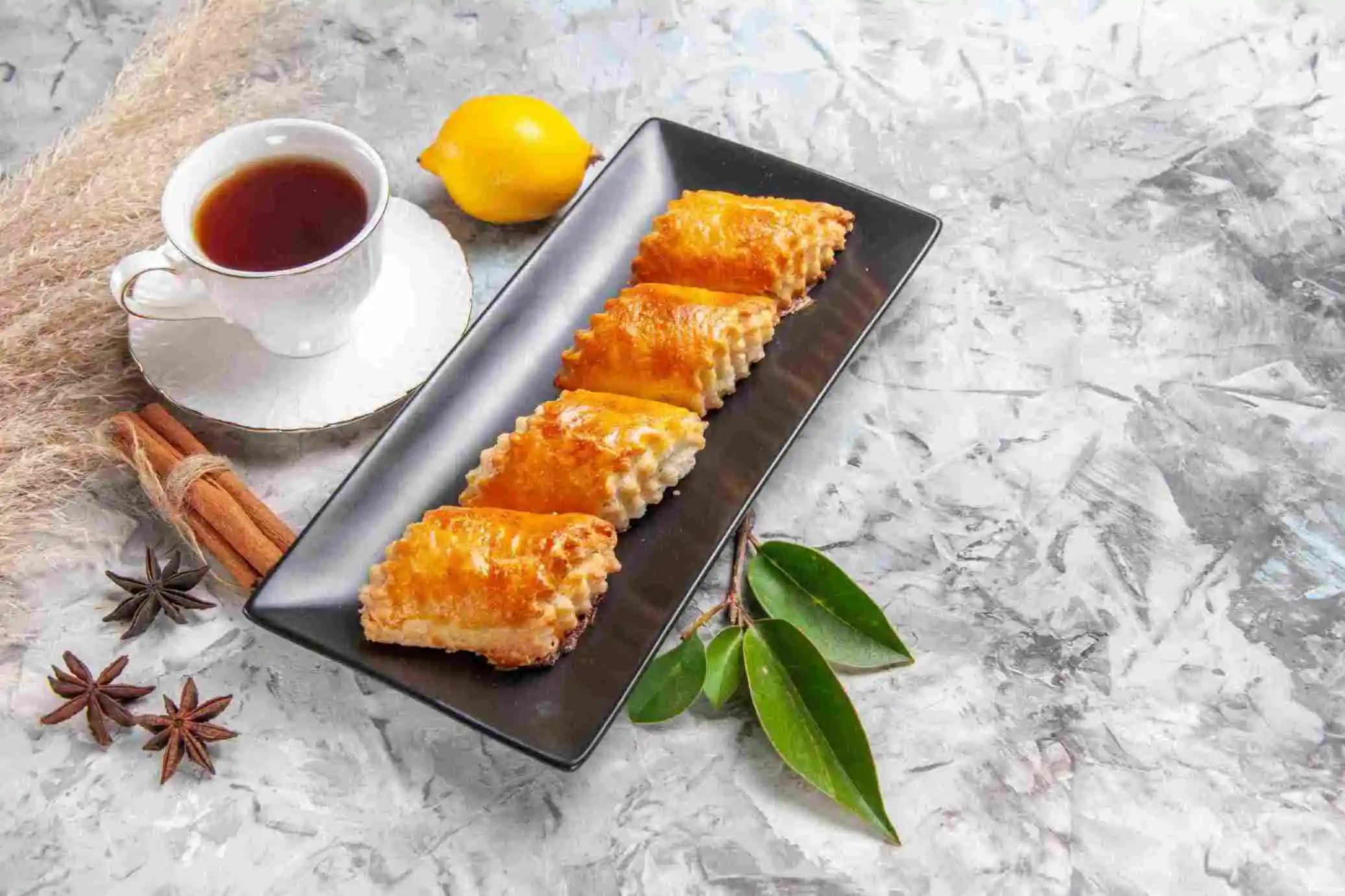
Baklava’s shelf life depends on its ingredients, climate, and storage method. Classic nut-filled baklava generally keeps well because it has low moisture and a high sugar content.
|
Storage Method |
Approximate Freshness |
|
Room Temperature |
1–2 weeks |
|
Refrigerator |
Up to 1 month |
|
Freezer |
4–6 months |
Store it in a dry, airtight container. Fresh cream or milk-based variations require refrigeration and should follow the seller’s storage instructions.
Does Baklava Need to Be Refrigerated?
In most cases, baklava does not need to be refrigerated. Traditional baklava actually maintains its crisp texture better when stored at room temperature in an airtight container. Refrigeration is only recommended in particularly hot or humid climates, or when the recipe contains fresh dairy-based fillings such as cream.
Although refrigeration can extend shelf life, it may also soften the delicate layers of pastry. Allowing refrigerated baklava to return to room temperature before serving helps restore some of its texture and flavor.
What Is Cold Baklava?
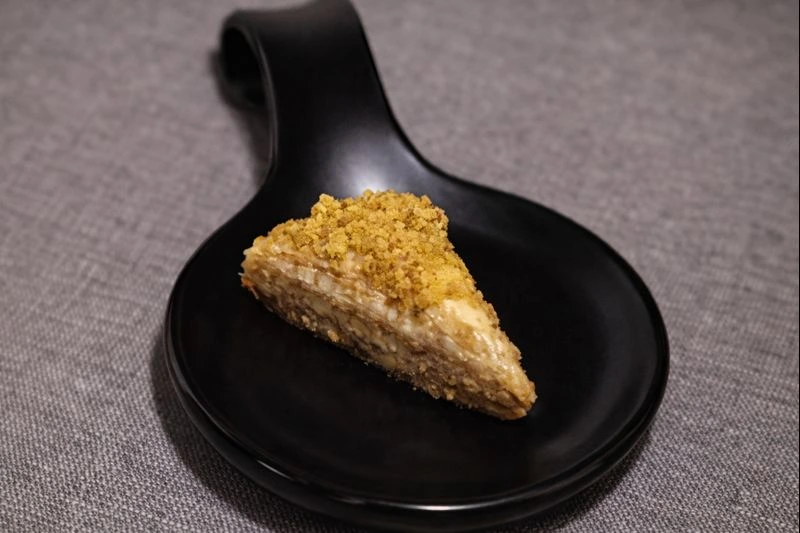
Cold baklava, or Soğuk Baklava, is a modern Turkish variation soaked in chilled milk syrup instead of traditional sugar syrup. It is usually refrigerated and finished with cocoa powder or grated chocolate, giving it a lighter, creamier character.
Where to Find Fresh Baklava in San Diego
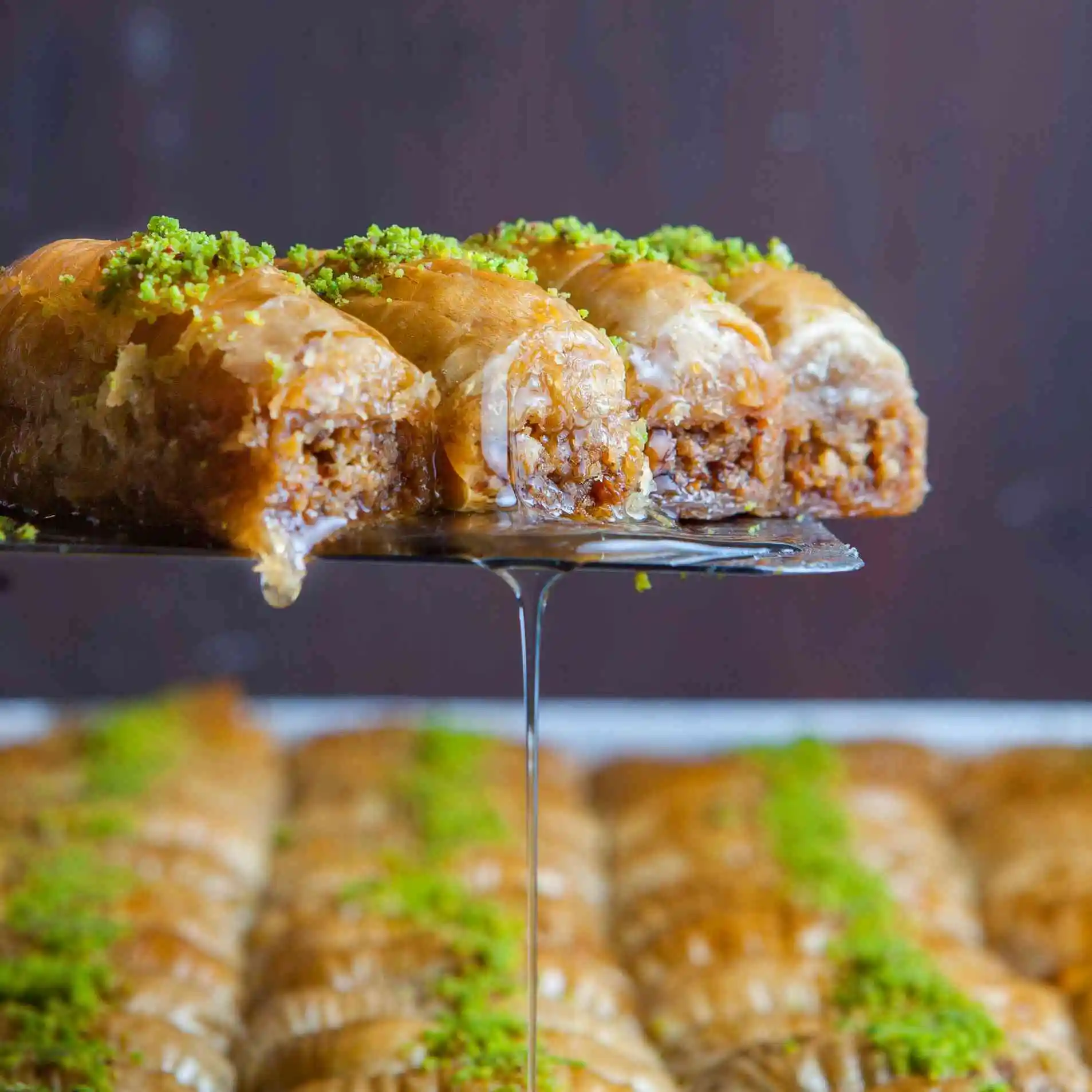
Micheline’s Pita House serves baklava as part of its Mediterranean dessert selection. Made with crisp phyllo layers and chopped pistachios or walnuts, it offers a classic finish to a Mediterranean meal.
Baklava is also suitable for family gatherings, office lunches, celebrations, and catered events.
Explore our Mediterranean menu, find a Micheline’s Pita House location near you, or learn more about Mediterranean catering in San Diego.
Frequently Asked Questions About Baklava
How Old Is Baklava?
Although its exact origin is still debated, baklava has a history that stretches back centuries. Historians generally believe that early forms of layered pastries existed in ancient Mesopotamia before evolving into the refined dessert we know today through the culinary traditions of the Ottoman Empire.
Is Baklava Lebanese?
Baklava is not exclusively Lebanese, but it is an important part of Lebanese cuisine. Lebanese baklava often features pistachios, cashews, or mixed nuts and is commonly flavored with orange blossom water or rose water, giving it a distinctive regional character while preserving the traditional layered pastry structure.
Is Baklava Middle Eastern or Mediterranean?
Both descriptions are correct. Baklava is widely enjoyed throughout the Middle East and across many Mediterranean countries, including Turkey and Greece. Because its history spans multiple cultures and regions, it is often considered both a Middle Eastern and Mediterranean dessert.
Which Countries Eat Baklava?
Baklava is enjoyed in many countries, including Turkey, Greece, Lebanon, Syria, Jordan, Armenia, Cyprus, Egypt, and several Balkan nations such as Bosnia, Bulgaria, and Albania. Today, it is also popular in Europe, North America, and many other parts of the world thanks to the global appreciation of Mediterranean cuisine.
Does Baklava Always Contain Pistachios?
No. While pistachios are one of the most famous fillings, especially in Turkish baklava, many traditional recipes use walnuts, almonds, hazelnuts, cashews, or a combination of several nuts. The choice of filling depends on regional traditions and personal preference.
Is Baklava Better Warm or Cold?
Traditional baklava is most commonly served at room temperature, allowing the pastry to remain crisp while the syrup is evenly absorbed. Some people enjoy it slightly warmed, while modern variations such as cold baklava (Soğuk Baklava) are specifically designed to be served chilled. The best serving temperature ultimately depends on the style of baklava and personal preference.
Can Baklava Be Eaten the Next Day?
Yes. Baklava is often even more flavorful the next day because the syrup has had time to settle between the layers. Store it in an airtight container at room temperature to help preserve its crisp texture.
Why Is Baklava So Expensive?
Baklava can be expensive because it requires many thin layers of phyllo, generous amounts of butter, and premium nuts such as pistachios. The preparation is also labor-intensive, especially when the pastry is made and assembled by hand.
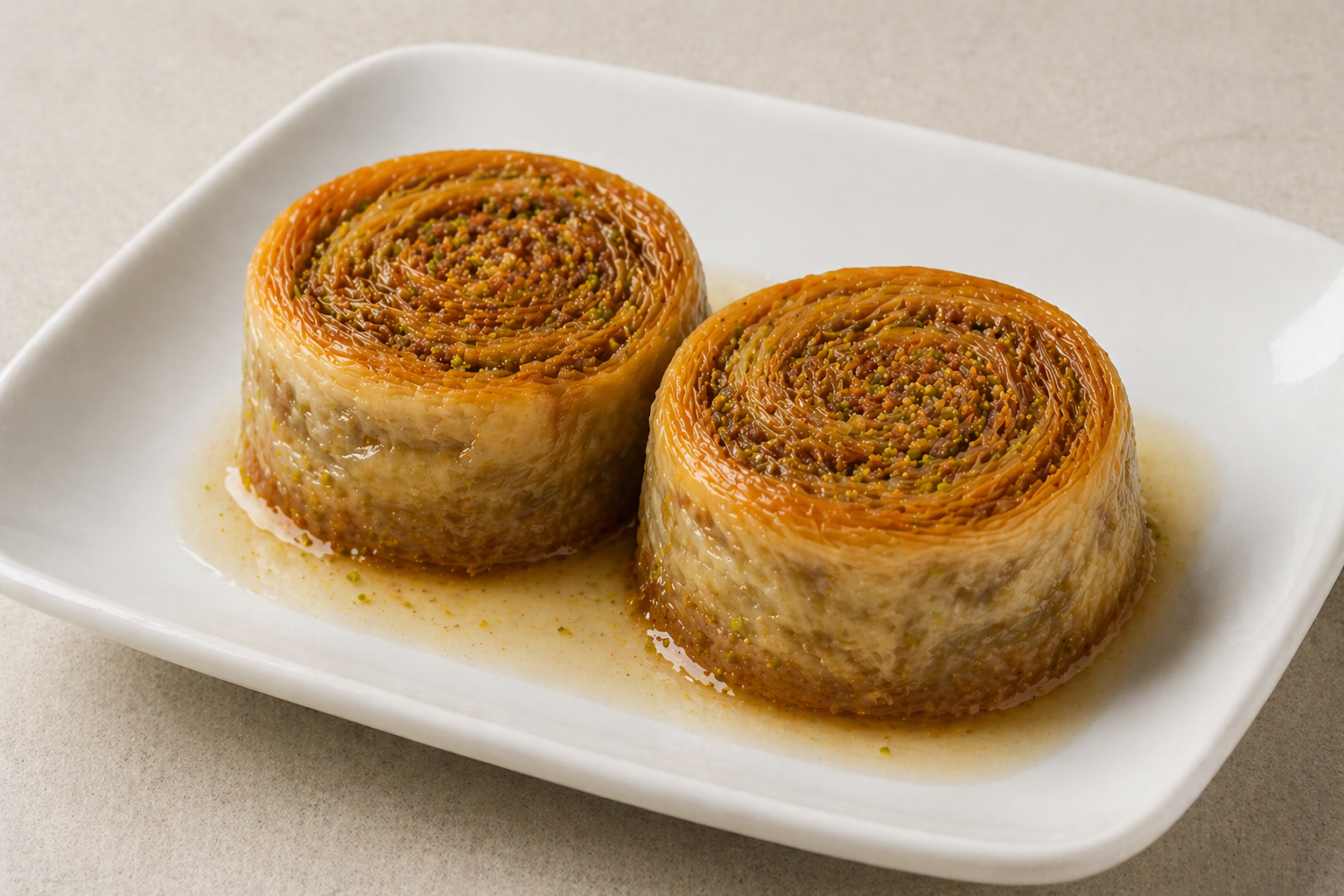
Enjoy Baklava the Way It’s Meant to Be
At Micheline’s Pita House, baklava is prepared with a focus on authenticity and balance. Each piece is crafted to deliver the crisp texture, nut-forward flavor, and light sweetness that define traditional Mediterranean desserts.
What Makes Our Baklava Different:
- Carefully layered phyllo for a crisp finish
- Generous use of high-quality nuts
- Balanced syrup—never overly soaked
- Portion sizes designed for sharing
Whether you’re finishing a meal, ordering for a group, or simply craving something sweet, baklava is best experienced fresh and in the right setting.
Ready to Try Authentic Mediterranean Baklava?
If you’re looking for baklava near you in San Diego, you can enjoy it:
- As a dessert after your meal
- As part of a catering order for events
- Or as a light, shareable treat
Explore our menu and order fresh baklava today.