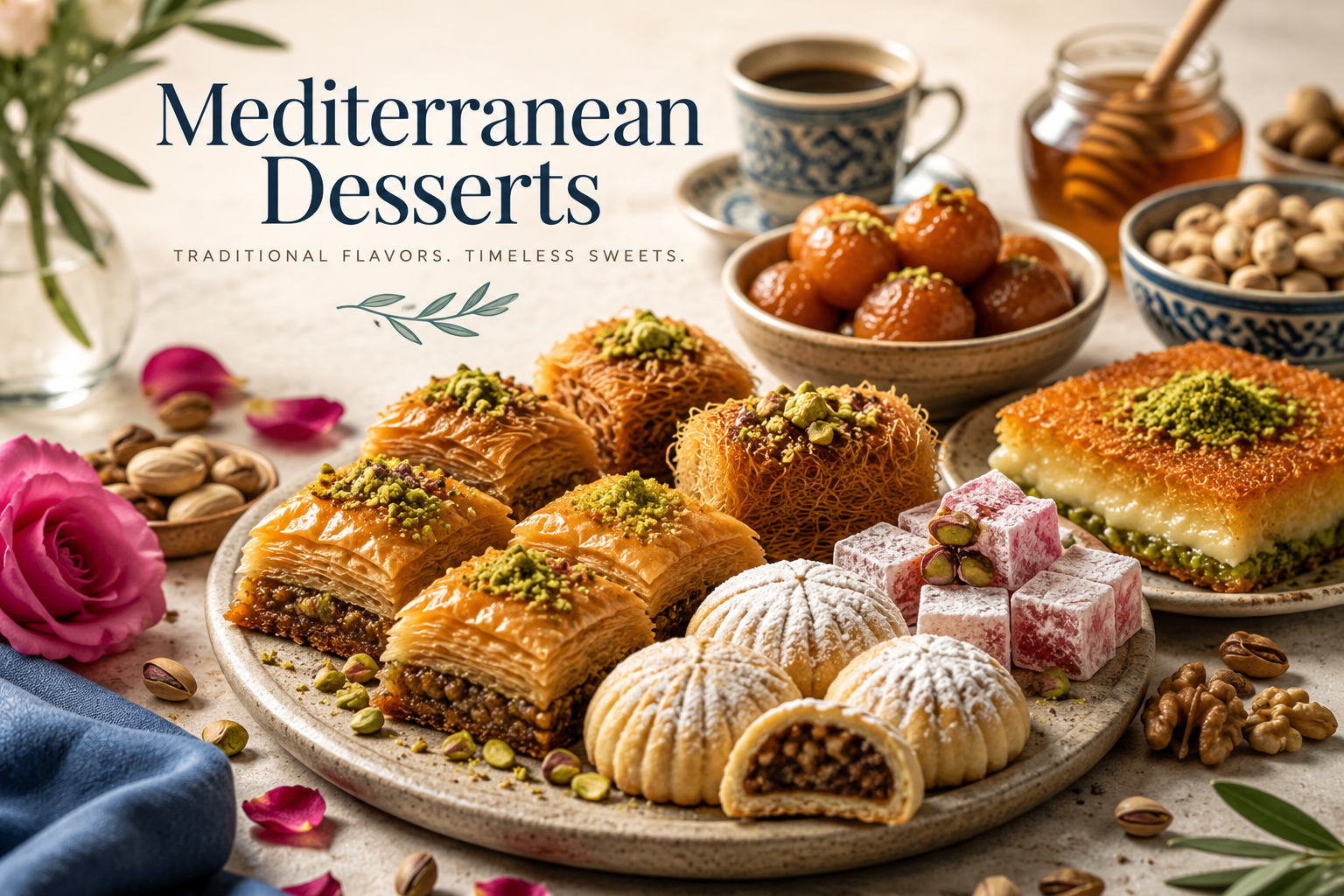
Mediterranean desserts are known for transforming simple, wholesome ingredients into memorable sweets that have been enjoyed for centuries. Rather than relying on heavy frostings or overly processed ingredients, many traditional recipes highlight the natural flavors of honey, nuts, olive oil, fresh fruit, and fragrant floral waters such as rose water and orange blossom water. The result is a collection of desserts that feel both rich and balanced, offering sweetness without overwhelming the palate.
Across the Mediterranean region, desserts reflect the traditions of many cultures, from the syrup-soaked pastries of Turkey and Greece to the fruit-forward sweets of Italy and the nut-filled pastries of the Levant. Some recipes are reserved for religious holidays and family celebrations, while others, such as fresh fruit with yogurt or olive oil cake, are enjoyed as everyday treats.
Whether you love flaky pastries, delicate cookies, creamy puddings, or light fruit desserts, Mediterranean cuisine offers an impressive variety of sweets that celebrate regional ingredients and generations of culinary tradition.
What Are Mediterranean Desserts?
Mediterranean desserts are traditional sweet dishes prepared throughout the countries surrounding the Mediterranean Sea, including Greece, Turkey, Lebanon, Italy, Spain, and parts of North Africa. Although every region has its own specialties, many recipes share common ingredients and techniques that reflect the Mediterranean way of cooking.
Instead of relying heavily on refined ingredients, these desserts often combine simple pantry staples with locally grown produce and aromatic flavors. Honey, nuts, citrus fruits, olive oil, yogurt, phyllo pastry, semolina, and seasonal fruits appear repeatedly throughout Mediterranean dessert traditions, creating recipes that range from light and refreshing to rich and indulgent.
Some of the best-known Mediterranean desserts include:
- Baklava
- Kunafa (Knafeh)
- Ma’amoul
- Loukoumades
- Halva
- Turkish Delight (Lokum)
- Olive Oil Cake
- Rice Pudding
- Basbousa
- Gelato
Although these desserts originate from different countries, they all reflect the region’s emphasis on fresh ingredients, handcrafted preparation, and recipes that have been passed down through generations.
What Makes Mediterranean Desserts Different?
Common Mediterranean Dessert Ingredients and Flavors
Although Mediterranean desserts vary widely from one country to another, many recipes rely on the same core ingredients. These ingredients not only define their flavor but also reflect the agricultural traditions of the Mediterranean region.
Some of the most common ingredients include:
- Honey for natural sweetness and glossy syrups.
- Pistachios, walnuts, almonds, and sesame for crunch and rich flavor.
- Phyllo and kataifi pastry to create delicate, flaky layers.
- Olive oil in cakes and baked desserts for moisture and a light texture.
- Semolina in classics such as basbousa and revani.
- Rice and milk in traditional puddings served throughout Greece, Turkey, and the Middle East.
- Fresh fruit including figs, oranges, lemons, grapes, and dates.
- Rose water and orange blossom water for subtle floral aromas.
- Warm spices such as cinnamon and cardamom that add depth without overpowering the dessert.
Instead of depending on heavy creams or elaborate decorations, Mediterranean desserts allow these ingredients to take center stage, creating sweets that feel both comforting and elegant.
Traditional vs. Mediterranean-Inspired Desserts
Traditional Mediterranean desserts are recipes that have been prepared for generations using regional ingredients and long-established techniques. Classics such as baklava, ma’amoul, loukoumades, kunafa, and halva continue to be served during holidays, religious celebrations, and family gatherings across the Mediterranean.
Modern Mediterranean-inspired desserts, on the other hand, build on these traditional flavors while introducing contemporary twists. Bakers and chefs often combine familiar ingredients with modern pastry techniques to create desserts such as baklava cheesecake, chocolate-hazelnut baklava, pistachio tiramisu, or olive oil chocolate cake.
Both styles celebrate Mediterranean flavors, but they serve different purposes. Traditional desserts preserve cultural heritage and regional identity, while Mediterranean-inspired creations showcase how classic ingredients can evolve to suit modern tastes.
Most Popular Mediterranean Desserts
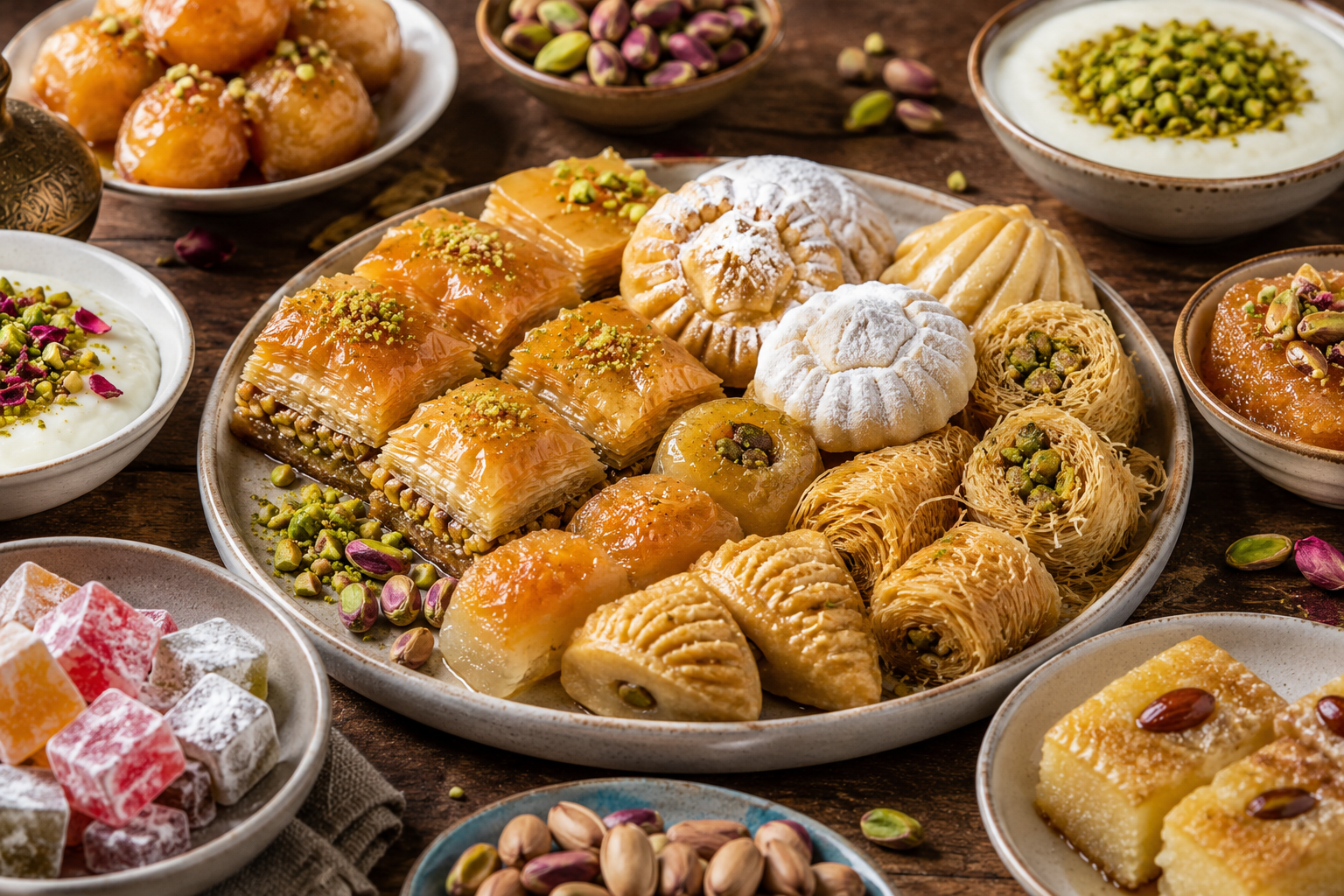
Mediterranean desserts range from flaky pastries and filled cookies to creamy puddings, fried dough, and fruit-based sweets. Some are shared across several countries, while others are closely associated with a particular regional tradition.
The following desserts represent some of the most recognisable flavours and techniques found across Greece, Turkey, Italy, Lebanon, the Levant, North Africa, and the Balkans.
Baklava
Baklava is one of the best-known Mediterranean pastries. It is made by layering thin sheets of phyllo dough with butter or ghee, adding chopped pistachios or walnuts, and finishing the baked pastry with honey or sweet syrup.
Recipes vary throughout Turkey, Greece, Lebanon, and the Balkans, particularly in their choice of nuts, spices, and syrup. Read our complete guide to what baklava is, where it comes from, and how it is made for a closer look at its history and regional styles.

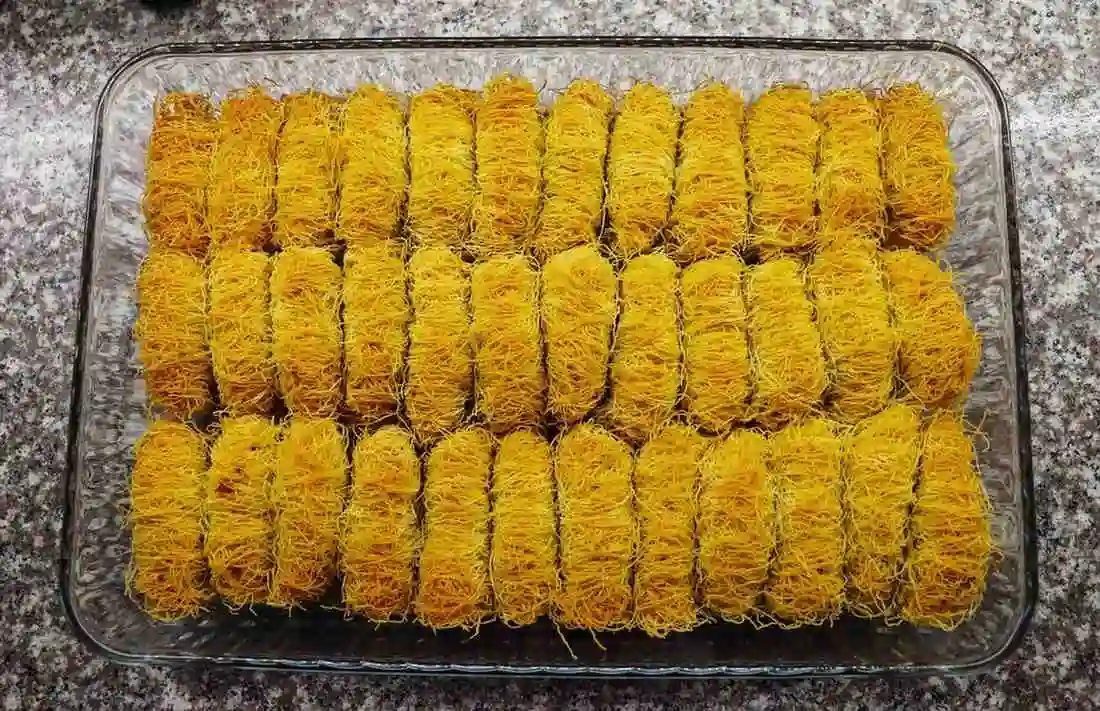
Kunafa or Knafeh
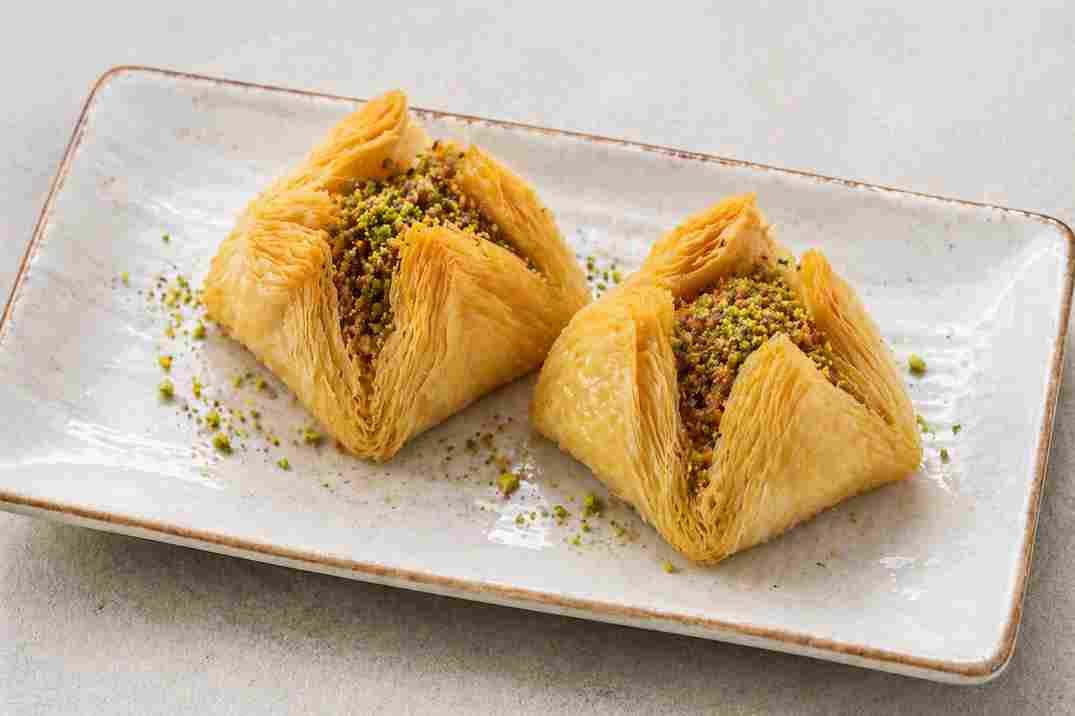
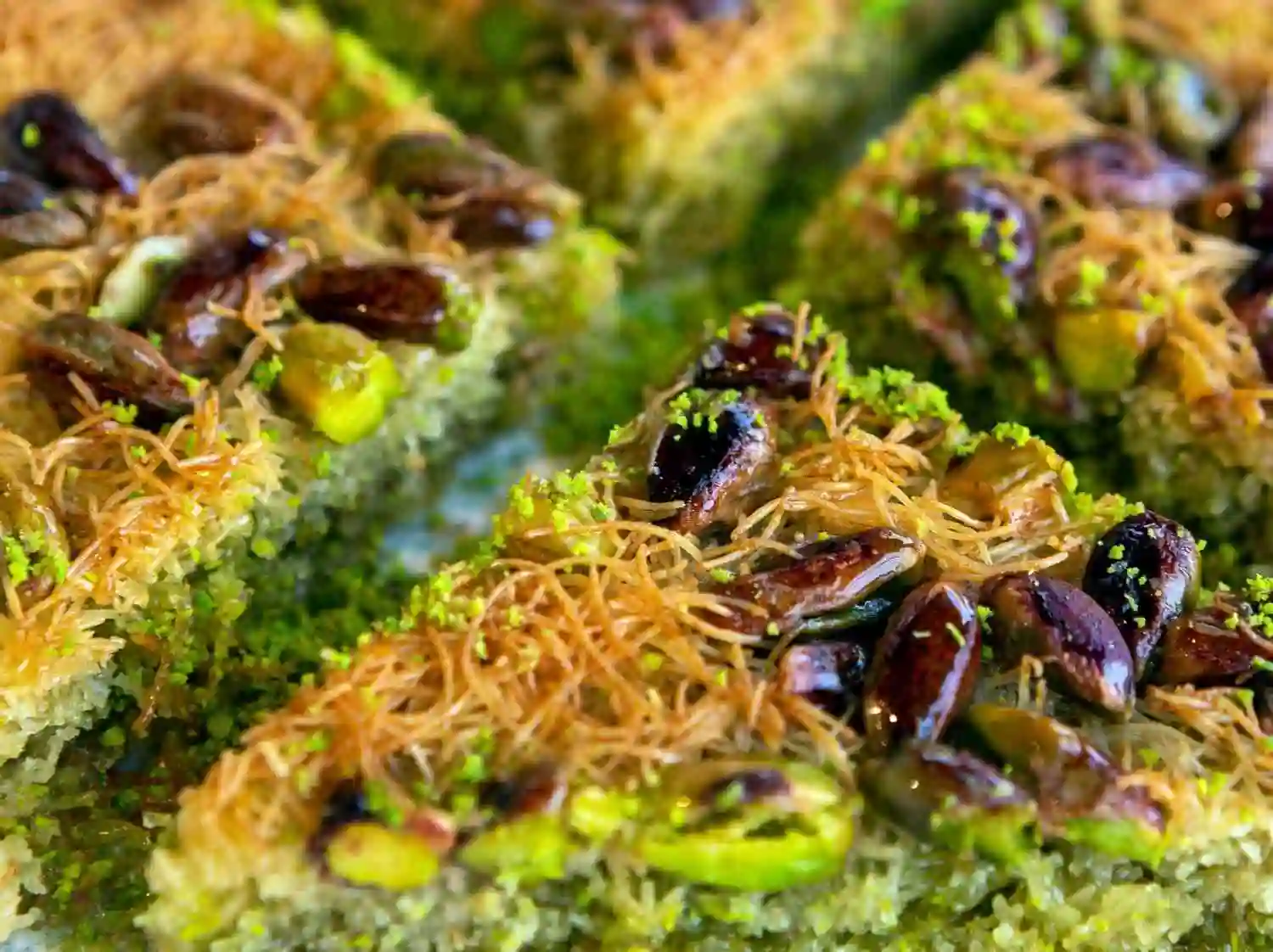
Kunafa is a popular Levantine dessert made with fine strands of kataifi pastry or a soft semolina base. It is commonly filled with mild cheese or cream, baked until golden, and soaked with fragrant syrup.
Pistachios are often scattered over the top, while rose water or orange blossom water may be used to flavour the syrup. The contrast between crisp pastry, soft filling, and sweet floral syrup makes kunafa one of the region’s most distinctive desserts.
Ma’amoul
Ma’amoul are delicate filled cookies traditionally prepared with semolina or flour. Their centres may contain dates, pistachios, or walnuts, and the dough is often pressed into decorative wooden moulds before baking.
These cookies are closely connected with religious holidays and family gatherings across Lebanon and the wider Levant. Their sweetness usually comes from the filling rather than thick icing or heavy syrup.
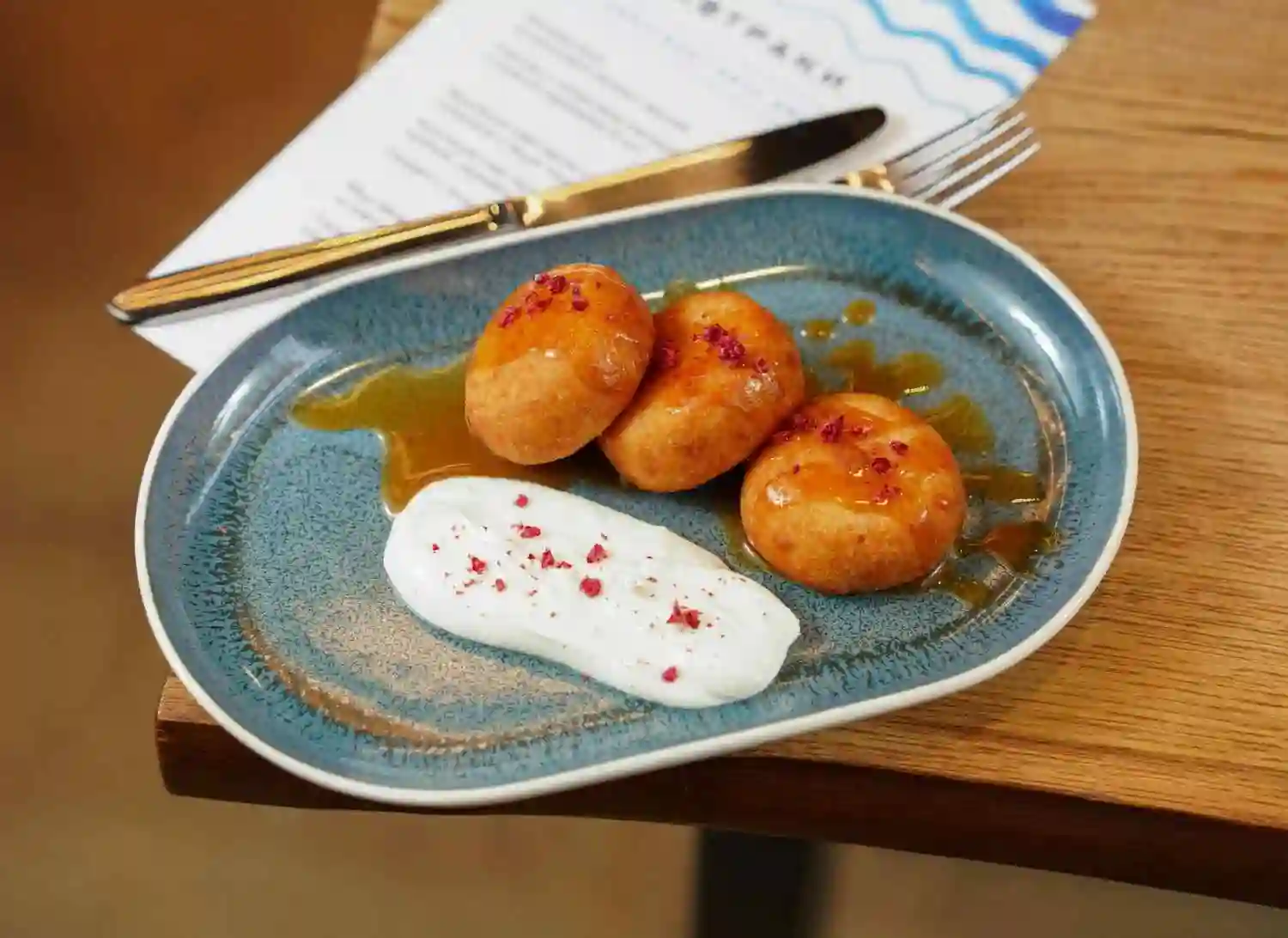
Loukoumades
Loukoumades are small Greek doughnuts fried until golden and crisp, then drizzled with honey or syrup. They are usually served warm and may be finished with cinnamon, sesame, walnuts, or pistachios.
Their light interior and crisp exterior make them different from heavier cake-style doughnuts. Modern versions may also include chocolate, cream, or fruit toppings.
Halva
Halva refers to several sweets with different textures and preparation methods. Tahini halva is dense and crumbly, with a strong sesame flavour, while semolina halva is softer and cooked with syrup, butter or oil, and sometimes nuts or dried fruit.
The dessert appears in Turkish, Greek, Middle Eastern, Balkan, and North African traditions. Because the name covers more than one recipe, its texture may range from firm and sliceable to soft and spoonable.
Rice Pudding
Rice pudding is prepared in many forms across the Mediterranean. Greek rizogalo is usually flavoured with cinnamon, while Turkish sütlaç may be baked until the surface develops a lightly browned finish.
Middle Eastern and North African versions may contain rose water, orange blossom water, almonds, pistachios, or raisins. Although the flavourings vary, rice pudding is generally mild, creamy, and less intense than syrup-soaked pastries.
Turkish Delight
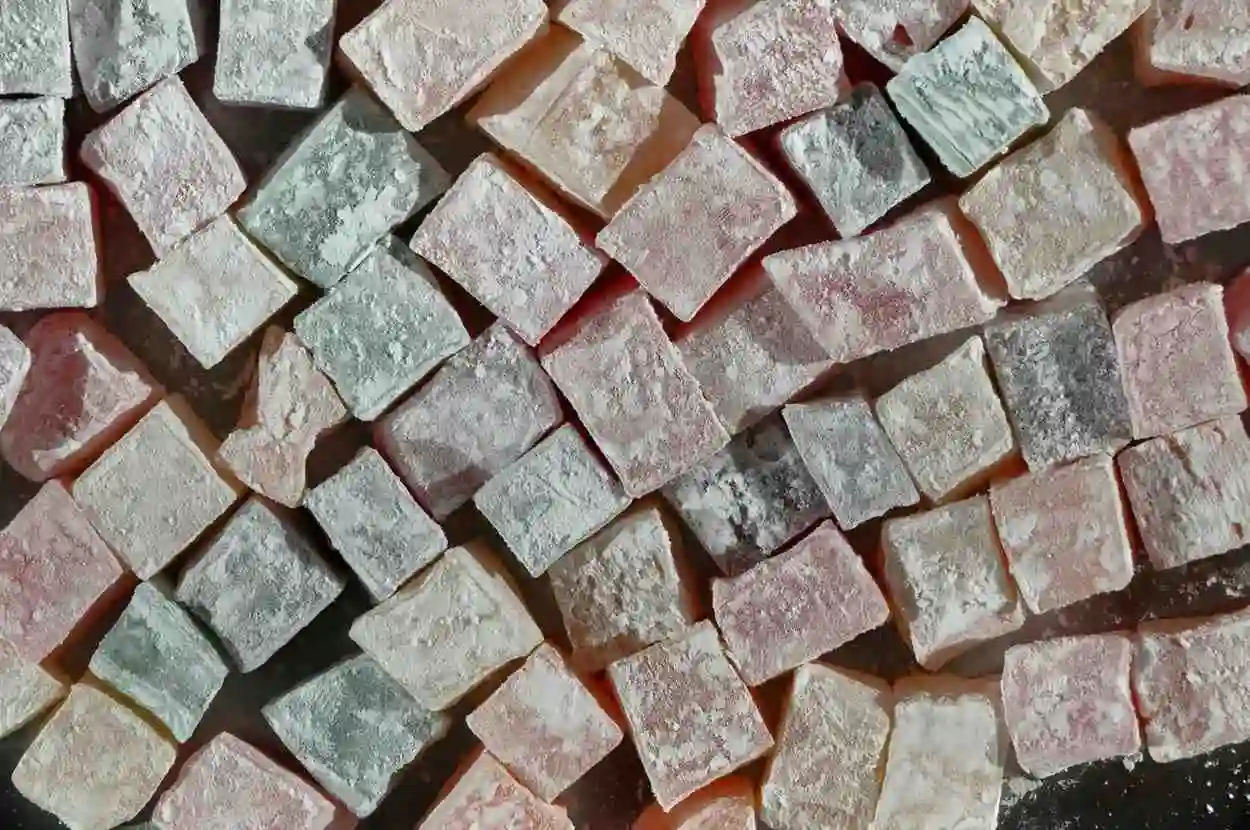
Turkish delight, or lokum, is a soft, chewy sweet traditionally made from sugar and starch. Common flavours include rose, lemon, orange, mint, and pomegranate, while some varieties contain pistachios, hazelnuts, or walnuts.
The pieces are normally cut into small cubes and coated with powdered sugar or starch to prevent sticking. Turkish delight is often served in small portions with tea or coffee.
Basbousa and Semolina Cakes
Basbousa is a moist semolina cake widely enjoyed across Egypt, the Levant, and other parts of the Middle East. It is baked until golden, cut into squares or diamonds, and soaked with a citrus or floral syrup.
Similar Mediterranean semolina cakes include Greek and Turkish revani. These desserts may feature almonds, coconut, yogurt, lemon, or orange, but they share a soft grainy texture and a carefully balanced syrup.
Olive Oil and Citrus Cakes
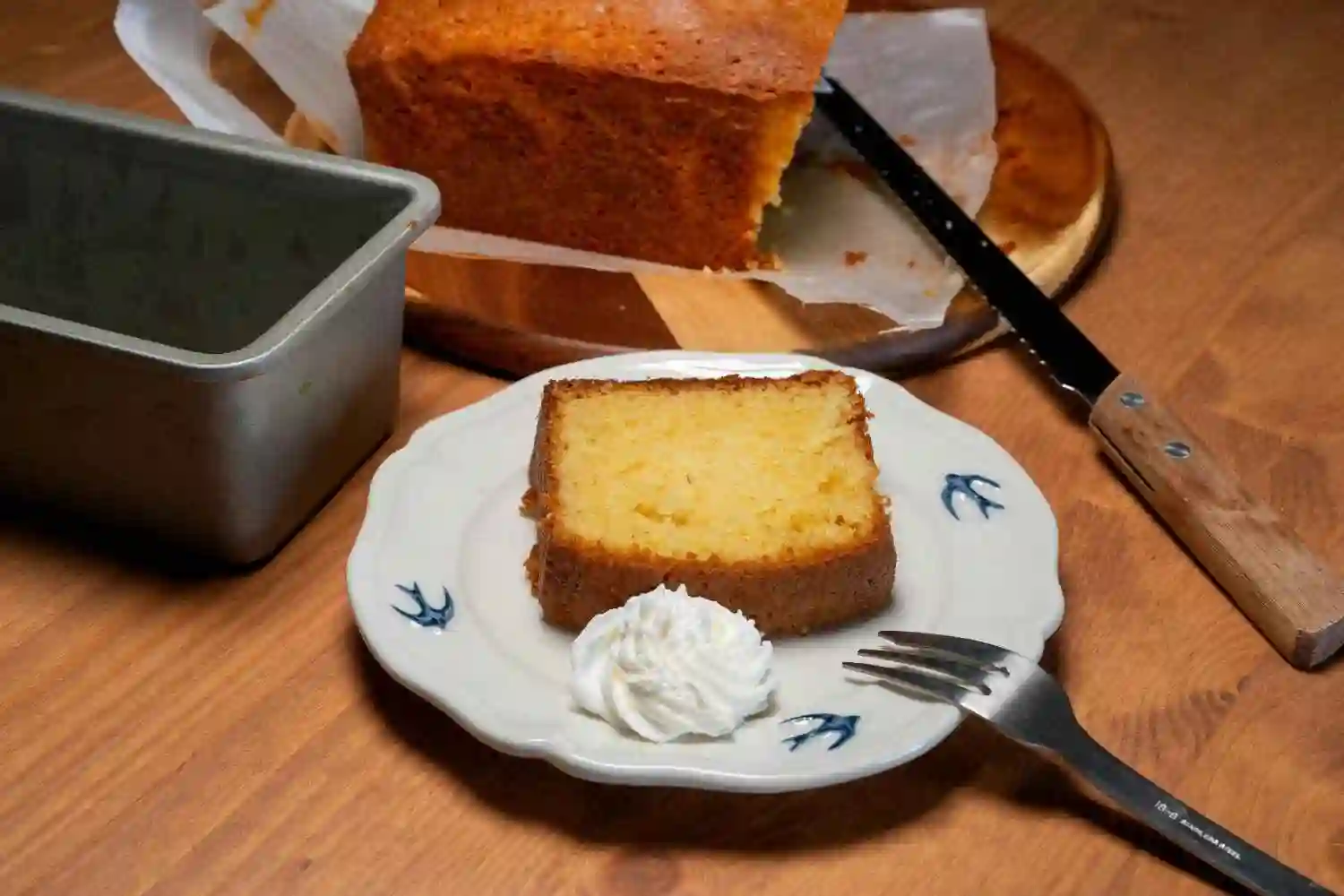
Olive oil cakes are common across Southern Europe and the Mediterranean because olive oil creates moisture without requiring heavy frosting. Lemon, orange, almonds, and yogurt are often used to give the cake a bright, fragrant flavour.
Examples include Greek portokalopita, Italian olive oil cake, and orange-almond cakes found throughout Spain and North Africa. These cakes are usually served simply, with fruit, powdered sugar, yogurt, or a light citrus glaze.
Fruit, Yogurt and Frozen Desserts
Not every Mediterranean dessert is made with pastry or syrup. Fresh figs, dates, oranges, grapes, peaches, and pears are frequently served with honey, nuts, yogurt, or soft cheese.
Frozen favourites include Italian gelato and granita, while yogurt-based panna cotta and chilled fruit desserts offer lighter alternatives to rich pastries. These options highlight the region’s seasonal produce and are especially popular in warm weather.
Pasteli
A traditional Greek sesame-and-honey bar with a crisp or slightly chewy texture.
Kaak Warqa
A delicate Tunisian ring-shaped pastry filled with almond paste and scented with rose water.
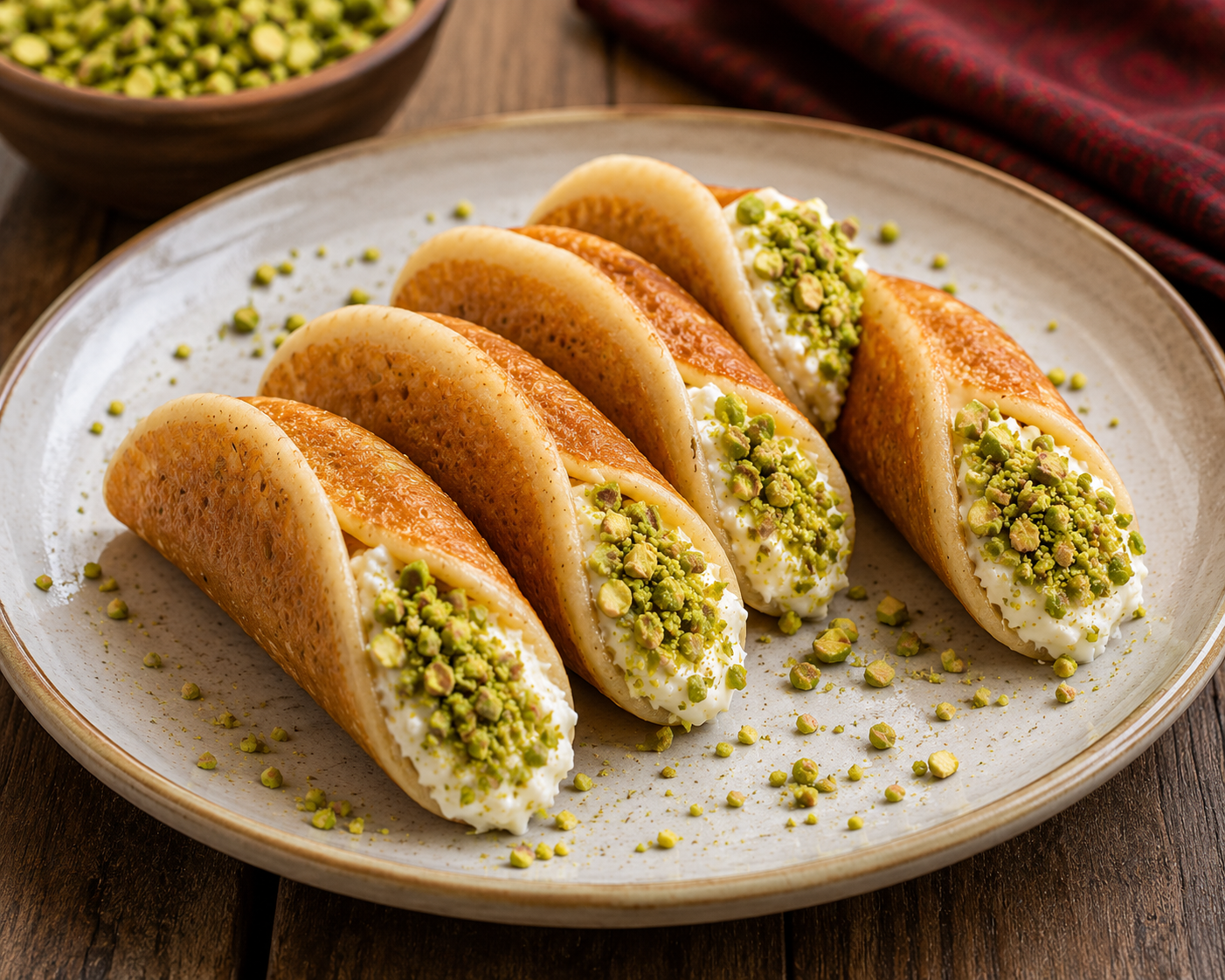
Qatayef
Small folded pancakes filled with nuts or cream, then baked or fried and finished with syrup.
Zalabia
Crisp fried dough pieces soaked in syrup and commonly enjoyed across Egypt and the Eastern Mediterranean.
Umm Ali
A warm Egyptian bread pudding made with pastry, milk, nuts, raisins, and coconut.
Aish El Saraya
A Levantine dessert of syrup-soaked bread topped with thick cream and crushed pistachios.
Sfouf
A Lebanese turmeric cake made with semolina and often topped with sesame seeds or nuts.
Meghli
A Lebanese spiced rice pudding traditionally garnished with coconut, almonds, walnuts, and pistachios.
Qamar Al-Din Pudding
A smooth apricot dessert made from dried apricot paste and commonly served chilled.
Atayef Asafiri
Small uncooked pancakes filled with sweet cream, dipped in pistachios, and served with syrup.
Karidopita
A moist Greek walnut cake flavored with cinnamon and cloves, then soaked in syrup.
Diples
Thin Greek dough sheets folded or rolled after frying and finished with honey and walnuts.
Fanouropita
A fragrant Greek fasting cake commonly flavored with orange, cinnamon, raisins, and nuts.
Mosaiko
A Greek no-bake chocolate biscuit dessert shaped into a log and served in chilled slices.
Tulumba
A Turkish fried pastry with a ridged surface and a soft center soaked in sweet syrup.
Tavuk Göğsü
A traditional Turkish milk pudding known for its smooth, stretchy texture.
Kazandibi
A caramelized Turkish milk pudding with a lightly burned surface and creamy interior.
Şekerpare
Soft Turkish semolina cookies baked until golden and soaked with lemon-scented syrup.
Güllaç
A light Turkish dessert made with thin starch sheets, sweetened milk, rose water, and nuts.
Baci di Dama
Small Italian hazelnut or almond cookies joined together with a layer of chocolate.
Cartellate
Crisp Italian ribbon-shaped pastries traditionally coated with honey or grape syrup.
Seadas
A Sardinian pastry filled with fresh cheese, fried until golden, and served with honey.
Panellets
Small Catalan almond sweets often coated with pine nuts, coconut, or cocoa.
Ensaimada
A spiral-shaped pastry from Mallorca with a light, airy texture and powdered-sugar finish.
M’hanncha
A Moroccan coiled pastry filled with almond paste and scented with citrus or floral water.
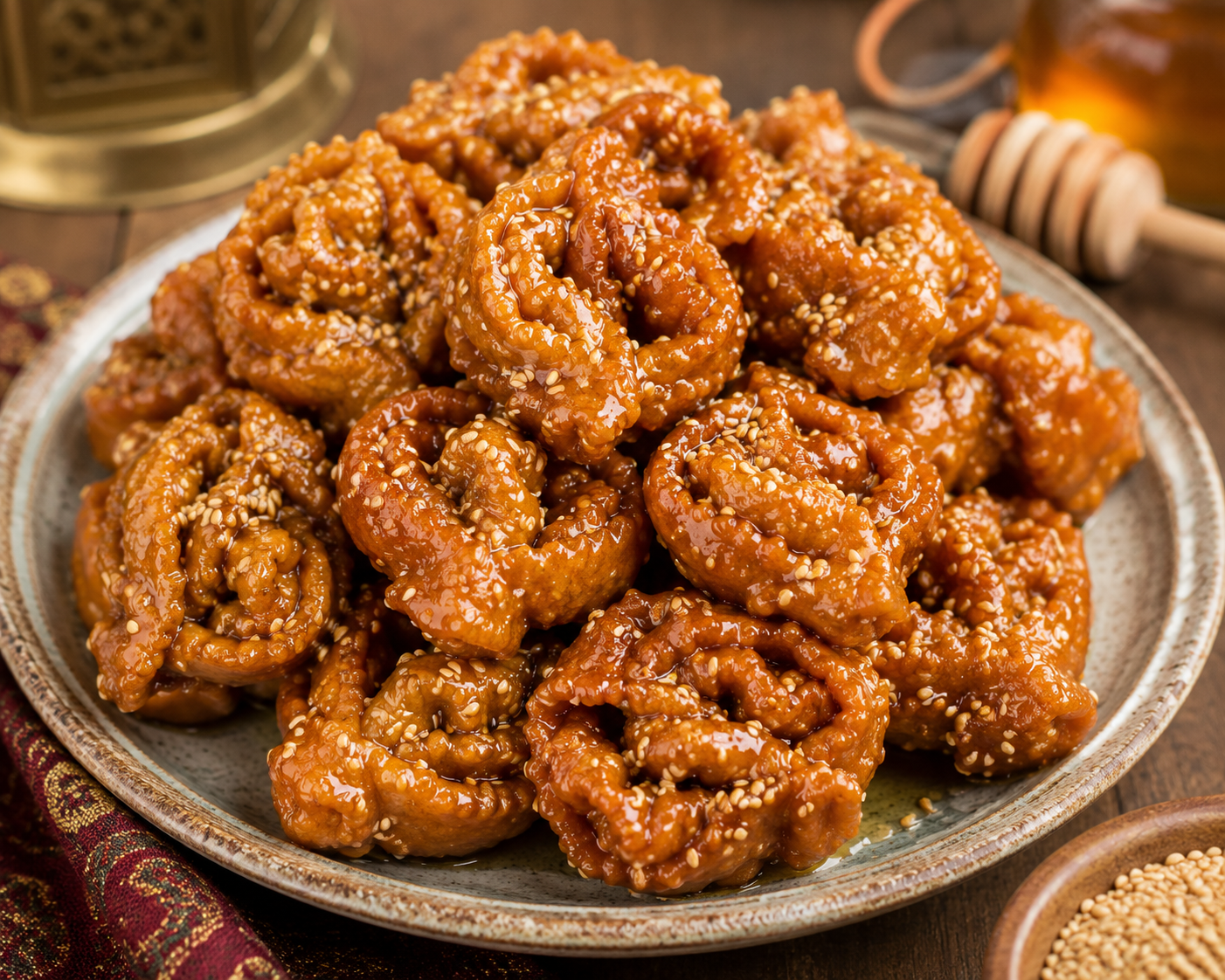
Chebakia
A Moroccan sesame pastry shaped into flowers, fried, coated with honey, and flavored with warm spices.
Mediterranean Desserts by Type
Mediterranean sweets can also be classified by how they are prepared. This makes it easier to compare desserts from different countries that use similar techniques or ingredients.
|
Dessert Type |
Common Examples |
Typical Characteristics |
|
Phyllo and pastry desserts |
Baklava, kataifi, bougatsa, sfogliatelle |
Crisp layers, nuts, cheese, cream, or syrup |
|
Cookies and filled sweets |
Ma’amoul, kourabiedes, biscotti |
Baked, portioned, and often served during celebrations |
|
Cakes and semolina desserts |
Basbousa, revani, olive oil cake |
Moist crumb, citrus, nuts, or syrup |
|
Custards and puddings |
Rice pudding, mahalabia, panna cotta, flan |
Creamy texture with floral, citrus, or spice flavours |
|
Fruit and frozen desserts |
Figs with yogurt, gelato, granita |
Fresh, chilled, and often lighter |
Phyllo and Pastry Desserts
Phyllo-based desserts are among the most recognisable Mediterranean sweets. Thin pastry sheets may be layered, rolled, folded, or shredded before being filled with nuts, cheese, cream, or fruit.
Common examples include baklava, kataifi, bougatsa, and galaktoboureko. Italian pastries such as sfogliatelle use a different laminated technique but create a similarly crisp exterior around a soft filling.
Cookies and Filled Sweets
Mediterranean cookies range from dry, crisp biscuits served with coffee to soft pastries filled with fruit or nuts. Ma’amoul may contain dates or pistachios, while Greek kourabiedes are buttery almond cookies coated in powdered sugar.
Other examples include melomakarona, Italian biscotti, and almond cookies. Many of these sweets keep well, making them suitable for holidays, gifts, and dessert platters.
Cakes and Semolina Desserts
Mediterranean cakes often use olive oil, yogurt, almonds, citrus, or semolina to create moisture and flavour. They are usually finished with syrup, fruit, nuts, powdered sugar, or a light glaze rather than thick layers of frosting.
Basbousa, revani, portokalopita, torta caprese, and Italian olive oil cake all belong to this broad category, despite their different regional origins.
Custards, Puddings and Dairy Desserts
Creamy desserts provide a softer contrast to crisp pastries and cookies. Popular examples include Greek rizogalo, Turkish sütlaç, Middle Eastern mahalabia, Italian panna cotta, Spanish flan, and crema catalana.
These desserts may be flavoured with cinnamon, vanilla, citrus peel, rose water, orange blossom water, or toasted nuts. Most are served chilled, although some rice puddings may also be baked or served warm.
Mediterranean Desserts by Region
Mediterranean desserts reflect the history, climate, and ingredients of the places where they developed. Greece, Turkey, Lebanon, Italy, Spain, the Balkans, and North Africa all have distinct traditions, yet they often share nuts, honey, citrus, semolina, dairy, fruit, and fragrant syrups.
Greek Desserts
Greek desserts often combine phyllo pastry, honey, walnuts, yogurt, citrus, and warm spices. Popular examples include baklava, loukoumades, portokalopita, kourabiedes, galaktoboureko, and rizogalo.
Many Greek sweets balance rich pastry with bright lemon or orange flavours. Honey and cinnamon are also common, especially in fried dough, nut pastries, and traditional holiday cookies.
Turkish Desserts
Turkish desserts range from delicate pastries to creamy puddings and chewy confections. Baklava, Turkish delight, sütlaç, helva, and kadayıf are among the best-known examples.
Pistachios, walnuts, phyllo, semolina, and light sugar syrups appear frequently. Many Turkish desserts use fewer heavy spices, allowing the flavour of the pastry, nuts, or dairy filling to remain prominent.
Lebanese and Levantine Desserts
Lebanese and Levantine desserts are known for floral syrups, pistachios, cashews, dates, semolina, and soft cheeses. Kunafa, ma’amoul, mahalabia, baklava, and stuffed dates are common throughout the region.
Rose water and orange blossom water often add fragrance without making the dessert excessively sweet. Many of these sweets are closely tied to religious holidays, weddings, family visits, and seasonal celebrations.
Italian and Spanish Desserts
Italy and Spain bring cakes, custards, pastries, and frozen desserts into the wider Mediterranean tradition. Italian favourites include tiramisu, cannoli, panna cotta, gelato, biscotti, and olive oil cake.
Spanish desserts include flan, crema catalana, churros, almond cakes, and citrus-based sweets. Compared with many Eastern Mediterranean pastries, these desserts often rely more on eggs, dairy, coffee, chocolate, or cream, while still highlighting almonds, citrus, olive oil, and seasonal fruit.
Balkan and North African Desserts
Balkan desserts often reflect centuries of Ottoman influence, with regional versions of baklava, halva, syrup cakes, and filled pastries appearing across Bosnia, Albania, Bulgaria, and neighbouring countries.
North African sweets introduce dates, almonds, sesame, honey, semolina, and fragrant spices. Examples include makroud, sfinj, almond pastries, orange desserts, and rice puddings flavoured with cinnamon or floral water.
Mediterranean Desserts vs. Middle Eastern Desserts
Mediterranean and Middle Eastern desserts overlap, but the two terms are not identical. Mediterranean desserts come from countries surrounding the Mediterranean Sea, including Southern Europe, North Africa, Turkey, and parts of the Levant. Middle Eastern desserts cover a broader inland region that extends beyond the Mediterranean coast.
|
Feature |
Mediterranean Desserts |
Middle Eastern Desserts |
|
Geographic scope |
Southern Europe, Turkey, North Africa, and parts of the Levant |
The Levant, Arabian Peninsula, Iraq, Iran, and surrounding regions |
|
Common ingredients |
Olive oil, citrus, nuts, yogurt, fruit, phyllo |
Nuts, dates, semolina, dairy, rose water, orange blossom, syrup |
|
Typical examples |
Tiramisu, baklava, panna cotta, loukoumades, gelato |
Kunafa, ma’amoul, basbousa, mahalabia, halva |
|
Shared desserts |
Baklava, rice pudding, halva, semolina cakes |
Baklava, rice pudding, halva, semolina cakes |
The overlap exists because trade, migration, and shared empires allowed ingredients and techniques to travel across the region. A dessert may therefore be described as Mediterranean, Middle Eastern, or both, depending on its origin and cultural context.
Can Mediterranean Desserts Be Healthy?
Some Mediterranean desserts are lighter than others, but the word “Mediterranean” does not automatically make a dessert healthy. Fruit, yogurt, nuts, dates, and olive oil can add fibre, healthy fats, vitamins, and minerals, while pastries soaked in syrup may still be high in sugar and calories.
Lighter choices often include:
- fresh fruit with yogurt and nuts;
- baked pears, apples, or figs;
- stuffed dates in small portions;
- rice pudding with limited added sugar;
- almond or olive oil cakes served in modest slices;
- dark chocolate paired with fruit or nuts.
Rich pastries such as baklava, kunafa, and syrup cakes can still be enjoyed, but portion size and frequency matter. The most practical approach is to treat these desserts as occasional foods rather than assuming every traditional sweet is suitable for everyday eating.
Desserts on the Mediterranean Diet
The Mediterranean diet does not ban dessert. Instead, it encourages fruit, nuts, yogurt, olive oil, and minimally processed ingredients, while richer sweets are generally enjoyed less often.
Good dessert options include:
- fresh fruit;
- Greek yogurt with honey;
- dates filled with nuts;
- baked apples or pears;
- dark chocolate with almonds;
- olive oil cake;
- rice pudding;
- small portions of baklava or semolina cake.
The focus is usually on balance rather than restriction. A simple fruit- or yogurt-based dessert may suit everyday meals, while rich pastries are better reserved for celebrations or occasional treats.
Gluten-Free and Vegan Options
Several Mediterranean desserts can be adapted for gluten-free or vegan diets, but ingredients vary by recipe.
Naturally gluten-free options may include:
- rice pudding;
- yogurt with honey and fruit;
- stuffed dates;
- flourless almond cake;
- some halva varieties;
- panna cotta, when prepared without gluten-containing additives.
Vegan options may include:
- fresh or baked fruit;
- tahini halva;
- date-and-nut bites;
- olive oil cakes made without eggs;
- rice pudding made with plant-based milk;
- Turkish delight without gelatin.
Traditional baklava, ma’amoul, cakes, and filled pastries may contain wheat, dairy, eggs, honey, or nuts. Anyone with allergies or strict dietary needs should always confirm the recipe and cross-contact risks. For event planning, explore our gluten-free catering options in San Diego.
Easy Mediterranean Dessert Ideas
Not every Mediterranean dessert requires advanced pastry skills. Many easy options depend on fruit, yogurt, nuts, honey, or simple baked ingredients rather than complicated doughs and syrups.
No-Bake Mediterranean Desserts
Simple no-bake ideas include:
- dates filled with walnuts, almonds, or pistachios;
- Greek yogurt with honey and fresh fruit;
- figs served with ricotta or soft cheese;
- orange slices with cinnamon and mint;
- tahini-date bites rolled in sesame;
- dark chocolate paired with nuts and dried fruit;
- chilled rice or milk pudding prepared in advance.
These desserts work well for quick meals, warm-weather gatherings, or situations where a lighter finish is preferred.
Simple Baked Dessert Ideas
Easy baked choices include olive oil cake, semolina cake, baked pears, rice pudding, and pistachio cookies. These desserts use familiar pantry ingredients and can be served with fruit, yogurt, honey, or nuts.
They also offer a practical introduction to Mediterranean flavours without requiring the detailed layering and syrup technique used in pastries such as baklava.
How Mediterranean Desserts Are Served
Mediterranean desserts are often served in small portions after a meal or shared as part of a larger dessert platter. They may appear at weddings, holidays, family gatherings, religious celebrations, and catered events.
Presentation is usually simple. Nuts, powdered sugar, citrus zest, cinnamon, fruit, or floral syrup provide the finishing touch rather than heavy frosting.
Coffee, Tea and Dessert Pairings
Common pairings include:
- Turkish coffee with baklava or Turkish delight;
- Arabic coffee with ma’amoul or dates;
- espresso with tiramisu, biscotti, or cannoli;
- mint tea with North African pastries;
- black tea with cookies, halva, or syrup cakes.
Unsweetened drinks are especially popular with rich desserts because they complement the flavour without adding more sweetness.
Mediterranean Dessert Platters for Events
Dessert platters make it easy to serve several flavours and textures at once. A balanced platter may include:
- small baklava pieces;
- ma’amoul or Mediterranean cookies;
- stuffed dates;
- Turkish delight;
- fresh fruit;
- pistachios or almonds;
- small portions of semolina cake.
For office lunches, family celebrations, and larger events, learn more about Mediterranean catering in San Diego.
Where to Find Mediterranean Desserts in San Diego
Whether you’re craving a flaky piece of baklava, a rich Mediterranean pastry, or a complete dessert platter to finish your meal, enjoying authentic Mediterranean sweets starts with fresh ingredients and traditional preparation. At Micheline’s Pita House, our desserts are inspired by the flavors that have been enjoyed across the Mediterranean for generations.
Many of these classic sweets pair perfectly with grilled specialties, fresh salads, and traditional appetizers, creating a complete Mediterranean dining experience rather than simply ending the meal with dessert.
If you’re exploring our restaurant for the first time, view our Mediterranean menu to discover the desserts and authentic Mediterranean dishes currently available.
Planning a gathering or special event? Our Mediterranean catering in San Diego makes it easy to serve traditional Mediterranean favorites for family celebrations, office lunches, birthdays, and private events.
If you’re searching for Mediterranean desserts near you, you can also find a Micheline’s Pita House location and enjoy authentic Mediterranean flavors at one of our San Diego restaurants.
And if you’d like to learn more about one of the region’s most iconic sweets, explore our complete guide to Baklava, including its history, ingredients, regional variations, and nutrition facts.
Frequently Asked Questions About Mediterranean Desserts
What are the most popular Mediterranean desserts?
Some of the best-known Mediterranean desserts include baklava, kunafa, ma’amoul, loukoumades, halva, Turkish delight, rice pudding, olive oil cake, gelato, panna cotta, and basbousa. Although their recipes differ, they often feature ingredients such as honey, nuts, citrus, olive oil, and fragrant floral waters.
What makes a dessert Mediterranean?
A Mediterranean dessert is defined more by its regional traditions and ingredients than by a single recipe. Many desserts from countries surrounding the Mediterranean Sea use fresh fruit, nuts, honey, olive oil, yogurt, semolina, or phyllo pastry, reflecting centuries of shared culinary history.
Is baklava a Mediterranean dessert?
Yes. Baklava is one of the best-known Mediterranean desserts and is enjoyed throughout Turkey, Greece, the Levant, the Balkans, and neighboring regions. While recipes vary by country, the classic combination of flaky phyllo pastry, chopped nuts, and sweet syrup remains its defining characteristic. Learn more in our complete guide to Baklava.
What desserts can you eat on the Mediterranean diet?
The Mediterranean diet encourages moderation rather than eliminating dessert completely. Fresh fruit, Greek yogurt with honey, dates filled with nuts, olive oil cake, rice pudding, and small portions of traditional pastries can all fit within a balanced eating pattern when enjoyed occasionally.
Are Mediterranean desserts healthy?
Some Mediterranean desserts offer more nutritious ingredients than heavily processed sweets because they often include nuts, fruit, yogurt, olive oil, and natural sweeteners. However, desserts such as baklava, kunafa, and syrup-soaked cakes are still high in sugar and calories, making portion size an important consideration.
Are there gluten-free Mediterranean desserts?
Yes. Naturally gluten-free Mediterranean desserts may include rice pudding, stuffed dates, fresh fruit with yogurt, flourless almond cakes, and some varieties of halva. Since recipes vary, anyone with food allergies or celiac disease should always confirm ingredients before eating.
What Mediterranean desserts use pistachios?
Pistachios are widely used in Mediterranean desserts, especially baklava, kunafa, Turkish delight, ma’amoul, halva, and many traditional pastries from Turkey, Greece, and the Levant. They add both flavor and texture while contributing to the desserts’ distinctive appearance.
What Mediterranean desserts use cheese?
Several Mediterranean desserts feature cheese as a key ingredient. Kunafa is perhaps the best-known example, but galaktoboureko, cannoli, sfogliatelle, and certain regional pastries also use soft cheeses or creamy dairy fillings to create a rich, balanced texture