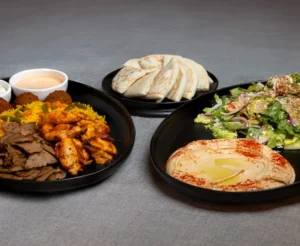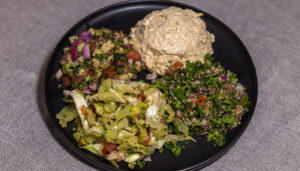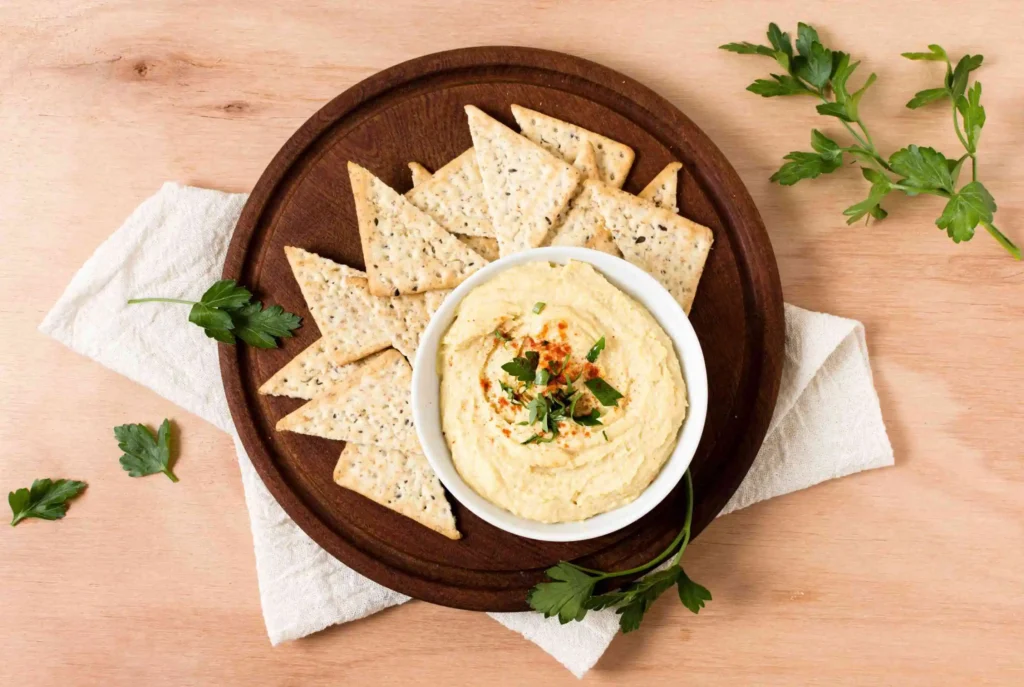
Tahini is one of those ingredients that shows up quietly on Mediterranean tables, yet once you notice it, you start seeing it everywhere.
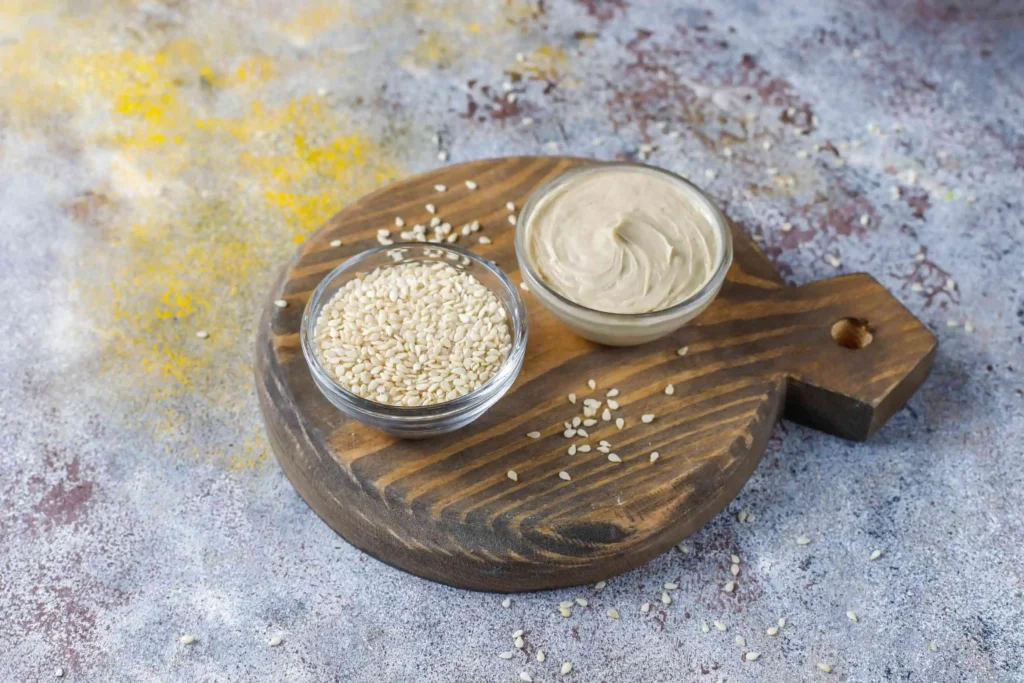
Tahini is a smooth, creamy paste made from ground sesame seeds.
It’s a foundational ingredient in Mediterranean and Middle Eastern cooking, used to build sauces, dressings, and dips that feel rich, balanced, and deeply satisfying.
Here at Micheline’s Pita House, we treat tahini as more than just an ingredient. It’s part of how we bring dishes together — adding depth without heaviness, creaminess without dairy, and flavor without overpowering what’s already on the plate. This approach reflects how we define Authentic Mediterranean Cuisine — honest food made with purpose, balance, and care.
If you’ve ever dipped warm pita into hummus or wondered what gives Mediterranean sauces their signature richness, tahini is often the answer. It plays a quiet but essential role in many of the dishes people associate with What Is Mediterranean Food? — not flashy, but deeply rooted in tradition.
If you’ve ever wondered:
- what tahini actually is
- what it’s made from
- what it tastes like
- or why it shows up so often in Mediterranean food
I’ll walk you through it step by step, the same way we explain it to guests in our kitchen.
What Is Tahini Made Of?
One of the reasons tahini has lasted for generations in Mediterranean cooking is its simplicity. There’s nothing complicated hiding behind the flavor — just a single ingredient treated with care.
At its core, tahini is made by grinding sesame seeds until they release their natural oils and turn into a smooth, creamy paste. That’s why the best tahini tastes rich and nutty without needing added flavors or sweeteners.
Tahini Main Ingredients Explained
Traditional tahini is made from:
- Sesame seeds (the main ingredient)
- Occasionally a small amount of neutral oil
- Sometimes a pinch of salt
That’s it.
When people ask“what are the ingredients in tahini?”, the answer is refreshingly short. Sesame seeds do all the work on their own, which is why tahini fits so naturally into the Mediterranean way of cooking — simple ingredients, thoughtfully prepared.
Sesame Paste vs Tahini — Is There a Difference?
This is a common point of confusion, especially when people see different labels at the store.
In everyday conversation, sesame paste and tahini are often used interchangeably, but there can be subtle differences:
- Tahini (sometimes called tahina):
Usually made from hulled sesame seeds, lighter in color, smoother in texture, and more balanced in flavor. - Sesame paste:
Often made from more heavily roasted seeds, darker, thicker, and stronger in taste.
You may also hear tahini described as tahini butter. That doesn’t mean it’s dairy-based — it simply refers to the creamy, spreadable texture that comes from finely ground sesame seeds.
In Mediterranean kitchens, including ours, when we say tahini, we’re talking about the smooth, sesame-forward paste that becomes the base for sauces, dressings, and classic dishes served alongside favorites like hummus and falafel. If you’re curious how tahini works inside these dishes, our guide on Baba Ganoush vs Hummus breaks that relationship down beautifully.
What Does Tahini Taste Like?
This is usually the moment people lean in and ask the real question — “But what does it actually taste like?”
Tahini has a nutty, earthy flavor with a creamy texture that feels rich without being heavy. It’s savory, not sweet, and its taste becomes more rounded and mellow once it’s mixed into a sauce or dressing.
On its own, tahini can taste bold. When balanced properly, it becomes smooth, comforting, and incredibly versatile — which is why it shows up so often in Mediterranean food.
Tahini Flavor Profile (Simple Explanation)
If you’re tasting tahini for the first time, here’s what to expect:
- Nutty and sesame-forward
- Earthy, not sugary
- Creamy and smooth
- Slightly bitter at first (especially if it’s very roasted or unbalanced)
A common question we hear is “is tahini sweet?”
No — tahini is naturally savory, and that’s exactly what makes it work so well with grilled meats, vegetables, and fresh salads.
When tahini tastes overly bitter or chalky, it’s often a sign that it’s old, very heavily roasted, or hasn’t been balanced properly.
What Does Tahini Sauce Taste Like?
Tahini sauce tastes very different from tahini straight out of the jar.
Once we turn tahini into a sauce — by whisking it with lemon, garlic, water, and salt — the flavor becomes:
- Bright and tangy
- Creamy and smooth
- Savory without being heavy
Garlic tahini, in particular, has a mellow richness that complements everything from falafel to roasted vegetables. It’s one of those sauces that doesn’t overpower a dish — it ties everything together.
This balance is why tahini-based sauces pair so naturally with classic Mediterranean plates and why guests often ask about the sauce before they even ask about the protein. You’ll notice that same balance across many dishes featured in our Authentic Mediterranean Cuisine
What Is Tahini Used For?
Tahini is one of those ingredients that quietly does a lot of work in Mediterranean cooking. It’s rarely meant to stand alone — instead, it brings balance, richness, and depth to the dishes it’s part of.
In our kitchen, we use tahini to soften bold flavors, tie ingredients together, and add a creamy finish without relying on dairy. That’s why it shows up across so many traditional Mediterranean plates.
Common Uses of Tahini in Mediterranean Cuisine
Tahini has long been a staple in Middle Eastern and Mediterranean cooking, especially as a base for sauces and dips.
Some of the most common ways tahini is used include:
- Mixed into hummus to create its signature smooth texture
- Served alongside falafel as a classic pairing
- Drizzled over grilled meats and vegetables
- Whisked into salad dressings
- Used in traditional dishes across the Mediterranean and Levant
You’ll often find tahini at the table in restaurants that focus on balance and freshness — the same philosophy behind our approach to Authentic Mediterranean Cuisine.
What Can You Make With Tahini?
If you’re wondering what to actually do with tahini at home — or what to order confidently — here are some easy, familiar uses:
- Lemon tahini dressing for salads and bowls
- Tahini salad sauce for grain and veggie dishes
- Tahini sauce for falafel and pita sandwiches
- Tahini sauce for shawarma and kabobs
- A drizzle over roasted vegetables
- A creamy base for Mediterranean-style dips
Tahini is especially popular with guests who enjoy plant-forward or balanced meals, which is why it pairs so naturally with dishes found in our Healthy Mediterranean Salads and Vegetarian Mediterranean Diet offerings.
What Is Tahini Sauce?
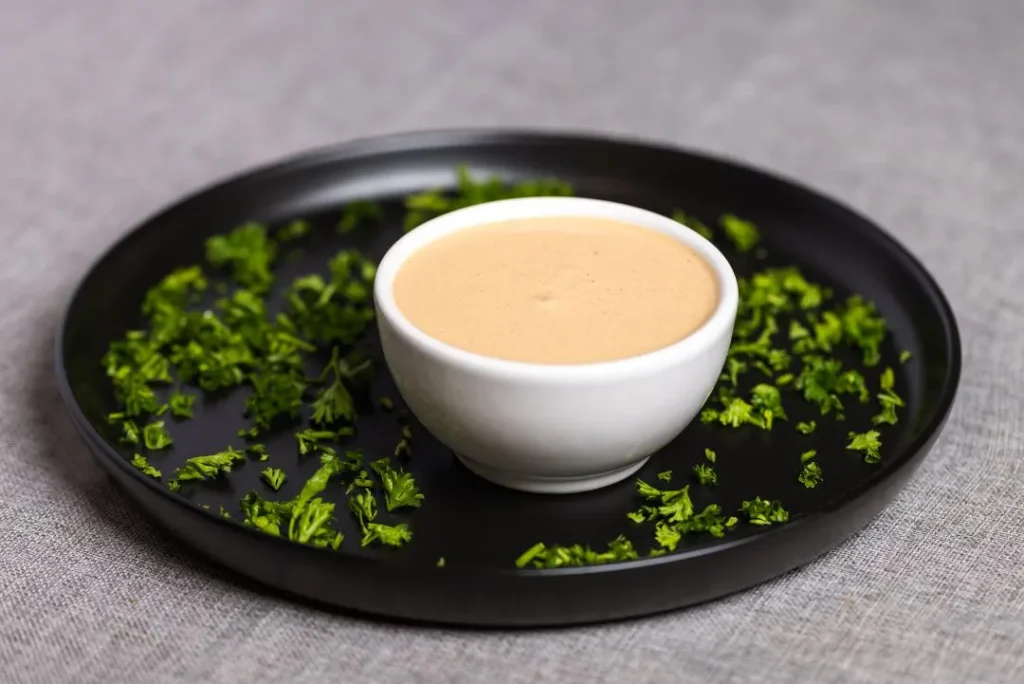
Tahini sauce is where tahini truly comes to life.
While tahini paste on its own is rich and concentrated, tahini sauce is made by loosening that paste with a few simple ingredients until it becomes smooth, pourable, and perfectly balanced. This is the version most people fall in love with — the one drizzled over falafel, salads, and grilled dishes.
In Mediterranean cooking, tahini sauce isn’t meant to be heavy. It’s meant to be bright, creamy, and refreshing.
Tahini Paste vs Tahini Sauce (Key Differences)
Although they’re related, tahini paste and tahini sauce serve very different purposes:
- Tahini paste
Thick, dense, and sesame-forward. Best used as an ingredient. - Tahini sauce / tahini dressing
Thinner, smoother, and balanced with lemon, garlic, water, and salt. Ready to eat.
This difference explains why tasting tahini straight from the jar can feel intense, while tahini sauce tastes mellow and approachable. Once it’s balanced, the flavor softens and becomes incredibly versatile.
Popular Tahini Sauces on Mediterranean Tables
Across Mediterranean kitchens, tahini is transformed into sauces that complement a wide range of dishes. Some of the most popular include:
- Garlic tahini
Creamy, savory, and gently aromatic — a classic pairing with falafel and grilled proteins. - Lemon tahini dressing
Bright and tangy, perfect for salads and grain bowls. - Tahini salad sauce
A smooth, balanced dressing that ties fresh vegetables together. - Tahini sauce for falafel
A traditional match that adds richness without overpowering. - Tahini sauce for chicken
Especially popular with grilled or roasted chicken dishes.
If you enjoy sauces that bring a dish together without masking its flavors, you’ll notice this same balance across our Signature Sauces — each one designed to complement, not compete.
Is Tahini Healthy?
This is one of the most common questions we hear, especially from guests who care about eating well without giving up flavor.
Tahini can absolutely be part of a healthy, balanced way of eating — especially when it’s used the Mediterranean way: thoughtfully, in proper portions, and alongside fresh vegetables, grains, and proteins.
Rather than thinking of tahini as “good” or “bad,” we think of it as nutrient-dense and satisfying, which helps meals feel complete instead of heavy.
Tahini Nutrition Overview
Tahini is made from sesame seeds, which naturally contain:
- Healthy fats
- Plant-based nutrients
- Natural oils that contribute to satiety
Because it’s seed-based, tahini fits easily into plant-forward meals and is often enjoyed by guests following vegetarian or Mediterranean-style diets. You’ll notice this balance reflected across dishes featured in our Healthy Food Restaurants and Vegetarian Mediterranean Diet guides.
Health Benefits of Tahini
When enjoyed as part of a balanced meal, tahini offers several benefits people appreciate:
- Adds creaminess without dairy
- Supports plant-forward eating
- Helps vegetables and grains feel more satisfying
- Works naturally with high-protein Mediterranean dishes
This is one reason tahini-based sauces are so common in Mediterranean cooking — they bring richness while still aligning with a health-conscious approach to food.
Is Tahini Bad for You?
Tahini isn’t “bad” — but it is rich.
Because it’s concentrated, a little goes a long way. When tahini is used thoughtfully, it enhances meals without overwhelming them. This is why in traditional Mediterranean cooking, tahini is usually balanced with lemon, garlic, and water, rather than used heavily or on its own.
When guests ask us about healthier choices, we often suggest dishes where tahini is used as a supporting element, not the entire focus — the same philosophy behind our approach to Healthy Mediterranean Salads.
Is Tahini Vegan, Vegetarian, and Gluten-Free?
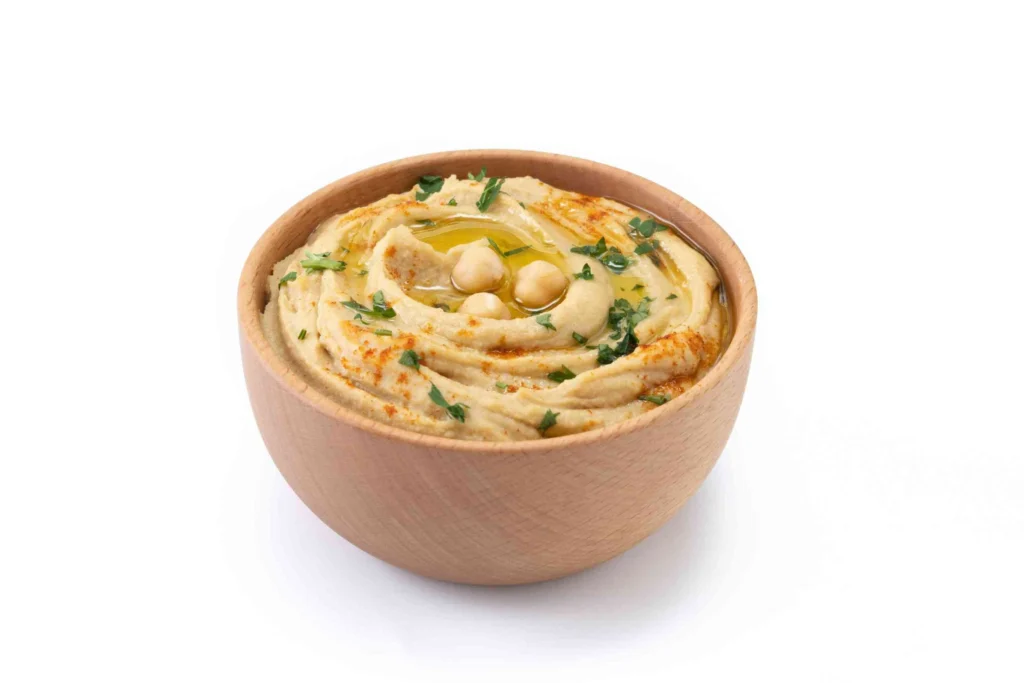
Tahini is one of those ingredients that naturally fits a wide range of dietary needs without trying to be anything it’s not. That’s part of why it has stayed so central to Mediterranean cooking for generations.
Is Tahini Vegan and Vegetarian?
Yes — tahini is naturally vegan and vegetarian.
Because tahini is made from ground sesame seeds, it contains no animal products. This makes it a popular choice for guests who eat plant-forward or who prefer dairy-free sauces that still feel rich and satisfying.
That’s also why tahini shows up so often in dishes enjoyed by people following a Vegetarian Mediterranean Diet — it brings body and flavor without relying on cream or cheese.
Is Tahini Sauce Gluten Free?
In its traditional form, tahini sauce is gluten-free.
Classic tahini sauce is made with:
- Tahini paste
- Lemon juice
- Garlic
- Water
- Salt
None of these ingredients contain gluten. As always, when buying packaged sauces, it’s smart to check labels — but the Mediterranean version is naturally gluten-free.
Is Tahini Low FODMAP?
Tahini can be low FODMAP [ FODMAP stands for Fermentable Oligosaccharides, Disaccharides, Monosaccharides, and Polyols] in moderate portions, depending on individual sensitivity.
Because tahini is made from sesame seeds rather than legumes, many people tolerate it well. However, like most rich foods, portion size matters. When we serve tahini, it’s typically balanced with other ingredients and used as a sauce or dressing rather than in large amounts.
If you’re following a sensitive or elimination-style diet, starting with a small portion is always the safest approach.
How Is Tahini Made?
Tahini has been made the same way for generations — slowly, simply, and with respect for the ingredient. There’s no shortcut that improves it, which is part of why it has stayed such a staple in Mediterranean kitchens.
At its heart, tahini is about letting sesame seeds do what they naturally do when treated properly.
From Sesame Seeds to Tahini Paste
The traditional process looks like this:
- Sesame seeds are cleaned and sorted
- The seeds are sometimes lightly roasted to deepen flavor
- They’re ground until smooth, releasing natural oils
- The mixture turns into a creamy, pourable paste
That’s it.
Roasting level plays a big role in flavor. Lightly roasted seeds create a milder, smoother tahini, while more roasted seeds produce a deeper, bolder taste. In Mediterranean cooking, both styles exist — it simply depends on how the tahini will be used.
Tahini Powder vs Tahini Paste (Gap Topic)
Tahini is traditionally a paste, not a powder.
If you come across something labeled “tahini powder,” it’s usually a processed or dehydrated product designed for shelf stability or convenience. While it can have its uses, it doesn’t behave the same way in sauces or dressings.
In our kitchen, and across traditional Mediterranean cooking — tahini paste is the standard. It blends smoothly, emulsifies properly with lemon and water, and delivers the texture people expect from a true tahini sauce.
Tahini vs Similar Mediterranean Condiments
Tahini is often grouped with other Mediterranean sauces and spreads, which makes sense — they’re served together, ordered together, and sometimes confused for one another. But each one plays a very different role at the table.
Here’s how tahini compares to the most commonly mixed-up condiments.
Tahini vs Tzatziki
These two sauces are often seen side by side, but they’re built on completely different foundations.
- Tahini
Made from ground sesame seeds. Nutty, savory, dairy-free, and rich. - Tzatziki
Made from yogurt, cucumber, and garlic. Cool, tangy, and creamy with dairy.
If you’re choosing between the two, it usually comes down to whether you want something bright and cooling or something nutty and grounding. Many guests enjoy both, depending on the dish.
Tahini vs Hummus
This is one of the most common misunderstandings.
- Tahini is an ingredient — a sesame paste.
- Hummus is a finished dish — made from chickpeas, tahini, lemon, garlic, and olive oil.
Tahini gives hummus its signature smoothness and depth. Without tahini, hummus would taste flatter and heavier. If you’re curious how tahini shapes different dips, our comparison Baba Ganoush vs Hummus explains that relationship clearly.
Tahini vs Tajin (Confusion Keyword)
This one catches a lot of people off guard because the names sound similar.
- Tahini
A sesame seed paste used in Mediterranean and Middle Eastern cooking. - Tajín
A chili-lime seasoning blend, completely unrelated in flavor or use. - They’re not substitutes for one another — and if you’ve ever wondered why your dish tasted confusing, this mix-up is often the reason.
Raw vs Roasted Tahini — Which One Tastes Better?
The difference between raw and roasted tahini comes down to flavor depth, not quality. Both are traditional, and both have a place in Mediterranean cooking.
- Raw tahini is made from sesame seeds that haven’t been roasted.
It has a lighter color, a milder, more neutral taste, and blends easily into dressings and sauces where you don’t want the sesame flavor to dominate. - Roasted tahini is made from sesame seeds that are lightly roasted before grinding.
It has a deeper, toastier flavor and a more pronounced nuttiness.
So which one tastes better?
In our experience, it depends on how it’s used. Raw tahini is often preferred for sauces and dressings because it stays smooth and balanced, while roasted tahini works beautifully when you want a bolder sesame presence.
Neither is “right” or “wrong” — it’s simply about the role tahini plays in the dish.
Tahini Texture Explained — Thick, Runny, or Creamy?
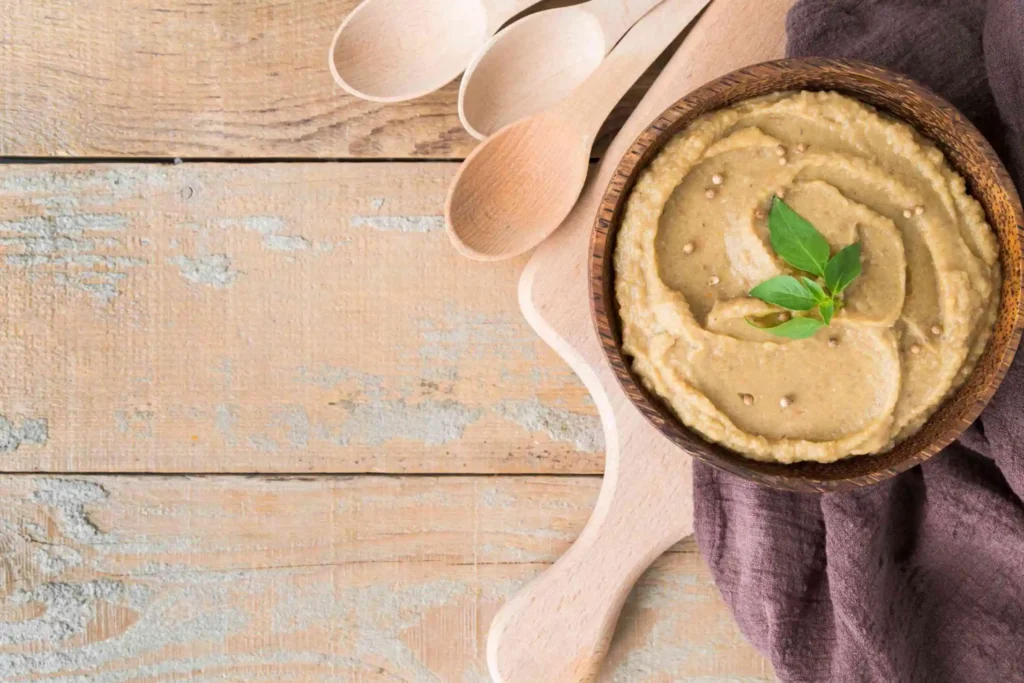
If you’ve ever opened a jar of tahini and wondered why it looks thicker or runnier than expected, you’re not alone. Tahini texture can vary a lot — and most of the time, that’s completely normal.
Tahini can be:
- Thick and dense
- Smooth and creamy
- Slightly runny and pourable
All of these textures can be correct, depending on how the tahini was made and how it’s being used.
A few things influence tahini’s texture:
- Whether the sesame seeds were hulled or unhulled
- How finely the seeds were ground
- Whether the seeds were raw or roasted
- Temperature (cold tahini thickens quickly)
Good tahini should always feel smooth, not gritty or chalky. If it feels very stiff straight from the jar, that doesn’t mean it’s bad — it usually just needs to be stirred, warmed slightly, or balanced into a sauce.
This natural variation is why tahini works so well in Mediterranean cooking. It adapts — becoming thick for spreads or loosened into sauces and dressings depending on what the dish needs.
Can Tahini Be Used as a Butter or Dairy Alternative?
Tahini is often compared to butter or creamy dairy-based sauces — not because it tastes the same, but because it plays a similar functional role in Mediterranean cooking.
Tahini adds:
- Creaminess
- Body
- Rich mouthfeel
All without using dairy.
That’s why tahini has long been used in Mediterranean kitchens as a natural alternative in sauces, dressings, and spreads — especially in plant-forward dishes.
Because tahini is made from sesame seeds, it’s completely dairy-free and works well for guests looking for vegan or vegetarian options. You’ll often hear people describe it as “tahini butter,” simply because of its smooth, spreadable texture — not because it contains butter.
When balanced properly, tahini can:
- Replace creamy dressings
- Add richness to vegetables and grains
- Create satisfying sauces without cream or cheese
This is one reason tahini shows up so often in dishes enjoyed by people following a Vegetarian Mediterranean Diet — it delivers comfort and fullness without relying on dairy.
Common Mistakes People Make With Tahini
Tahini is simple, but it’s often misunderstood. Most people who say they “don’t like tahini” usually just haven’t had it prepared the right way.
Here are the most common mistakes we see:
Thinking Tahini Is Sweet
Tahini isn’t meant to be sweet. It’s a savory, nutty ingredient made from sesame seeds. When someone expects a peanut-butter-style sweetness, the first taste can feel surprising.
Once you know tahini is savory, it makes much more sense — especially when paired with lemon, garlic, and salt.
Not Stirring Separated Oil
Like natural nut butters, tahini separates over time. The oil rising to the top is completely normal.
If tahini isn’t stirred well before using, the texture and flavor will feel off — either too oily or too thick. A good stir makes all the difference.
Using It Straight From the Jar Without Balancing
Tahini paste on its own is concentrated. It’s meant to be balanced, not eaten straight like a finished sauce.
When tahini is whisked with lemon, garlic, water, and salt, it transforms into something smooth, bright, and approachable. This balance is exactly how tahini is traditionally used in Mediterranean kitchens.
Tips for Making Better Tahini (Non-Recipe)
Tahini doesn’t need complicated techniques to taste good — it just needs balance and a little patience. Most texture or flavor issues come down to how it’s handled, not the ingredient itself.
These are the same simple principles we follow in our kitchen.
Tips for Making Tahini Taste Smooth and Balanced
To get the best flavor out of tahini:
- Stir the jar well before using
- Add lemon juice first to brighten the flavor
- Use garlic sparingly so it supports, not dominates
- Season with salt to bring everything together
- Whisk longer than you think — tahini smooths out with time
Tahini often looks like it’s “fighting back” at first, but with steady mixing, it becomes creamy and cohesive.
How to Fix Bitter or Thick Tahini
If tahini tastes bitter:
- It may be old or very heavily roasted
- Balance it with lemon and salt
- Avoid adding sweetness — bitterness usually needs acidity, not sugar
If tahini becomes very thick:
- Add water slowly, not all at once
- Keep whisking — it often loosens after a brief thickening stage
- Let it rest for a minute, then adjust again
This natural thickening-and-smoothing process is normal and one of the reasons tahini sauces feel so silky when done right.
How to Store Tahini Properly?
Tahini is a natural product made from sesame seeds, so it behaves a lot like natural nut or seed butters. With proper storage, it keeps well and stays flavorful for a long time.
Does Tahini Need to Be Refrigerated?
Tahini does not always need to be refrigerated, but refrigeration can help extend freshness.
- Unopened tahini can be stored in a cool, dry pantry
- Opened tahini can be kept at room temperature if used regularly
- Refrigerating tahini can slow spoilage, but it will make it thicker
If tahini thickens in the fridge, letting it come back to room temperature and stirring it well usually restores a smoother texture.
How Long Does Tahini Last?
Tahini typically lasts:
- Several months after opening when stored properly
- Longer when kept sealed and protected from heat and light
Always check the label on store-bought tahini, but your senses matter too — smell and taste will tell you a lot.
Signs Tahini Has Gone Bad
Tahini should smell nutty and pleasant. It may be time to discard it if you notice:
- A sharp or rancid smell
- An unpleasant, sour taste
- Visible mold
Natural oil separation is normal — spoilage is not.
Can You Freeze Tahini?
Yes, tahini can be frozen.
Freezing can slightly change the texture once thawed, but it remains usable. Stir well after thawing to bring it back together before using it in sauces or dressings.
What Aisle Is Tahini Sauce In?
If you’re looking for tahini or tahini sauce in a grocery store, where you find it often depends on the store’s layout.
Most commonly, tahini is found in:
- The international or Middle Eastern foods aisle
- The nut butter aisle, near peanut butter and almond butter
- Occasionally near salad dressings or specialty condiments
Tahini paste is more common than ready-made tahini sauce. Many Mediterranean kitchens — including ours — prefer starting with tahini paste and turning it into a sauce fresh, so the flavor stays balanced and vibrant.
If you’re unsure, checking specialty or Mediterranean markets usually makes it easier to find high-quality tahini with better texture and flavor.
Tahini in Mediterranean Cooking at Micheline’s Pita House
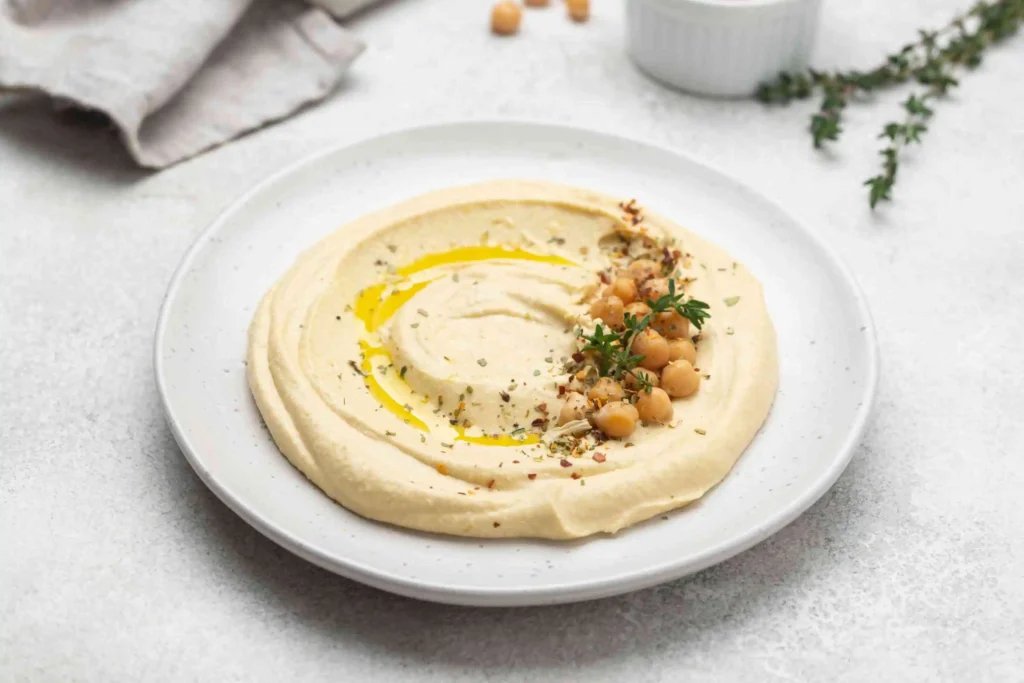
Tahini isn’t an afterthought in Mediterranean cooking — it’s a foundation. Long before it became trendy, it was already part of everyday meals, shared tables, and family kitchens across the Mediterranean.
At Micheline’s Pita House, we treat tahini the same way it’s always been treated: with respect, balance, and intention. It’s one of the ingredients that quietly ties our menu together, supporting bold flavors without ever overpowering them.
Why Tahini Matters in Traditional Mediterranean Cuisine
In traditional Mediterranean food, tahini does a few important things at once:
- It adds richness without dairy
- It brings ingredients together smoothly
- It balances acidity, spice, and herbs
That’s why tahini appears so often alongside dishes like hummus, falafel, roasted vegetables, and grilled proteins. It’s a natural partner to many of the dishes people associate with Authentic Mediterranean Cuisine — simple ingredients, prepared thoughtfully, meant to be enjoyed together.
How We Use Tahini in Our Kitchen
In our kitchen, tahini is never rushed and never treated as just a sauce. We adjust it depending on the dish — sometimes lighter and brighter, sometimes richer and more savory.
You’ll find tahini working quietly behind the scenes in dishes that align with our focus on freshness, balance, and well-being, much like what guests look for when searching for Healthy Mediterranean Salads or genuinely Healthy Food Restaurants.
For us, tahini isn’t about following a recipe — it’s about listening to the ingredients and letting them work together naturally.
What to Eat With Tahini at Micheline’s Pita House
Tahini works best when it has something to play against — warmth, crunch, herbs, acidity. That’s why it pairs so naturally with so many Mediterranean dishes.
At Micheline’s Pita House, we use tahini to support the food, not cover it. It brings everything together without stealing the spotlight.
Here are some of the ways we love serving it:
- With falafel, where tahini adds creaminess and balance
- Alongside hummus, deepening the sesame flavor already present in the dish
- Drizzled over roasted vegetables, where it softens caramelized edges
- Paired with grilled proteins like chicken or beef for contrast and richness
Tahini also fits beautifully into build-your-own meals, letting guests control how much richness they want in every bite. That flexibility is part of what makes Mediterranean food feel so personal and satisfying.
Many guests first experience tahini through our hummus-based dishes, which is why we often suggest exploring it alongside our Hummus options or as part of a balanced plate from our Signature Meals.
Tahini isn’t meant to overwhelm — it’s meant to connect the plate.
Frequently Asked Questions About Tahini
Is Tahini Sweet or Savory?
Tahini is savory, not sweet.
It has a nutty, slightly earthy flavor from sesame seeds. Any sweetness you may taste usually comes from how it’s paired, not from tahini itself.
What Is Tahini Made From Exactly?
Tahini is made from ground sesame seeds.
Some versions include a small amount of oil or salt, but traditional tahini relies on the natural oils in the seeds.
Can You Eat Tahini by Itself?
You can, but tahini is best enjoyed balanced into a sauce or dish.
On its own, it’s concentrated. When mixed with lemon, garlic, and water, it becomes smooth, bright, and much more approachable.
Is Tahini Healthy for You Every Day?
Tahini can absolutely be part of everyday eating when enjoyed in moderation.
It’s rich, satisfying, and made from simple ingredients, which is why it fits naturally into Mediterranean-style meals.
What Are the Ingredients in Tahini Sauce?
A traditional tahini sauce usually includes:
- Tahini paste
- Lemon juice
- Garlic
- Water
- Salt
That’s it — simple ingredients, carefully balanced.
Why Does Tahini Get Thicker When You Add Water?
This surprises a lot of people.
When water is first added, tahini tightens before it loosens. With continued whisking, it becomes smooth and creamy again. This is completely normal.
Is Tahini Supposed to Taste Bitter at First?
Good tahini should taste nutty and savory, not sharply bitter.
A slight bitterness can happen with heavily roasted or older tahini, but proper balancing with lemon and salt usually corrects it.
Can Kids Eat Tahini
Yes. Tahini is made from sesame seeds and is commonly eaten by families across the Mediterranean.
As with any ingredient, portion and balance matter.
Is Tahini Common in Mediterranean Diets?
Very much so.
Tahini has been used for generations in Mediterranean and Middle Eastern kitchens — in sauces, dips, and shared dishes meant to be enjoyed together.
Restaurant vs Store-Bought Tahini — What’s the Difference?
The biggest difference is freshness and balance.
In restaurants, tahini is usually mixed and adjusted right before serving, which makes it taste smoother and brighter than something poured straight from a jar.
Why Does Fresh Tahini Taste Different From Jarred Tahini?
Freshly prepared tahini sauce has:
- Better texture
- Brighter acidity
- More balanced flavor
Jarred tahini is a paste — it needs to be finished before it reaches its full potential.
Is Tahini Better Warm or Cold?
Tahini is easiest to work with at room temperature.
Cold tahini thickens quickly, while warm tahini loosens and blends more smoothly into sauces.
Tahini for Groups, Events, and Mediterranean Catering
Tahini shines even more when food is meant to be shared.
When we cater for groups — whether it’s a family gathering, office lunch, or community event — tahini plays an important supporting role. It brings consistency across dishes, balances bold flavors, and works beautifully for mixed dietary needs around the table.
Because tahini is naturally plant-based and dairy-free, it fits comfortably into menus that need to accommodate:
- Vegetarian and vegan guests
- Health-conscious eaters
- Mixed preferences without compromise
In Mediterranean catering, sauces matter just as much as the main dishes. A well-made tahini sauce helps roasted vegetables feel complete, keeps proteins moist and balanced, and gives guests the freedom to build plates that suit their tastes.
That flexibility is one of the reasons tahini pairs so naturally with our Signature Sauces and larger catering spreads built for sharing. It allows every guest to customize their meal without losing the essence of Mediterranean flavor.
For us, catering isn’t about volume — it’s about creating food that still feels thoughtful, fresh, and connected, even when it’s served to a crowd.
Why Tahini Is a Staple in Mediterranean Cooking
Tahini has stayed central to Mediterranean cooking for one simple reason: it works in harmony with real food.
It doesn’t overpower.
It doesn’t rely on shortcuts.
And it doesn’t need to be complicated.
Tahini brings together sesame, acidity, and balance in a way that supports vegetables, grains, and proteins equally well. It’s why it has remained part of everyday cooking for generations — not as a trend, but as a dependable foundation.
At Micheline’s Pita House, tahini represents the way we approach food as a whole:
simple ingredients, treated with care, meant to be shared.
Whether it’s folded into hummus, spooned over falafel, or whisked fresh into garlic tahini, it quietly connects flavors and people around the table. That’s what Mediterranean food has always been about — nourishment, balance, and community, served without pretension.
If tahini feels familiar after reading this, that’s exactly the point. It’s not meant to impress. It’s meant to belong.