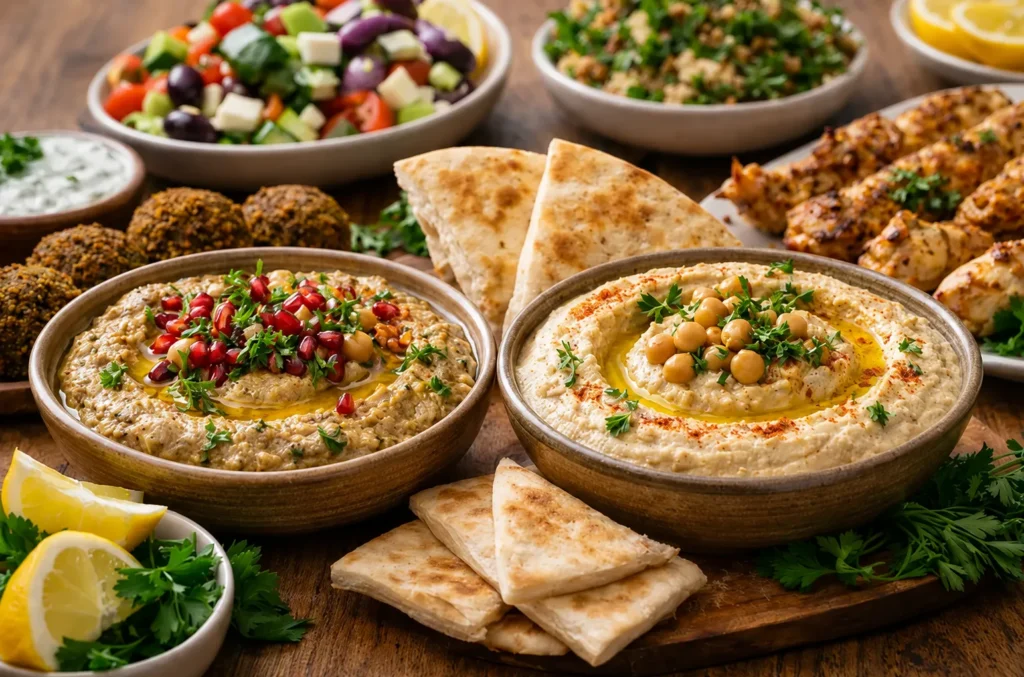
Baba ganoush and hummus are both classic Middle Eastern and Mediterranean dips, but they are not the same. The main difference is the base ingredient: baba ganoush is made from roasted or charred eggplant, while hummus is made from chickpeas. That one difference changes everything. Baba ganoush is usually lighter, smokier, softer, and lower in carbohydrates, while hummus is usually thicker, creamier, more filling, and higher in plant-based protein. Choose baba ganoush when you want a smoky vegetable-based dip, choose hummus when you want a hearty chickpea spread, or order both together for a balanced mezze plate.
What Is Baba Ganoush?
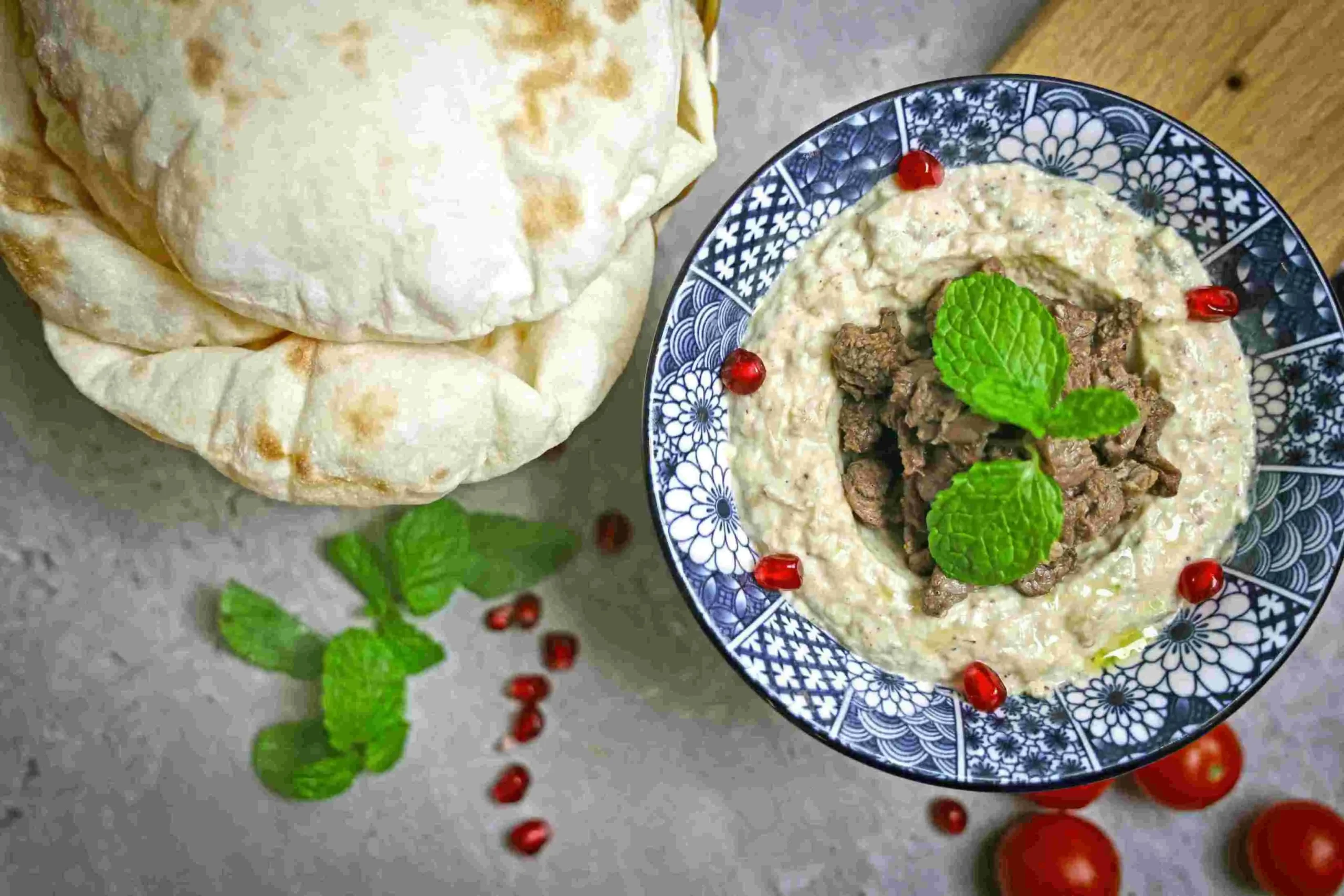
Baba ganoush, also spelled baba ghanoush, baba ghanouj, baba ganouj, babaganoush, or babaghanoush, is a smoky eggplant dip made by roasting or grilling eggplant until the inside becomes soft and silky. The cooked eggplant flesh is then mixed with tahini, lemon juice, garlic, olive oil, and salt.
A good baba ganoush has a roasted flavor that comes from the eggplant skin being charred before the flesh is scooped out. That smoky quality is what makes it different from many other Mediterranean dips. It can be smooth, but many traditional versions keep a slightly rustic texture so you can still taste the softness of the eggplant.
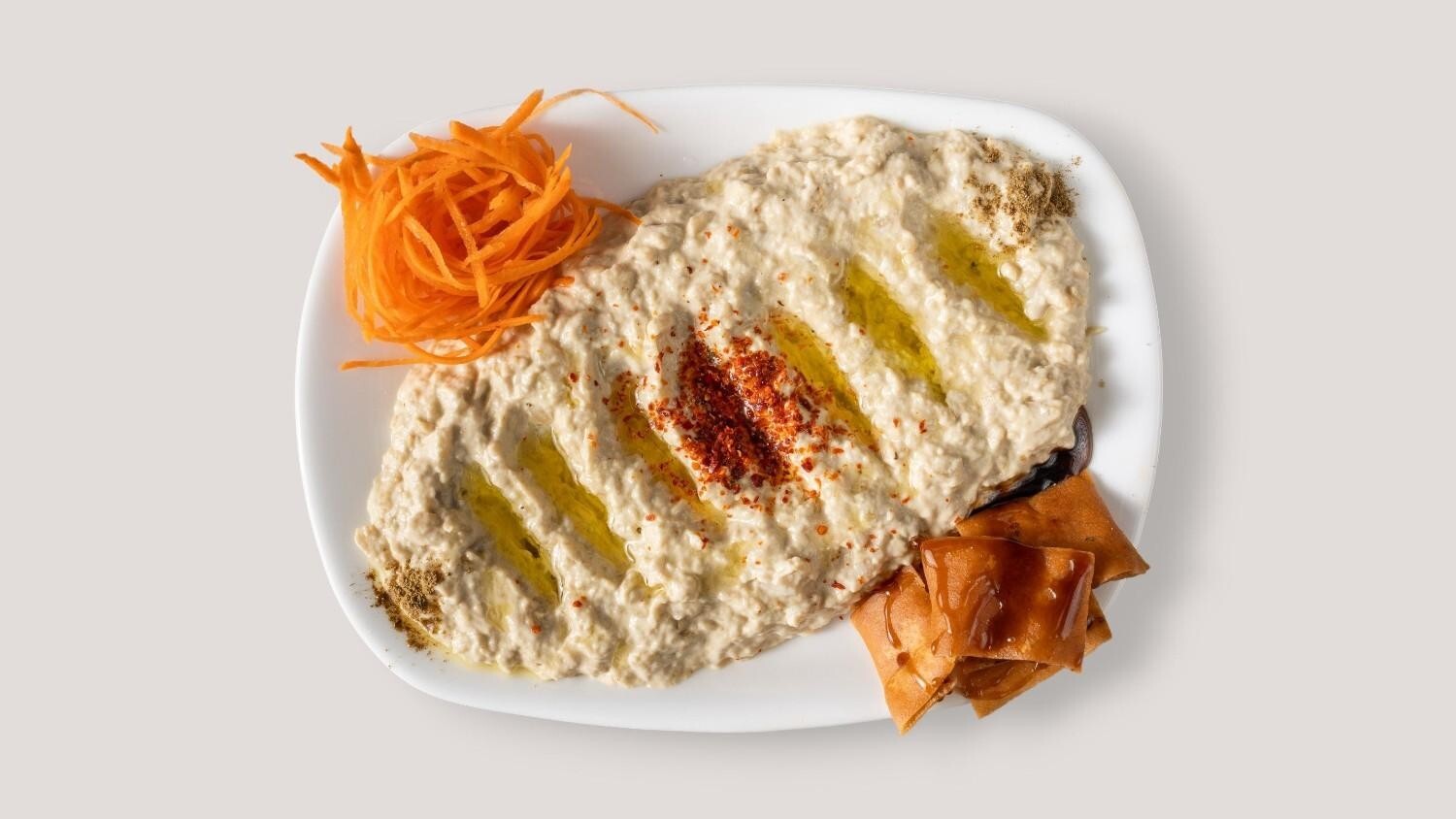
Baba Ganoush Ingredients
Traditional baba ganoush ingredients usually include:
- Roasted or grilled eggplant
- Tahini
- Fresh lemon juice
- Garlic
- Olive oil
- Salt
- Parsley, paprika, cumin, sumac, or pomegranate as optional toppings
Some regional versions include yogurt, which makes the texture creamier but also means the dip is no longer vegan. If you follow a strict vegan diet, ask whether the baba ganoush contains yogurt or dairy.
Does Baba Ganoush Have Chickpeas?
Traditional baba ganoush does not have chickpeas. If chickpeas are added, the dish becomes a hybrid eggplant hummus rather than classic baba ganoush. This is one reason people often confuse the two dips: they can look similar in a bowl, but they are built from different ingredients

What Is Hummus?
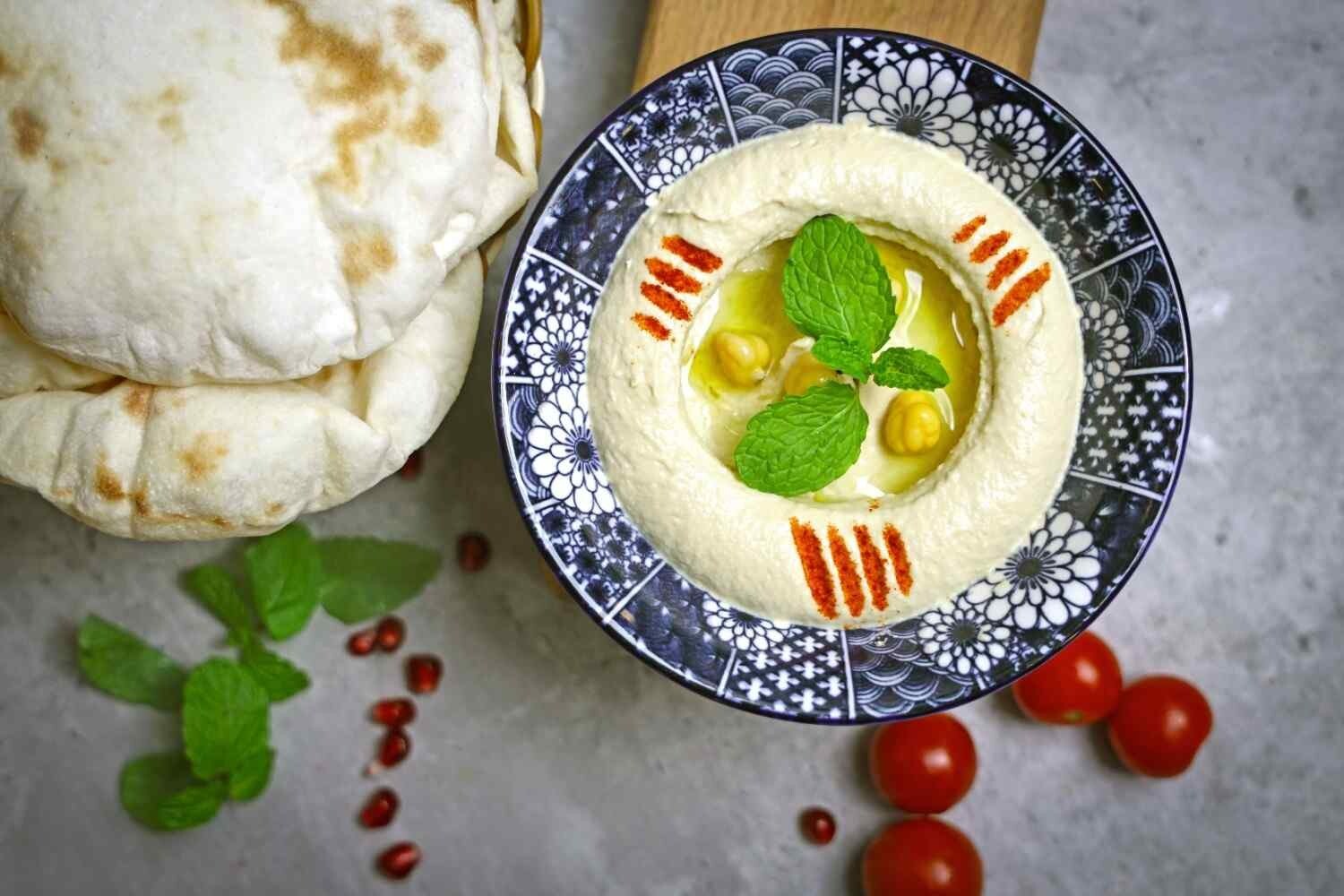
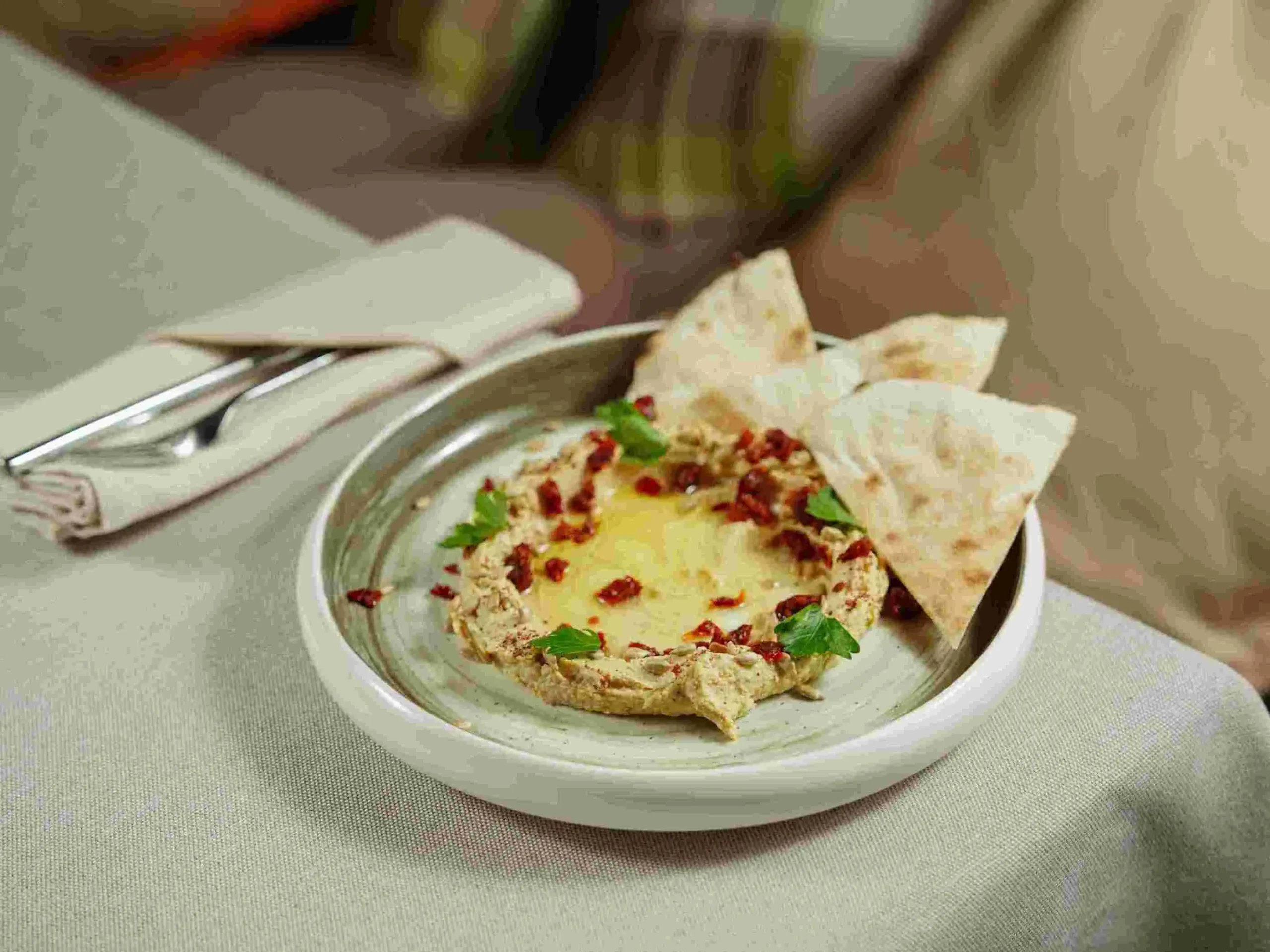
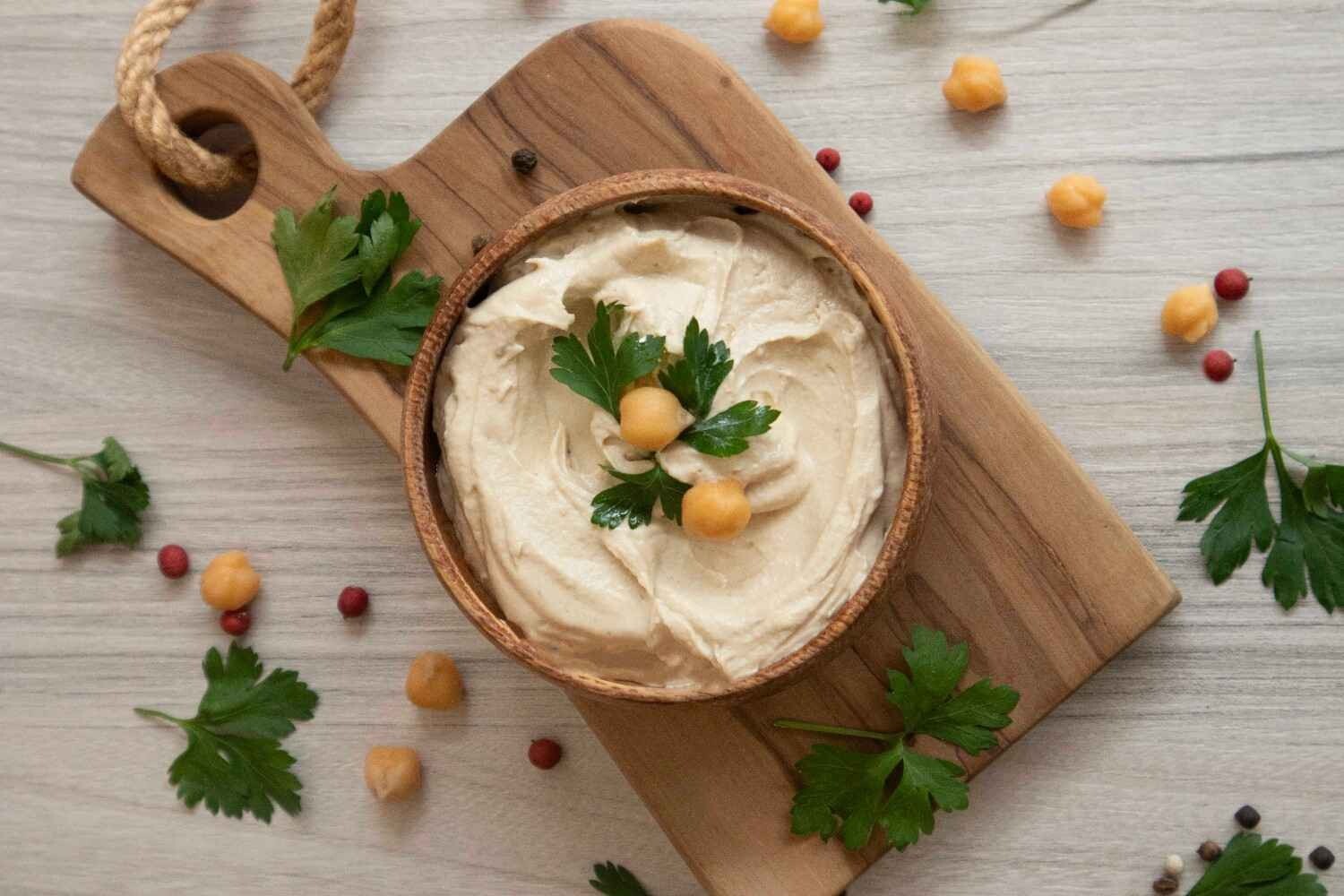
Classic Hummus is a creamy chickpea dip made from cooked chickpeas, also called garbanzo beans, blended with tahini, lemon juice, garlic, olive oil, and salt. It is one of the most popular Mediterranean and Middle Eastern dips because it is smooth, filling, and easy to pair with many foods.
The chickpeas give hummus its thicker texture and higher protein content. Compared with baba ganoush, hummus usually feels heavier and more substantial, which makes it a strong choice for wraps, sandwiches, grain bowls, falafel plates, and pita dipping.
Hummus Ingredients
Classic hummus usually includes:
- Cooked chickpeas
- Tahini
- Fresh lemon juice
- Garlic
- Olive oil
- Salt
- Water or ice water to adjust texture
- Paprika, parsley, cumin, or whole chickpeas as toppings
The best hummus is smooth but not watery, rich but not oily, and bright enough from lemon to balance the chickpeas and tahini.
What Is the Difference Between Hummus and Baba Ganoush?
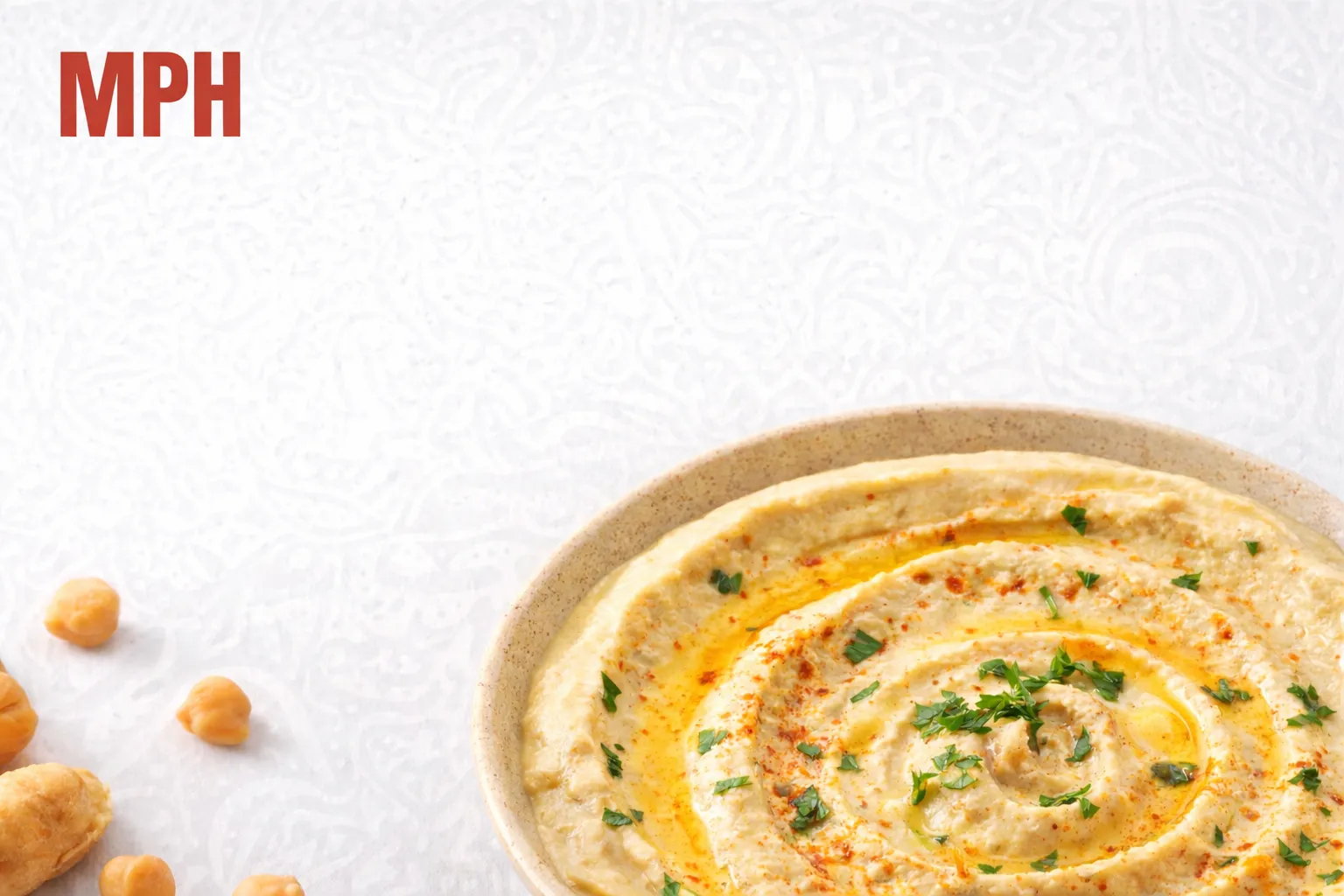
The difference between hummus and baba ganoush comes down to ingredients, flavor, texture, nutrition, and best use. Hummus is made from chickpeas, so it is thicker, denser, and usually higher in protein. Baba ganoush is made from roasted eggplant, so it is lighter, smokier, and usually lower in carbohydrates.
| Difference | Hummus | Baba Ganoush |
| Base ingredient | Chickpeas | Eggplant |
| Main taste | Nutty and creamy | Smoky and roasted |
| Texture | Smooth and dense | Soft and lighter |
| Nutrition profile | More protein and carbs | Often fewer carbs and calories |
| Best use | Wraps, pita, falafel, bowls | Mezze, vegetables, grilled meat, pita |
| Common confusion | Called chickpea dip | Sometimes called eggplant hummus |
Baba Ganoush vs Hummus Taste
Baba ganoush and hummus do not taste the same. Hummus is creamy, nutty, earthy, and mildly tangy. Baba ganoush is smoky, savory, slightly tangy, and more roasted in flavor.
Baba ganoush gets its flavor from charred eggplant. When eggplant is grilled or roasted properly, the flesh becomes soft and slightly sweet while the char adds a deep smoky note. Tahini adds nuttiness, lemon adds brightness, and garlic adds a savory finish.
Hummus has a milder flavor. Chickpeas create an earthy base, tahini adds richness, lemon cuts through the density, and olive oil gives it a smooth finish. Because hummus is less smoky, it often works well with stronger toppings like paprika, chili oil, roasted vegetables, shawarma, or falafel.
Is Baba Ganoush Smokier Than Hummus?
Yes, baba ganoush is usually smokier than hummus because the eggplant is roasted, grilled, or charred before it is mixed. Hummus can be smoky if smoked paprika or roasted garlic is added, but classic hummus is not naturally smoky in the same way.
What Does Baba Ganoush Taste Like?
Baba ganoush taste is smoky, tangy, creamy, and savory. It should taste roasted, not burned. If it tastes bitter or like cigarettes, the eggplant may have been over-charred, the skin may not have been removed properly, or the dip may need more lemon, tahini, or salt to balance the smoke.
Baba Ganoush vs Hummus Texture
Hummus is usually thick, smooth, and creamy because chickpeas blend into a dense paste. It holds its shape well, spreads easily, and works as a base for wraps and sandwiches.
Baba ganoush is usually lighter and softer because cooked eggplant contains more moisture. Some versions are silky and smooth, while others are rustic with small pieces of eggplant. A slightly textured baba ganoush is normal and often preferred because it keeps the roasted eggplant character.
| Texture Point | Baba Ganoush | Hummus |
| Density | Light to medium | Medium to thick |
| Smoothness | Silky or rustic | Usually very smooth |
| Mouthfeel | Soft and smoky | Creamy and filling |
| Spreadability | Loose dip or soft spread | Thick dip or firm spread |
| Preparation effect | Draining eggplant prevents wateriness | Blending chickpeas creates creaminess |
If you want a smooth, filling spread, choose hummus. If you want a lighter dip with smoky roasted flavor, choose baba ganoush.
Baba Ganoush vs Hummus Nutrition
Baba ganoush and hummus can both be part of a balanced Mediterranean-style meal, but their nutrition profiles are different. Hummus usually has more protein, more carbohydrates, and more fiber because it is made from chickpeas. Baba ganoush is usually lighter because eggplant is less dense than chickpeas.
Nutrition values vary widely by recipe, serving size, tahini amount, olive oil amount, and whether the dip is homemade, packaged, or restaurant-prepared. USDA FoodData Central is the main U.S. food composition database, while packaged products and restaurant recipes can differ from general database values.
| Nutrition Question | Usually Better Choice | Why |
| Lower calories | Baba ganoush | Eggplant is lighter than chickpeas, but oil and tahini can raise calories |
| More protein | Hummus | Chickpeas provide more plant-based protein |
| Lower carbohydrates | Baba ganoush | Eggplant has fewer carbs than chickpeas |
| More filling | Hummus | Protein, fiber, and density make it more satisfying |
| Lighter snack | Baba ganoush | Softer texture and lower density |
| Better for wraps | Hummus | Holds its structure better |
| Better with grilled meats | Baba ganoush | Smoky flavor pairs well with grilled foods |
Calories in Baba Ganoush vs Hummus
| Dip | Calories (Approx. per 2 tablespoons) | Why Calories Differ |
|---|---|---|
| Baba Ganoush | 25–50 calories | Mainly made with roasted eggplant, but tahini and olive oil can increase the calorie count |
| Hummus | 50–80 calories | Chickpeas, tahini, and olive oil make it more calorie-dense |
Baba Ganoush Protein
Baba ganoush has some protein from tahini and eggplant, but it is not usually considered a high-protein dip. Hummus normally has more protein because chickpeas are legumes. If your goal is plant-based protein, hummus is usually the better choice.
Is Baba Ganoush High in Fiber?
Baba ganoush can contribute fiber because eggplant contains fiber and tahini adds additional nutrients. However, hummus often provides more fiber overall because chickpeas are naturally fiber-rich. For a higher-fiber meal, enjoy either dip with raw vegetables, salad, tabouli, or whole-grain sides instead of only pita chips.
Is Baba Ganoush Healthy?
Yes, baba ganoush can be a healthy choice when it is made with simple ingredients and eaten in a balanced portion. It is based on roasted eggplant and usually includes tahini, lemon juice, garlic, olive oil, and salt. That gives it a mix of vegetables, healthy fats, acidity, and flavor without needing heavy cream or cheese.
It is still important to watch portion size. Tahini and olive oil are nutritious, but they add calories quickly. Baba ganoush is also often eaten with pita, pita chips, or bread, which can change the nutrition profile of the full meal.
Is Baba Ganoush Fattening?
Baba ganoush is not inherently fattening. Weight gain depends on total calorie intake, portion size, and what you eat with it. A modest serving with vegetables is very different from a large bowl eaten with fried pita chips.
If you are watching calories, ask for vegetables with baba ganoush, use pita in moderation, and be mindful of extra olive oil on top.
Are Baba Ganoush and Hummus Vegan?
Traditional baba ganoush and traditional hummus are usually vegan because they are made from plant-based ingredients. Eggplant, chickpeas, tahini, lemon, garlic, olive oil, herbs, and spices are all plant-based.
The main exception is yogurt. Some baba ganoush or mutabal-style recipes include yogurt for creaminess. Some packaged or specialty hummus flavors may also contain dairy-based additions. If vegan ingredients are important to you, ask the restaurant or check the label.
Are Baba Ganoush and Hummus Gluten-Free?
The traditional ingredients in baba ganoush and hummus are naturally gluten-free. Eggplant, chickpeas, tahini, lemon juice, garlic, olive oil, and salt do not normally contain gluten.
The issue is what comes with the dip. Pita bread contains wheat, and cross-contact may occur in restaurant kitchens. If you have celiac disease or a serious gluten allergy, ask about preparation practices and choose fresh vegetables or verified gluten-free sides.
How to Make Baba Ganoush?
Baba ganoush is simple, but the technique matters. The key is cooking the eggplant until it is fully soft and smoky, then removing excess moisture before mixing.
Basic baba ganoush method:
- Roast, grill, or char whole eggplant until the skin darkens and the inside becomes very soft.
- Let the eggplant cool enough to handle.
- Scoop out the soft flesh and discard the tough skin.
- Drain excess liquid so the dip does not become watery.
- Mix the eggplant with tahini, lemon juice, garlic, olive oil, and salt.
- Adjust the texture by mashing for a rustic dip or lightly blending for a smoother dip.
- Chill briefly or let it rest so the flavors come together.
- Finish with olive oil, parsley, paprika, sumac, or pomegranate.
The biggest mistake is not draining the eggplant. Eggplant holds a lot of moisture, and skipping this step can make baba ganoush thin or watery. Another common mistake is over-blending. Baba ganoush should be creamy, but it does not have to be as smooth as hummus.
How Hummus Is Made?
Hummus starts with chickpeas. The chickpeas are cooked until tender, then blended with tahini, lemon juice, garlic, salt, olive oil, and water or ice water until smooth.
Basic hummus method:
- Cook chickpeas until soft or use prepared chickpeas.
- Blend tahini, lemon juice, garlic, and salt.
- Add chickpeas and blend until creamy.
- Add cold water slowly to adjust the texture.
- Taste and adjust lemon, salt, garlic, and olive oil.
- Serve with olive oil, paprika, parsley, or whole chickpeas.
Baba Ganoush, Mutabal, Eggplant Hummus: Are They the Same?
Although baba ganoush, mutabal, and eggplant hummus may look similar, there are some differences between them. Baba ganoush is typically made with roasted eggplant, tahini, garlic, lemon juice, and olive oil, with a smoky flavor that comes from grilling or roasting the eggplant.
Mutabal is another eggplant-based dip that is often creamier and more tahini-focused. In some regions, it may include yogurt or additional ingredients that give it a richer texture. Eggplant hummus, despite its name, is not the same as traditional hummus because classic hummus is made with chickpeas. The term is sometimes used to describe an eggplant dip with a hummus-like texture.
The exact ingredients can vary by country and family recipe, but all three are popular Mediterranean dishes commonly served with pita bread, fresh vegetables, and other mezze favorites.
What Do You Eat With Baba Ganoush and Hummus?
Both dips are versatile. They can be served as appetizers, sides, spreads, or part of a full meal.
Good pairings include:
- Warm pita bread
- Fresh pita chips
- Cucumbers
- Carrots
- Bell peppers
- Tomatoes
- Radishes
- Falafel
- Shawarma
- Chicken kabobs
- Steak kabobs
- Grilled vegetables
- Rice bowls
- Greek salad or Mediterranean salad
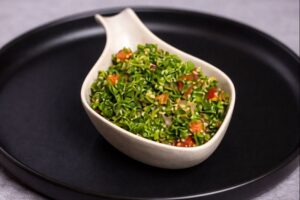
- Tabouli
- Pickles and olives
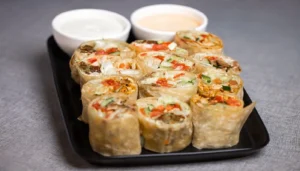
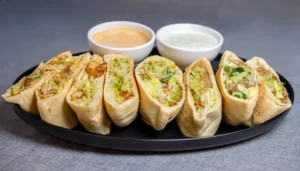
Hummus is especially useful as a thick spread inside wraps and sandwiches. Baba ganoush works beautifully with grilled foods because the smoky eggplant echoes the flavor of the grill.
Can You Eat Baba Ganoush and Hummus Together?
Yes, baba ganoush and hummus are often served together on a mezze platter. They complement each other because hummus adds creamy chickpea richness while baba ganoush adds smoky roasted eggplant flavor.
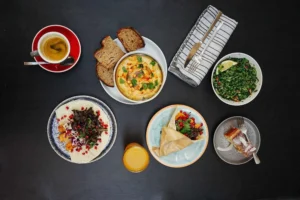
A balanced mezze plate can include baba ganoush, hummus, pita, cucumbers, tomatoes, olives, pickles, falafel, tabouli, and grilled protein. This is also a smart choice for groups because some guests prefer the familiar creaminess of hummus while others prefer the smoky flavor of baba ganoush.
Baba Ghanoush Near Me: Where to Try Both in San Diego
When it comes to Mediterranean dips, baba ghanoush and hummus are two classic favorites that offer different flavors and textures. At Micheline’s Pita House, you can enjoy both options alongside fresh pita and a variety of Mediterranean dishes.
The menu features quality ingredients, fresh pita, salads, sauces, grilled proteins, vegetarian choices, and traditional dips. Choose baba ghanoush for its smoky roasted eggplant flavor, enjoy hummus for its creamy chickpea taste, or try both together as part of a flavorful mezze-style meal.
Serving the San Diego area with locations in La Jolla, Del Mar, and Solana Beach, it’s a great choice for anyone looking for Mediterranean favorites like baba ghanoush, hummus, falafel, chicken shawarma, bowls, and catering options.
Frequently Asked Questions
Which is healthier, hummus or baba ghanoush?
Baba ghanoush is often lighter and lower in carbohydrates because it is made from eggplant, while hummus is usually higher in protein and more filling because it is made from chickpeas. The healthier choice depends on your goal: choose baba ganoush for a lighter vegetable-based dip and hummus for a more substantial protein-rich spread.
Does baba ganoush have chickpeas?
Traditional baba ganoush does not contain chickpeas. It is made with roasted eggplant. If chickpeas are included, it is closer to an eggplant hummus hybrid.
Is baba ganoush vegan?
Baba ganoush is usually vegan, but some versions include yogurt. Always check the ingredients if you follow a strict vegan diet.
Is baba ganoush served hot or cold?
Baba ganoush is usually served chilled or at room temperature. It can be served with warm pita or grilled foods, but the dip itself is not normally served hot.
Is baba ganoush eggplant hummus?
Baba ganoush is sometimes called eggplant hummus, but traditional baba ganoush is not hummus because it does not contain chickpeas. It is more accurate to call it a roasted eggplant dip.
Is Baba Ganoush OK for Diabetics?
Baba ganoush is often lower in carbohydrates than hummus because eggplant is lower in carbs than chickpeas. That may make it a practical option for some people managing blood sugar, especially when paired with raw vegetables instead of pita.
However, diabetes nutrition is individual. Portion size, pita, rice, sauces, and the rest of the meal all matter. Anyone managing diabetes should follow their clinician’s guidance and check nutrition details when exact carbohydrate intake is important.