Hummus is one of the most recognized foods in Mediterranean and Middle Eastern cuisine—but many people still ask the same simple question: what is hummus?
You’ll find hummus on tables across the Mediterranean, not as a trend, but as a daily staple. It’s eaten as part of shared meals, used as a base for dishes, and valued for being both satisfying and naturally plant-based.
Whether you’re trying hummus for the first time or looking to understand it better, this guide breaks down everything you need to know, clearly and simply.
What Is Hummus?
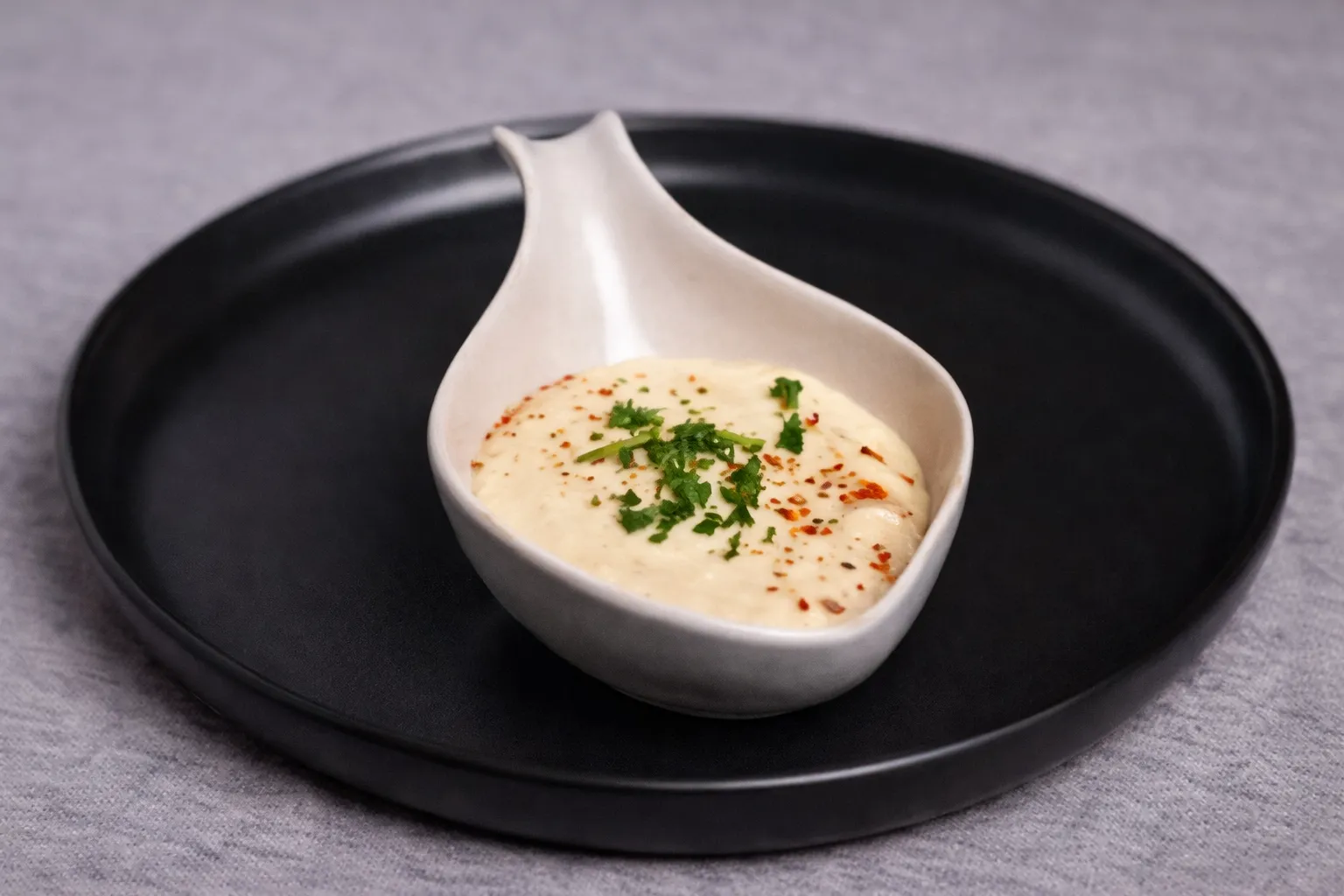
Hummus is a smooth, savory spread made primarily from chickpeas blended with tahini, lemon juice, garlic, and olive oil. It originates from the Middle East and is commonly eaten with pita bread or vegetables as part of Mediterranean cuisine.
It’s best described as:
- A dip, spread, or side dish
- A plant-based protein source
- A staple in Mediterranean and Middle Eastern meals
Unlike heavy sauces or processed dips, hummus is built from whole ingredients that create a naturally creamy texture and balanced flavor.
What Does “Hummus” Mean?
The word “hummus” comes from Arabic, where it literally means “chickpeas.”
That definition tells you everything about the dish at its core, hummus is fundamentally a chickpea-based food.
In traditional context:
- “Hummus” refers both to the ingredient (chickpeas) and the dish
- The full name is often “hummus bi tahini,” meaning chickpeas with sesame paste
This simple naming reflects how hummus developed—not as a complex recipe, but as a natural way to prepare everyday ingredients.
Order Classic Hummus Fresh From Micheline’s Pita House
Smooth, creamy, and perfectly balanced, our classic hummus is made fresh daily using chickpeas, tahini, lemon, and olive oil—ideal for dipping, sharing, or building your plate.
What Is Hummus Made Of? (Ingredients Explained)

Hummus is a creamy Middle Eastern dip made by blending cooked chickpeas (garbanzo beans) with tahini (sesame paste), lemon juice, and garlic. It’s typically seasoned with salt and olive oil, and sometimes enhanced with spices like cumin, giving it a rich, savory, and slightly nutty flavor.
Key Ingredients in Traditional Hummus:
- Chickpeas: The main base, providing a smooth texture and mild, earthy taste
- Tahini: A sesame seed paste that adds depth and creaminess
- Lemon Juice: Brings a fresh, tangy balance
- Garlic: Adds a subtle, savory kick
- Olive Oil: Enhances texture and flavor
- Salt: Brings all ingredients together
Hummus stays a very approachable, plant-forward Mediterranean food — and that’s exactly why we love serving it.
Optional Enhancements:
Hummus can be topped or flavored with ingredients like cumin, smoked paprika, sumac, or fresh parsley for added depth and presentation.
How It’s Made:
- Prepare the chickpeas: Cook until soft (or use canned chickpeas)
- Blend ingredients: Combine chickpeas, tahini, lemon juice, garlic, and salt in a blender or food processor
- Adjust texture: Add cold water or ice while blending to create a lighter, smoother consistency
The word “hummus” comes from Arabic and simply means “chickpeas,” highlighting the dish’s core ingredient.
Why These Ingredients Work Together
Each ingredient has a role:
- Chickpeas provide body
- Tahini adds depth
- Lemon balances heaviness
- Garlic builds flavor
- Olive oil smooths everything out
The result is a spread that feels rich but not heavy—and simple but not bland.
Can Hummus Be Made Without Tahini?
Yes, hummus can be made without tahini—but it won’t taste traditional.
Without tahini:
- The flavor becomes lighter and less nutty
- The texture may feel less creamy
- Extra olive oil or lemon is often added to compensate
It’s still a chickpea-based dip—but not classic hummus in the traditional Mediterranean sense.
What Does Hummus Taste Like?

Hummus has a creamy, savory taste with a rich, earthy and slightly nutty flavor, created mainly from blended chickpeas and tahini (sesame paste). It also has a light tang from lemon juice and a subtle savory depth from garlic, giving it a balanced and smooth overall profile.
Key Characteristics of Hummus
Flavor Profile: Hummus is typically savory, nutty, and mildly tangy, with gentle hints of garlic and lemon that add brightness without overpowering the dish.
Texture: It is thick, smooth, and creamy when made well. Homemade versions can sometimes be slightly grainy, while some store-bought versions may feel denser or stiffer.
Variations: While classic hummus is mild and balanced, flavored versions—such as roasted red pepper—can introduce smoky or slightly sweet notes.
For many people, the flavor may feel unfamiliar at first, but it often becomes enjoyable and even addictive over time.
Is Hummus Strong or Mild?
Hummus is generally mild and balanced, which is why it pairs well with so many foods.
It is:
- Not spicy
- Not overly sour
- Not overpowering
Instead, it has a clean, rounded flavor that works as a base or complement to other dishes.
Why Texture Matters
Good hummus should be:
- Smooth and spreadable
- Light, not dense
- Easy to scoop
When hummus is made properly, the texture feels almost whipped—which is a big part of why people keep going back for more.
Where Does Hummus Come From?
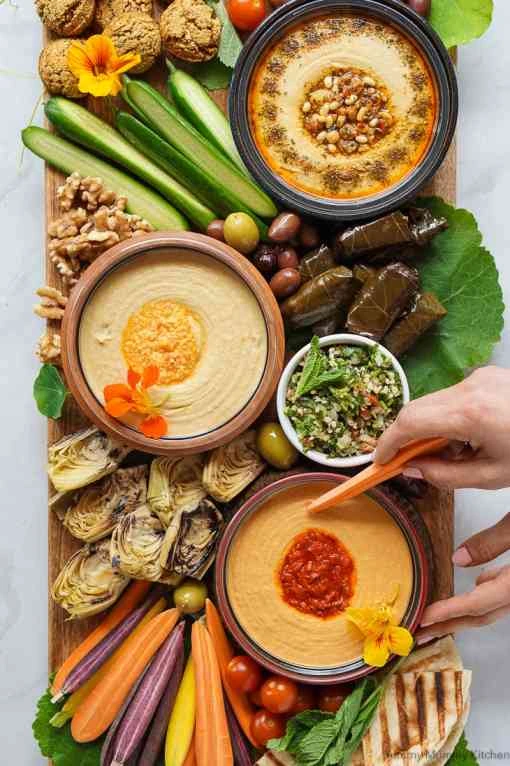
Why Hummus Is Not From One Single Country
Hummus is not tied to one specific country because it developed across a shared food culture.
Instead of a single origin:
- Families prepared it differently
- Ingredients varied slightly by region
- Serving styles evolved over time
This is why hummus is considered both:
- Middle Eastern food
- Mediterranean food
Today, it’s recognized globally—but its roots remain deeply connected to traditional communal eating.
Is Hummus Healthy or Good for You?
Yes, hummus is generally considered a healthy food because it provides a balanced mix of plant-based protein, fiber, and healthy fats when eaten in moderate portions.
Unlike processed dips, hummus is made from whole ingredients that support steady energy and digestion.
Why Hummus Is Considered Healthy?
Hummus combines ingredients that work together nutritionally:
- Chickpeas: provide protein and fiber
- Olive oil: contains heart-healthy fats
- Tahini: adds minerals and healthy fats
- Lemon and garlic: add flavor without added sugar or processed ingredients
What Makes Hummus a Good Everyday Food
Hummus is often included in healthy diets because it:
- Helps you feel full longer
- Supports digestion through fiber
- Provides steady energy instead of quick spikes
- Fits naturally into balanced eating patterns
It’s not a “diet food”—it’s simply real food that works well in everyday meals.
What Are the Benefits of Hummus?

Hummus is a nutrient-dense, plant-based food that provides fiber, healthy fats, and protein, making it a balanced and satisfying option. Its ingredients—like chickpeas, olive oil, and tahini—support heart health, digestion, and steady energy levels.
Key Health Benefits of Hummus:
- Supports digestion: High in fiber, helping with regular bowel movements and gut health
- Helps with weight management: Protein and fiber increase fullness and reduce overeating
- Promotes heart health: Contains healthy fats and minerals that may help lower LDL cholesterol and support blood pressure
- Anti-inflammatory properties: Ingredients like olive oil and garlic help reduce inflammation
- Supports blood sugar control: Low glycemic index helps maintain stable energy levels
- Diet-friendly: Naturally gluten-free, dairy-free, and plant-based
Nutritional Highlights (per 2 tablespoons):
- Calories: ~80
- Protein: ~2–3g
- Fiber: ~2g
- Healthy fats: ~6g
How to Enjoy It for Maximum Benefits:
- Use as a dip with fresh vegetables
- Spread on whole-grain sandwiches or wraps
- Add to salads or bowls instead of processed dressings
Hummus Nutrition Facts (Protein, Calories, Carbs)
Typical Nutrition (¼ Cup Serving)
| Nutrient | Amount |
|---|---|
| Calories | ~150–170 |
| Protein | ~4–5g |
| Carbohydrates | ~12–15g |
| Fiber | ~3–4g |
| Fat | ~9–10g |
Protein in Hummus
Hummus contains plant-based protein primarily from chickpeas and tahini.
- 2 tablespoons: ~2–3g protein
- ¼ cup: ~4–5g protein
While not a complete protein source on its own, hummus works well alongside:
- grains
- vegetables
- meats
Carbs in Hummus
Hummus contains carbohydrates because chickpeas are legumes.
However:
- These are complex carbs
- They are paired with fiber
- They digest more slowly than refined carbs
Calories in Hummus
Hummus is calorie-moderate, not excessive.
Most calories come from:
- healthy fats (olive oil, tahini)
- chickpeas (natural carbs + protein)
This balance is why hummus is satisfying without being overly heavy.
Is Hummus a Protein, Carb, or Vegetable?
Simple Explanation
- Main ingredient: chickpeas (a legume)
- Contains:
- carbohydrates
- plant-based protein
- healthy fats
So What Food Group Does Hummus Belong To?
Hummus does not fit into just one category:
- Not purely a protein
- Not purely a carbohydrate
- Not a vegetable
Instead, it is:
→ a mixed macronutrient food derived from legumes
Why This Matters
This balance is what makes hummus:
- more filling than simple carbs
- lighter than heavy protein dishes
- adaptable across diets
It’s one of the reasons hummus fits well into Mediterranean eating patterns.
Is Hummus Vegan, Gluten-Free, and Dairy-Free?

Vegan and Vegetarian
Hummus is 100% plant-based because it contains:
- chickpeas
- tahini
- lemon
- garlic
- olive oil
There are no animal products in traditional hummus.
Gluten-Free
Hummus is naturally gluten-free because:
- it contains no wheat or grains
- chickpeas are legumes, not grains
The only concern is cross-contamination when served with:
- pita bread
- crackers
- shared kitchen surfaces
Dairy-Free
Hummus is also dairy-free, making it suitable for people avoiding:
- milk
- cheese
- lactose
Does Hummus Contain Sesame?
Yes, traditional hummus contains tahini, which is made from sesame seeds.
This is important for:
- people with sesame allergies
If needed, tahini-free versions exist—but they are not traditional.
How Do You Eat Hummus? (Traditional & Modern Ways)
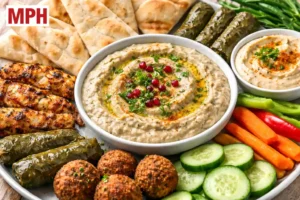
Hummus is a versatile, nutrient-rich dip and spread that pairs well with a wide variety of foods. It’s commonly enjoyed with pita bread, raw vegetables like carrots and cucumbers, or crackers, but it also works as a creamy, healthy base for meals such as wraps, sandwiches, and Mediterranean-style bowls with grilled chicken or roasted vegetables.
Creative Ways to Eat Hummus:
- Breakfast: Spread on toast with avocado, seeds, or eggs
- Meals & bowls: Use as a base for grilled meats, fish, or roasted vegetables
- Sandwich alternative: Replace mayo or cheese with hummus for a healthier option
- Snacks: Pair with crackers, rice cakes, or fresh vegetables
- Elevated dips: Top with olive oil, spices, feta, or roasted veggies
- Unique uses: Add to salads as dressing, mix into pasta, or blend into soups
- Flavor variations: Customize with garlic, chili, pine nuts, or roasted peppers
For a simple and healthy snack, hummus pairs perfectly with fresh vegetables like celery, cucumber, or bell peppers.
Traditional Way to Eat Hummus
In Mediterranean and Middle Eastern culture, hummus is:
- Spread on a plate
- Drizzled with olive oil
- Eaten with warm pita bread
- Shared at the table
Instead of dipping into a bowl, people typically:
- Tear pieces of pita
- Scoop directly from the plate
This creates a more communal, shared experience.
We serve it the traditional way—as a shared dish meant to be scooped with pita, not eaten alone as a dip. It’s a core part of Authentic Mediterranean Cuisine.
Modern Ways to Eat Hummus
Today, hummus is used in many different ways:
1. As a dip
- With pita bread
- With pita chips
- With raw vegetables
2. As a spread
- Inside wraps
- On sandwiches
- In pita pockets
3. As a base
- Under grilled chicken or vegetables
- In grain bowls
- In Mediterranean plates
4. As a side dish
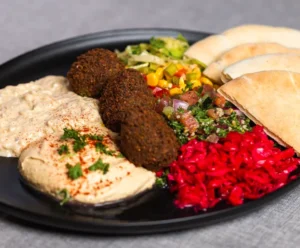
- Served with falafel
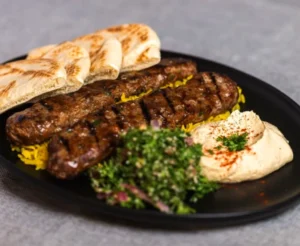
- Paired with kebabs
- Alongside salads
This flexibility is why hummus fits both traditional meals and modern eating habits.
What Goes Well with Hummus?
Hummus pairs well with foods that add contrast—crunch, warmth, or protein.
Best Foods to Eat with Hummus
Bread & Grains
- Pita bread (most traditional)
- Flatbread
- Rice bowls
Vegetables
- Cucumbers
- Carrots
- Bell peppers
- Celery
Proteins
- Falafel
- Grilled chicken
- Shawarma
- Roasted vegetables
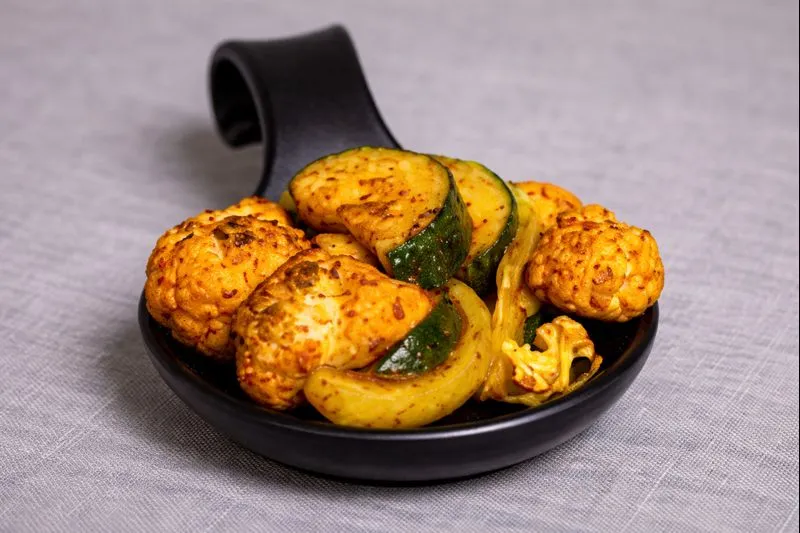
Why Hummus Works with So Many Foods
Hummus acts as a balancing element:
- Adds creaminess to crunchy foods
- Adds richness to lean proteins
- Adds flavor without heaviness
Fresh Hummus, Pita & Mediterranean Favorites
Browse our menu or order catering for fresh Mediterranean food made daily across San Diego.
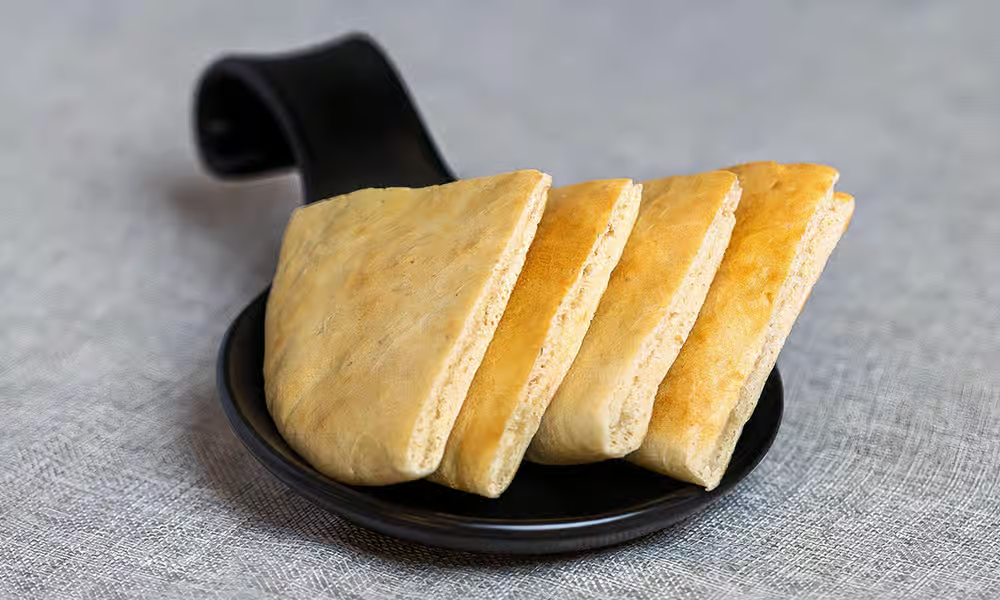
Order 1 Pita Fresh From Micheline’s Pita House
Soft, warm, and freshly prepared, our pita is the perfect side for dipping, wrapping, or pairing with your favorite Mediterranean dishes. Add 1 pita to your order for a simple, authentic upgrade.
That’s why it’s rarely eaten alone—it’s designed to complement other dishes.
Order Fresh Falafel From Micheline’s Pita House
Crispy on the outside, tender inside, and packed with bold Mediterranean flavor, our falafel is a delicious plant-based favorite for wraps, plates, and sharing.
Baba Ganoush vs Hummus — What’s the Difference?
Hummus and baba ganoush are both Mediterranean dips, but they differ in ingredients, flavor, and texture.
| Feature | Hummus | Baba Ganoush |
|---|---|---|
| Main ingredient | Chickpeas | Eggplant |
| Texture | Creamy and smooth | Silky and slightly chunky |
| Flavor | Nutty, mild, tangy | Smoky, rich, slightly sweet |
| Taste intensity | Mild and balanced | Stronger, more distinctive |
| Best use | Base, dip, or spread | Side dip or complement |

Which One Is Healthier?
Both are healthy—but in different ways:
- Hummus → higher in protein and fiber
- Baba ganoush → lower in carbs and calories
Which Should You Choose?
- Choose hummus if you want something filling and balanced
- Choose baba ganoush if you prefer smoky flavors
Most Mediterranean tables serve both together because they complement each other.
How Long Does Hummus Last & Does It Need Refrigeration?
Hummus should always be refrigerated and typically lasts 3 to 5 days when stored properly in an airtight container.
Storage Guidelines
- Keep hummus in the fridge at all times
- Store in a sealed container
- Avoid leaving it out for long periods
Can Hummus Be Left Out?
- Safe for short serving periods
- Not safe if left out overnight
Can You Freeze Hummus?
Yes, hummus can be frozen for up to 1–2 months.
However:
- Texture may change slightly
- Stirring or re-blending helps restore consistency
Signs Hummus Has Gone Bad
- Sour smell
- Separation
- Unusual taste
When in doubt, it’s best to discard it.
Where to Get Hummus with Pita Near You in San Diego
If you’re searching for hummus with pita near you, you’re likely looking for a fresh, authentic version—not a packaged dip.
At Micheline’s Pita House, hummus is prepared daily using traditional ingredients and served the way it’s meant to be:
- Smooth and freshly blended
- Drizzled with olive oil
- Paired with warm pita
You can enjoy hummus:
- As part of a mezze spread
- With bowls and plates
- As a starter for shared meals
Whether you’re dining in or ordering for a group, hummus works best when it’s fresh, balanced, and made with care.
If you’re planning for a group, hummus is also one of the easiest crowd-pleasers we offer:
- Classic Hummus 16 oz or Classic Hummus 24 oz (easy add-ons for any table)
Frequently Asked Questions About Hummus
Is hummus spicy?
No, hummus is not spicy. It has a mild, balanced flavor with slight garlic and lemon notes.
Can you eat hummus every day?
Yes, hummus can be eaten daily in moderate portions. Its mix of protein, fiber, and healthy fats makes it suitable for regular consumption.
Is hummus keto?
No, hummus is not keto-friendly because chickpeas contain carbohydrates. However, it can fit into low-carb diets in small portions.
Does hummus have protein?
Yes, hummus contains plant-based protein. A typical serving provides about 4–5 grams per ¼ cup.
What is the main ingredient in hummus?
The main ingredient in hummus is chickpeas, which give it its texture and nutritional base.
Can hummus go bad?
Yes, hummus can spoil. It typically lasts 3–5 days in the fridge and should be discarded if it smells sour or changes texture.
Is hummus dairy-free?
Yes, traditional hummus is dairy-free. It contains no milk or cheese products.
What does hummus taste like?
Hummus tastes creamy, nutty, slightly tangy, and mildly garlicky with a smooth texture.
Where Did Hummus Originate?
Hummus originated in the Middle East and the Eastern Mediterranean.
It has been prepared and shared for centuries across the Levant long before modern borders existed, which is why it appears across many Mediterranean food traditions explained in What Is Mediterranean Food?.
Why Hummus Continues to Be a Mediterranean Staple
Hummus has remained a staple food for generations because it combines simplicity, nutrition, and versatility in a way few dishes can.
It’s not built around trends or complex techniques—it’s built around:
- accessible ingredients
- balanced flavor
- shared dining experiences
That’s why hummus continues to appear on tables across cultures, from traditional Mediterranean homes to modern restaurants.
What Makes Hummus Timeless
Hummus works because it:
- fits multiple diets (vegan, vegetarian, Mediterranean)
- pairs easily with a wide range of foods
- feels both light and satisfying
- can be eaten casually or as part of a full meal
It doesn’t rely on one specific way of eating—it adapts to how people actually eat.
Final Thoughts — Understanding Hummus Simply
If you break it down to its core, hummus is simple:
- It’s a chickpea-based spread
- It’s naturally plant-based
- It’s meant to be shared
- It’s easy to pair with everyday meals
Whether you’re exploring Mediterranean food for the first time or you’ve been eating hummus for years, understanding it doesn’t require complexity—it just requires clarity.
Experience Fresh Hummus the Way It’s Meant to Be
If you’re in San Diego and want to experience hummus made fresh daily, the difference is immediately noticeable.
At Micheline’s Pita House, hummus is prepared with:
- real ingredients
- balanced flavor
- traditional methods
It’s served the way it’s meant to be enjoyed—fresh, smooth, and ready to share.
Whether you prefer classic or bold flavors, you can explore our freshly made options:
- Classic Hummus: smooth, traditional, and perfectly balanced
- Chipotle Hummus: smoky with a subtle kick
- Cilantro Jalapeño Hummus: fresh, bright, and slightly spicy
- Hummus Bowl: a complete, satisfying Mediterranean plate
Because hummus isn’t just something you read about—it’s something you experience at the table.