I love this topic because the Mediterranean way of eating has always been naturally plant-forward. Long before labels like vegetarian or vegan existed, people across the Mediterranean were building meals around vegetables, legumes, grains, olive oil, herbs, and simple cheeses. Meat was present, but it was never the center of the plate.
That is why the vegetarian Mediterranean diet feels so natural and so sustainable. It is not about restriction. It is about abundance. Colorful vegetables, hearty grains, creamy legumes, fresh herbs, and meals that leave you feeling satisfied rather than deprived.
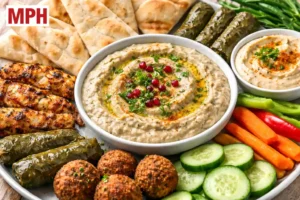
I see this every day at Micheline’s Pita House. Guests who eat vegetarian are never limited to one or two options. They enjoy falafel, classic hummus, salads, grains, roasted vegetables, and mezze-style plates that reflect exactly how Mediterranean food has always been eaten.
Learn More: What Is Mediterranean Food? Definition, Origins & Dishes
What Is a Vegetarian Mediterranean Diet?
A vegetarian Mediterranean diet is a plant-focused way of eating based on traditional Mediterranean foods. It emphasizes vegetables, fruits, legumes, whole grains, olive oil, nuts, seeds, herbs, and dairy like yogurt and cheese, while excluding meat and fish. Meals are built around plants, flavor, and balance rather than restriction.
Can You Do a Vegetarian Mediterranean Diet
Yes, you absolutely can. In fact, the Mediterranean diet may be one of the easiest and most enjoyable diets to follow as a vegetarian. The traditional Mediterranean way of eating has always centered on plants first. Vegetables, beans, grains, olive oil, and herbs form the foundation of most meals, while meat plays a smaller, supporting role or is skipped altogether.
For vegetarians, this makes the transition feel natural rather than forced. You are not trying to replace meat in every meal. You are simply leaning into what Mediterranean cuisine already does best.
Across Mediterranean cultures, people have long relied on foods like lentils, chickpeas, fava beans, grains, nuts, seeds, and vegetables for nourishment. Dishes built around these ingredients are filling, satisfying, and deeply flavorful. That is why vegetarian Mediterranean meals feel complete without needing imitation meats or complicated substitutes.
A vegetarian Mediterranean diet works because it is flexible. You can enjoy dairy if you choose, such as yogurt or cheese. You can include eggs if they fit your lifestyle. And you can adjust portions and combinations based on how you feel, not based on strict rules.
This way of eating is less about what you remove and more about what you add. More vegetables. More legumes. More whole foods. More enjoyment at the table.
What Does a Vegetarian Mediterranean Diet Look Like Day to Day?
One of the biggest misconceptions about the vegetarian Mediterranean diet is that it requires strict meal plans or complicated rules. In reality, it is one of the most flexible and intuitive ways to eat. It focuses on patterns rather than perfection and encourages variety rather than repetition.

A typical day of vegetarian Mediterranean eating is built around simple, satisfying foods that feel familiar and comforting.
In the morning, many people start with something light and nourishing. This might be fruit with yogurt, whole grain bread with olive oil, or a small plate of vegetables and hummus. Coffee, tea, or water are common morning drinks, often enjoyed slowly rather than rushed.
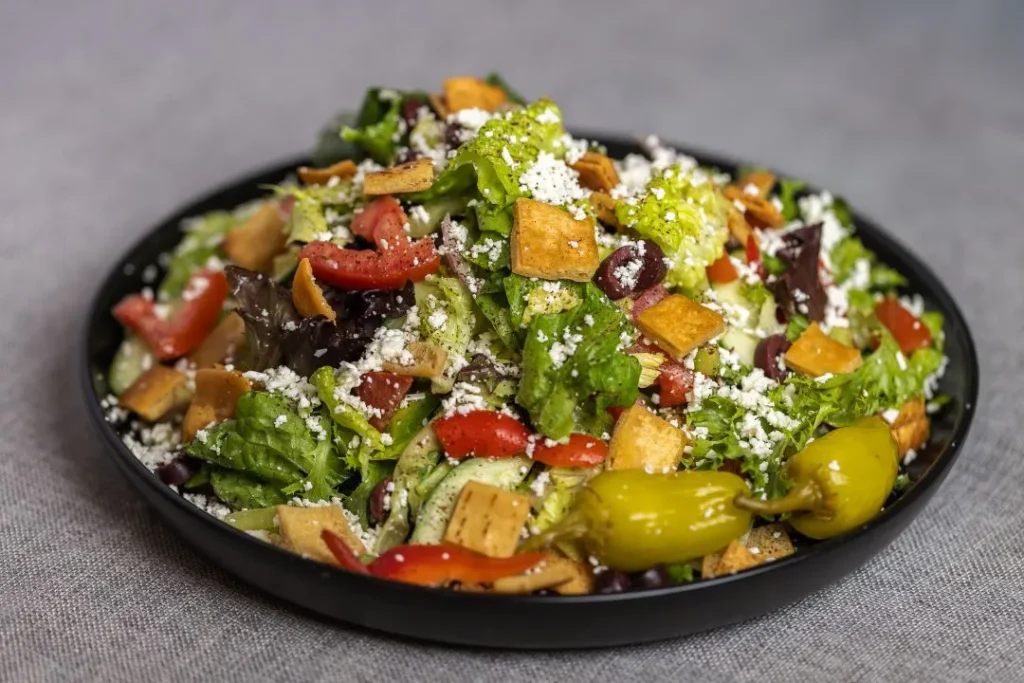
Lunch is usually plant forward and balanced. Think hearty salads, grain bowls, or mezze style meals that combine vegetables, legumes, and healthy fats. Dishes like Greek Salad, Tabouli, or a Hummus Bowl with vegetables and grains fit perfectly into this pattern. These meals are filling without being heavy and keep energy steady through the afternoon.
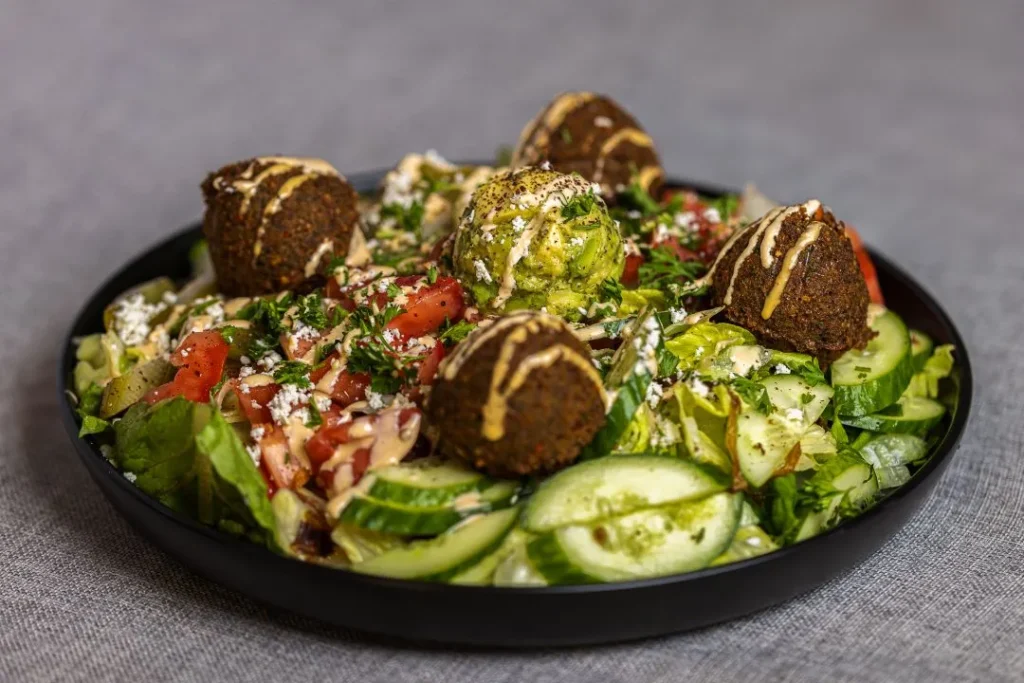
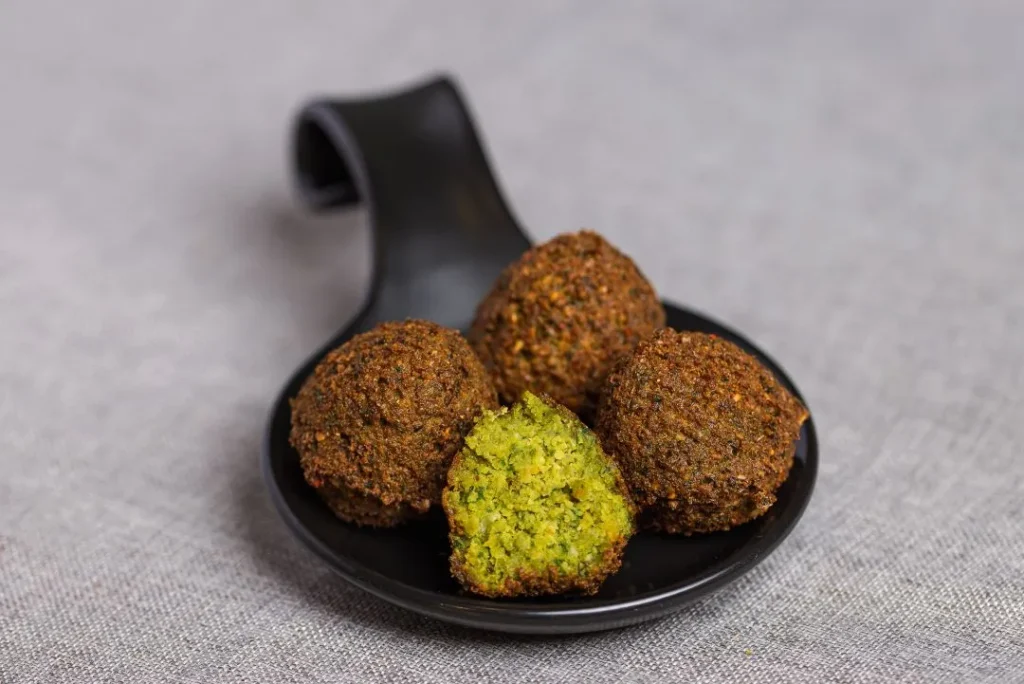
Dinner often feels communal and comforting. Roasted vegetables, legumes, grains, and warm spices take center stage. A plate built around Falafel, Lentil Quinoa Pilaf, or a Veggie Combo Plate reflects exactly how Mediterranean cultures have eaten for generations. Bread such as pita is enjoyed alongside meals, not avoided, and olive oil is used generously but thoughtfully.
Snacks are simple and intentional. Fresh fruit, nuts, olives, or a small portion of hummus with vegetables are common choices. Desserts are enjoyed, but they are usually modest and savored, like a piece of Baklava or fruit.
What defines the day is not strict structure, but rhythm. Meals are relaxed, flavorful, and rooted in real ingredients. That is what makes the vegetarian Mediterranean diet so sustainable.
Vegetarian Mediterranean Diet Food List
When people ask what foods they can eat on a vegetarian Mediterranean diet, the answer is surprisingly generous. This way of eating is built on abundance, not limitation.
Here is a clear and practical food list that reflects traditional Mediterranean habits and the dishes we serve every day at Micheline’s Pita House.
Vegetables
Vegetables are the foundation of the vegetarian Mediterranean diet. They are eaten at nearly every meal, cooked and raw.
Examples include leafy greens, tomatoes, cucumbers, peppers, zucchini, eggplant, cabbage, onions, and carrots. You will find these flavors in dishes like Roasted Veggies, Cucumber Tomato Salad, and Green Cabbage Salad.
Legumes and Plant Proteins
Legumes provide protein, fiber, and staying power.
Common choices include chickpeas, lentils, fava beans, and beans of all kinds. These ingredients shine in dishes such as Falafel, Classic Hummus, Babagannoush, Fava Beans, and Dolma.
Whole Grains
Grains are eaten daily and form the base of many meals.
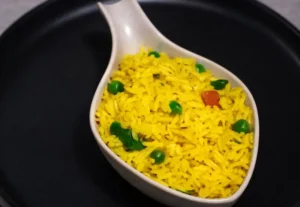
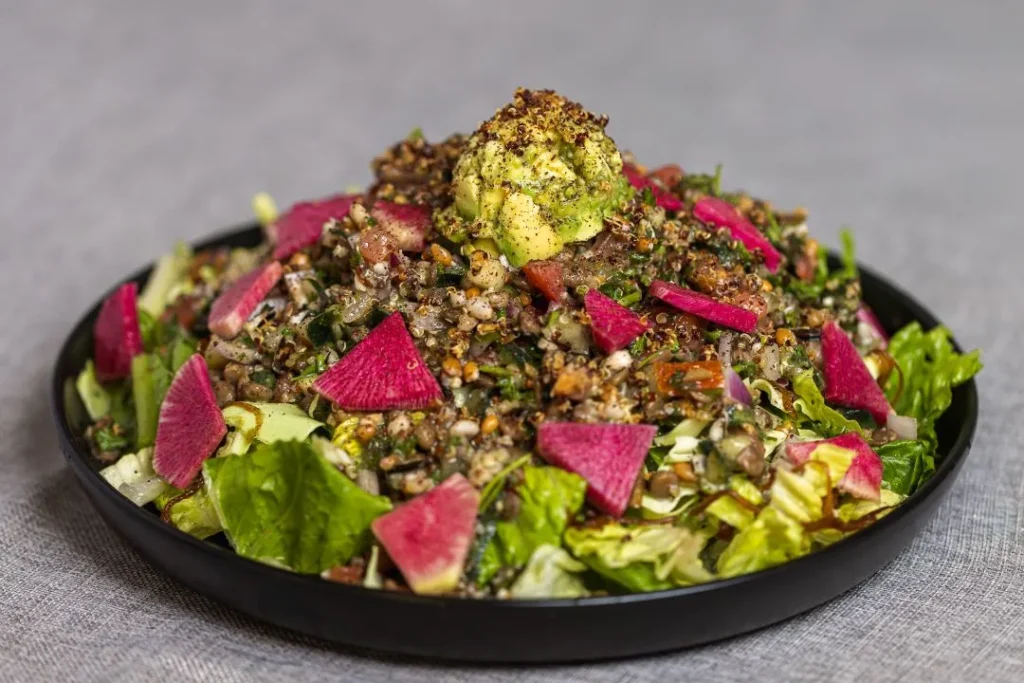
This includes basmati rice, couscous, bulgur, quinoa, and whole wheat breads. You can see this reflected in Basmati Rice, Couscous Moroccan Salad, and Superfood Ancient Grains Salad.
Healthy Fats
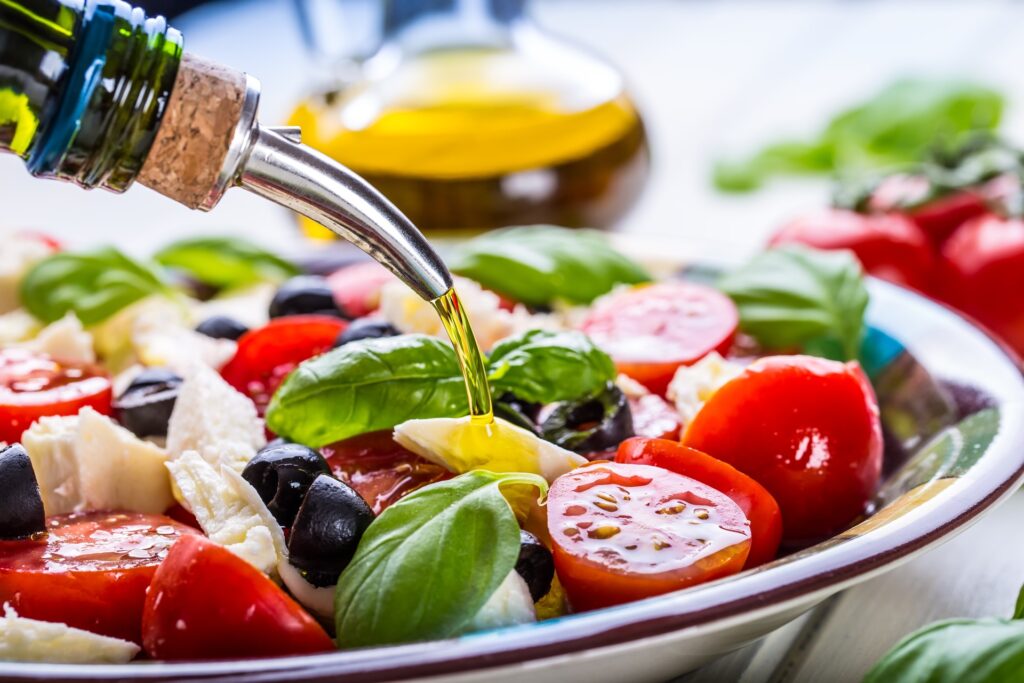
Extra virgin olive oil is central to Mediterranean eating. It is used for cooking, dressing salads, and finishing dishes. Nuts and seeds also play an important role.
Dairy and Eggs Optional
For vegetarians who include dairy, yogurt and cheese are enjoyed in moderation. Eggs are also included by many people following a vegetarian Mediterranean diet. These foods are optional, not mandatory, and can be adjusted to personal preference.
Herbs and Spices
Fresh herbs and warm spices bring meals to life. Parsley, mint, oregano, cumin, coriander, and paprika are used generously to add flavor without relying on heavy sauces.
This food list is not a checklist. It is a guide. The goal is to build meals around plants, flavor, and balance, and to enjoy food as part of daily life rather than as a set of rules.
Vegetarian Mediterranean Main Dishes and Meals
One of the reasons the vegetarian Mediterranean diet works so well is that it does not rely on side dishes pretending to be meals. Many traditional Mediterranean dishes are already built around vegetables, legumes, grains, and olive oil in a way that feels complete and satisfying.
At Micheline’s Pita House, our vegetarian guests never feel limited because these dishes are meant to stand on their own.
Some of the most loved vegetarian Mediterranean main dishes include Falafel, which offers protein and texture from seasoned chickpeas, and the Veggie Combo Plate, which brings together multiple plant based elements into one balanced meal. A Hummus Bowl layered with vegetables and grains is another perfect example of how legumes and olive oil create lasting fullness.
Grain based dishes such as Lentil Quinoa Pilaf and the Superfood Ancient Grains Salad show how Mediterranean meals rely on hearty, nourishing ingredients rather than meat substitutes. Fresh salads like Greek Salad and Tabouli add brightness and contrast, while dishes like Babagannoush and Dolma bring depth and comfort.
Vegetarian Mediterranean meals are not about replacing meat. They are about celebrating ingredients that have always been central to Mediterranean cooking.
Eggs and Dairy on a Vegetarian Mediterranean Diet
Many people wonder whether eggs and dairy are allowed on a vegetarian Mediterranean diet. The answer is yes, for those who choose to include them.
Traditional Mediterranean eating includes small to moderate amounts of dairy such as yogurt and cheese. Eggs are also commonly enjoyed, often a few times a week rather than in large quantities every day. These foods are treated as complements, not centerpieces.
For vegetarians, this flexibility makes the diet easier to follow long term. Eggs and dairy can add protein and richness, but they are never required. A vegetarian Mediterranean diet works just as well when meals are built around legumes, grains, vegetables, and olive oil.
What matters most is balance and variety, not strict rules.
What Do You Drink in the Morning on a Mediterranean Diet?
Morning drinks on the Mediterranean diet are simple and intentional. Water is always encouraged, often enjoyed first thing in the day. Coffee and tea are also common and enjoyed without excess sugar.
Some people begin the day with herbal teas, especially mint or chamomile. Others enjoy coffee with breakfast, often paired with fruit, bread, or yogurt. There is no pressure to drink special juices or supplements.
The focus is hydration, moderation, and enjoyment rather than strict routines.
Top Vegetarian Foods on the Mediterranean Diet
Here are some of the most important foods that define vegetarian Mediterranean eating.
- Vegetables of all kinds, especially leafy greens, tomatoes, cucumbers, eggplant, and peppers
- Legumes such as chickpeas, lentils, and fava beans
- Whole grains like bulgur, couscous, quinoa, and rice
- Extra virgin olive oil as the primary fat
- Fresh herbs including parsley, mint, and oregano
- Nuts and seeds
- Fermented dairy such as yogurt and cheese for those who include it
- Fruit as a daily staple
- Bread enjoyed in moderation
- Plant based dips such as hummus and baba ganoush
These foods appear again and again in Mediterranean meals because they nourish, satisfy, and bring people together at the table.
Vegetarian Mediterranean Food Frequently Asked Questions
Can you do a vegetarian Mediterranean diet?
Yes. The Mediterranean diet is naturally plant-forward, making it one of the easiest diets to follow as a vegetarian. Meals are built around vegetables, legumes, grains, olive oil, and herbs.
Is there a vegetarian Mediterranean diet?
Yes. A vegetarian Mediterranean diet excludes meat and fish while keeping the traditional Mediterranean focus on plant foods, healthy fats, and balanced meals.
Is there a vegan Mediterranean diet?
Yes. A vegan Mediterranean diet removes dairy and eggs while maintaining the same foundation of vegetables, legumes, whole grains, olive oil, herbs, nuts, and seeds.
Can vegetarians do the Mediterranean diet?
Absolutely. Vegetarians often find the Mediterranean diet easier to follow than many other eating patterns because it already emphasizes plant based foods.
Can you eat eggs every day on the Mediterranean diet?
Eggs are included in moderation. Some people enjoy them several times a week rather than every day, but frequency can be adjusted based on personal preference.
Is vegetarian or Mediterranean diet better?
Neither is better universally. A vegetarian Mediterranean diet combines the benefits of both by focusing on plant foods while following Mediterranean principles.
Is vegan or Mediterranean diet better?
Both can be healthy. The Mediterranean approach is often more flexible and easier to sustain long term, especially when adapted for vegetarian or vegan lifestyles.
What are the top foods on a vegetarian Mediterranean diet?
Vegetables, legumes, whole grains, olive oil, herbs, fruits, nuts, seeds, and plant based dips like hummus and baba ganoush.
Is Mediterranean vegetarian food healthy?
Yes. When built around whole foods and balance, a vegetarian Mediterranean diet supports heart health, digestion, and overall well being.