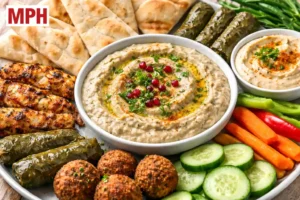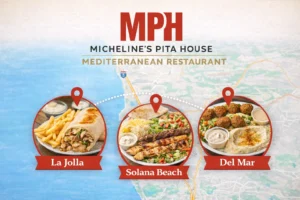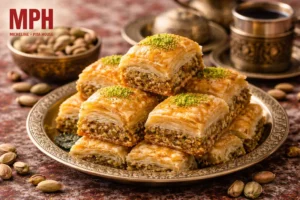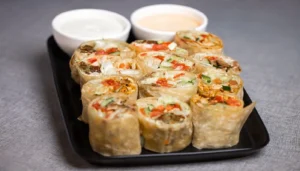
At Micheline’s Pita House, we get asked this all the time: “What exactly is dolma?” You’ll hear it called stuffed grape leaves, dolmades, or simply dolmas—and while the names vary, the idea is beautifully simple. Dolma is a classic Mediterranean way of filling grape leaves or vegetables with a seasoned mixture of rice, herbs, and sometimes meat, then cooking them gently until tender and aromatic. It’s comfort food, shareable food, and celebration food—rolled into one.
What Is Dolma?
Dolma is a Mediterranean dish made by stuffing grape leaves or vegetables with rice, herbs, and often meat, then cooking them slowly until tender.
The word comes from the Turkish verb dolmak, meaning “to be filled,” and it refers to the method more than a single recipe. In everyday conversation—especially in the U.S.—dolma most often means stuffed grape leaves, but the tradition extends far beyond that.
From Greek mezze tables to Middle Eastern family gatherings, dolma shows up in many forms. Some versions are light and lemony with rice and herbs; others are heartier, filled with rice and beef or lamb. What ties them together is balance: fragrant herbs, gentle acidity, and a satisfying, not-heavy bite.
What Are Stuffed Grape Leaves?
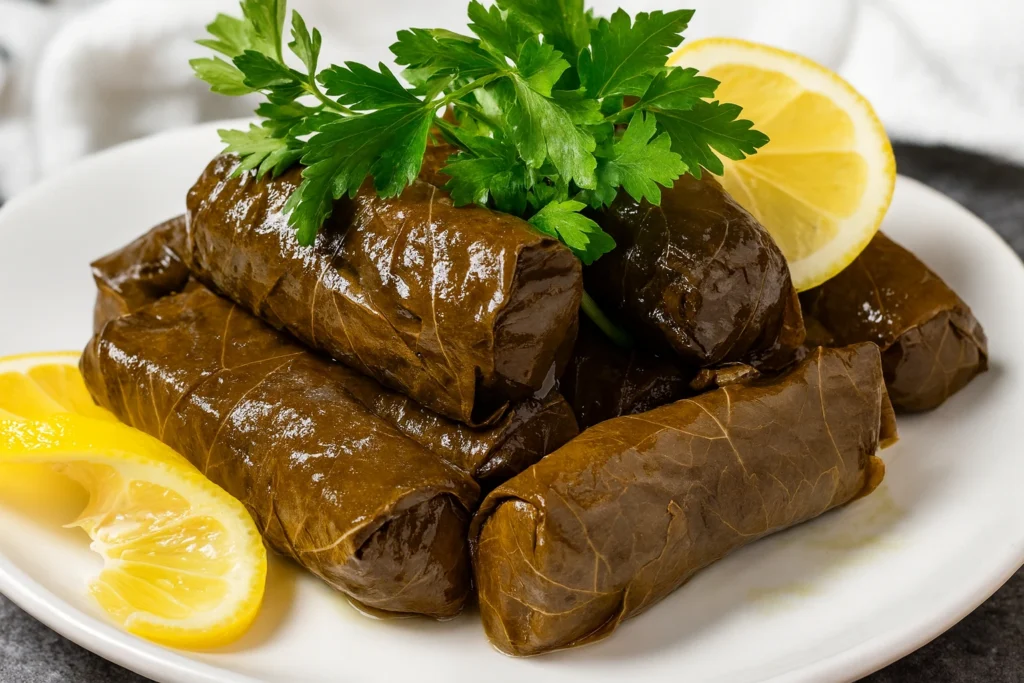
Stuffed grape leaves are the most familiar type of dolma. Tender vine leaves are wrapped around a seasoned filling, rolled into small cylinders, and cooked until the leaves soften and the flavors meld. You’ll see them served as part of a mezze spread, on a platter for sharing, or as a light main alongside salads and dips.
Are Grape Leaves Edible?
Yes—grape leaves are completely edible. They’re typically used either fresh (briefly blanched) or brined in jars. Brined leaves are common in restaurants and markets because they’re consistent and pliable once rinsed. When cooked properly, grape leaves become tender with a mild, pleasantly grassy flavor that complements the filling rather than overpowering it.
What Do Stuffed Grape Leaves Taste Like?
Think bright, herby, and gently savory. Vegetarian versions lean lemony and fresh, with notes of parsley, dill, and olive oil. Meat-filled versions are richer and warmer, with spices folded into the rice. The leaf itself adds a subtle tang, while the filling stays soft and aromatic—never heavy.
In Mediterranean meals, stuffed grape leaves are often paired with warm pita bread, creamy dips, and crisp salads, so each bite feels complete without being overwhelming.
What Are Dolmades? (And Why the Name Is Different)
Dolmades are simply the Greek name for stuffed grape leaves. If you’ve seen “dolmades” on a menu, you’re looking at the same family of dish as dolma—just using Greek terminology. In Greek cuisine, dolmades are often vegetarian, filled with rice, fresh herbs, olive oil, and lemon, and served at room temperature as part of a mezze spread.
You’ll also see meat-filled dolmades in Greek cooking, especially for heartier meals, but the lighter, herb-forward version is the one most people recognize. In short: dolmades are dolma, Greek-style—same idea, different name, slightly different balance of flavors.
Dolma vs Dolmades vs Sarma — What’s the Difference?
This is where most of the confusion comes from, so let’s clear it up cleanly.
| Term | What It Refers To | Typical Wrapper | Where You’ll See It |
|---|---|---|---|
| Dolma | A broad term meaning “stuffed” | Grape leaves or vegetables | Across Mediterranean & Middle Eastern cuisines |
| Dolmades | Greek name for grape-leaf dolma | Grape leaves | Greek mezze and home cooking |
| Sarma | Means “wrapped” | Grape leaves or cabbage leaves | Common in Balkan and Turkish traditions |
Here’s the practical takeaway:
- In everyday conversation, dolma often means stuffed grape leaves.
- In Greek contexts, the same dish is called dolmades.
- Sarma emphasizes the wrapping (leaves), while dolma can also include stuffed vegetables like peppers or zucchini.
Restaurants and families sometimes use these names interchangeably, especially when grape leaves and vegetables are cooked together. What matters most is the experience on the plate: tender leaves, well-seasoned filling, and a balance of herbs, acidity, and richness.
What Are Grape Leaves Stuffed With?
At its core, dolma is about the filling. While recipes vary by region and family, most stuffed grape leaves fall into two classic camps: vegetarian and meat-filled.
Common Dolma Fillings (At a Glance)
| Version | What’s Inside | Flavor Profile | How It’s Usually Served |
|---|---|---|---|
| Vegetarian | Rice, parsley, dill, mint, onion, olive oil, lemon | Bright, fresh, lemony | Room temperature or slightly chilled |
| With Meat | Rice plus beef or lamb, onion, herbs, warm spices | Savory, rich, comforting | Warm, often with yogurt-based sauces |
Vegetarian dolma highlights herbs and olive oil, with lemon adding lift. Meat-filled versions bring depth and warmth, with spices folded into the rice. In both cases, the grape leaf gently wraps everything together, adding structure and a subtle tang.
Is Dolma Greek, Turkish, or Middle Eastern?
The short answer: all of the above.
Dolma appears across the Mediterranean and Middle East because it predates modern borders. The technique—stuffing leaves or vegetables with seasoned fillings—spread through centuries of shared trade routes and empires. As a result, each region put its own signature on the dish:
- Greek versions (dolmades) often emphasize lemon, herbs, and olive oil, especially in vegetarian preparations.
- Turkish dolma includes both grape leaves and stuffed vegetables, sometimes with tomato-forward sauces.
- Levantine and Middle Eastern styles may lean spicier or richer, especially when meat is involved.
- Iraqi dolma frequently combines grape leaves with other vegetables in the same pot for a layered, celebratory dish.
Rather than belonging to one country, dolma belongs to a shared Mediterranean table—and that’s part of what makes it special.
Types of Dolma Across the Mediterranean
Across the Mediterranean, dolma refers to both wrapped leaves and stuffed vegetables, with each region adapting the technique to local ingredients, seasons, and traditions. While the flavors change, the philosophy stays the same: simple ingredients, cooked slowly and with care.
Wrapped Dolma (Sarma)
These are the hand-rolled versions most people recognize, commonly served as mezze.
- Stuffed grape leaves (yaprak sarma, dolmades)
The classic version—rolled vine leaves filled with rice, herbs, olive oil, and sometimes meat. - Stuffed cabbage leaves
Heavier and more comforting, often enjoyed warm, especially in cooler seasons.
Wrapped dolma tends to be smaller, more delicate, and designed for sharing.
Stuffed Vegetables
In Levantine, Turkish, and Greek cooking, dolma also includes vegetables filled rather than wrapped.
- Stuffed peppers (biber dolması) – Filled with spiced rice or meat, gently simmered
- Stuffed tomatoes and zucchini – Lighter, more herbal, often summer dishes
- Stuffed eggplant – Richer and deeper in flavor, especially suited to meat fillings
Each region adds its own balance of herbs, spices, and acidity, but the essence remains unchanged: humble ingredients elevated through patience and technique.
How Is Dolma Traditionally Served?
Dolma is meant to be shared. It rarely arrives alone; instead, it’s part of a spread that invites you to take a little of everything.
Dolma as Part of a Mezze Spread
In Mediterranean dining, dolma often appears alongside small plates—creamy dips, fresh salads, warm bread—so flavors and textures balance each other. The goal isn’t a single heavy dish, but a satisfying combination of light, savory bites.
Served Warm vs Room Temperature
- Vegetarian dolma is commonly served at room temperature or lightly chilled, which keeps the herbs bright and the olive oil silky.
- Meat-filled dolma is usually served warm, allowing the spices and juices to shine.
Both are correct; the difference comes down to the filling and the moment.
Is Dolma Healthy?
Dolma fits naturally into Mediterranean-style eating. Grape leaves, rice, herbs, and olive oil form a balanced base, and portions are typically modest. Vegetarian versions are especially light, while meat-filled dolma offers protein and staying power. As with most traditional foods, it’s best enjoyed as part of a varied meal rather than on its own.
How Dolma Is Made (High-Level Overview)
Dolma looks intricate, but the method is straightforward once you understand the rhythm:
- Prepare the leaves – Rinse brined grape leaves or blanch fresh ones until pliable.
- Mix the filling – Combine rice, herbs, and seasoning (with or without meat).
- Roll gently – Place a small amount of filling on each leaf and roll snugly, leaving room for the rice to expand.
- Cook slowly – Arrange seam-side down and cook gently so the leaves soften without tearing.
Common Mistakes to Avoid
- Overstuffing (the rice expands as it cooks)
- Rolling too tightly
- Skipping the rinse on brined leaves, which can make dolma overly salty
How to Store Dolmas
Dolma holds up well when stored properly, which is one reason it’s popular for gatherings.
Storing Dolmas in the Refrigerator
Cooked dolmas can be refrigerated in an airtight container for 3–4 days. Keep a little cooking liquid or olive oil with them to prevent drying.
Can You Freeze Dolmas?
Yes, both vegetarian and meat-filled dolma freeze well. Freeze them fully cooled in a sealed container. Thaw overnight in the refrigerator and reheat gently, or enjoy vegetarian versions at room temperature.
Reheating Without Drying Them Out
Warm dolmas slowly with a splash of water or broth and a covered lid. Avoid overheating; gentle warmth preserves texture and flavor.
What to Eat With Dolma
Dolma pairs best with foods that contrast its softness and acidity:
- Fresh salads
- Creamy dips
- Warm bread
- Grilled or roasted proteins for a heartier plate
Together, these elements create a balanced Mediterranean meal that feels both comforting and light.
Dolma in Mediterranean Food and the Mediterranean Diet
Dolma isn’t just a traditional dish — it’s a perfect example of how Mediterranean food is meant to be eaten. At its heart, dolma reflects the same principles that define the Mediterranean diet: simple ingredients, plant-forward meals, balanced portions, and food designed for sharing rather than overeating.
In Mediterranean cuisine, meals aren’t built around a single heavy plate. Instead, they’re made up of small, complementary dishes that work together — fresh vegetables, grains, herbs, olive oil, and modest amounts of protein. Dolma fits naturally into this style of eating.
Vegetarian dolma highlights rice, herbs, lemon, and olive oil — ingredients commonly found in Mediterranean diet food lists. Meat-filled dolma adds protein while still keeping portions reasonable and balanced. In both cases, grape leaves provide structure and fiber, while herbs and citrus bring brightness without relying on heavy sauces.
Dolma is also typically served alongside other Mediterranean staples like fresh salads, creamy dips, and warm pita bread. This combination creates a meal that feels satisfying without being overwhelming — one of the reasons Mediterranean food is often associated with long-term wellness and sustainable eating habits.
If you’re curious about how dishes like dolma fit into a broader lifestyle, you can explore more about what Mediterranean food is and how it’s traditionally enjoyed as part of the Mediterranean diet across cultures.
Try Dolma at Micheline’s Pita House
If you’ve been reading about dolma and wondering what it actually tastes like when it’s prepared fresh, we’d love for you to try it the way it’s meant to be enjoyed.
Our dolma is made in the spirit of authentic Mediterranean cuisine — tender grape leaves, balanced seasoning, and flavors that pair perfectly with the rest of our menu. Whether you’re building a mezze-style meal or adding something light and satisfying to your plate, dolma is a timeless choice.
Dolma in Catering: A Perfect Dish for Groups and Events
Dolma is one of those rare dishes that works exceptionally well for catering. It’s bite-sized, elegant, and holds its texture and flavor beautifully over time — which is exactly what you want when feeding a group.
In Mediterranean catering, dolma is often treated as a mezze essential. It fits seamlessly into spreads designed for sharing, allowing guests to enjoy a variety of flavors without committing to a heavy entrée. Because dolma can be served at room temperature or gently warmed (depending on the filling), it’s flexible for everything from office lunches to family gatherings and large celebrations.
From a practical standpoint, dolma is also ideal for mixed dietary groups. Vegetarian dolma appeals to plant-based guests, while meat-filled versions offer a more filling option — all without needing separate dishes or complicated service. This versatility is why dolma shows up so often on Mediterranean catering menus across weddings, corporate events, and social gatherings.
When paired with other catering staples like fresh salads, hummus, pita, and grilled proteins, dolma helps create a balanced, crowd-pleasing spread that feels thoughtful rather than excessive.
Add Dolma to Your Mediterranean Catering Order
If you’re planning a gathering and want something that’s flavorful, familiar, and easy for guests to enjoy, dolma is a smart catering choice.
At Micheline’s Pita House, our catering dolma is prepared with the same care and balance as our in-house dishes — tender grape leaves, well-seasoned filling, and authentic Mediterranean flavors that work perfectly for group dining.
Why San Diego Is a Great Place to Experience Dolma
“Dolma San Diego” isn’t just a search phrase — it makes real sense.
San Diego’s food culture aligns naturally with Mediterranean cooking. Fresh herbs, citrus, vegetables, and an appreciation for lighter, balanced meals make dolma feel right at home here.
Authentic Roots, Local Ingredients
Many Mediterranean kitchens in San Diego:
- Are family-run and recipe-driven
- Rely on fresh herbs, lemon, olive oil, and seasonal produce
- Prepare dolma regularly rather than treating it as an afterthought
That combination mirrors how dolma is meant to be eaten — not as a novelty, but as a familiar part of everyday Mediterranean meals.
A Naturally Healthy Fit for San Diego Living
Vegetarian dolma, especially stuffed grape leaves, fits seamlessly into San Diego’s health-forward lifestyle. Many versions are:
- Plant-forward
- Olive-oil based
- Naturally satisfying without being heavy
Paired with salads, dips, and warm pita, dolma delivers flavor without excess — one of the reasons Mediterranean food resonates so strongly here.
How to Find the Best Dolma in San Dieg
Not all dolma is created equal. Quality depends on freshness, balance, and care — not shortcuts.
1. Look for Mediterranean & Middle Eastern Restaurants
Prioritize restaurants that focus on:
- Greek, Lebanese, Turkish, or Middle Eastern cuisine
- Mezze-style menus
- Clearly listed items like “dolma” or “stuffed grape leaves”
These kitchens are more likely to prepare dolma properly rather than treating it as a canned side.
2. Visit Specialty Mediterranean Markets
Local Mediterranean grocery stores often carry:
- Fresh dolma at deli counters
- Packaged stuffed grape leaves
- Vine leaves, herbs, and spices for home cooking
Markets can be a great introduction, especially if you’re curious about different regional styles.
3. Search Smarter Online
Use search terms like:
- “Dolma San Diego”
- “Stuffed grape leaves near me”
- “Dolmades San Diego”
Then look beyond star ratings — read reviews, check photos, and notice whether people mention freshness and balance.
4. Ask People Who Love Mediterranean Food
Regular diners and restaurant staff often know where dolma is prepared thoughtfully. A quick question can lead you to a standout spot.
How to Enjoy Dolma, San Diego Style
Once you find great dolma, don’t rush it. This dish rewards patience.
Serving Ideas
Dolma shines when paired with:
- Mezze like hummus, baba ganoush, olives, and pita
- Grilled kebabs or shawarma for a heartier meal
- Simple salads that add crunch and freshness
Perfect Pairings
To enhance the flavor:
- Add a squeeze of lemon
- Serve with tzatziki, labneh, or garlicky yogurt
- Enjoy alongside warm pita bread
Dolma may be served chilled, warm, or at room temperature, each offering a slightly different experience — and none of them wrong.
Dolma isn’t about excess or spectacle. It’s about balance, restraint, and flavor that unfolds slowly. In a city like San Diego — where fresh ingredients, diverse cultures, and thoughtful eating intersect — it’s a dish that feels exactly where it belongs.
Frequently Asked Questions About Dolma
What are stuffed grape leaves called?
They’re commonly called dolma or dolmades, depending on the cuisine.
Are dolma and dolmades the same?
Yes, dolmades is the Greek term for grape-leaf dolma.
Do dolmas always have meat?
No, many traditional versions are vegetarian.
Can you eat dolma cold?
Vegetarian dolma is often enjoyed at room temperature or chilled.
Are grape leaves bitter?
When prepared correctly, they’re mild and pleasantly tangy—not bitter.
Is dolma vegan?
Some versions are fully vegan, while others include meat.
What Does Dolma Taste Like?
Dolma tastes bright, herby, and gently savory. Vegetarian dolma leans lemony and fresh with olive oil and herbs, while meat-filled dolma is warmer and richer, with spiced rice and tender grape leaves that add a mild tang.
What Kind of Food Is Dolma?
Dolma is a traditional Mediterranean and Middle Eastern dish made by stuffing grape leaves or vegetables with rice, herbs, and sometimes meat, then cooking them slowly until tender.
Are Dolmas Healthy?
Yes—dolmas can be a healthy choice, especially vegetarian versions. They’re typically made with grape leaves, rice, herbs, olive oil, and lemon, which align well with Mediterranean-style eating when enjoyed in sensible portions.
How Do You Eat Dolmas?
Dolmas are eaten by hand or with a fork, often as part of a mezze spread. They’re bite-sized and meant to be enjoyed slowly alongside dips, salads, and bread.
Are You Supposed to Eat Dolmas Hot or Cold?
Both are correct. Vegetarian dolmas are commonly served at room temperature or lightly chilled, while meat-filled dolmas are usually served warm.
Are Dolmas Heart-Healthy?
Dolmas made with olive oil, herbs, and grape leaves can be heart-friendly as part of a balanced diet. They’re lower in saturated fat than many fried foods and rely on plant-based ingredients.
What Is Good to Eat With Dolmas?
Dolmas pair well with fresh salads, creamy dips, warm pita, and grilled proteins. These sides balance the acidity and softness of the grape leaves.
Are You Supposed to Eat the Grape Leaf?
Yes. The grape leaf is fully edible and an essential part of the dish. When cooked properly, it becomes tender and easy to eat.
Are Dolmas Anti-Inflammatory?
Some ingredients commonly used in dolma—like olive oil, herbs, and grape leaves—are associated with anti-inflammatory eating patterns, though dolma itself isn’t a medical treatment.
How Do You Serve Trader Joe’s Dolmas?
Trader Joe’s dolmas are typically served straight from the can at room temperature. Many people drizzle them with lemon juice or olive oil and serve them with dips or salad.
What Can I Dip Dolmas In?
Dolmas are often dipped in yogurt-based sauces, tahini, or enjoyed plain with lemon. Dips add creaminess that balances the acidity of the leaves.
Are Stuffed Grape Leaves With Rice Good for You?
Rice-stuffed grape leaves can be nutrient-friendly, offering fiber from the leaves and herbs, plus energy from rice—especially when portions are moderate.
What’s the Healthiest Canned Food to Eat?
Healthier canned foods generally include vegetables, beans, fish, and items preserved in water or olive oil with minimal additives—dolmas included when ingredients are simple.
Do Dolmas Have a Lot of Calories?
Dolmas are moderate in calories. Vegetarian versions are usually lighter, while meat-filled dolmas are more filling. Portion size matters more than the dish itself.
Can Diabetics Eat Stuffed Grape Leaves?
Many people with diabetes can enjoy dolma in moderation, especially when paired with protein and vegetables. Rice affects blood sugar, so portion control is key.
Is Dolma Eaten Hot or Cold?
Yes—dolma can be eaten hot, warm, or cold, depending on the filling and tradition. Vegetarian versions are most often served at room temperature.
What Do Grape Leaves Do for Your Body?
Grape leaves contain fiber and plant compounds and are naturally low in calories, making them a supportive part of a balanced Mediterranean-style diet.
Are Dolmas Healthy for Weight Loss?
Dolmas can fit into weight-conscious eating when portion sizes are controlled and they’re paired with salads and lean proteins rather than heavier sides.