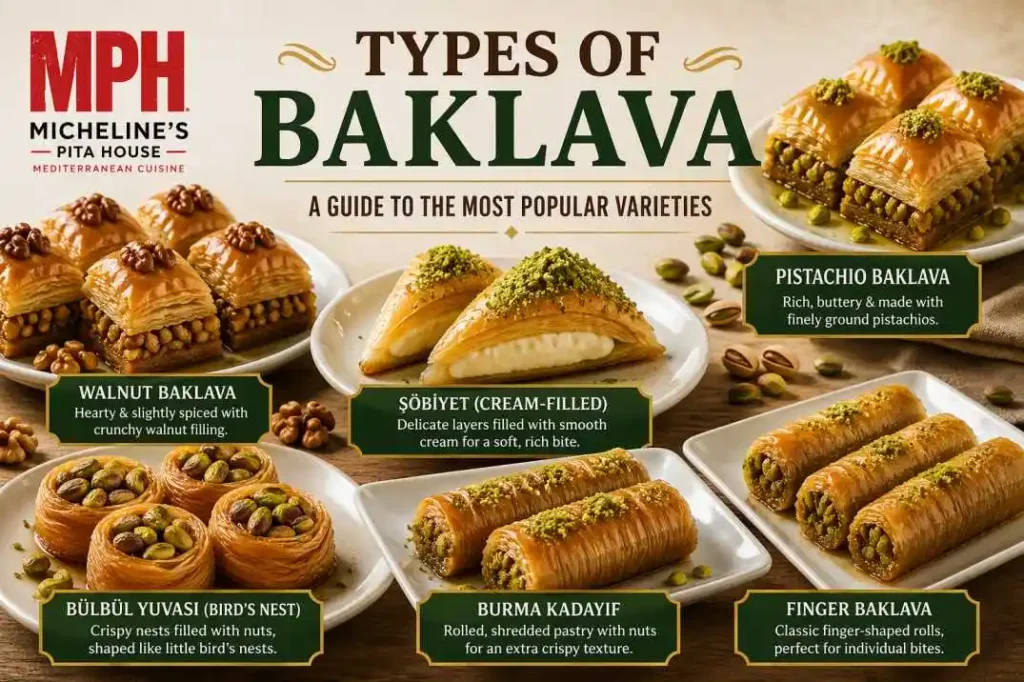
Baklava comes in many types that differ by nut filling, pastry shape, syrup style, and regional tradition. The most common varieties include pistachio baklava, walnut baklava, şöbiyet, bülbül yuvası (bird’s nest), burma kadayıf, and finger-style baklava—each offering a unique balance of crunch, sweetness, and richness.
This classic baklava dessert is made with layers of thin baklava pastry (phyllo dough), nuts, and a sweet syrup or honey. While the ingredients are simple, the combinations create a wide range of textures and flavors across Turkish, Middle Eastern, and Mediterranean cuisines.
From square-cut classics to rolled and nest-shaped specialties, baklava is more diverse than many people realize. Exploring the different kinds of baklava makes it easier to understand how each variety delivers its own texture, appearance, and flavor experience.
8 Different Types of Baklava
Baklava takes many forms across the Mediterranean and Middle East, with each region shaping it through its own choice of nuts, syrup, spices, and presentation.
Turkish, Greek, and Middle Eastern styles are especially distinct. Some versions use pistachios, walnuts, or hazelnuts between delicate pastry layers, while others stand out for their sweetener, such as Greece’s honey-citrus syrup or Turkey’s lighter sugar syrup.
Baklava also appears in a range of shapes, including rolled styles like saragli and borma, as well as nest-shaped versions such as bülbül yuvası.
Regional and Specialized Variations
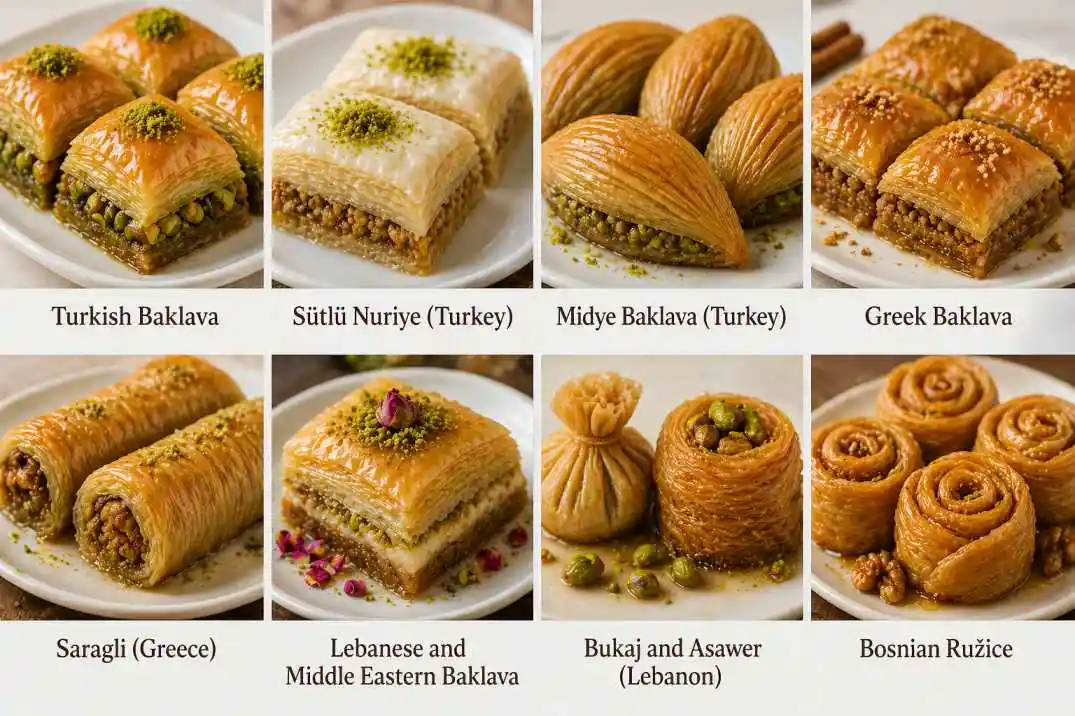
- Turkish Baklava: Known for its ultra-thin pastry layers, Turkish baklava often features pistachios from Gaziantep or finely chopped walnuts. It is sometimes served with kaymak, a rich clotted cream that adds extra indulgence.
- Sütlü Nuriye (Turkey): This lighter variation, often called milk baklava, uses milk in place of traditional syrup, giving it a paler color and a softer, less intense sweetness.
- Midye Baklava (Turkey): Midye baklava is shaped like a mussel shell and filled with nuts, offering a decorative look with the same crisp, syrupy character.
- Greek Baklava: Greek-style baklava commonly uses walnuts, honey, and warm spices such as cinnamon and cloves, creating a deeper and more aromatic flavor profile.
- Saragli (Greece): Saragli is a rolled or twisted form of baklava, usually sliced into smaller pieces and valued for its elegant shape and crisp texture.
- Lebanese and Middle Eastern Baklava: These versions often include fragrant ingredients like rose water or orange blossom water. Some are topped or filled with cream such as ashta, while others may incorporate cheese.
- Bukaj and Asawer (Lebanon): These are smaller, more specialized baklava shapes, including pouch-like forms and bird’s nest styles that highlight both craftsmanship and texture.
- Bosnian Ružice: Ružice are rose-shaped rolls of phyllo, typically filled with walnuts and sometimes raisins, offering a softer, more decorative variation.
What Makes One Baklava Different From Another?
At its core, baklava may look similar, but the differences come down to a few key factors:
- Filling: Pistachios, walnuts, almonds, or cream
- Shape: Squares, triangles, rolls, nests, or layered slabs
- Texture: Crispy, syrup-soaked, or lightly sweet and dry
- Syrup style: Honey-based, sugar syrup, or milk-based (less sweet)
Understanding these elements helps explain why there are so many different types of baklava around the world.
If you want a deeper look into how baklava is made, including layers and fillings, explore our guide to baklava ingredients.
Popular Baklava Types by Filling, Shape, and Style
Baklava is far more diverse than many people expect. While the core idea stays the same—thin pastry layers, a nut or cream filling, and a sweet finish—the final result can vary dramatically depending on the region, shape, syrup, and filling. Some types are rich and pistachio-forward, others are lighter, creamier, more aromatic, or shaped to highlight texture as much as flavor.
Below are eight popular baklava types that show how this classic dessert changes across Turkish, Greek, Lebanese, Middle Eastern, and Balkan traditions.
Turkish Baklava
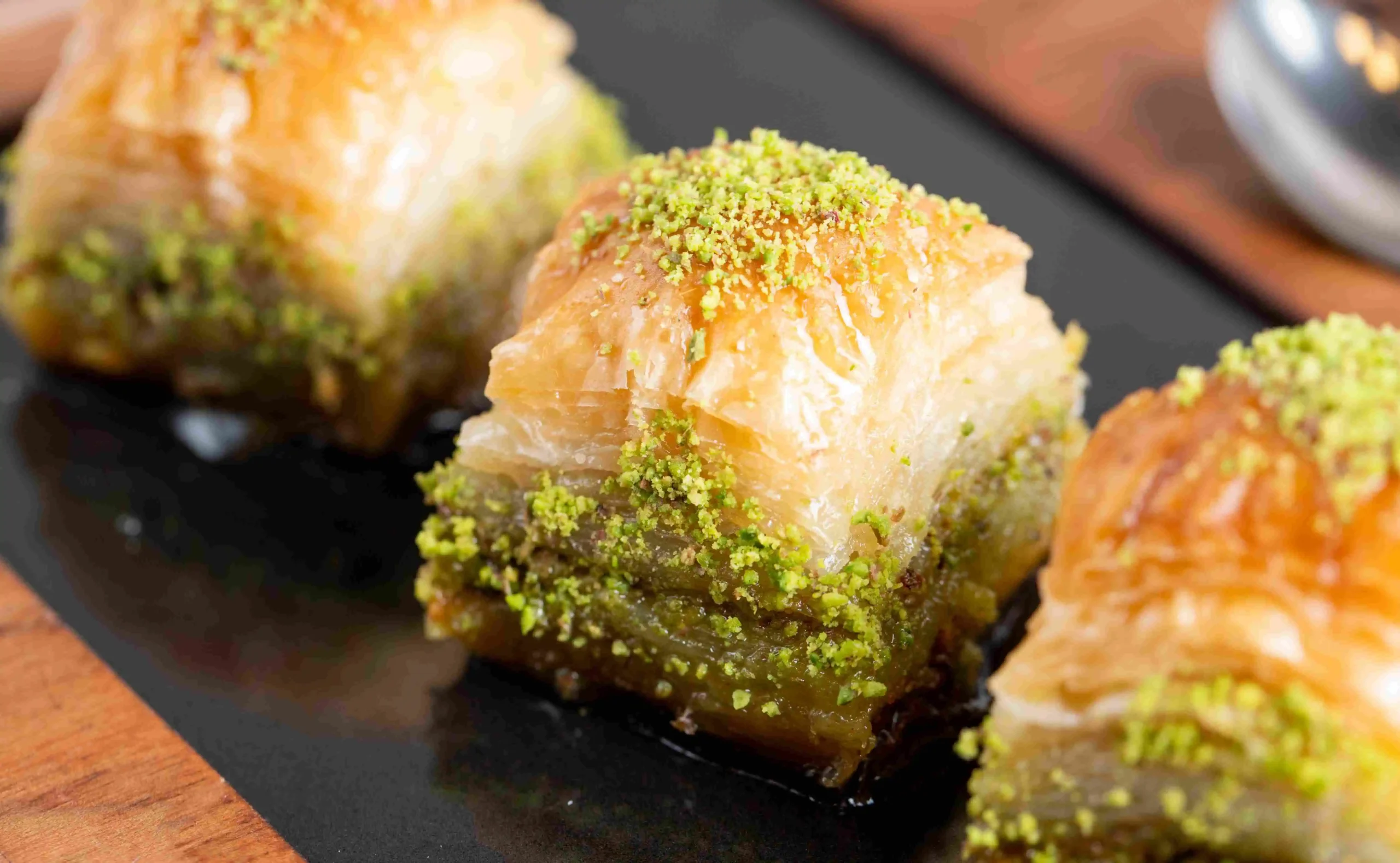
Turkish baklava is one of the most iconic forms of baklava and is often considered the benchmark for crisp, delicate layers. It is known for using extremely thin sheets of pastry, generous butter, and high-quality pistachios or walnuts, especially in regions famous for pastry craftsmanship.
What makes Turkish baklava stand out is its clean, balanced sweetness. It is usually finished with a light sugar syrup rather than a heavy honey-based topping, which allows the buttery pastry and nut filling to remain the focus. In some settings, it is served with kaymak, a rich clotted cream that adds a creamy contrast to the crisp texture.
Sütlü Nuriye
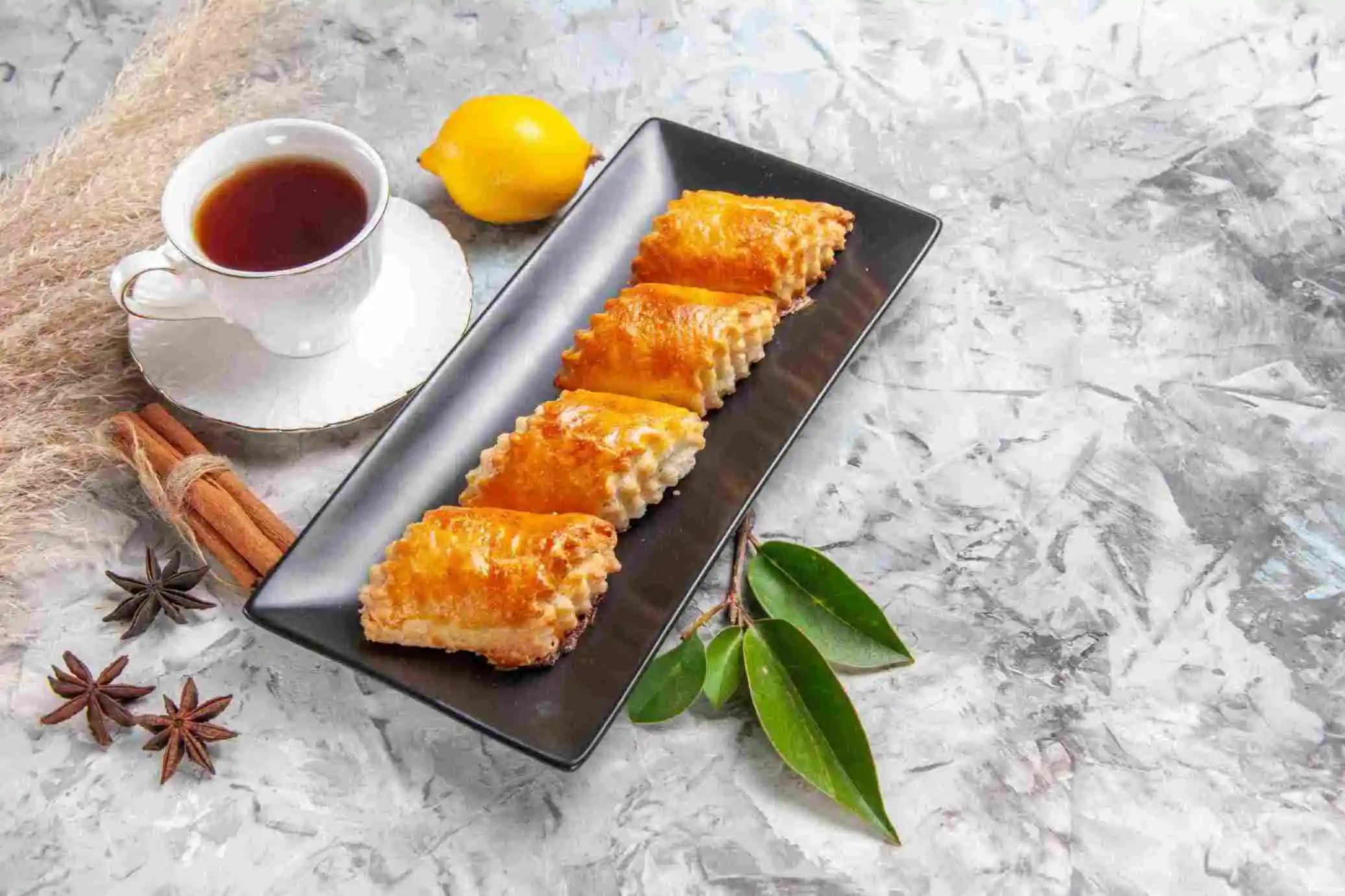
Sütlü Nuriye is a lighter Turkish variation often referred to as milk baklava. It looks paler than standard baklava and has a softer, gentler sweetness, making it a favorite for people who enjoy the texture of baklava but want a less syrup-heavy dessert.
This variety uses a milk-based syrup rather than the more traditional sugar syrup alone. The result is a softer finish, a more delicate flavor, and a creamy sweetness that feels lighter on the palate. It still offers layered pastry and a nut filling, but the overall effect is more subtle and smooth.
Midye Baklava
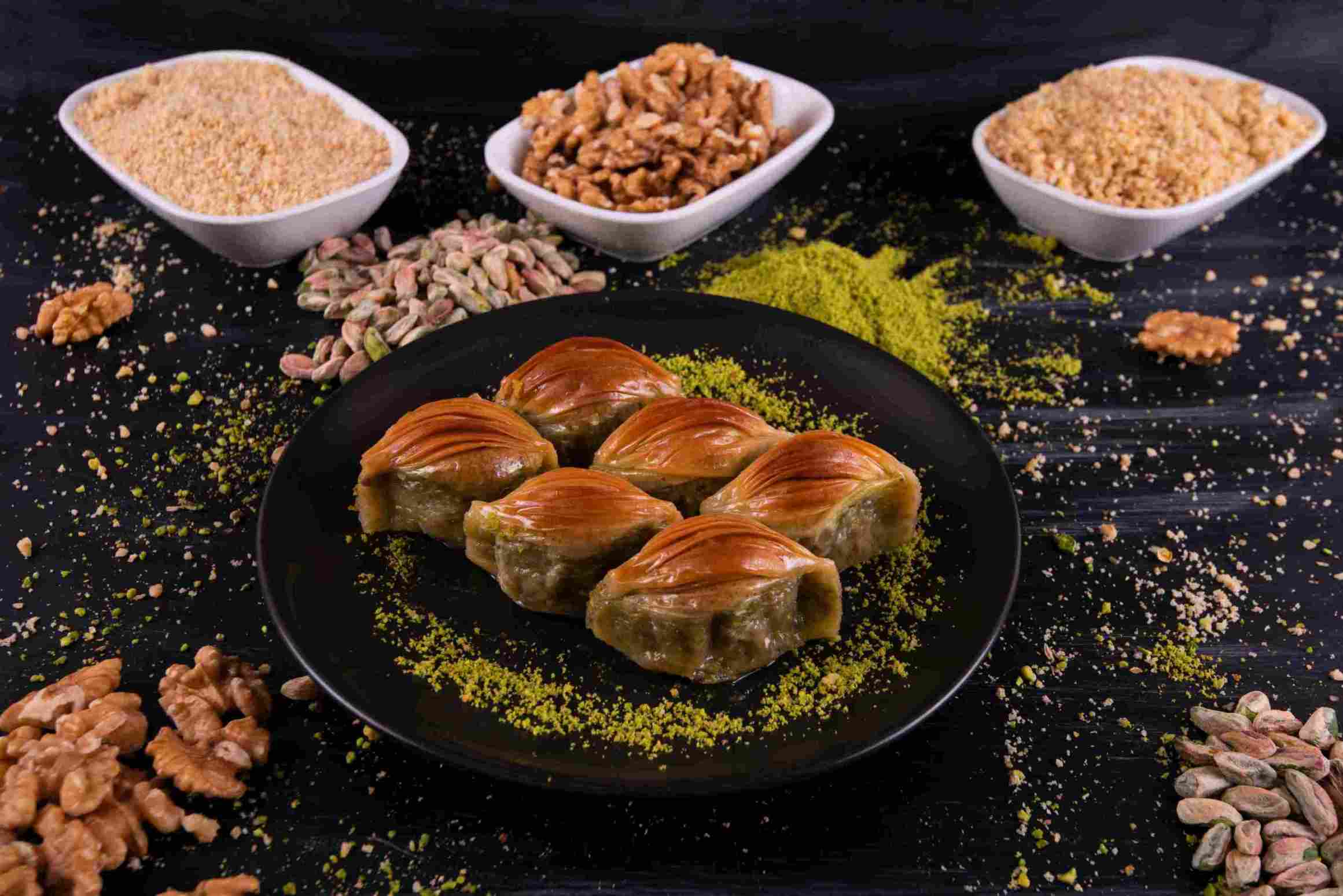
Midye baklava is a Turkish specialty shaped like a mussel shell, which is exactly what gives it its name and visual appeal. It is one of the most decorative baklava styles and is often chosen as much for presentation as for flavor.
Inside, it usually contains a nut filling, often pistachios, while the folded shape creates a pleasant contrast between crisp outer layers and a more concentrated, syrupy center. Because of its distinctive form, midye baklava feels slightly more elegant and specialty-driven than standard square-cut baklava.
Greek Baklava
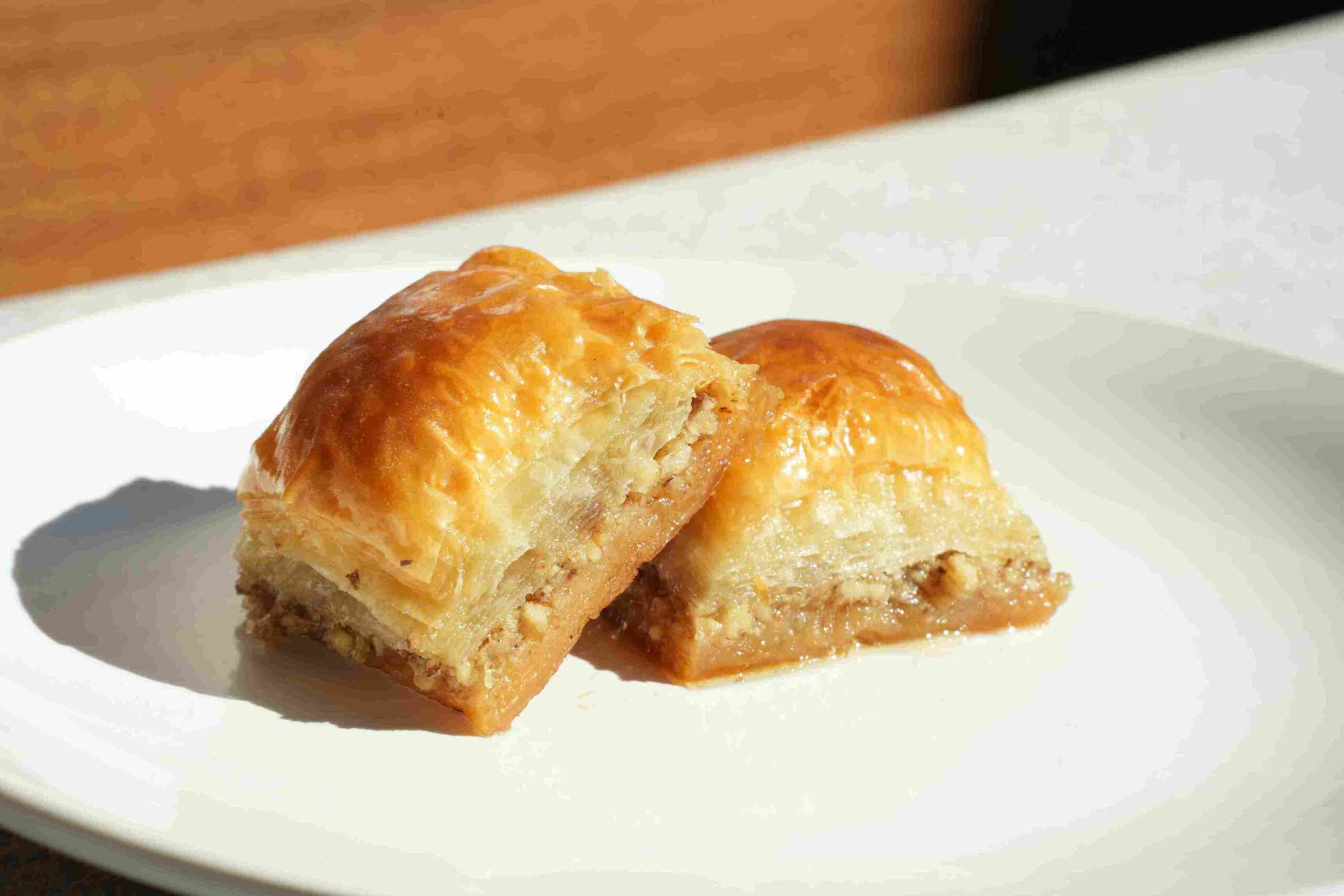
Greek baklava has its own unmistakable personality. It commonly uses walnuts rather than pistachios and is often flavored with warm spices such as cinnamon and cloves, giving it a deeper and more aromatic taste.
Another defining feature is the sweetener. Greek baklava often leans on honey or honey-based syrup, sometimes with citrus notes, which gives it a richer and more fragrant sweetness. Compared with Turkish baklava, it can feel spicier, darker in flavor, and more robust overall.
Saragli
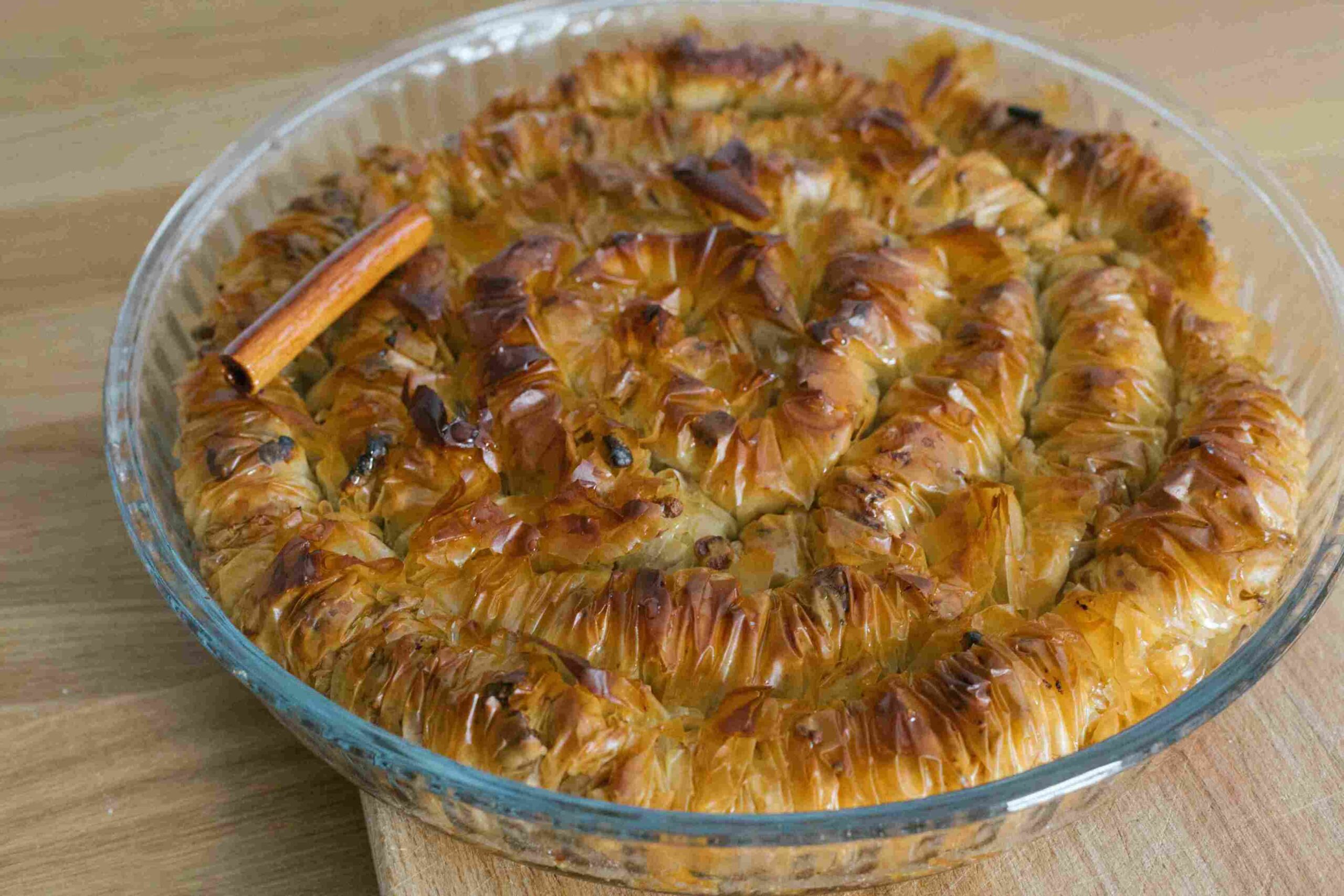
Saragli is a Greek rolled version of baklava that combines the same essential elements—pastry, nuts, and syrup—but presents them in a more elegant spiral or tube-like form. It is usually cut into smaller pieces, which makes it appealing for serving and sharing.
Because the pastry is rolled rather than stacked in flat layers, saragli often has a different bite. It can feel slightly more textured and concentrated, with the syrup settling into the folds and the nut filling becoming more evenly distributed throughout each piece.
Lebanese and Middle Eastern Baklava
Lebanese and broader Middle Eastern baklava styles are often known for their fragrance as much as their sweetness. These varieties may include rose water, orange blossom water, or other aromatic elements that create a more floral and delicate flavor profile.
Some versions also feature cream such as ashta, while others incorporate cheese or softer fillings that make them feel richer and more dessert-like. Compared with standard layered baklava, these styles can be more expressive in aroma and more varied in texture, reflecting the wide dessert traditions across the region.
Bukaj and Asawer
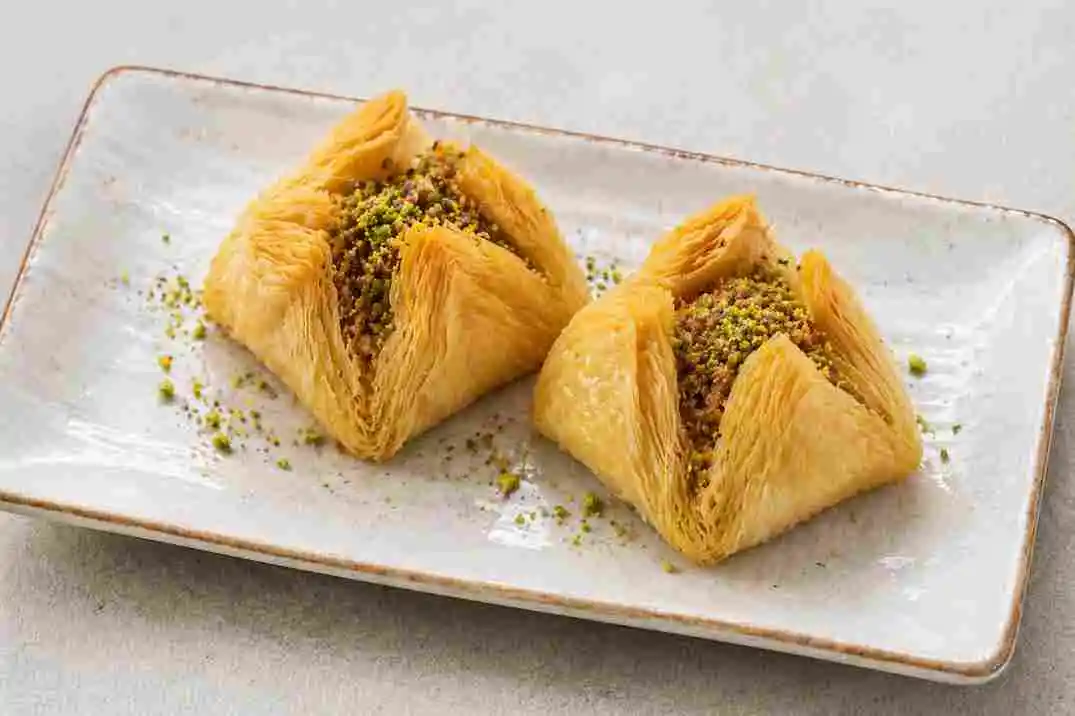
Bukaj and asawer are smaller, more specialized Lebanese baklava forms that highlight craftsmanship and shape. Rather than focusing only on the classic layered square, these styles bring more decorative structure to the dessert.
Bukaj often appears in pouch-like or gathered shapes, while asawer can resemble elegant bracelets or nest-style pastries. These forms are not just visually appealing—they also influence how the syrup settles and how the filling is distributed, giving each bite a slightly different balance of crunch and softness.
Bosnian Ružice
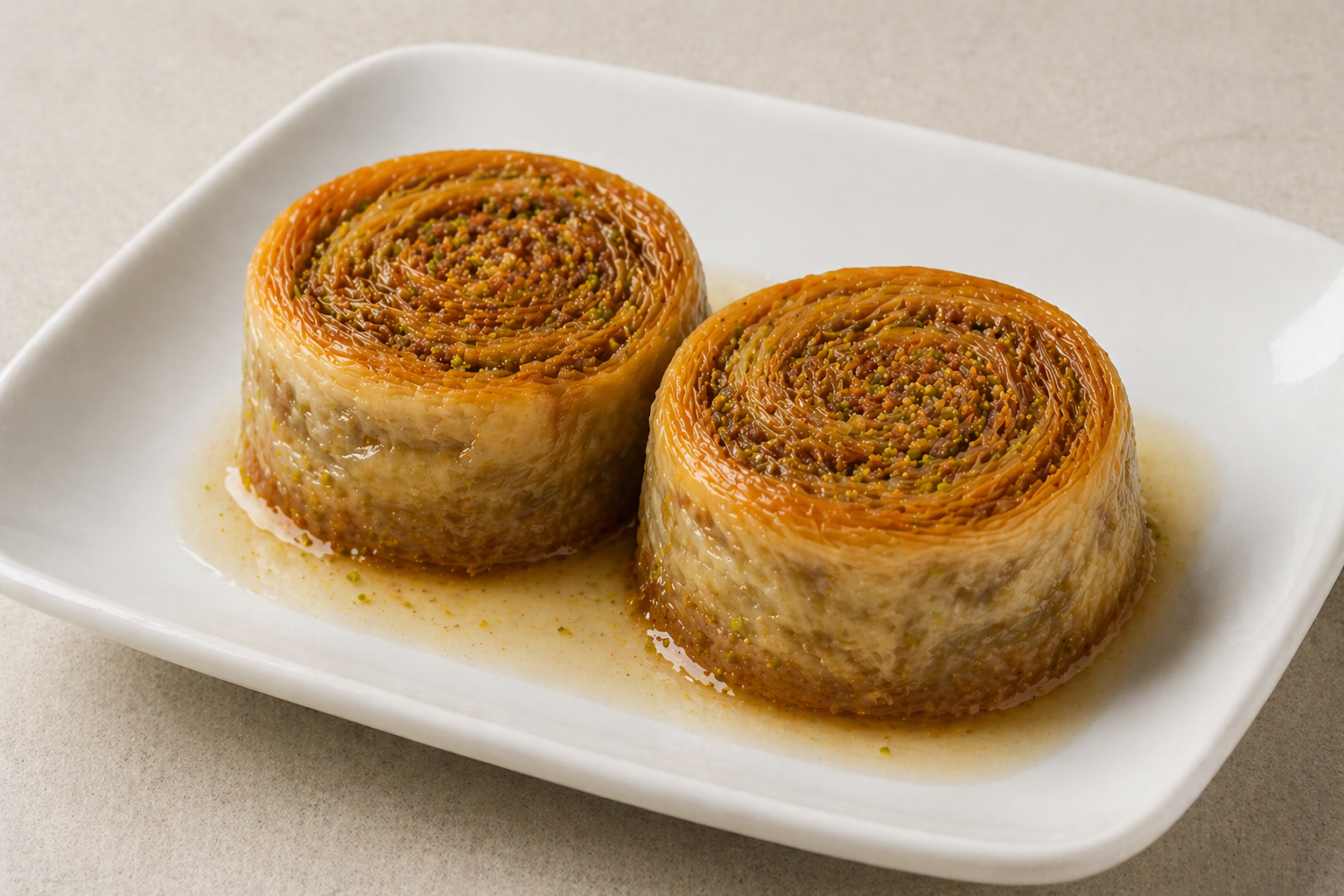
Bosnian ružice are rose-shaped baklava rolls that bring a softer, more decorative twist to the category. They are commonly filled with walnuts and sometimes raisins, which gives them a slightly deeper, fruitier flavor than many other versions.
Because they are rolled into rose-like spirals, ružice tend to feel more tender and less sharply layered than classic square-cut baklava. Their shape also makes them visually striking, showing how baklava traditions in the Balkans developed their own distinct style while still staying true to the dessert’s layered roots.
| Baklava Type | Region/Style | Main Filling | Shape | Sweetness Style | Texture |
|---|---|---|---|---|---|
| Turkish Baklava | Turkey | Pistachio or walnut | Layered squares/rectangles | Light sugar syrup | Crisp, buttery, delicate |
| Sütlü Nuriye | Turkey | Nuts, often pistachio | Layered pieces | Milk-based lighter syrup | Soft, creamy, light |
| Midye Baklava | Turkey | Usually pistachio | Mussel-shaped | Syrupy but balanced | Crisp outside, richer center |
| Greek Baklava | Greece | Walnut | Layered squares or diamonds | Honey-based, often with citrus | Rich, aromatic, slightly dense |
| Saragli | Greece | Nuts, often walnut | Rolled or twisted pieces | Sweet syrup or honey syrup | Textured, crisp, compact |
| Lebanese and Middle Eastern Baklava | Lebanon / Middle East | Nuts, cream, or cheese | Mixed shapes | Syrup with rose water or orange blossom | Fragrant, varied, sometimes softer |
| Bukaj and Asawer | Lebanon | Nuts | Pouch, bracelet, or nest-like forms | Sweet syrup | Decorative, crisp with syrupy pockets |
| Bosnian Ružice | Bosnia / Balkans | Walnut, sometimes raisins | Rose-shaped rolls | Sweet syrup | Tender, rolled, slightly soft |
How to Choose Between Different Types of Baklava
With so many different types of baklava, choosing the right one depends on your taste preferences.
For Nut Lovers
Go for pistachio or walnut baklava. Pistachio is smoother and richer, while walnut is deeper and slightly spiced.
For Lighter or Creamier Textures
Şöbiyet or milk-based baklava varieties offer a softer bite and less intense sweetness.
For a Classic Baklava Experience
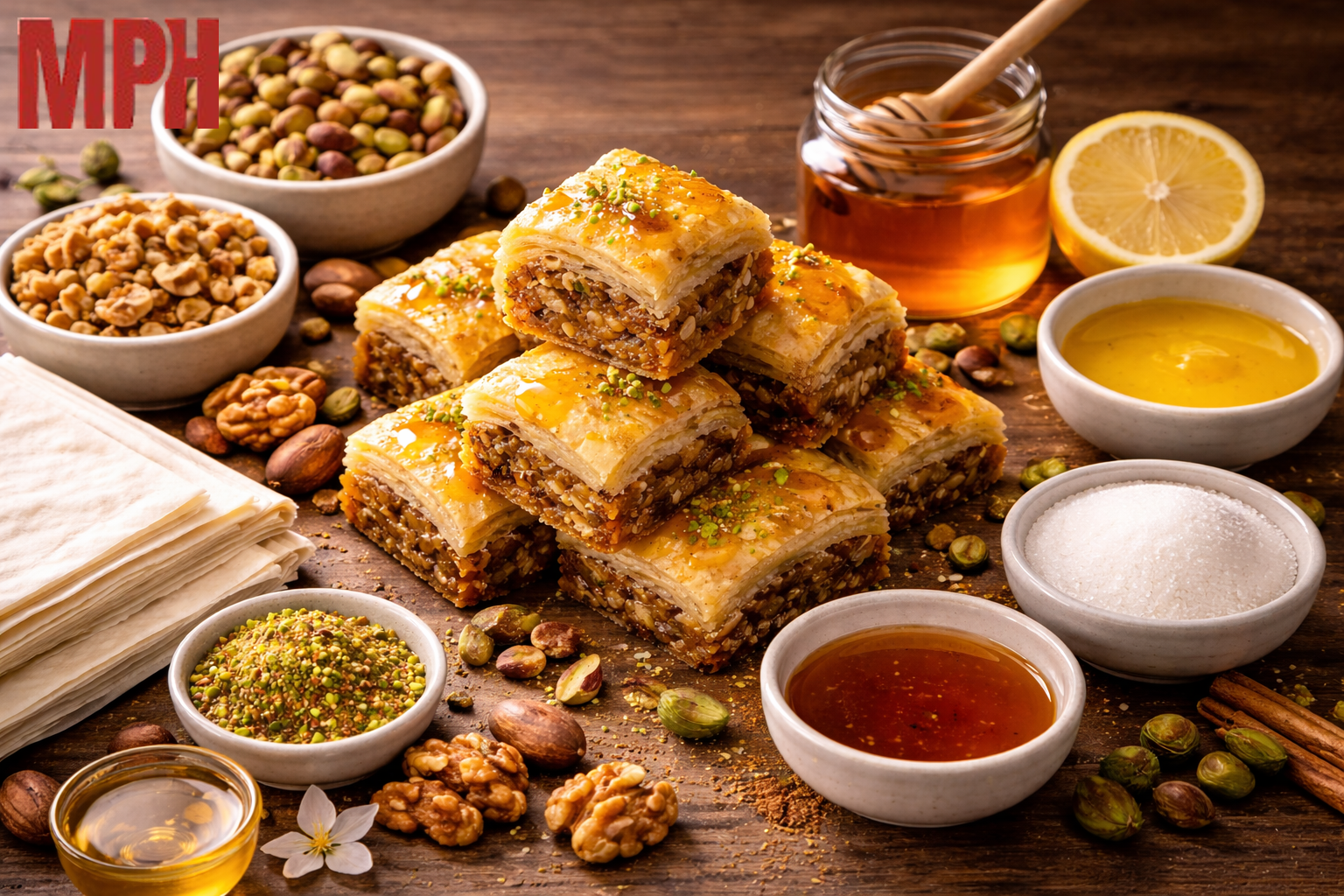
Traditional layered baklava with syrup and nuts—usually cut into squares or triangles—is the most recognizable and widely loved version.
If you enjoy exploring sweets from the region, you can also browse our full selection of Mediterranean desserts.

Frequently Asked Questions
What is the most common type of baklava?
The most common type of baklava is pistachio baklava. It is widely known for its rich flavor, bright color, and balanced sweetness, especially in Turkish and Middle Eastern cuisines.
What is the difference between pistachio and walnut baklava?
The main difference is flavor and texture. Pistachio baklava is smoother and slightly sweeter, while walnut baklava has a deeper, nuttier taste and may include spices like cinnamon.
Is baklava Turkish, Greek, or Middle Eastern?
Baklava is shared across many cultures, including Turkish, Greek, and Middle Eastern cuisines. Each region has its own variations, making it a truly Mediterranean and Levantine dessert.
What is triangle baklava?
Triangle baklava refers to baklava cut into triangular shapes. It is usually made with layered pastry and nut filling, offering the same flavor as square-cut baklava but with a different presentation.
Are there different shapes of baklava?
Yes, baklava shapes include squares, triangles, rolls, nests, and spirals. These shapes affect texture and how the syrup is absorbed.
What makes baklava taste different from one bakery to another?
Differences come from the quality of ingredients, type of nuts, syrup recipe, and preparation method. Even small changes can significantly affect flavor and texture.
Enjoy Fresh Baklava at Micheline’s Pita House
If you’re craving authentic baklava, Micheline’s Pita House serves freshly made varieties inspired by traditional Mediterranean recipes. Each piece is crafted with quality ingredients and the perfect balance of sweetness and crunch.
You can explore our baklava on our menu or order for events through our baklava catering options.
Whether you’re trying baklava for the first time or already have a favorite, it’s always best enjoyed fresh, shared, and paired with great food.