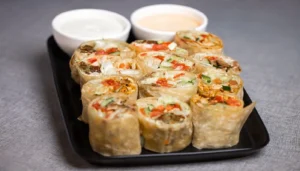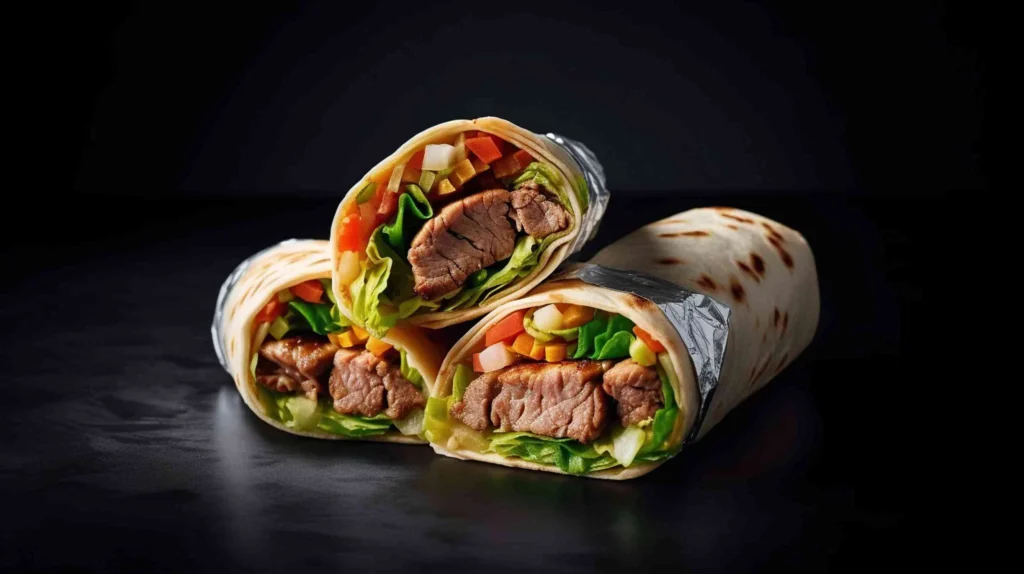
Shawarma and kebab are two of the most beloved dishes in Middle Eastern cuisine, celebrated for their rich flavors and unique cooking techniques. While they may seem similar at first glance, each dish has its own distinctive ingredients, preparation methods, and taste. In this guide, we’ll explore the key differences between shawarma and kebab to help you discover which flavorful favorite best suits your cravings.
The Main Difference Between Shawarma and Kebab
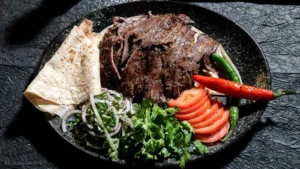
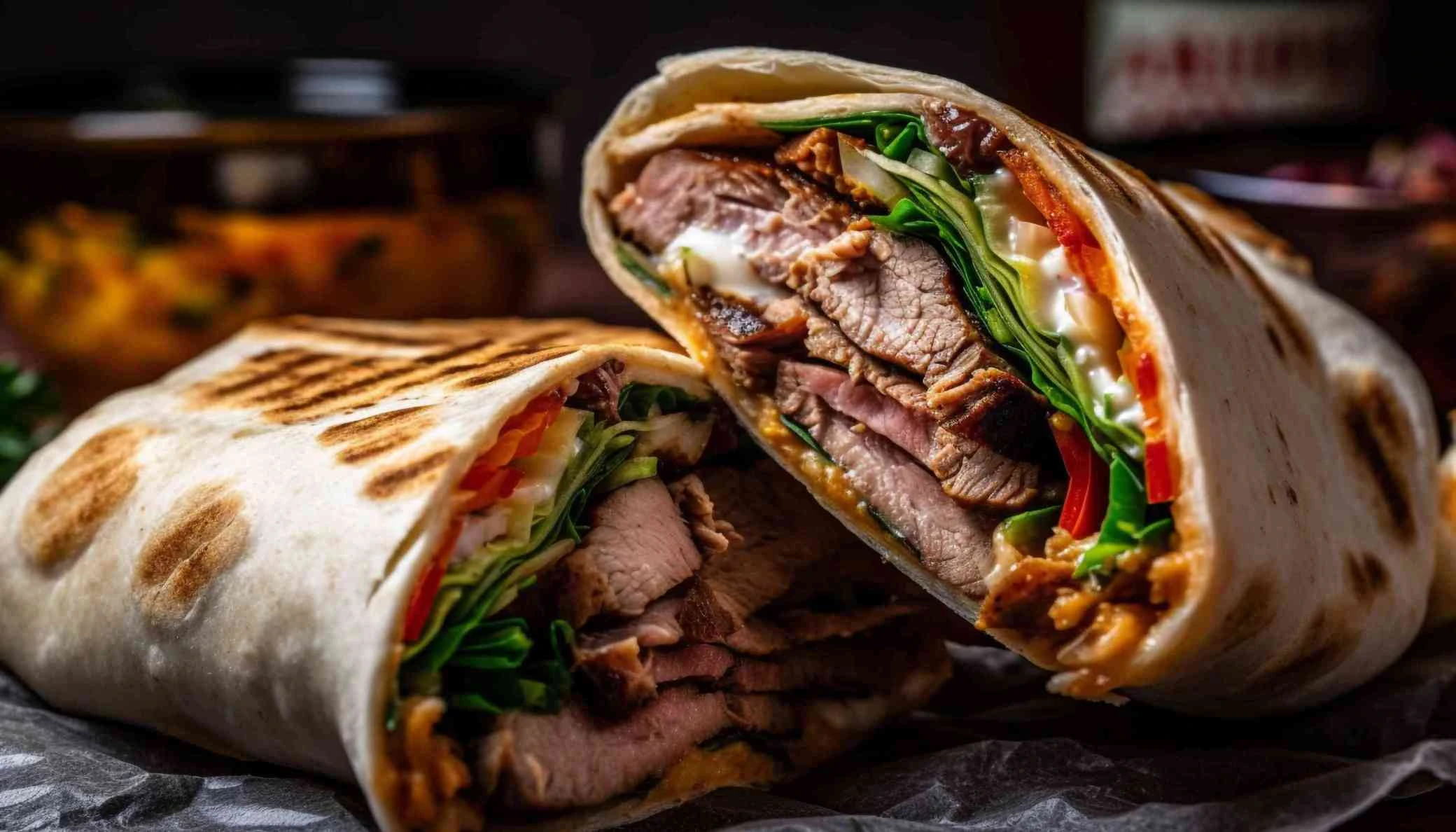
The simplest shawarma vs kebab distinction is vertical roasting versus direct grilling.
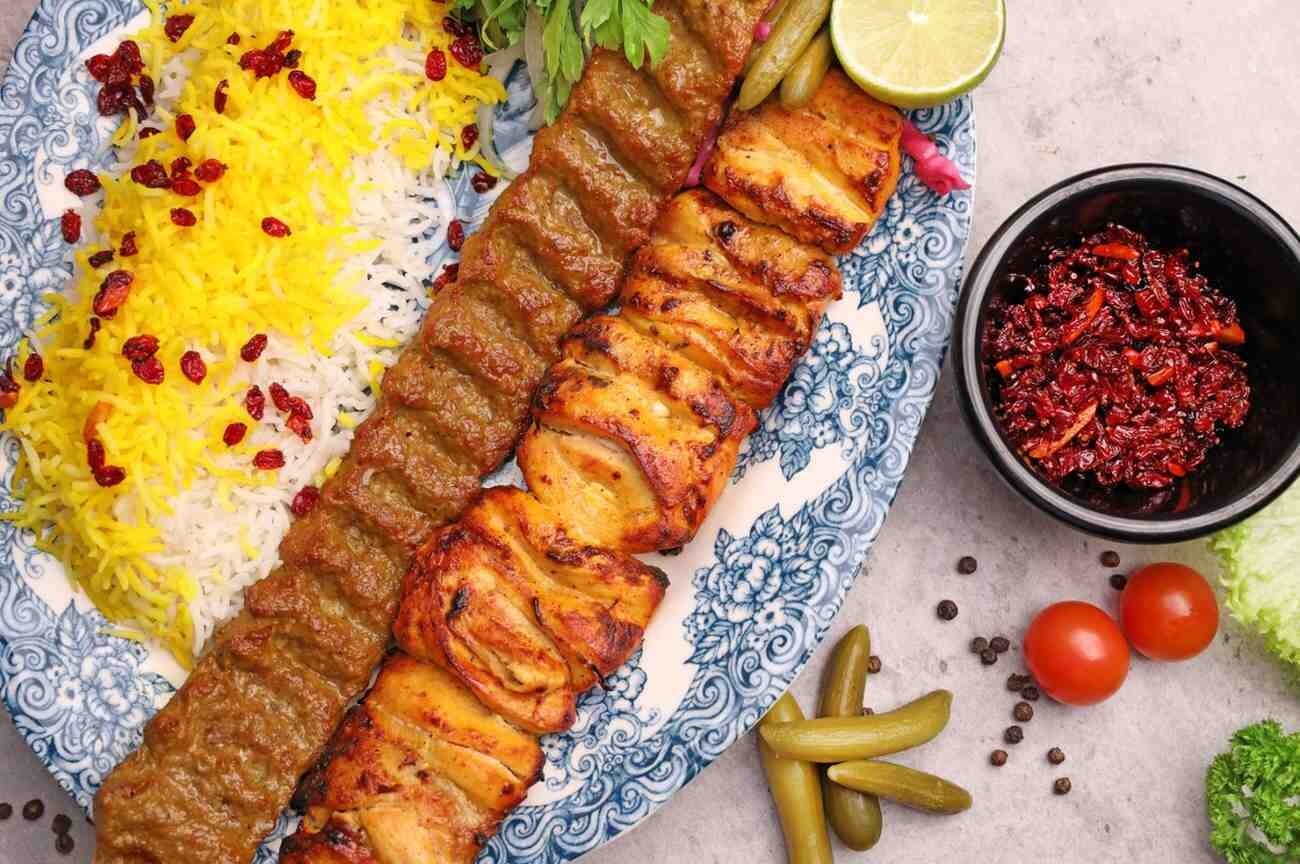
Shawarma vs Kebab Comparison
| Feature | Shawarma | Kebab or kabob |
| Basic meaning | A specific vertical-rotisserie meat preparation | A broad family of roasted or grilled meat dishes |
| Common US menu meaning | Layered meat roasted and shaved | Cubed or ground meat grilled on skewers |
| Cooking equipment | Vertical rotating spit | Metal or wooden skewers over a grill |
| Meat preparation | Thin slices stacked in layers | Cubes, chunks, or seasoned ground meat |
| Common meats | Chicken, beef, lamb, turkey, or mixed meat | Chicken, beef, lamb, seafood, or ground meat |
| Texture | Thin, tender pieces with crisp shaved edges | Firmer, thicker bites with exterior char |
| Flavor | Warm spices, garlic, citrus, vinegar, yogurt, or herbs | Smoke, char, herbs, spices, onion, and grilled meat |
| Typical service | Pita, wrap, bowl, salad, or plate | Skewer, rice plate, flatbread, salad, or mixed grill |
| Common sauces | Toum, tahini, hummus, or hot sauce | Tahini, hummus, yogurt sauce, tzatziki, or harissa |
| Best for | A saucy wrap or tender sliced meat | A smoky grilled plate with substantial pieces of meat |
What Is Shawarma?
Shawarma is a Levantine meat preparation connected to the vertical-rotisserie cooking tradition that spread through the Ottoman Empire.
The word is associated with turning or rotation, reflecting the movement of the spit. As the technique developed throughout the Levant, shawarma acquired regional marinades, spice combinations, breads, sauces, pickles, and serving traditions.
How Shawarma Meat Is Prepared
Exact recipes vary by region and restaurant, but shawarma commonly follows this process:
- Slice the meat. Chicken, beef, lamb, or another meat is cut into relatively thin pieces.
- Season or marinate it. Garlic, lemon, vinegar, yogurt, oil, herbs, and warm spices may be used depending on the recipe.
- Stack the pieces. The meat is layered tightly around a vertical spit.
- Roast while rotating. The surface cooks gradually beside a heating element.
- Shave the cooked exterior. Thin pieces are carved from the outside while the inner stack continues cooking.
- Finish and serve. The shaved meat may be briefly heated on a grill or flat cooking surface before being placed in a wrap, salad, bowl, or plate.
Shawarma Flavor and Texture
Shawarma is known for an aromatic, deeply seasoned character rather than one universal spice recipe.
Depending on the meat and regional style, the marinade may include:
- Garlic.
- Lemon.
- Vinegar.
- Cumin.
- Coriander.
- Paprika.
- Turmeric.
- Cinnamon.
- Cardamom.
- Allspice.
- Black pepper.
The final texture is normally softer and thinner than kebab. Crisp exterior shavings mix with tender pieces from within the stack, producing variation in each bite.
How Shawarma Is Served
Common shawarma formats include:
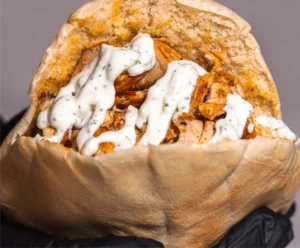
- A pita sandwich.
- A rolled flatbread wrap.
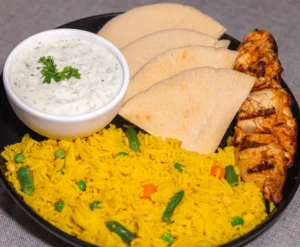
- A plate with rice and salad.
- A grain bowl.
- A salad topped with shawarma.
- A platter with hummus, vegetables, pickles, and pita.
Chicken shawarma is often paired with garlic-forward sauces. Beef or lamb shawarma may be paired with tahini, onion, parsley, tomato, and pickles, although practices differ among restaurants.
What Is Kebab or Kabob?
Kebab is not one single dish. It is a broad culinary category encompassing multiple styles of roasted, grilled, skewered, or formed meat.
In the United States, Mediterranean restaurants frequently use the spelling kabob, while kebab is the more internationally common spelling. Both generally refer to the same food family.
Shish Kebab
Shish kebab uses pieces of meat threaded onto a skewer. The word “shish” refers to the skewer.
Chicken, beef, or lamb cubes may be marinated before grilling. Vegetables may be placed between the pieces, although some restaurants grill the meat separately to control cooking more precisely.
Kofta or Ground-Meat Kebab
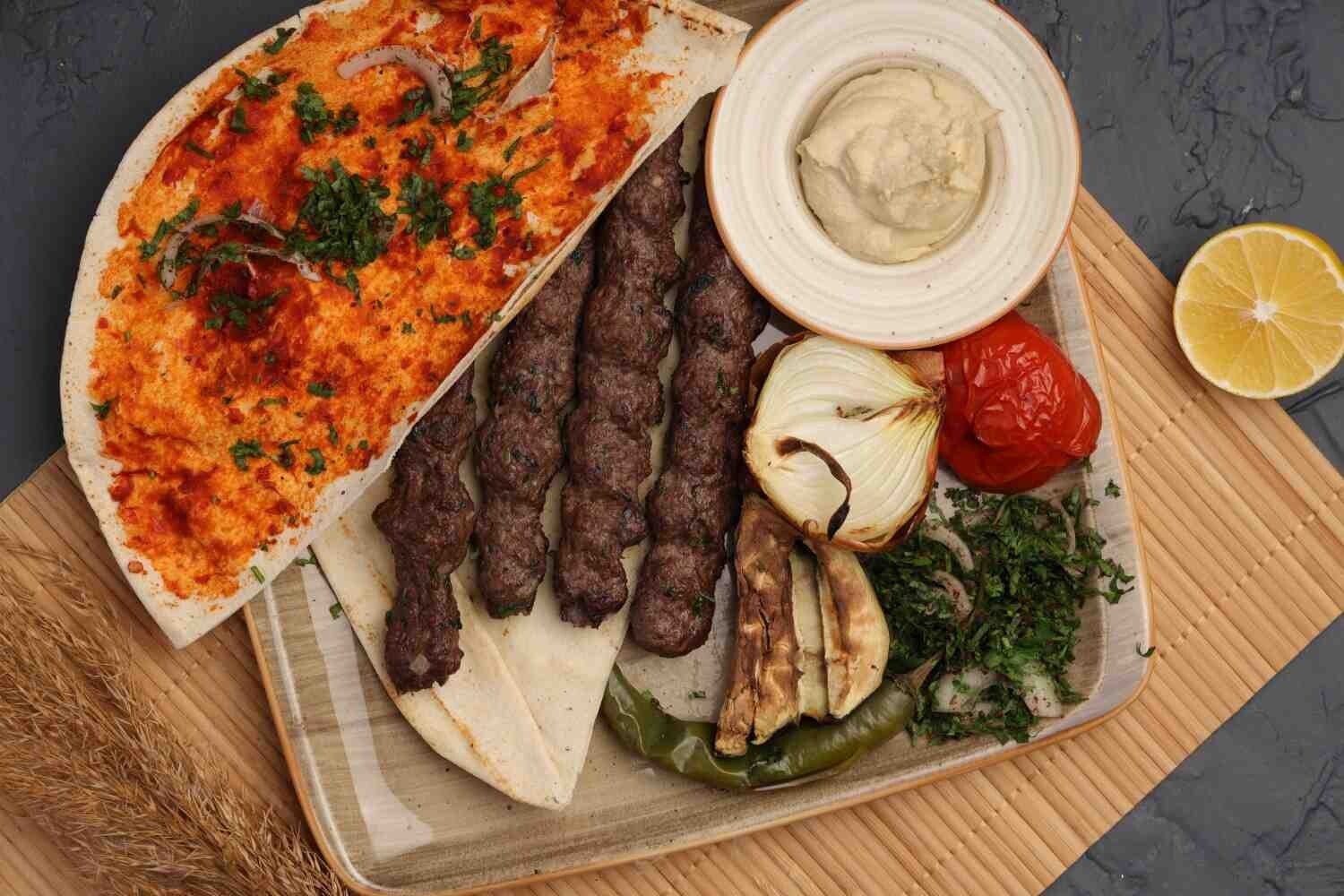
Kofta kebab uses seasoned ground meat shaped around a skewer or into an elongated form.
The mixture may include:
- Ground beef or lamb.
- Onion.
- Parsley.
- Garlic.
- Cumin.
- Coriander.
- Paprika.
- Other regional herbs and spices.
This style has a softer interior than cubed shish kebab but still develops the charred exterior associated with grilling.
Seekh Kebab
Seekh kebab is another ground-meat skewer associated especially with South Asian cooking. Its spice blend may include ginger, chili, garlic, coriander, garam masala, and herbs.
It belongs to the wider kebab family but should not be treated as identical to a Mediterranean kofta kabob.
Döner Kebab
Döner kebab is the major exception to the idea that all kebabs are grilled horizontally on skewers.
Döner uses seasoned meat cooked on a rotating vertical spit. The technique is historically related to shawarma and Greek gyro, but each developed different regional seasonings, accompaniments, and serving conventions.
Shawarma vs Kebab: Cooking Process
The different equipment changes the way the meat cooks.
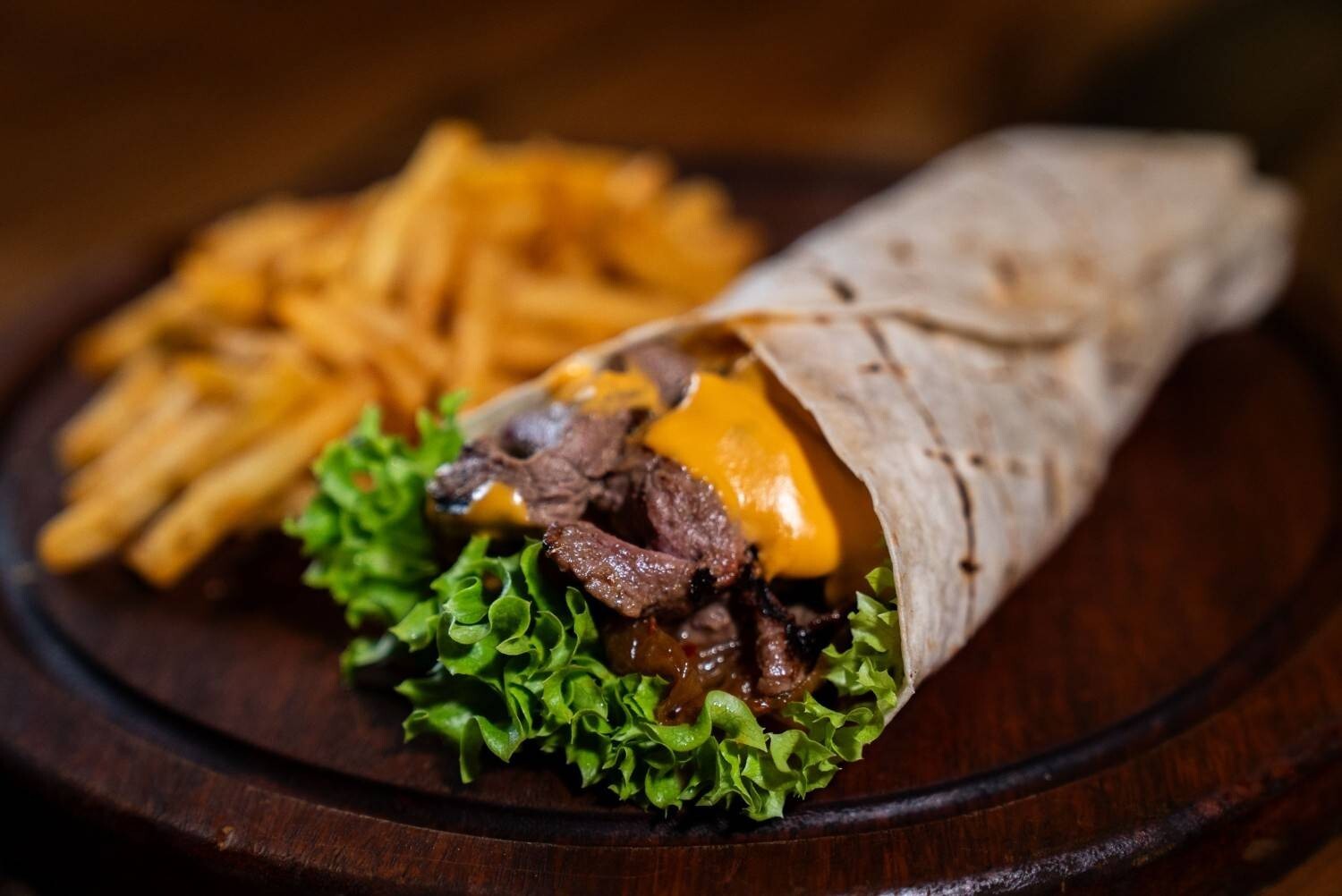
How Shawarma Is Cooked
The shawarma stack cooks from the outside inward. The cook removes only the browned exterior, allowing the newly exposed layer to continue roasting.
This continuous process creates:
- Thin slices.
- A mixture of browned and tender textures.
- Flavor distributed across many layers.
- Meat that can be quickly portioned for wraps, bowls, and plates.
How Kebab Is Cooked
Kabob meat is exposed more directly to the grill.
A cook generally:
- Cuts or forms the meat.
- Adds a marinade or seasoning.
- Places the meat on skewers.
- Preheats the grill.
- Cooks and turns the skewers.
- Removes the meat when it reaches the appropriate temperature and texture.
- Serves it with bread, rice, vegetables, salad, or dips.
The high direct heat creates a browned crust and a more obvious grilled flavor.
Shawarma vs Kebab: Flavor and Texture
Cooking technique is responsible for much of the flavor difference.
Shawarma tends to have:
- Deeper marinade throughout the meat.
- Warm aromatic spices.
- Garlic, citrus, or vinegar notes.
- Thin, tender pieces.
- Crisp shaved edges.
- Strong interaction with sauces and pickled vegetables.
Kebab tends to have:
- More direct smoke and char.
- A firmer, meatier bite.
- Visible grill marks.
- Herbs and spices concentrated on the surface or mixed into ground meat.
- Less dependence on sauces for its core flavor.
These are general patterns, not strict rules. A charcoal-roasted shawarma may be smoky, and a gently grilled kabob may have little char.
Chicken Shawarma vs Chicken Kebab
The chicken comparison deserves special attention because both options are widely available and can appear similar in menu descriptions.
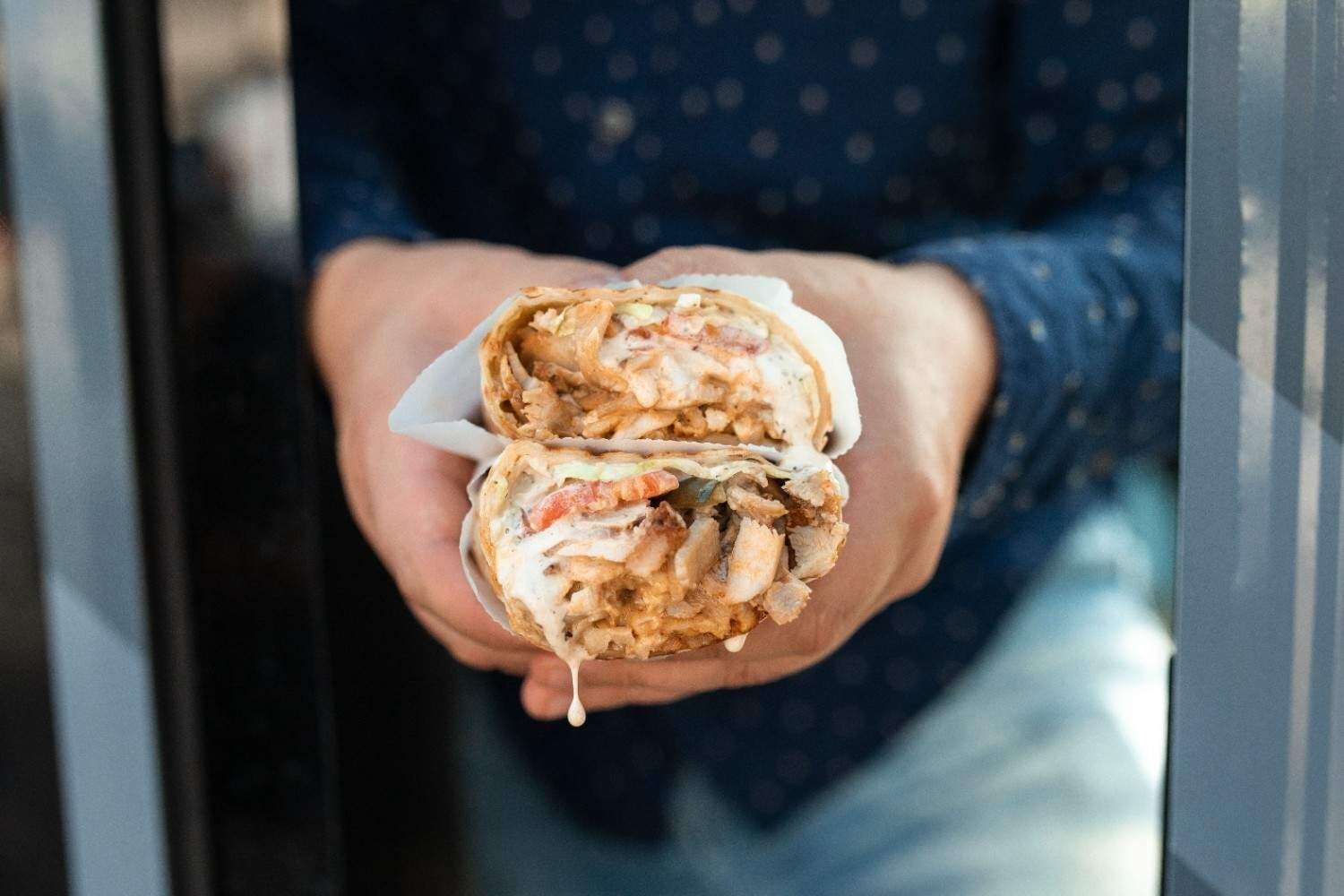
Preparation
Chicken shawarma typically uses smaller or thinner pieces layered around the rotisserie.
Chicken kebab normally uses larger cubes threaded onto skewers. Because the pieces are thicker, each bite has a more substantial interior and a grilled outer surface.
Taste
Chicken shawarma usually emphasizes:
- Garlic.
- Lemon.
- Warm spice.
- Marinade.
- Sauces.
- Pickles.
- Thin meat texture.
Chicken kabob usually emphasizes:
- Grilled chicken flavor.
- Herbs.
- Light marinade.
- Smoke or char.
- Larger pieces of meat.
- Rice, salad, or hummus served alongside it
Beef and Lamb Shawarma vs Kebab
Beef and lamb create the same basic cooking distinction, but the fat level depends on the exact cut or ground-meat mixture.
Beef or lamb shawarma is sliced thinly after roasting. The meat may have crisp edges and a rich texture from the layered stack.
Beef or lamb kebab may take several forms:
- Cubed meat grilled on a skewer.
- Ground beef or lamb mixed with herbs and spices.
- A combination of beef and lamb.
- Kofta-style meat formed around a flat skewer.
Neither version is automatically leaner. A fatty ground-lamb kebab could contain more fat than shawarma made from a lean beef cut, while a heavily sauced shawarma wrap could contain more calories than a modest grilled kebab plate.
Shawarma vs Kebab: Which Is Healthier?
There is no universal winner in the shawarma vs kebab health comparison.
The cooking method is only one variable. The complete nutritional profile depends on:
- Meat type and cut.
- Amount of visible and added fat.
- Marinade.
- Portion size.
- Bread or wrap.
- Rice quantity.
- Sauce.
- Sodium.
- Fried sides.
- Vegetables.
- Hummus or other dips.
A chicken kabob plate with vegetables may be a balanced option. However, adding a large serving of rice, several pieces of bread, rich sauce, and fried sides changes the meal.
Similarly, a large shawarma wrap can be substantial, while a smaller shawarma salad with vegetables and sauce on the side may be lighter.
Shawarma vs Döner vs Gyro vs Kebab
These names are frequently grouped together because several involve seasoned meat and flatbread.
| Dish | Culinary association | Main cooking method | Typical US presentation |
| Shawarma | Levantine Arab | Vertical rotisserie | Pita, wrap, bowl, salad, or plate |
| Döner kebab | Turkish | Vertical rotisserie | Bread, lavash, wrap, or plate |
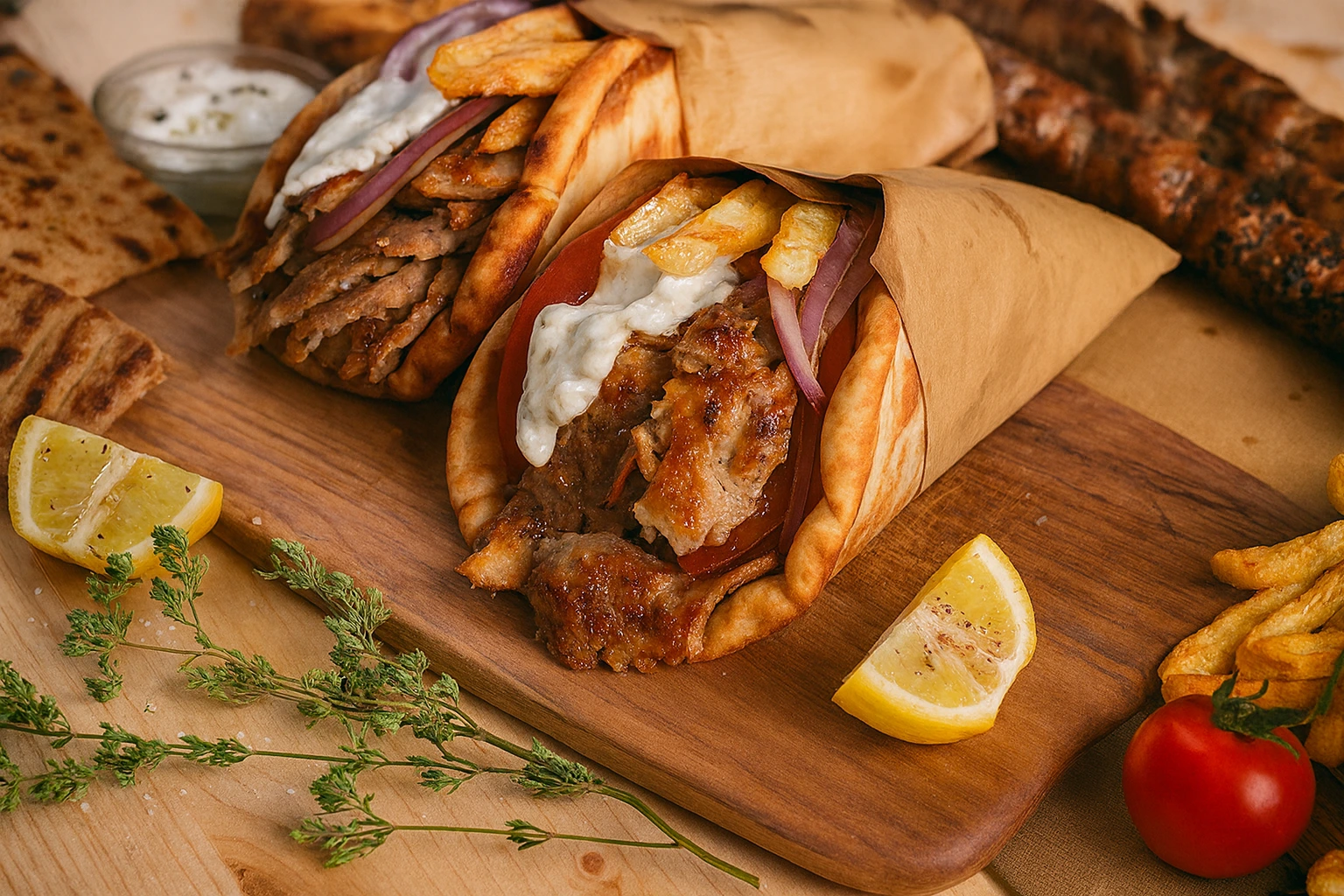
| Gyro | Greek | Vertical rotisserie | Greek pita with tzatziki, tomato, and onion |
| Shish kebab | Turkish/Middle Eastern and regional variations | Cubes grilled on skewers | Skewer or plate |
| Kofta kebab | Middle Eastern and regional variations | Ground seasoned meat grilled on skewers | Plate, bread, or wrap |
| Seekh kebab | South Asian | Ground seasoned meat grilled on skewers | Plate, naan, wrap, or appetizer |
Shawarma
Shawarma is recognized for Levantine spice profiles, shaved meat, and accompaniments such as toum, tahini, pickles, vegetables, and pita.
Döner Kebab
Döner is the Turkish rotating-meat tradition most closely connected historically with shawarma. Its seasoning, bread, toppings, and regional identity remain distinct.
Gyro
Gyro is the Greek member of the vertical-rotisserie family. It is commonly served with tzatziki, tomato, onion, and Greek-style pita.
Shish and Kofta Kebab
Shish kebab uses cubes of meat. Kofta-style kebab uses seasoned ground meat. Both are commonly grilled on skewers rather than shaved from a vertical stack.
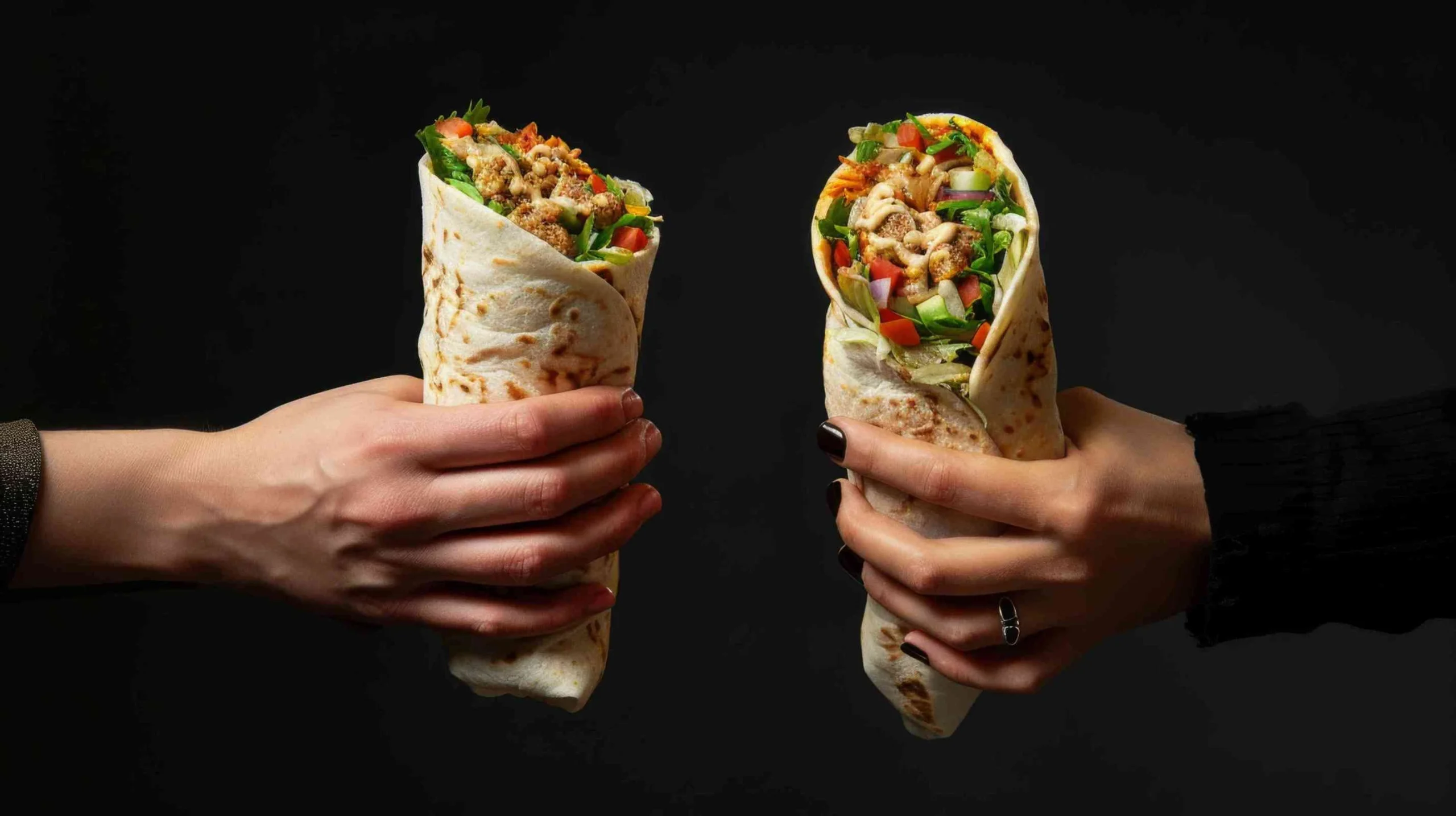
How to Choose Between Shawarma and Kebab
Personal preference is a better decision tool than trying to declare one dish superior.
Choose shawarma when you prefer:
- Thin, tender meat.
- Warm aromatic spices.
- Garlic, tahini, or another sauce.
- Pickles and fresh vegetables.
- A wrap, pita, salad, or bowl.
- Crisp shaved edges mixed with softer pieces.
Choose kebab or kabob when you prefer:
- Larger bites of meat.
- Direct flame-grilled flavor.
- Smoke and char.
- A plated meal.
- Rice, vegetables, salad, hummus, and pita.
- Ground-meat or cubed-meat choices.
Order a combination plate when:
- You are trying Mediterranean grilled meats for the first time.
- Two people want to share.
- You want to compare rotisserie and grilled textures.
- You are ordering for a group with different preferences.
- You want a wider variety of proteins and sides.
The MPH combo plate provides a practical route for guests who do not want to choose only one style.
How Micheline’s Pita House Serves Shawarma and Kabob
At Micheline’s Pita House, our menu is inspired by Mediterranean culinary traditions and a commitment to quality ingredients, variety, and satisfying meals.
Shawarma Options
- Ribeye steak shawarma.
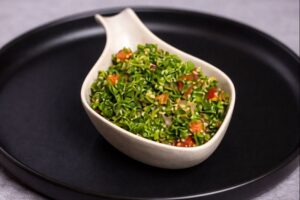
- Shawarma tabouli salad.
- Shawarma served through pita, plate, salad, bowl, or catering formats, depending on current menu availability.
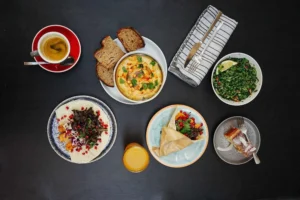
Guests can pair shawarma with pita, salad, rice, lentil quinoa pilaf, Classic hummus, vegetables, pickles, and signature sauces.
Kabob and Combination Options
Guests who prefer grilled meat can choose options such as:
- Chicken kabob.
- Ground-meat options.
- Combination plates.
- Plates served with Mediterranean sides.
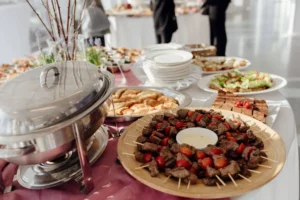
Catering and Group Meals
Shawarma and kabob work well for:
- Office lunches.
- Family gatherings.
- Graduation celebrations.
- Birthday parties.
- Community events.
- Business meetings.
- Casual weddings and receptions.
A mixed Mediterranean spread allows guests to compare proteins while choosing their preferred salads, grains, dips, sauces, and breads.
Frequently Asked Questions
What’s healthier, shawarma or kebab?
Neither is automatically healthier. A lean chicken kabob with vegetables may be lighter than a large shawarma wrap with rich sauce, but a chicken shawarma salad may be lighter than lamb kebab served with a large amount of rice and bread.
Is shawarma good for someone with diabetes?
Shawarma may fit an individualized diabetes meal plan when portioned with vegetables, lean protein, a controlled carbohydrate serving, and sauce on the side. People with diabetes should follow advice from their healthcare team because medication, carbohydrate targets, and blood-glucose responses differ.
Is shawarma Greek or Indian?
Shawarma is a Levantine Arab dish influenced by the Ottoman vertical-rotisserie tradition. Gyro is Greek, while Indian restaurants have developed their own modern shawarma variations.
Is shawarma just kebab?
Not in normal US menu language. Shawarma is roasted vertically and shaved, while kabob usually means cubed or ground meat grilled on skewers. The dishes are historically related through the wider kebab and döner tradition.
What is the difference between shawarma and döner kebab?
Both use a vertical rotisserie, but döner is Turkish and shawarma is the Levantine Arab adaptation. Seasoning, sauces, breads, toppings, and regional traditions distinguish them.
What is the difference between shawarma and gyro?
Shawarma is associated with Levantine spices and sauces such as toum or tahini. Gyro is Greek and is commonly paired with tzatziki, tomato, onion, and Greek pita.
Does shawarma or kebab contain more protein?
Either can be protein-rich, but the total depends on the meat type and portion weight. A larger serving will normally contain more protein regardless of whether it is shawarma or kebab.
Is kebab the same as kabob?
Yes. Kabob is a common American spelling variation of kebab. Individual menu items may still differ, so read the dish description to determine whether the meat is cubed, ground, skewered, or roasted.