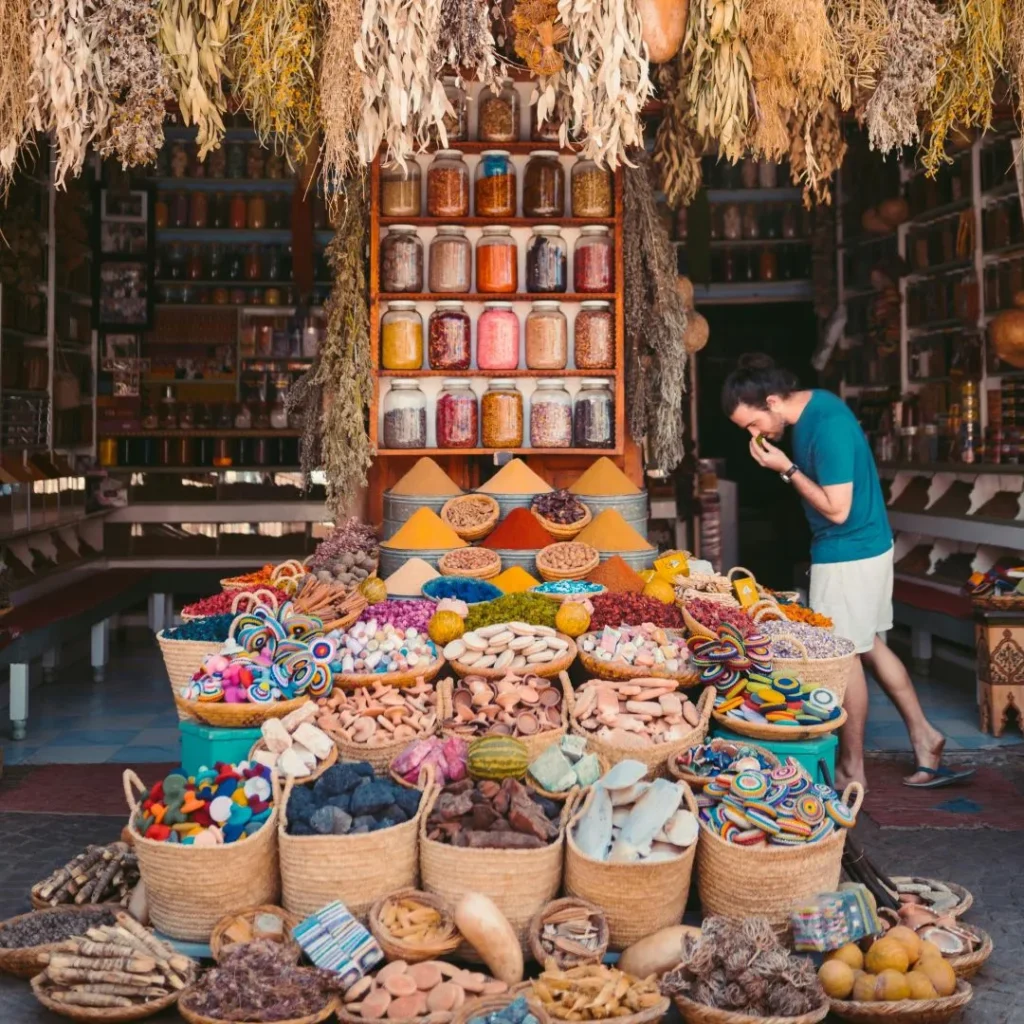
I love talking about Mediterranean spices because they bring so much life to the dishes I grew up with and the food we prepare every day in our kitchen. These spices are warm, aromatic and comforting. They make vegetables taste brighter, grains taste deeper and meats taste more flavorful. And for many people who enjoy Mediterranean food, understanding the spices opens up a whole new appreciation for what they are tasting.
Before we explore blends, herbs and regional styles, here is the easiest way to understand what Mediterranean spices are.
Learn More: What Is Mediterranean Food? Definition, Origins & Dishes
What is Mediterranean Spices & Seasonings?
Mediterranean spices are the warm, earthy and aromatic seasonings commonly used across Mediterranean cuisines. They include cumin, coriander, paprika, turmeric, cinnamon, garlic, sumac, za’atar and allspice along with fresh herbs such as parsley, mint and oregano. These spices create the balanced and vibrant flavors the region is known for.
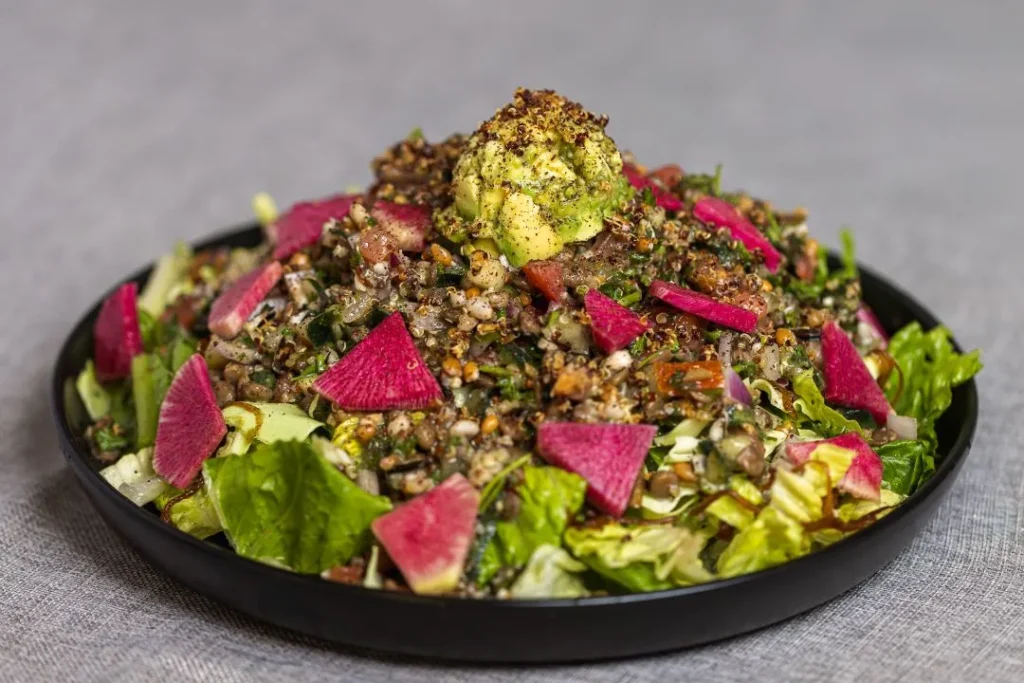
When guests enjoy dishes like Classic Hummus, Falafel, Chicken Shawarma or our Superfood Ancient Grains Salad, these are the spices working behind the scenes to make each bite taste alive.
What Makes Mediterranean Spices Unique?
Mediterranean spices are special because they are not meant to overpower food. They are meant to support it. When I cook with Mediterranean seasonings, whether I am marinating chicken for our Chicken Shawarma or brightening vegetables for our Roasted Veggies, the spices never try to steal the show. They simply bring everything together with warmth, depth and balance.
Mediterranean flavors come from the land itself. Countries across the Mediterranean share a climate that gives us olive trees, citrus, fresh herbs, ancient grains and vegetables that grow all year long. The spices reflect this natural abundance. They are warm and earthy rather than fiery. They are fragrant rather than heavy. They elevate simple ingredients and let them shine.
Climate and Geography Shape the Flavor
Mediterranean cuisine stretches from Southern Europe to the Eastern Mediterranean and North Africa. Even though these places have different histories and traditions, the spices often overlap. Sunlight, coastlines and fertile soil encourage herbs and spices that bring brightness and depth. That is why a seasoning used in Greece may appear in Lebanon or Morocco in a slightly different way.
A Focus on Warmth Rather Than Heat
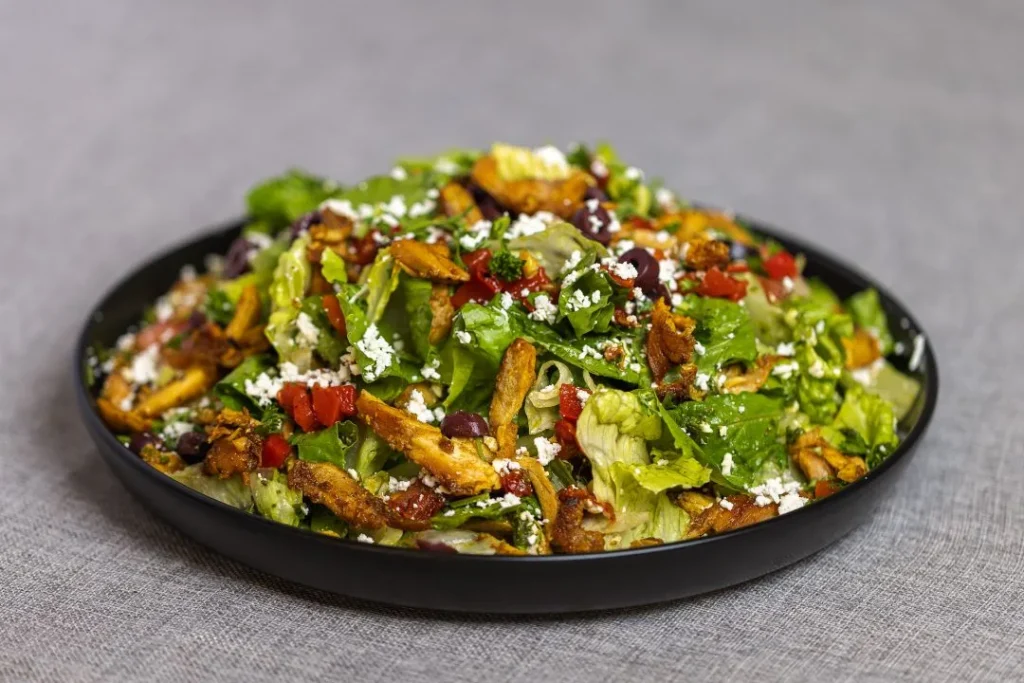
When people think of spice, they sometimes imagine chili heat. Mediterranean spices are different. They create warmth, comfort and aroma rather than fire. Spices like cumin, coriander and paprika are essentials in dishes such as Falafel and Classic Hummus. Cinnamon and allspice gently lift the flavors in rice dishes and roasted meats. Herbs like parsley and mint give Mediterranean salads, such as our Tabouli and Mediterranean Chicken Salad, their freshness and signature brightness.
Ingredients Taste Like Themselves
Mediterranean cooking never hides ingredients. Instead, spices help ingredients express their natural character. Sumac adds lemon-like acidity without overpowering the tomatoes and cucumbers in our Cucumber Tomato Salad. Za’atar brings sesame and wild herb flavor without masking the warm pita it is sprinkled on. Turmeric gives Chicken Shawarma its golden color while letting the meat stay tender and juicy.
That is the beauty of Mediterranean spices. They are simple, ancient, and incredibly generous. They help food taste honest.
Typical Mediterranean Spices You Will See Everywhere
When people ask me what Mediterranean spices are, I always start with the ones that appear across almost every kitchen in the region. These spices are simple, ancient and incredibly versatile. They create the warm, bright and aromatic flavors most people associate with Mediterranean cooking. You will taste these notes in many of our dishes at Micheline’s Pita House, from Falafel to Chicken Shawarma to our Classic Hummus.
Below is the essential list of the most common Mediterranean spices and how they bring food to life.
Cumin: An Earthy Essential in Mediterranean Cooking
Cumin gives Mediterranean food its warm, familiar depth. It shows up in dishes such as Falafel and helps create the comforting, savory flavor guests love. It pairs naturally with chickpeas, lentils, grilled meats and roasted vegetables.
Coriander: A Citrus Forward Spice Used Across the Mediterranean
Coriander brightens everything it touches. When combined with cumin, it creates the signature flavor found in dishes such as Classic Hummus and Cilantro Jalapeño Hummus. It is also common in Mediterranean chicken and vegetable dishes.
Paprika: The Sweet Warmth Behind Mediterranean Color
Mediterranean cuisines use sweet paprika more often than spicy paprika. It adds color and gentle warmth to marinades and dry rubs. You will notice its reddish glow on Chicken Shawarma and in many roasted vegetable preparations.
Turmeric: The Golden Spice of Mediterranean Marinades
Turmeric brings a warm earthiness and the deep golden color you see in shawarma. It is not spicy. Instead, it balances garlic and lemon beautifully. It appears in dishes such as Chicken Shawarma and in many Mediterranean spice blends.
Cinnamon: A Warm Note Found in Mediterranean Savory Cooking
Cinnamon in Mediterranean cuisine is subtle and comforting. It is common in rice dishes and slow cooked meats. It appears in seasoning blends that flavor dishes like our Ribeye Steak Shawarma and other Eastern Mediterranean classics.
Allspice: A Key Ingredient in Many Mediterranean Spice Blends
Allspice adds a rounded warmth that ties spices together. It is used often in Levantine cooking. This spice plays a role in dishes that require depth and savory sweetness without overpowering the main ingredient.
Garlic Powder: A Foundation of Mediterranean Seasoning Mixes
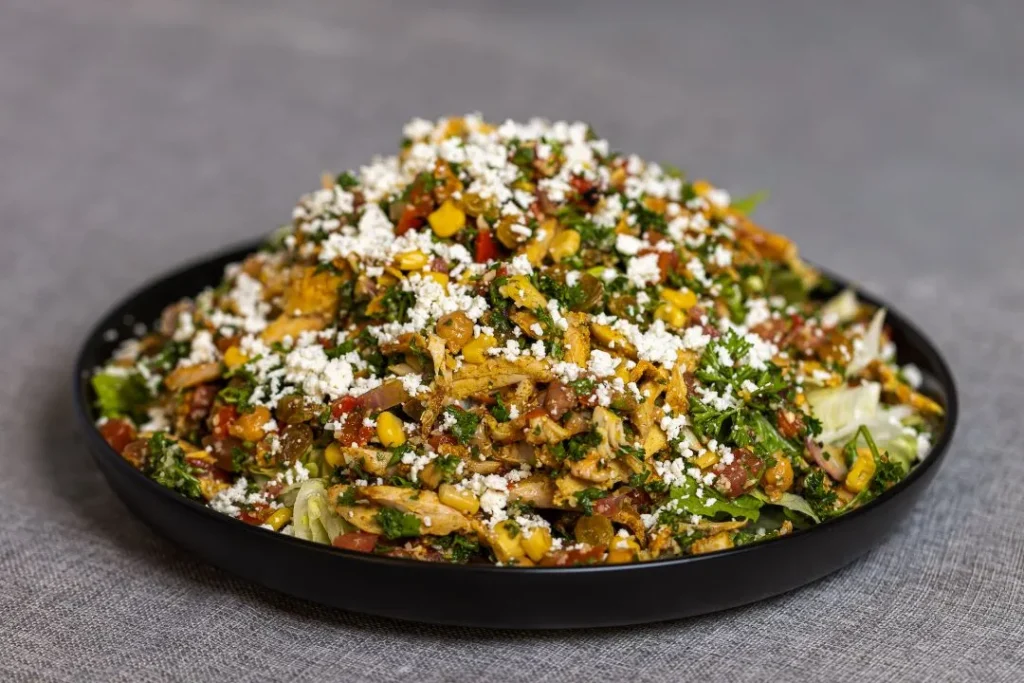
Fresh garlic is everywhere in Mediterranean cooking, but garlic powder is also essential for dry rubs and marinades. Its flavor touches many of your favorite dishes including Falafel, Chicken Kabob and our Shawarma Tabouli Salad.
Onion Powder: A Quiet and Reliable Flavor Builder
Onion powder deepens flavor without adding texture. It is a core ingredient in many Mediterranean seasoning mixes and all purpose spice blends.
Sumac: A Bright and Lemon Like Mediterranean Spice
Sumac adds tanginess without citrus. It is sprinkled over salads, vegetables and dips. You might taste it in dishes like our Cucumber Tomato Salad where its brightness enhances the natural freshness of the vegetables.
Za’atar: A Herb and Sesame Forward Mediterranean Spice Blend
Za’atar is both a spice and a seasoning blend. It typically includes thyme or wild oregano, sesame seeds and sumac. It is delicious with warm pita, roasted vegetables and salads. It is one of the most iconic flavors in Mediterranean cuisine.
Nutmeg: A Warm Subtle Spice in Mediterranean Cooking
Nutmeg is used sparingly and often appears in blends that add complexity to roasted meats and grains.
Cardamom: A Fragrant Mediterranean Spice Used in Small Amounts
Cardamom adds an aromatic lift. It is used most often in Eastern Mediterranean seasoning mixes and in some shawarma blends.
These spices form the core of Mediterranean seasoning across the region. They are warm, layered and deeply familiar to anyone who loves Mediterranean food.
Mediterranean Herbs That Bring Freshness to Every Dish
If Mediterranean spices bring warmth and depth, Mediterranean herbs bring brightness. These herbs grow naturally across the region’s coastline and hillsides, and they are the reason Mediterranean food tastes clean, refreshing and full of life. I use these herbs every day at Micheline’s Pita House in salads, dips, marinades and garnish, and guests instantly notice their freshness.
Here are the Mediterranean herbs that define the region’s cooking.
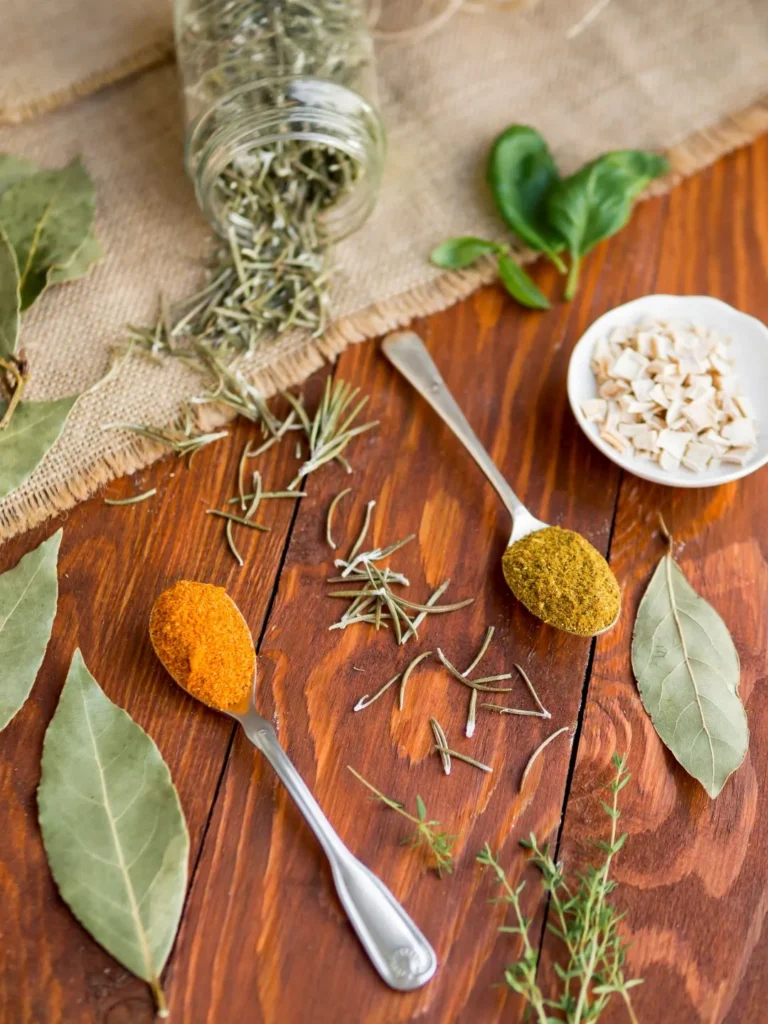
Parsley: The Herb That Defines Mediterranean Freshness
Parsley is one of the most important herbs in Mediterranean cuisine. It brings a clean, green flavor that turns simple vegetables into something vibrant. You taste it clearly in dishes such as Tabouli and the Shawarma Tabouli Salad. It lifts everything it touches.
Mint: A Cooling Herb Used Throughout the Mediterranean
Mint offers a refreshing contrast to warm spices. It appears in salads, dips and grain bowls and adds the brightness people associate with Mediterranean eating. Our Cucumber Tomato Salad often includes fresh mint notes that make it feel crisp and cooling.
Oregano: A Signature Herb of Greece and Southern Europe
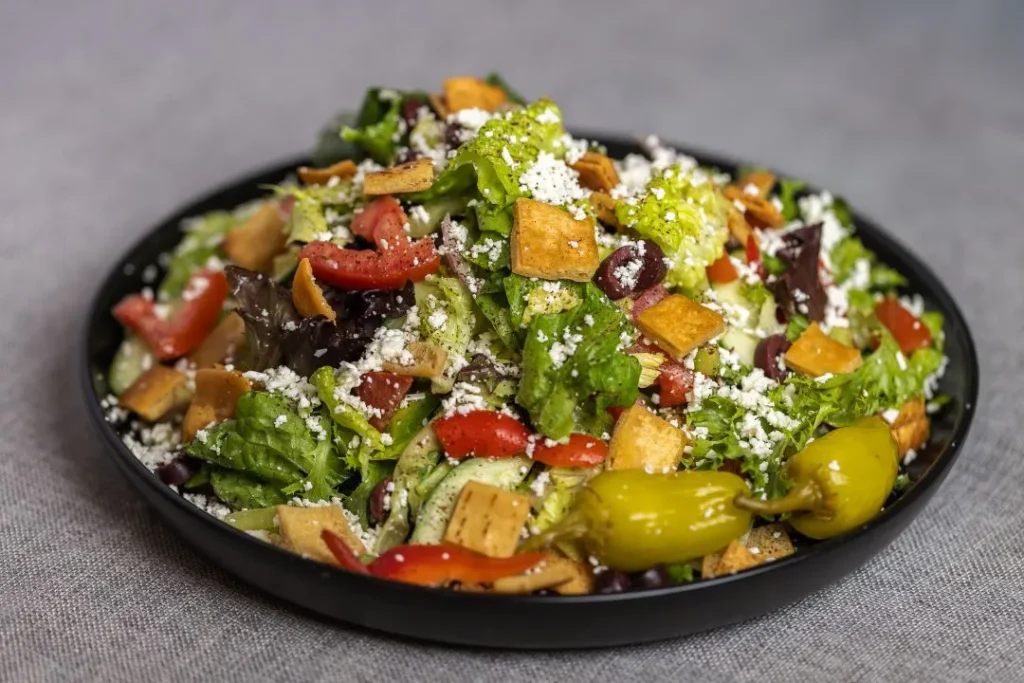
Oregano is earthy and fragrant and is one of the most recognizable herbs in Greek and Mediterranean cooking. It brings character to dishes like Greek Salad and adds flavor to grilled meats, roasted potatoes and vegetables.
Learn More: Is Greek Mediterranean? A Warm, Clear Guide to Understanding the Connection
Dill: A Delicate Herb with a Mediterranean Personality
Dill is used often in Eastern Mediterranean and Greek cuisine. It adds a soft, herbal sweetness that works beautifully in salads, yogurt based sauces and rice dishes. You may detect dill in creamy sauces like Tzatziki or Spicy Tzatziki.
Thyme: A Mediterranean Herb with Depth and Warmth
Thyme offers a savory, earthy note that works well with roasted meats and vegetables. It is also an essential part of some za’atar blends. Its subtlety makes it perfect for seasoning dishes without overpowering them.
Rosemary: A Pine Like Herb Loved Around the Mediterranean Coast
Rosemary thrives in Mediterranean climates and adds a bold, woodsy aroma to roasted meats, potatoes and breads. While not used as often in Levantine cuisine, it is very common in the broader Mediterranean region.
Basil: A Sweet and Fragrant Mediterranean Staple
Basil is widely used in the western Mediterranean, especially in Italian and island cuisines. It adds sweetness and fragrance to tomato based dishes and fresh salads.
Bay Leaf: A Background Herb with Quiet Strength
Bay leaves are used in stocks, stews and slow cooked Mediterranean dishes. They give depth to grains and broths without calling attention to themselves.
These herbs appear throughout Mediterranean cuisine and work alongside spices to create flavor that feels balanced, bright and naturally fresh. Whether you taste parsley in Tabouli, mint in a crisp salad or oregano in Greek Salad, the herbs are what make Mediterranean dishes taste alive.
Mediterranean Seven Spice: What are the 7 Spices and Why It Matter
Mediterranean cooking spans many countries and traditions, so there is no single spice blend that represents the entire region. However, there is one blend that appears again and again in Eastern Mediterranean kitchens, especially in Levantine cooking. It is called Mediterranean Seven Spice. It is warm, aromatic and incredibly versatile. You will find its influence in dishes such as Falafel, beef kebabs, spiced rice and even some shawarma marinades.
People often think Mediterranean Seven Spice is one official formula, but each family and each region has its own version. Still, the core ingredients remain similar, which makes it easy to understand and enjoy.
Here are the seven spices most commonly included.
Black Pepper: The Sharp Warm Foundation of Seven Spice
Black pepper adds heat without spice. It creates structure and gives the blend its clean, sharp backbone.
Allspice: The Balanced Warmth at the Heart of Mediterranean Blends
Allspice adds a rounded sweetness that anchors the entire mix. It is one of the most recognizable flavors in Eastern Mediterranean cooking.
Cinnamon: A Soft Sweet Warmth That Deepens Savory Food
Cinnamon in this context is subtle. It adds depth rather than sweetness. It gives dishes like spiced rice or ground beef a comforting richness.
Cloves: A Powerful Aromatic Used in Small Amounts
Cloves add intensity. Only a little is needed to bring warm fragrance and dimension.
Nutmeg: A Nutty Warm Spice That Bridges Flavors
Nutmeg appears in many versions of seven spice and helps connect the blend’s warm and earthy notes.
Fenugreek: A Slightly Bitter Spice That Balances Sweetness
Fenugreek adds complexity. Its subtle bitterness rounds out the sweeter spices and prevents the blend from becoming too warm or soft.
Ginger: A Gentle Heat That Brightens the Blend
Ginger adds a clean warmth that lifts the heavier spices and keeps the blend lively.
These seven spices work together to create a seasoning that is warm, comforting and deeply aromatic without being spicy. It is used to season meats, vegetables, grains and even some savory pies. You can taste elements of this blend in dishes at Pita House such as Falafel, Ribeye Steak Shawarma, and seasoning used in our Combo Plate components.
Mediterranean Seven Spice is not Greek and not North African. It belongs mostly to the Levant, the region that inspires much of our cooking. It brings depth to simple ingredients and turns everyday dishes into something memorable.
How Mediterranean Seasoning Mixes Compare Across the Region?
One of the reasons Mediterranean food feels so inviting is that it tastes familiar across borders. Even though each country has its own traditions, many of the spices overlap. What changes is the balance, the herbs and the way each culture layers flavor. Mediterranean seasoning is not one single blend. It is a family of blends shaped by geography, history and ingredients that grow in the region.
Below are four of the most common Mediterranean seasoning styles and how they show up in everyday cooking, including the dishes we craft at Micheline’s Pita House.
Greek Inspired Mediterranean Seasoning
Greek seasonings rely on herbs more than spices. The flavors are bright rather than earthy.
Common ingredients
• Oregano
• Dill
• Garlic
• Lemon zest
• Parsley
• Black pepper
This seasoning style appears in dishes like Greek Salad or in lemon and herb marinades used for chicken or potatoes. While we focus more on Eastern Mediterranean cooking at Pita House, you can still taste these herbal notes in fresh dishes such as our House Salad or the light herb accents in our Superfood Ancient Grains Salad.
Eastern Mediterranean Seasoning
This is the seasoning profile most familiar to guests who love dishes like Falafel, Classic Hummus or Chicken Shawarma. It is warm, aromatic and centered around cumin, coriander and paprika.
Common ingredients
• Cumin
• Coriander
• Paprika
• Garlic
• Turmeric
• Allspice
• Sumac
This blend gives Falafel its warm center and creates the rich flavor you taste in Classic Hummus and Cilantro Jalapeño Hummus. It also forms the foundation of many shawarma marinades and vegetable dishes such as Roasted Veggies.
Shawarma Seasoning Profile
Shawarma seasoning is one of the most recognizable Mediterranean blends. It is not spicy. It is fragrant, earthy and complex. It brings golden color and depth to meats such as Chicken Shawarma and Ribeye Steak Shawarma.
Common ingredients
• Turmeric
• Garlic
• Ginger
• Cinnamon
• Paprika
• Allspice
• Black pepper
• Cardamom
This blend creates the warm edges and tender texture that make shawarma so comforting.
North African Inspired Mediterranean Seasoning
North African Mediterranean countries such as Morocco and Tunisia use warm spices with a touch of sweetness and floral notes. Their blends often appear in couscous dishes and vegetable medleys.
Common ingredients
• Cumin
• Coriander
• Cinnamon
• Ginger
• Paprika
• Turmeric
• Nutmeg
Dishes like Couscous Moroccan Salad at Pita House carry this North African warmth. Ingredients like cinnamon and ginger help create the comforting, aromatic flavors in the roasted vegetables and couscous mix.
Mediterranean Seasoning as an All Purpose Blend
Many home cooks want a single Mediterranean seasoning mix they can sprinkle on vegetables, chicken, fish or grains. These general blends often combine spice-heavy Eastern Mediterranean flavors with herb heavy Greek flavors.
A typical all purpose blend might include
• Oregano
• Garlic
• Paprika
• Cumin
• Parsley
• Black pepper
This kind of blend works beautifully on Pita, Roasted Veggies, or mixed into sauces such as Garlic Aioli or Chipotle Aioli to deepen the flavor.
Mediterranean seasoning mixes are endlessly flexible. What matters is balance. Warm spice. Fresh herbs. Gentle brightness. And room for the ingredients to shine.
Are Mediterranean Spices Spicy?
One of the most common questions I hear from guests trying Mediterranean food for the first time is whether Mediterranean spices are spicy. The answer surprises almost everyone.
Mediterranean spices are warm and aromatic, not hot.
Mediterranean cooking relies on depth, earthiness and brightness rather than chili heat. Spices such as cumin, coriander, paprika, cinnamon and turmeric give flavor and comfort without burning your palate. They are meant to enhance the ingredients rather than overwhelm them.
If you enjoy gentle warmth, Chicken Shawarma and Ribeye Steak Shawarma are perfect examples of how Mediterranean spices create richness without heat. Falafel uses cumin and coriander for flavor without any spiciness. Even dishes that feel bold, such as Classic Hummus or Cilantro Jalapeño Hummus, rely on balanced seasoning rather than aggressive spice.
If you ever want Mediterranean heat, that is a choice rather than a default. A sauce like Shoug introduces chili for those who enjoy spice, but the core cuisine itself is not spicy.
Mediterranean spices create warmth, not fire. They make food inviting, not intense.
Should You Buy Mediterranean Spices Whole or Ground?
One of the simplest ways to improve your Mediterranean cooking is to understand when to use whole spices and when to use ground spices. Both have a place in the kitchen, and both are used in Mediterranean cuisine depending on the dish and the technique.
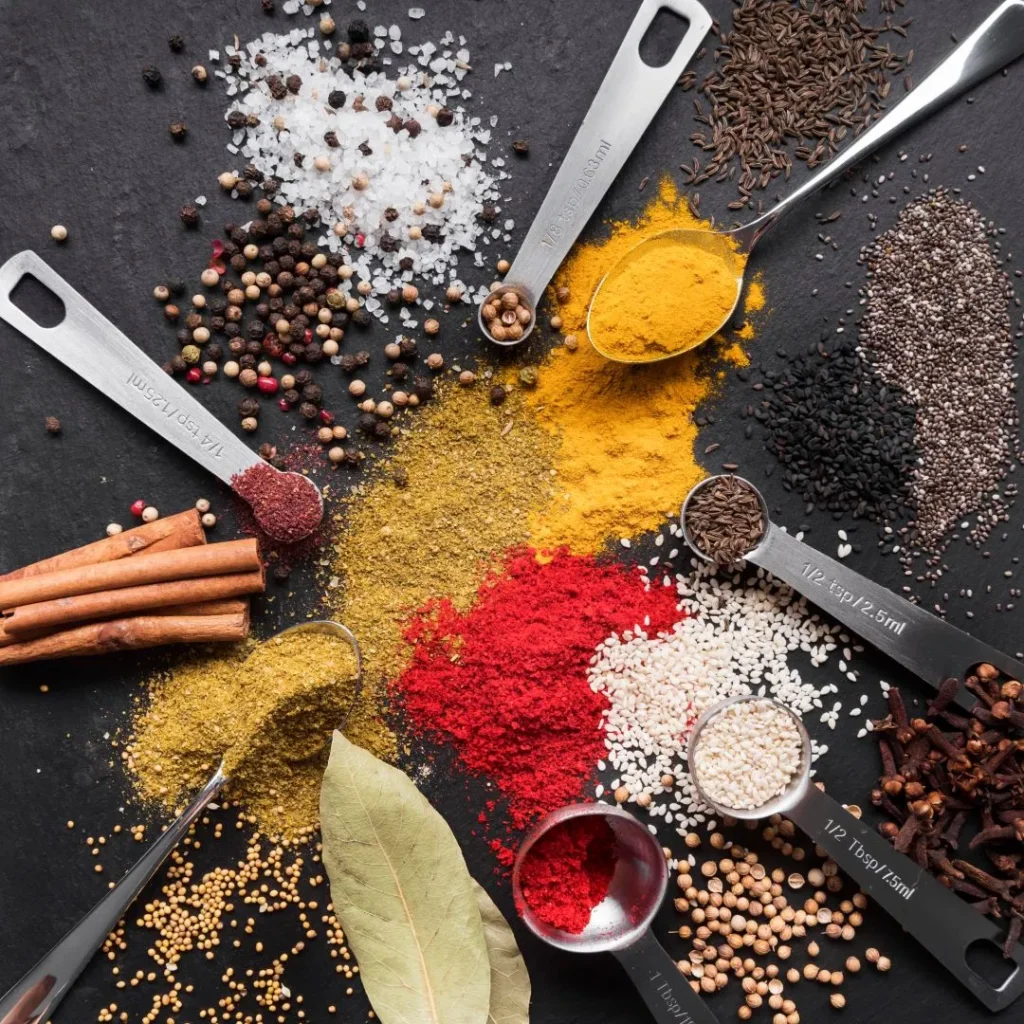
Why Whole Spices Are More Flavorful?
Whole spices hold their essential oils longer than ground spices. When you grind them fresh or toast them lightly in a pan, the fragrance and flavor bloom in a way that feels alive. This is especially true for spices such as cumin seeds, coriander seeds, and whole peppercorns.
If you enjoy building deeper flavor or experimenting with your own Mediterranean seasoning mixes, whole spices give you that freedom. They are ideal for slow cooked dishes, rice, broths and marinades.
When Ground Spices Are Best?
Ground spices are convenient and perfect for fast, everyday cooking. They blend easily into marinades, dips and dry rubs. When I prepare Chicken Shawarma, Falafel or the seasoning for our Combo Plate, ground spices give consistent flavor in every bite.
Ground spices are also essential in dips such as Classic Hummus and Babagannoush because they integrate smoothly without altering texture.
Which Mediterranean Spices Are Best Bought Whole?
If you enjoy grinding or toasting spices, I recommend buying these whole:
• Cumin
• Coriander
• Black pepper
• Cloves
• Allspice
These spices last longer in whole form and release the most aroma when freshly ground.
Which Mediterranean Spices Are Fine Pre-Ground?
Spices that you use frequently and mix into marinades or dips can be purchased ground:
• Paprika
• Turmeric
• Garlic powder
• Onion powder
• Cinnamon
These spices lose less character when ground and keep well when stored properly.
The best approach is to keep a balance of both. Whole spices for depth. Ground spices for ease. Together, they create the Mediterranean warmth people love.
Do Mediterranean Spices Expire and How Should They Be Stored?
Mediterranean spices do not spoil the way fresh ingredients do, but they do lose flavor over time. Keeping your spices fresh ensures that every dish tastes vibrant and balanced.
How Long Mediterranean Spices Typically Last?
• Whole spices usually stay flavorful for two to three years.
• Ground spices keep their best flavor for about one year.
• Dried herbs such as oregano and thyme taste best within six to twelve months.
After this time, the spices are still safe to use, but they become weaker and less aromatic. You may notice that your dishes taste flat even when you use the same amount. That is a sign your spices are past their peak.
How To Store Mediterranean Spices for Maximum Freshness?
Spices last longest when protected from four things:
• Heat
• Light
• Air
• Moisture
Here is how I store spices both at home and in our kitchen at Micheline’s Pita House:
• Keep spices in airtight containers
• Store them in a cool cabinet rather than near the stove
• Avoid clear glass jars that sit in direct sunlight
• Scoop spices with a dry spoon so no moisture enters the container
These simple habits help your cumin stay earthy, your cinnamon stay warm and your oregano stay fragrant.
A Helpful Tip From Our Kitchen
If you open a jar of spice and the aroma no longer rises to meet you, it is time to replace it. Mediterranean food relies on freshness even in its spices. A dish like Mediterranean Chicken Salad or Falafel comes alive when the spices are full of fragrance.
Keeping spices fresh keeps Mediterranean cooking honest and vibrant.
Frequently Asked Questions About Mediterranean Spices
What are typical Mediterranean spices?
Typical Mediterranean spices include cumin, coriander, paprika, turmeric, cinnamon, allspice, garlic powder, onion powder, sumac and sometimes nutmeg and cardamom. These spices create the warm, earthy and aromatic flavors you taste in Mediterranean dishes such as Falafel, Chicken Shawarma and Classic Hummus.
What is Mediterranean seasoning?
Mediterranean seasoning is a blend of herbs and spices commonly used to flavor Mediterranean dishes. It often includes oregano, garlic, paprika, parsley, black pepper, cumin and coriander. Some versions are herb forward, while others lean toward warm, earthy spices. It is used on vegetables, meats, grains and dips.
What is in Mediterranean seasoning mix?
A Mediterranean seasoning mix usually contains oregano, garlic, paprika, parsley, pepper and sometimes cumin or coriander. Eastern Mediterranean blends also include turmeric, cinnamon and allspice. Greek inspired blends use more herbs. North African blends use warm spices such as ginger and cinnamon.
What is Mediterranean Seven Spice?
Mediterranean Seven Spice is a Levantine spice blend often made from black pepper, allspice, cinnamon, cloves, nutmeg, fenugreek and ginger. It is commonly used in ground meats, rice dishes, marinades and flavorful dishes such as shawarma and Falafel.
What herbs are Mediterranean herbs?
Mediterranean herbs include parsley, mint, oregano, dill, thyme, rosemary, basil and bay leaf. These herbs bring brightness and freshness to salads such as Tabouli, Greek Salad and the Superfood Ancient Grains Salad.
Are Mediterranean spices spicy?
Mediterranean spices are warm and aromatic rather than spicy hot. They add depth without heat. If you want heat, you can add sauces like Shoug, but the core Mediterranean spices themselves are not spicy.
What are the best Mediterranean spices to keep at home?
The most useful Mediterranean spices include cumin, coriander, paprika, turmeric, cinnamon, allspice, sumac, za’atar, garlic powder and oregano. These ten spices give you the foundation for dishes such as Chicken Shawarma, Falafel, Babagannoush and Roasted Veggies.
What can I use in place of Mediterranean seasoning?
If you do not have a Mediterranean seasoning blend, you can combine oregano, garlic powder, paprika, cumin and parsley for a simple substitute. For a more Eastern Mediterranean flavor, add coriander and turmeric.
Do Mediterranean spices expire?
Mediterranean spices do not spoil, but they lose flavor. Ground spices taste best for about one year. Whole spices stay strong for two to three years. Dried herbs stay fragrant for six to twelve months.
How long do spices last before they lose flavor?
Most ground spices begin fading after one year. Whole spices keep their aroma for two or more years. Herbs lose their strength sooner than spices.
Should I buy Mediterranean spices whole or ground?
Whole spices stay fresh longer and offer stronger aroma when freshly ground. Ground spices are easier to use in everyday cooking and work well for dishes such as Classic Hummus, Falafel and Chicken Shawarma.
How should I store Mediterranean spices?
Store spices in airtight containers in a cool, dry place away from heat and sunlight. Do not let moisture enter the container. These habits keep spices fragrant and full of life.
Are there Mediterranean spices I should always buy whole?
Many cooks prefer to buy cumin seeds, coriander seeds, black pepper, cloves and allspice whole. These spices retain their oils longer and offer superior aroma when ground fresh.
Where can I buy Mediterranean spices?
You can find Mediterranean spices at local grocery markets, Middle Eastern shops, bulk spice stores, farmers markets and online specialty retailers. Freshness matters more than the location itself.