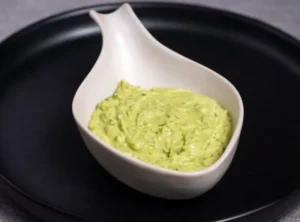
When people think about Mediterranean food, they often picture savory dishes first. Fresh salads, grilled meats, warm pita, olive oil, herbs. But for me, Mediterranean desserts are just as meaningful. They are not about excess or sugar overload. They are about balance, tradition, and ending a meal with something thoughtful.
Mediterranean desserts tend to be smaller, richer in flavor, and meant to be shared. Instead of heavy frosting or oversized portions, you find honey, nuts, fruit, phyllo dough, and olive oil. Desserts are enjoyed slowly, often with conversation still happening around the table.
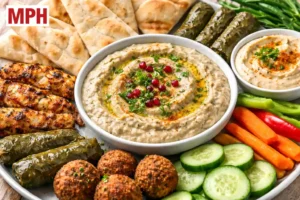
At Micheline’s Pita House, dessert is never an afterthought. It is the quiet final chapter of a meal that may have started with a Meza spread, moved through dishes like Chicken Shawarma or Falafel, and ended with something sweet and familiar. Mediterranean desserts feel like a pause, not a rush.
Before we explore specific sweets, let’s answer the most basic question.
What Is a Mediterranean Dessert?
A Mediterranean dessert is typically made with natural ingredients such as nuts, honey, fruit, olive oil, and thin pastry. These desserts come from regions across Southern Europe, the Middle East, and North Africa, and they focus on flavor and texture rather than heavy sugar or cream.
Popular examples include baklava, fruit-based sweets, olive oil cakes, and nut-filled pastries.
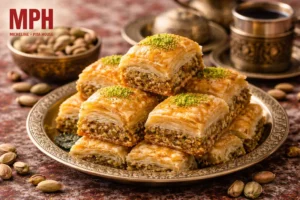
One of the most well-known Mediterranean desserts is Baklava, which we serve as a classic option for guests who want to end their meal on a traditional note.
Learn More: What Is Baklava? History, Ingredients & Delicious Regional Variations
What Are Some Popular Mediterranean Desserts and Why They Are So Loved?
Mediterranean desserts vary widely from country to country, but they all share a few common ideas. They rely on simple ingredients, they are often tied to tradition and celebration, and they are meant to be enjoyed slowly rather than rushed. Many of the most popular Mediterranean desserts have been passed down for generations, which is part of why they still feel special today.
One of the most recognizable Mediterranean desserts is Baklava. With its crisp layers of phyllo, nutty filling, and light syrup, baklava represents everything people love about Mediterranean sweets. It is rich, but not overwhelming, and a small piece goes a long way. At Pita House, our Baklava is often shared at the table after a full meal, especially following savory plates like Chicken Kabob or a hearty Combo Plate.
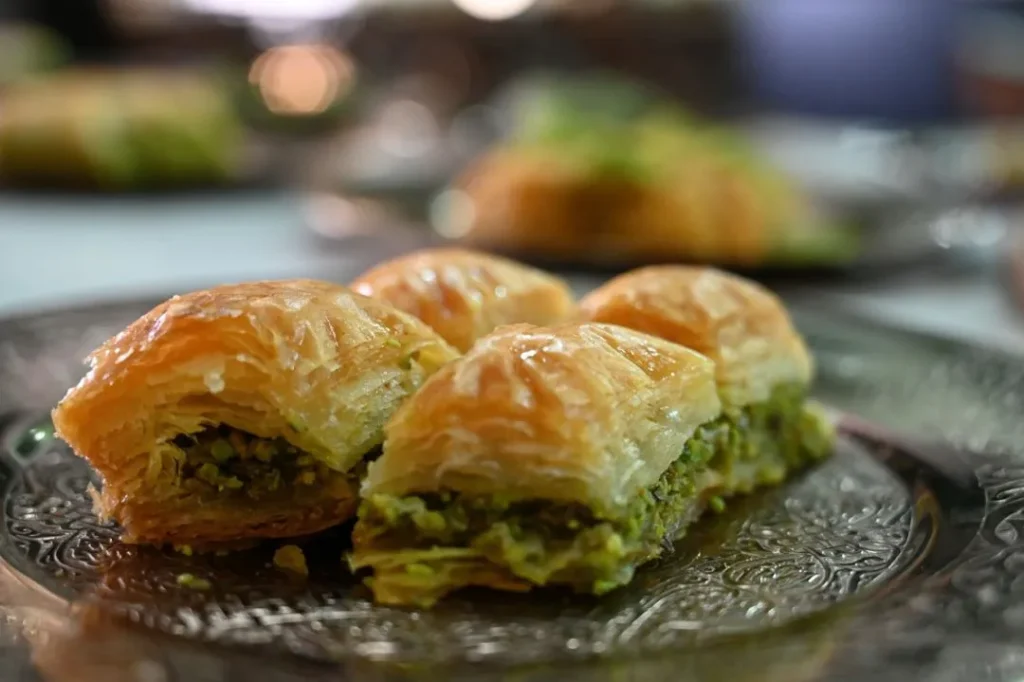
Another category of popular Mediterranean desserts focuses on fried or baked dough finished with honey or syrup. These sweets are common at festivals and family gatherings, where dessert becomes part of the celebration itself. You will also find desserts built around nuts and seeds, offering warmth and texture rather than heavy cream.
Fruit plays a big role as well. In many Mediterranean cultures, fresh fruit is the most common dessert at home. Oranges, figs, dates, grapes, and citrus are enjoyed simply, sometimes paired with nuts or a drizzle of honey. This approach reflects the Mediterranean philosophy that dessert does not need to be complicated to be satisfying.
What ties all of these desserts together is balance. After a meal that might include dishes like Falafel, Tabouli, or a Superfood Ancient Grains Salad, Mediterranean desserts feel like a natural ending. They complement the meal rather than compete with it.
What Can You Eat for Dessert on the Mediterranean Diet?
One of the biggest misconceptions about the Mediterranean diet is that dessert is completely off limits. In reality, desserts are absolutely part of the Mediterranean way of eating, just approached with intention and moderation.
On the Mediterranean diet, dessert is not meant to be an everyday indulgence or a large portion. Instead, it is something enjoyed occasionally, often tied to meals shared with others. The focus stays on quality ingredients rather than quantity.
So what desserts are allowed on the Mediterranean diet?
The most common choices include fruit, nuts, and lightly sweetened traditional desserts made with honey or olive oil. Fresh fruit is the most typical everyday dessert. Citrus, berries, figs, and grapes are often enjoyed on their own or paired with a handful of nuts.
Traditional pastries also fit into the Mediterranean diet when enjoyed mindfully. A small piece of Baklava, for example, is a classic choice. Made with nuts, phyllo dough, and honey, it aligns well with Mediterranean ingredients even though it is richer.
Olive oil-based desserts are another staple. Cakes and cookies made with olive oil instead of butter are common in Mediterranean regions. They tend to feel lighter and less sweet, making them a natural fit for this style of eating.
The key idea is balance. You can have dessert on the Mediterranean diet, but it is enjoyed thoughtfully, often as a small portion that completes the meal rather than dominating it.
Mediterranean Desserts vs Middle Eastern Desserts: How They Overlap?
Mediterranean desserts and Middle Eastern desserts are often discussed separately, but in reality, they share a deep connection. Many of the sweets people associate with Mediterranean cuisine are also staples across the Middle East. The overlap comes from shared geography, trade routes, and centuries of cultural exchange.
Desserts like baklava are a perfect example. Found throughout Greece, Turkey, the Levant, and beyond, baklava shows how a single dessert can belong to many cultures at once. Each region may adjust the nuts, the syrup, or the shape, but the heart of the dessert remains the same.
Middle Eastern desserts tend to lean heavily on ingredients such as nuts, honey, rose water, and orange blossom, all of which also appear in Mediterranean sweets. Thin pastry, like phyllo, is another common thread. Whether the dessert is baked, soaked in syrup, or lightly sweetened, the focus stays on aroma, texture, and richness rather than heavy creams.
At the table, these desserts often appear after savory dishes that balance spices and herbs. After plates like Falafel, Chicken Shawarma, or a shared Meza selection, desserts from both Mediterranean and Middle Eastern traditions feel like a natural continuation rather than a contrast.
This overlap is what makes Mediterranean desserts so diverse. They tell a story that stretches across borders, languages, and generations, yet still feels familiar no matter where you are enjoying them.
Mediterranean Desserts Compared to Middle Eastern Desserts
To better understand how Mediterranean desserts and Middle Eastern desserts overlap and differ, here is a simple comparison that reflects how they are traditionally enjoyed.
| Aspect | Mediterranean Desserts | Middle Eastern Desserts |
|---|---|---|
| Sweetness level | Moderate and balanced | Often sweeter and more syrup forward |
| Common ingredients | Olive oil, nuts, honey, fruit, phyllo | Nuts, sugar syrup, honey, rose water, orange blossom |
| Portion size | Smaller portions, shared | Often small but very rich |
| Everyday desserts | Fruit, yogurt, simple cookies | Fruit and syrup based sweets |
| Celebratory desserts | Baklava, olive oil cakes, nut pastries | Baklava, knafeh, semolina based sweets |
| Overall style | Light, restrained, focused on balance | Aromatic, rich, and celebratory |
Easy Mediterranean Desserts and Simple Sweet Endings
One of the reasons Mediterranean desserts feel so approachable is that many of them are naturally simple. They are not built around complicated techniques or heavy decorations. Instead, they rely on good ingredients and thoughtful portions. In many Mediterranean homes, dessert can be as easy as fruit on the table or a small pastry shared after a meal.
Easy Mediterranean desserts often include fresh fruit, nuts, honey, and olive oil. A bowl of oranges or grapes might be dessert on an average evening. On special occasions, something baked or syrup soaked appears, but still in modest portions.
At a Mediterranean restaurant like Pita House, dessert usually comes after a meal that already feels complete. After dishes such as Chicken Kabob, Falafel Cobb Salad, or a Superfood Ancient Grains Salad, guests often want something sweet but not overwhelming. That is where traditional desserts like Baklava shine. One or two pieces are enough to satisfy without feeling heavy.
Mediterranean desserts are not about indulgence every day. They are about knowing when a little sweetness makes the moment better.
A List of Authentic Mediterranean Desserts You Should Know
When people search for Mediterranean desserts, they are usually looking for a short, clear list of sweets that truly represent the region. While there are many variations across countries, the desserts below are some of the most authentic and widely recognized throughout the Mediterranean and neighboring regions.
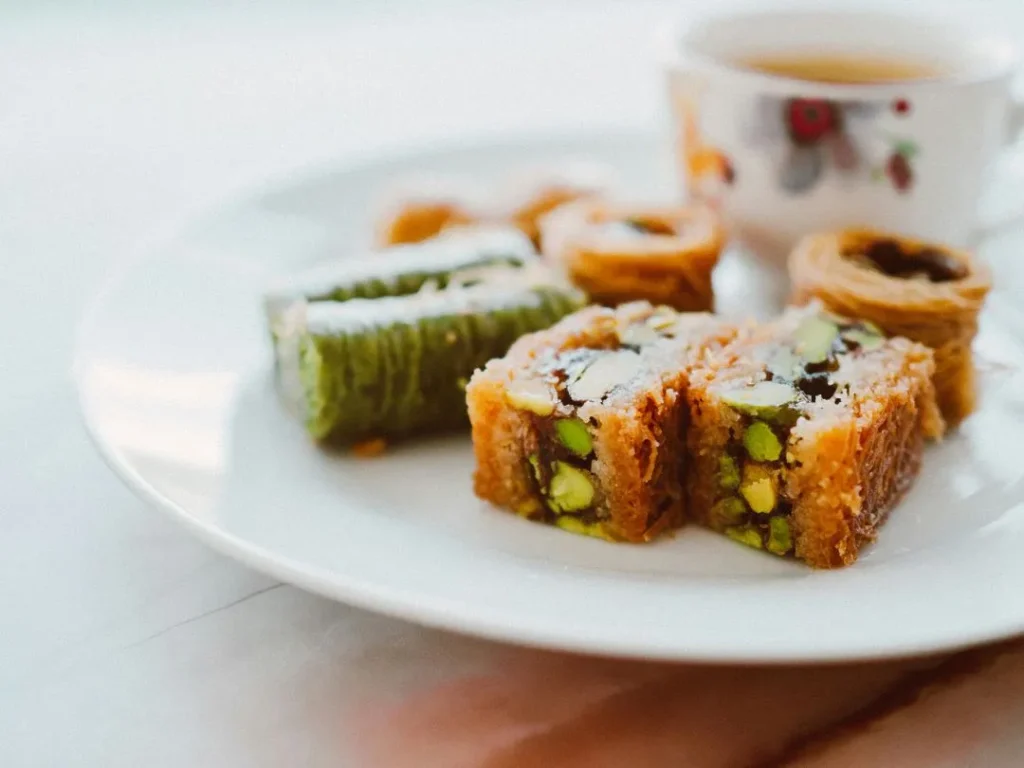
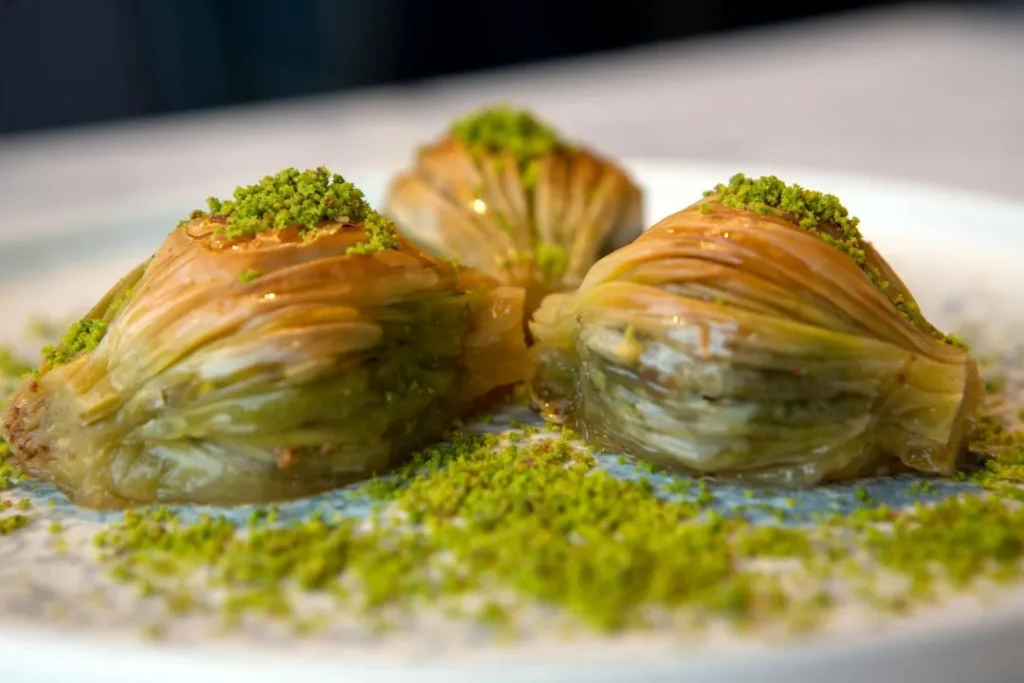


Baklava
Baklava is one of the most famous Mediterranean desserts. It is made with thin layers of phyllo dough, chopped nuts, and a light syrup or honey. Rich but balanced, it is typically served in small pieces and shared at the table. At Pita House, Baklava is a classic way to end a meal that includes dishes like Chicken Shawarma or a Combo Plate.
Fruit as Dessert
In many Mediterranean homes, fresh fruit is the most common dessert. Oranges, grapes, figs, and berries are served simply and often paired with conversation rather than ceremony. This everyday approach to dessert reflects the Mediterranean focus on freshness and moderation.
Honey and Nut Based Sweets
Across the Mediterranean and Middle East, desserts built around nuts and honey are very common. These sweets are warm, aromatic, and satisfying without relying on frosting or heavy creams. They are often enjoyed during holidays or family gatherings.
Olive Oil Cakes
Olive oil based cakes are popular in Mediterranean countries like Greece, Italy, and Spain. Using olive oil instead of butter creates a moist texture and subtle flavor that feels lighter than traditional cakes.
Yogurt with Honey and Nuts
A simple yet beloved dessert, yogurt topped with honey and nuts is common across the Mediterranean. It offers sweetness without heaviness and fits naturally into Mediterranean diet principles.
Fried Dough with Honey
In some regions, small fried dough bites drizzled with honey appear during celebrations. These desserts are crisp on the outside, soft inside, and always meant to be shared.
Together, these desserts show how Mediterranean sweets prioritize flavor, texture, and tradition over excess. Whether the dessert is as simple as fruit or as layered as Baklava, it always feels intentional.
Where Mediterranean Desserts Fit Into a Full Meal?
Mediterranean desserts are rarely eaten on their own. They are part of a longer experience, one that starts with savory dishes, builds through shared plates, and ends with something sweet that feels earned rather than excessive.
A typical Mediterranean meal often begins with small dishes meant for sharing. A Meza selection with dips, vegetables, and warm pita sets the tone. From there, the meal moves into heartier plates like Chicken Shawarma, Falafel, or a Combo Plate served with rice and salads. By the time dessert arrives, everyone is already satisfied, which is why Mediterranean desserts are intentionally modest.
Dessert is meant to complete the meal, not overpower it. That is why sweets like Baklava are served in small portions. One piece is enough to bring sweetness and texture without feeling heavy. After meals that include lighter options such as a Greek Salad, House Salad, or Mediterranean Chicken Salad, dessert feels like a natural continuation rather than a contrast.
At Pita House, dessert often comes with lingering conversation. A table may share Baklava while finishing drinks like Ice Tea or Pellegrino, enjoying the final moments of the meal together. Mediterranean desserts create space to slow down, reflect, and enjoy the company just as much as the food.
That rhythm is what makes Mediterranean dining feel different. The dessert is not rushed. It signals that the meal was about more than eating. It was about being present.
Frequently Asked Questions About Mediterranean Desserts
What are popular Mediterranean desserts?
Popular Mediterranean desserts include baklava, fruit served fresh, honey and nut based pastries, olive oil cakes, and yogurt with honey and nuts. These desserts are known for balanced sweetness and simple ingredients rather than heavy creams or frosting.
What to eat for dessert on a Mediterranean diet?
On the Mediterranean diet, dessert is usually fresh fruit. Other options include yogurt with honey, nuts, or a small portion of a traditional dessert like baklava enjoyed occasionally.
What desserts are allowed on the Mediterranean diet?
Desserts allowed on the Mediterranean diet include fruit, nut based sweets, olive oil cakes, and traditional pastries eaten in moderation. The focus is on natural ingredients and smaller portions.
What is a common Middle Eastern dessert?
Baklava is one of the most common Middle Eastern desserts, along with other sweets made from nuts, honey, and thin pastry. Many of these desserts are also considered Mediterranean.
What is the famous Greek dessert?
Baklava is one of the most famous Greek desserts, along with yogurt based sweets and honey pastries. Greek desserts often feature nuts, honey, and phyllo dough.
Are Mediterranean desserts healthy?
Mediterranean desserts are generally healthier than many Western desserts because they rely on fruit, nuts, olive oil, and honey rather than heavy creams and refined sugar. They are still treats and should be enjoyed in moderation.
What do Mediterranean people eat for dessert?
In everyday life, many Mediterranean people eat fresh fruit for dessert. On special occasions, they enjoy traditional pastries or nut based sweets shared with family and friends.