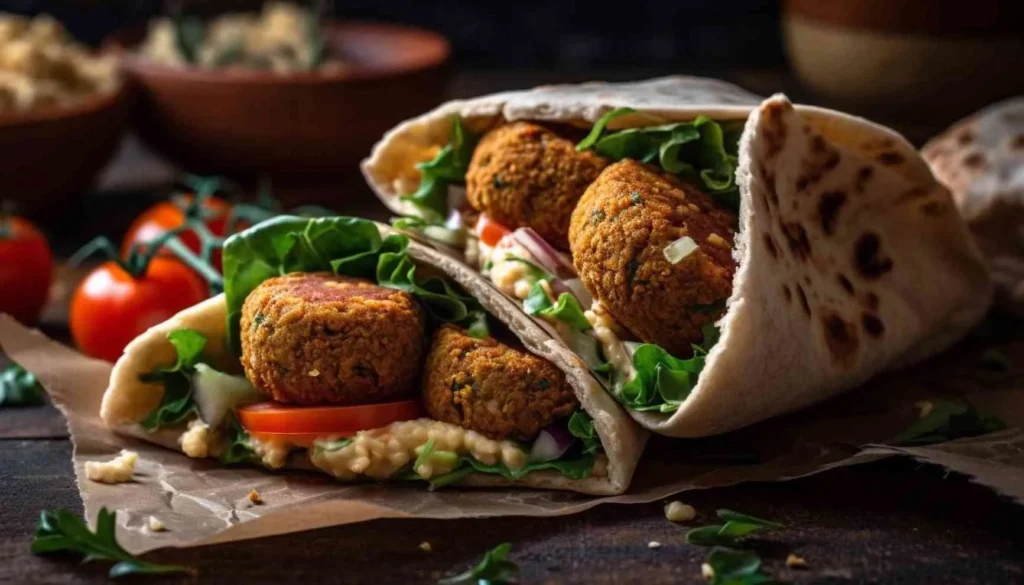
Falafel is one of those foods everyone thinks they know — until someone actually asks, “So… what is falafel, exactly?”
Some people picture a crispy ball stuffed into pita bread. Others think of it as a meat substitute or a generic “veggie food.” And many just know one thing for sure: it tastes really good.
But falafel is more than a snack or a vegetarian option. It’s a traditional Mediterranean food with simple ingredients, deep roots, and a surprisingly balanced nutritional profile when made the right way.
We serve falafel every day, and the question we hear most often is: what exactly is falafel made of, and is it actually healthy?
Below is a clear, no-fluff explanation of what falafel is, what’s inside a falafel ball, and how it’s traditionally eaten as part of Mediterranean cuisine.
What Is Falafel?

Falafel is a traditional Mediterranean food made from ground chickpeas or fava beans, mixed with fresh herbs and spices, shaped into small balls or patties, and cooked until crisp on the outside and tender inside. It’s naturally vegetarian and known for its savory, herb-forward flavor.
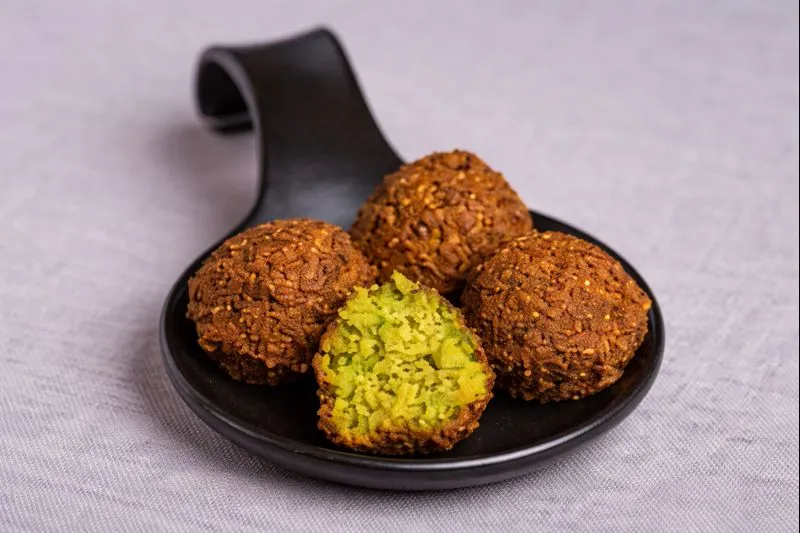
From a kitchen point of view, falafel is all about texture and freshness. When it’s made properly, the outside forms a light, golden crust, while the inside stays soft, moist, and bright green from parsley and cilantro. That contrast is what makes falafel satisfying without feeling heavy.
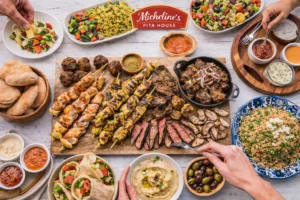
Falafel is commonly served in a warm pita, on a plate with salads and sauces, or as part of a larger Mediterranean spread. At Micheline’s Pita House, it’s a core item because it works just as well on its own as it does alongside dishes like Classic Hummus, fresh house salads, and tahini sauce.
If you’ve ever wondered what are falafel balls or what’s in a falafel, the short answer is this: falafel is a plant-based comfort food built on simple ingredients, cooked fresh, and meant to be eaten hot.
What Is Falafel Made Of?
Falafel is made from ground chickpeas (or sometimes fava beans), fresh herbs, garlic, onion, and warm Mediterranean spices. These ingredients are blended together, shaped, and cooked to create a crisp outside with a soft, flavorful center.
At its core, falafel relies on simple, whole ingredients. There’s no dough, no breadcrumbs, and no fillers when it’s done properly. That’s why fresh falafel tastes clean and savory instead of dense or greasy.
Core Falafel Ingredients

- Chickpeas or fava beans – the base that gives falafel structure and plant protein
- Parsley and cilantro – responsible for the bright green interior and fresh aroma
- Garlic and onion – add depth and savory balance
- Spices like cumin and coriander – warm, earthy notes without heat
- Salt and pepper – to bring everything together
This combination is what gives falafel its signature flavor: nutty from the chickpeas, herbal from the greens, and gently spiced without being overpowering.
Because falafel uses legumes and herbs instead of meat, it fits naturally into vegetarian Mediterranean meals. It also pairs well with creamy elements like tahini or Classic Hummus, which smooth out the spices and add richness.
A Brief History of Falafel (Why Egypt Is Widely Considered the Origin)
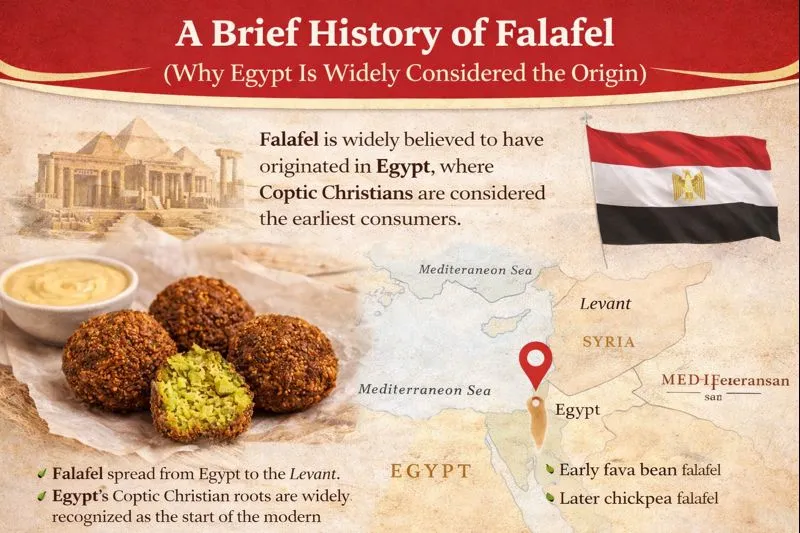
Falafel is widely believed to have originated in Egypt, where it was first made using fava beans long before chickpeas became common. Food historians trace falafel’s roots back to Egyptian cuisine, where a dish known as ta‘amiya was eaten as an affordable, plant-based protein.
Early records and culinary research point to Coptic Christians in Egypt as some of the earliest consumers of falafel-style fritters. During long fasting periods when meat was avoided, fava beans were ground, seasoned, and fried to create a filling, satisfying food that aligned with religious dietary practices.
Over time, as trade routes expanded and cuisines blended across the Eastern Mediterranean:
- Falafel spread from Egypt into the Levant
- Chickpeas gradually replaced fava beans in regions like Palestine, Lebanon, and Syria
- Local herbs, spices, and serving styles evolved
Despite regional variations, the core idea remained the same: a humble, plant-based food made from legumes, herbs, and spices—designed to nourish and satisfy.
Today, both versions still exist:
- Egyptian falafel (ta‘amiya): traditionally made with fava beans
- Levantine falafel: commonly made with chickpeas
This shared history is part of what makes falafel such a powerful Mediterranean staple. It’s not tied to one country alone—but Egypt’s early use of fried legume patties is widely recognized as the foundation from which modern falafel developed.
What’s in a Falafel Ball?
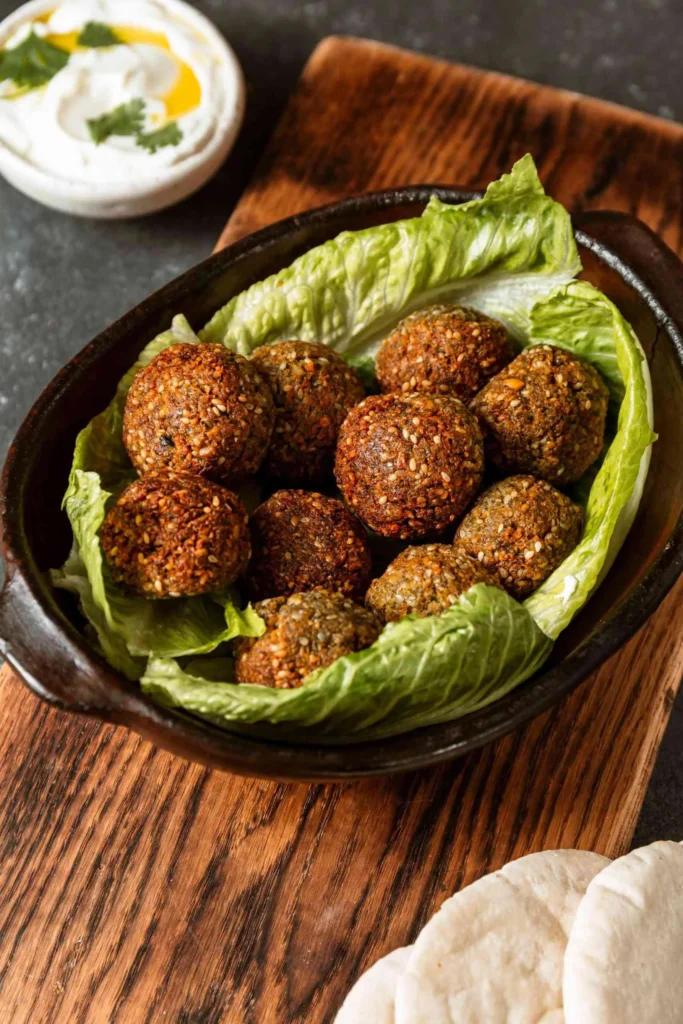
A falafel ball contains finely ground chickpeas or fava beans, fresh herbs, garlic, onion, and spices—formed into a small ball that’s crisp outside and soft inside. There’s no dough and no hidden fillers when it’s prepared the traditional way.
When you break open a fresh falafel ball, the inside should look light and slightly green, not dry or crumbly. That color comes from parsley and cilantro blended directly into the mixture. The aroma is herbal and warm, with garlic and cumin noticeable but not overpowering.
From what we see in the kitchen, a good falafel ball has three defining traits:
- Crisp exterior that holds its shape
- Tender, moist center without being mushy
- Balanced seasoning where herbs lead and spices support
People often assume falafel is breaded or flour-based, but that’s not the case. The structure comes from the chickpeas themselves, which is why falafel feels filling without feeling heavy.
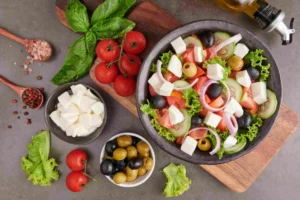
This is also why falafel works so well in different formats. A few balls can be tucked into a pita, layered with vegetables, or plated next to salads like Greek Salad for a complete Mediterranean meal. It’s simple food, but the texture and freshness make all the difference.
Is Falafel Vegetarian or Vegan?
Falafel is vegetarian, and it’s usually vegan. Traditional falafel contains no meat, dairy, or eggs—just chickpeas or fava beans, herbs, onions, garlic, and spices.
In its classic form, falafel fits naturally into plant-based eating. The base is legumes, the flavor comes from herbs and spices, and the texture comes from how it’s cooked—not from animal products. That’s why falafel has long been a go-to option for vegetarians who still want something hearty and satisfying.
There are a couple of practical notes worth knowing:
- Falafel itself is vegetarian and vegan.
- Sauces and sides can change that. Yogurt-based sauces or dairy toppings would make a dish vegetarian but not vegan.
- Preparation matters. Some kitchens add non-traditional binders; we stick to the classic approach so the falafel stands on its own.
That flexibility is part of why falafel works so well across menus. It can be the star of a plate, tucked into a wrap, or paired with plant-forward sides and tahini for a fully vegan meal—or combined with other items for a mixed table that works for everyone.
Is Falafel Healthy?
Falafel can be a healthy choice when it’s made from whole ingredients and eaten as part of a balanced Mediterranean meal. It’s plant-based, filling, and built around chickpeas and herbs rather than processed fillers.
From what we see daily, people choose falafel because it feels satisfying without feeling heavy. The ingredients do most of the work—legumes for substance, herbs for freshness, and spices for flavor—so you don’t need excess salt or rich sauces to make it enjoyable.
Why Falafel Can Be a Healthy Choice
- Plant-based protein: Chickpeas provide protein that keeps you full longer
- Fiber-rich: Helps with digestion and steady energy
- Whole ingredients: No meat, no artificial additives
- Pairs well with vegetables: Often served with salads, tomatoes, cucumbers, and greens
When falafel is combined with fresh sides like Greek Salad or layered into a pita with vegetables and tahini, it fits naturally into healthy Mediterranean eating.
When Falafel Is Less Healthy
- Heavy frying: Deep frying adds more oil and calories
- Large portions: Too many pieces can tip the balance
- Rich sauces: Creamy sauces can outweigh the benefits
That’s why how you eat falafel matters as much as what it’s made of. A few fresh falafel balls with vegetables, hummus, and tahini feel very different from eating them on their own with no balance.
Falafel works especially well for people looking for lighter meals, vegetarian options, or plant-forward comfort food. It’s one reason you’ll often find it featured at Healthy Mediterranean Restaurants and as part of everyday Mediterranean dining.
Falafel Nutrition Facts (What You’re Really Getting)
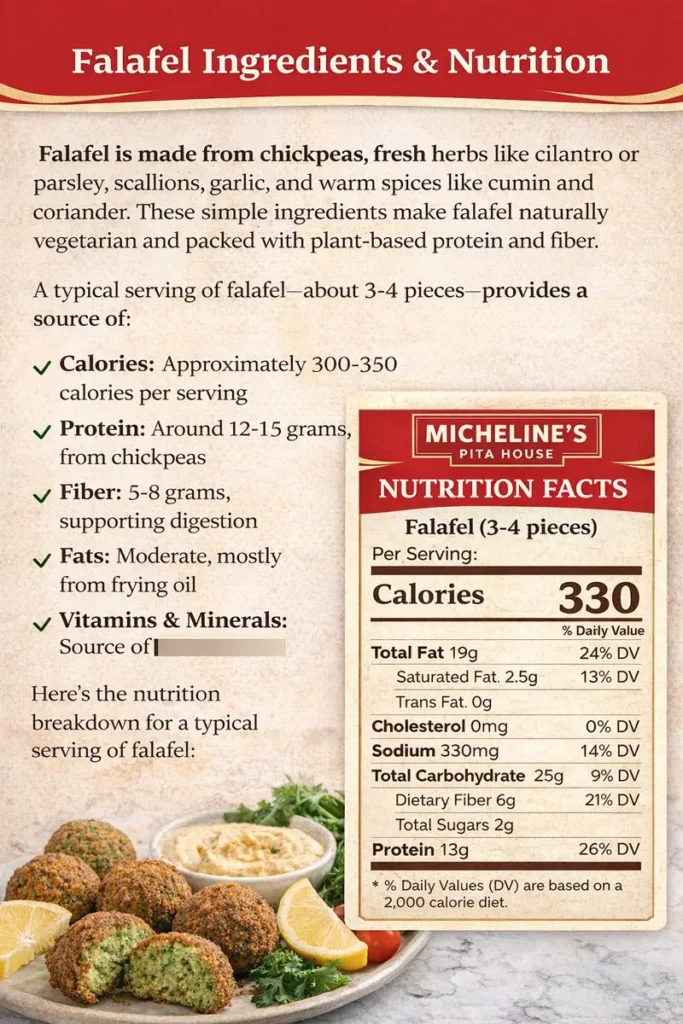
Falafel offers a balanced mix of plant-based protein, fiber, and satisfying fats—especially when eaten as part of a Mediterranean-style meal with vegetables and sauces. Below is a realistic nutrition snapshot to help you understand what’s in a typical serving.
Typical Nutrition (Per 3–4 Falafel Pieces)
| Nutrient | Approx. Amount |
|---|---|
| Calories | 300–350 kcal |
| Protein | 12–15 g |
| Total Fat | 15–20 g |
| Saturated Fat | 2–3 g |
| Carbohydrates | 25–30 g |
| Dietary Fiber | 5–8 g |
| Sugars | 1–2 g |
| Sodium | 300–400 mg |
Values vary by size, ingredients, and cooking method (fried vs. baked).
What These Numbers Mean
- Protein & Fiber: Chickpeas provide plant-based protein and fiber that help with fullness and steady energy.
- Fats: Most of the fat comes from the cooking oil. Fried falafel is richer; baked versions are lighter.
- Carbs: Complex carbohydrates from legumes—not refined flour—support sustained energy.
- Sodium: Moderate, but sauces and sides can add more, so balance matters.
How to Make Falafel a Smarter Choice
- Pair falafel with fresh vegetables and salads to boost fiber and micronutrients.
- Choose tahini or hummus in moderate amounts for healthy fats and flavor.
- Keep portions reasonable—3–4 pieces work well as a main protein in a balanced plate.
- If you prefer lighter options, opt for baked falafel or enjoy fried falafel with more greens.
Falafel fits well into healthy Mediterranean eating when it’s fresh, portioned sensibly, and paired with vegetables and lighter sauces.
How Falafel Is Traditionally Eaten?

Falafel is traditionally eaten hot, served in a pita or on a plate with fresh vegetables, sauces, and salads. The goal is balance—crispy falafel, bright herbs, crunchy vegetables, and a smooth sauce to tie it together.
In Mediterranean kitchens, falafel isn’t treated as a snack on its own. It’s part of a complete meal, built around contrast in texture and temperature. That’s why you’ll almost always see it paired with fresh elements.
Falafel in a Pita
One of the most common ways to eat falafel is tucked into a warm pita with vegetables and sauce. The pita holds everything together while soaking up flavor.
- Chopped tomatoes and cucumbers for freshness
- Pickles or cabbage for crunch
- Tahini or hummus for creaminess
This is where a falafel Pita Sandwich really shines—easy to eat, filling, and well-balanced.
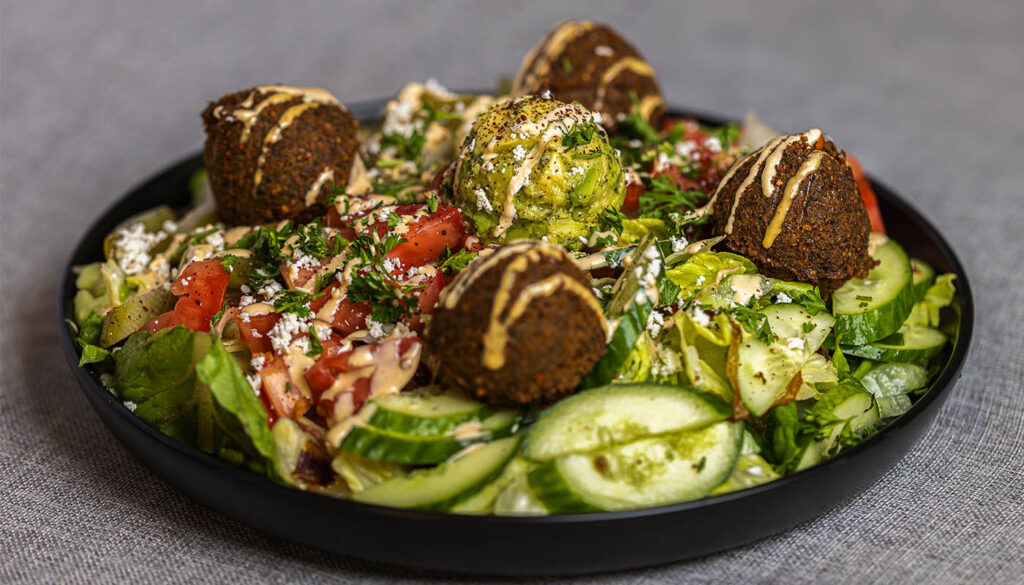
Falafel on a Plate

Falafel is also served as part of a plated meal, especially when people want something lighter or more relaxed.
- A few falafel balls as the protein
- A fresh salad like Greek Salad
- A side of Classic Hummus or tahini
This format lets each ingredient stand out and makes falafel feel like a complete, satisfying dish rather than a substitute.
Sauces Matter
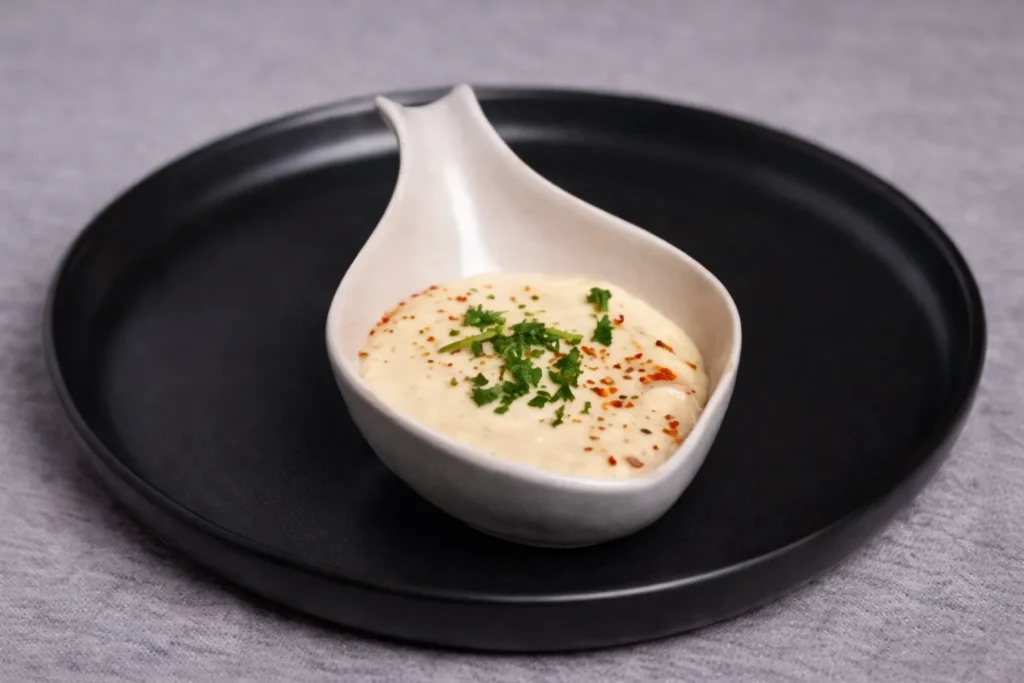
Falafel is rarely eaten plain. Tahini is the classic pairing—it adds richness without overpowering the herbs and spices. Hummus is another natural match, smoothing out the bite and rounding out the plate.
This way of eating is part of what defines Mediterranean food: simple ingredients, served together, each doing its job.


Fried vs Oven Baked Falafel — What’s the Difference?
The main difference between fried and baked falafel is texture and richness. Fried falafel develops a crisp outer shell with a soft center, while baked falafel is firmer and lighter but less crunchy.

Both methods use the same core ingredients. What changes is how the falafel feels when you bite into it and how it fits into a meal.
Fried Falafel
This is the traditional and most familiar version.
- Crisp, golden exterior
- Soft and moist inside
- Fuller flavor from quick contact with hot oil
Fried falafel holds up well in a pita or wrap because the outside stays intact while the inside stays tender. That contrast is what most people expect when they order falafel at a Mediterranean restaurant.
Baked Falafel
Baked falafel is less common but appeals to people looking for a lighter option.
- Firmer texture
- Less oil
- Milder flavor
Because it lacks the same crisp shell, baked falafel is usually better on a plate or in a bowl rather than stuffed into bread.
Which One Is Better?
There’s no universal answer. It depends on what you’re looking for:
- If you want classic texture and flavor, fried falafel delivers.
- If you’re prioritizing lower oil and a lighter bite, baked falafel can work.
In Mediterranean cooking, the focus is less about choosing one “right” method and more about balance—pairing falafel with fresh vegetables, sauces, and sides so the meal feels complete rather than heavy.
Does Falafel Contain Nuts or Common Allergens?
Traditional falafel does not contain nuts. The classic recipe is built around chickpeas (or fava beans), herbs, onion, garlic, and spices—no peanuts, almonds, or tree nuts.
A few practical points matter for diners:
- Falafel itself is nut-free when made traditionally.
- Cross-contact can happen in shared kitchens, so it’s always smart to ask if you have severe allergies.
- Sauces and sides vary. Tahini is made from sesame seeds (not nuts), but it’s still a common allergen for some people.
If allergies are a concern, pairing falafel with simple sides and clearly labeled sauces helps keep things straightforward. When in doubt, asking how a dish is prepared is always the safest move.
Falafel in Mediterranean Cuisine
Falafel is a long-standing part of Mediterranean and Middle Eastern food culture, valued for being filling, affordable, and plant-based. It sits comfortably alongside grilled meats, fresh salads, and spreads like hummus and tahini
In Mediterranean meals, falafel isn’t meant to stand alone. It’s one piece of a larger table:
- Fresh vegetables for crunch and acidity
- Creamy elements to balance herbs and spices
- Bread or grains to bring everything together
That balance is central to what people mean when they talk about Mediterranean food. If you’re curious how falafel fits into the bigger picture, it’s closely tied to What Is Mediterranean Food and why plant-forward dishes remain such a big part of the cuisine.
This versatility is also why falafel appears on menus at many Mediterranean Restaurant in San Diego—it works for vegetarians, meat-eaters, families, and mixed groups without feeling like a compromise.
Why Falafel Is a Staple at Mediterranean Restaurants?
Falafel earns its place on Mediterranean menus because it’s flexible, satisfying, and works across many dining styles. It’s one of the few dishes that feels equally at home in a quick lunch wrap, a plated sit-down meal, or a large shared order.
From a restaurant point of view, falafel checks a lot of boxes:
- Appeals to vegetarians and non-vegetarians alike
- Works well for dine-in, takeout, and delivery
- Holds up beautifully for group orders and events
- Pairs easily with salads, pita bread, hummus, and tahini
It’s just as comfortable in a quick pita sandwich as it is on a larger platter meant for sharing. That’s why falafel often shows up in group orders and events like Mediterranean Catering, especially when people want options that feel lighter but still filling.
Enjoy Falafel the Micheline’s Pita House Way
If you’re craving falafel made fresh, seasoned properly, and served the way it’s meant to be enjoyed, Micheline’s Pita House has you covered.
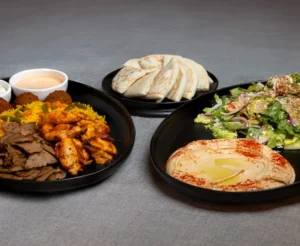
- Order our Falafel as a pita, plate, or platter
- Pair it with Classic Hummus, fresh salads, and warm pita
- Planning for a group? Explore our catering options for vegetarian-friendly spreads everyone can enjoy
Whether you’re stopping in for a quick bite or feeding a crowd, falafel at Micheline’s Pita House delivers the balance, flavor, and comfort Mediterranean food is known for.
Falafel Catering: A Crowd-Friendly Mediterranean Favorite
Falafel is one of the most reliable and crowd-pleasing options in Mediterranean catering. It’s filling, flexible, and works beautifully for mixed dietary needs—making it ideal for events where you want everyone at the table to feel included.
From a catering perspective, falafel stands out because it:
- Appeals to vegetarians and meat-eaters alike
- Travels well and holds texture when served in batches
- Pairs easily with salads, pita, hummus, and sauces
- Fits casual gatherings, corporate lunches, and large celebrations
Falafel can be served in multiple formats—pita wraps, platters, or build-your-own spreads—allowing guests to customize their plates while keeping the menu simple and balanced.
Order Falafel Catering from Micheline’s Pita House
If you’re planning an event and want a Mediterranean option that’s fresh, satisfying, and easy to serve, our falafel catering is designed to deliver exactly that.
- Freshly prepared falafel with proper seasoning and texture
- Perfectly paired with pita, hummus, greek salads, tahini sauce and classic hummus.
- Ideal for offices, family gatherings, and group celebrations
👉 Explore our Mediterranean Catering options and make falafel the centerpiece of your next event—simple, balanced, and guaranteed to please a crowd.
Frequently Asked Questions About Falafel
1. What is falafel?
Falafel is a traditional Mediterranean food made from ground chickpeas or fava beans mixed with herbs and spices, shaped into balls or patties, and cooked until crisp on the outside and tender inside.
2. What is falafel made of?
Falafel is made from chickpeas or fava beans, parsley, cilantro, onion, garlic, cumin, coriander, salt, and pepper. Traditional falafel contains no meat, dairy, or eggs.
3. What’s in a falafel ball?
A falafel ball contains ground legumes, fresh herbs, aromatics, and spices. The outside becomes crisp during cooking, while the inside stays soft and moist.
4. Are falafel balls vegetarian?
Yes. Falafel is vegetarian by default because it’s made entirely from plant-based ingredients.
5. Is falafel vegan?
Falafel itself is vegan. Whether a full dish is vegan depends on the sauces used, such as tahini (vegan) or yogurt-based sauces (not vegan).
6. Is falafel healthy?
Falafel can be a healthy option when eaten in moderation and paired with vegetables. It provides plant-based protein and fiber from chickpeas.
7. Is falafel considered a vegetable?
Falafel is not a vegetable, but it’s plant-based. It’s made from legumes, which are nutritionally different from vegetables but still part of a balanced diet.
8. Does falafel contain nuts?
Traditional falafel does not contain nuts. However, cross-contact can occur in shared kitchens, and sauces like tahini contain sesame, which is a common allergen.
9. Is falafel gluten-free?
Falafel is naturally gluten-free when made only from chickpeas, herbs, and spices. Some kitchens add binders, so people with gluten sensitivity should always ask.
10. What does falafel taste like?
Falafel tastes savory and herbal, with warm spice notes and a nutty flavor from chickpeas. The texture is crisp outside and soft inside.
11. How do you eat falafel?
Falafel is commonly eaten in a pita sandwich, on a plate with salad and hummus, or as part of a Mediterranean bowl with tahini sauce.
12. Is falafel fried or baked?
Traditionally, falafel is fried to create a crisp exterior. Baked falafel exists but has a firmer texture and less crunch.
13. Is baked falafel healthier than fried falafel?
Baked falafel contains less oil, but fried falafel is still enjoyed as part of balanced Mediterranean meals when paired with vegetables and lighter sauces.
14. What cuisine does falafel belong to?
Falafel is associated with Mediterranean and Middle Eastern cuisine and is commonly served across the Eastern Mediterranean region.
15. What is falafel usually served with?
Falafel is often served with pita bread, tahini, hummus, fresh vegetables, and salads like Greek Salad.
16. Is falafel filling?
Yes. Falafel is filling because chickpeas are rich in fiber and plant protein, helping people feel satisfied after eating.
17. Can falafel be part of a healthy Mediterranean diet?
Yes. Falafel fits well into Mediterranean eating when combined with vegetables, olive oil–based sauces, and whole foods.
18. Why is falafel so popular at Mediterranean restaurants?
Falafel is popular because it works for vegetarians and meat-eaters, travels well for takeout, and pairs easily with many dishes, making it a staple at places like a Mediterranean Restaurant
19. Can falafel be eaten cold?
Falafel is best eaten hot for texture and flavor, but it can still be eaten cold or at room temperature, especially in salads or wraps.
20. Is falafel considered fast food or healthy food?
Falafel sits in between. It’s quick to serve like fast food, but when made fresh and paired with vegetables and balanced sides, it aligns well with healthy Mediterranean eating.
Final Thoughts on Falafel
Falafel is simple food done right. It’s made from chickpeas or fava beans, fresh herbs, and spices, shaped into small balls, and cooked until crisp outside and tender inside. It’s naturally vegetarian, usually vegan, filling without being heavy, and flexible enough to work in a pita, on a plate, or as part of a larger Mediterranean spread.
When falafel is prepared fresh and paired with vegetables, tahini, and balanced sides, it fits naturally into healthy Mediterranean eating. That’s why it has remained a staple across Mediterranean kitchens and restaurants for generations—and why it continues to be one of the most ordered plant-based dishes today.
Ready to Enjoy Falafel the Way It’s Meant to Be?
If you’re curious to try falafel the traditional way—fresh, hot, and properly balanced—you’ll find it served daily at Micheline’s Pita House.
Explore our menu options:
- Try our classic Falafel on its own or as part of a platter
- Enjoy it wrapped in a warm Pita Sandwich with fresh vegetables and tahini
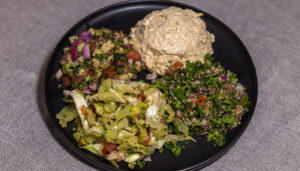
- Pair it with Classic Hummus or a crisp Greek Salad for a complete meal
Dining your way:
- Visit us at our Mediterranean Restaurant Pita house, review out locations.
- Order online through Mediterranean Delivery in San Diego
- Planning a group meal or event? Explore Mediterranean Catering and Healthy Mediterranean menu items
Whether you’re vegetarian, plant-curious, or just craving something fresh and satisfying, falafel is one of the easiest ways to enjoy Mediterranean food done right.