If you’ve ever looked at a Mediterranean menu and wondered whether to choose hummus or baba ganoush, you’re not alone. Both are creamy, delicious dips served with warm pita, but they’re completely different in flavor, texture, and nutrition.
Baba ganoush vs hummus comes down to one key difference: hummus is made from chickpeas, while baba ganoush is made from roasted eggplant. This changes everything, from taste and texture to calories and health benefits.
Let’s break it down clearly so you can choose the right one for your taste, your diet, and your next meal.
What Is the Difference Between Baba Ganoush and Hummus?

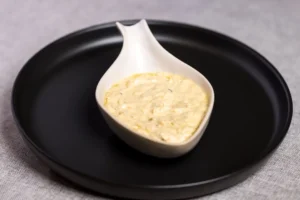
Key Differences at a Glance
- Main ingredient: Chickpeas (hummus) vs roasted eggplant (baba ganoush)
- Taste: Nutty and creamy vs smoky and earthy
- Texture: Thick and smooth vs silky and airy
- Nutrition: Higher protein vs lower calories and carbs
This simple difference is what creates two completely distinct experiences on the same table.
Baba Ganoush vs Hummus
| Feature | Hummus | Baba Ganoush |
|---|---|---|
| Main Ingredient | Chickpeas | Roasted Eggplant |
| Taste | Creamy, nutty, tangy | Smoky, earthy, slightly sweet |
| Texture | Thick, smooth, dense | Soft, silky, airy |
| Calories (per 2 tbsp) | ~70 | ~35 |
| Protein | Higher | Lower |
| Carbs | Higher | Lower |
| Best For | Filling dips, sandwiches, bowls | Light mezze, pairing with grilled foods |
| Overall Feel | Hearty and satisfying | Light and refined |
If you want something filling and protein-rich, hummus is the better choice. If you want something lighter and smoky, baba ganoush stands out.
What Are Baba Ganoush and Hummus Made Of?
Baba Ganoush is made from roasted or grilled eggplant, offering a smoky, light texture, while Hummus is made from blended chickpeas (garbanzo beans), resulting in a creamy, dense texture.
What Is Hummus Made Of?
Hummus is made from a blend of:
- Chickpeas
- Tahini (sesame paste)
- Lemon juice
- Garlic
- Olive oil
This combination creates a smooth, creamy dip that feels rich and satisfying. Chickpeas give hummus its structure, protein, and dense texture, making it more filling.
What Is Baba Ganoush Made Of?
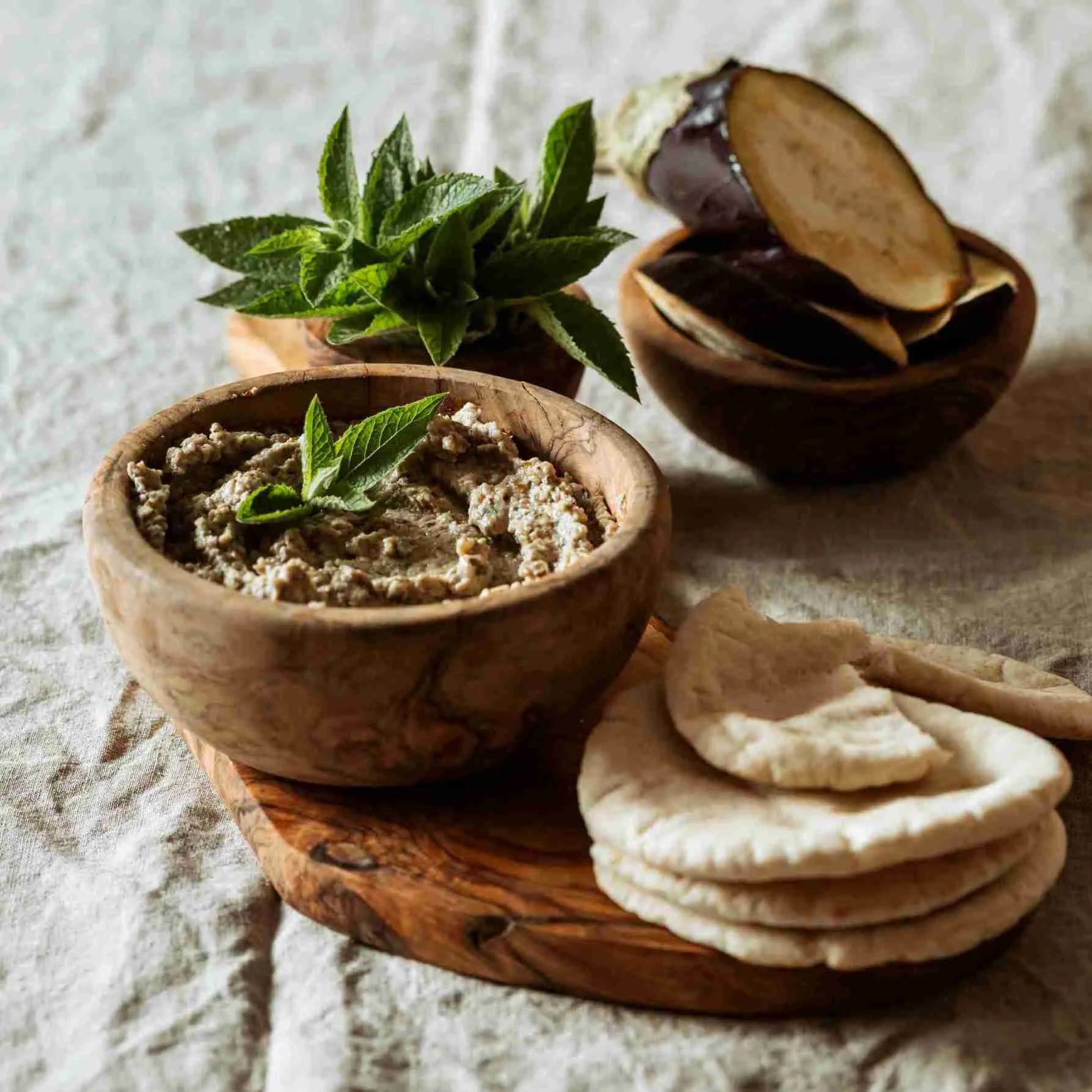
Baba ganoush starts with one key ingredient:
- Roasted eggplant
It’s then blended with:
- Tahini
- Lemon juice
- Garlic
- Olive oil
The roasting process is what defines baba ganoush. It gives the dip its signature smoky flavor and silky texture.
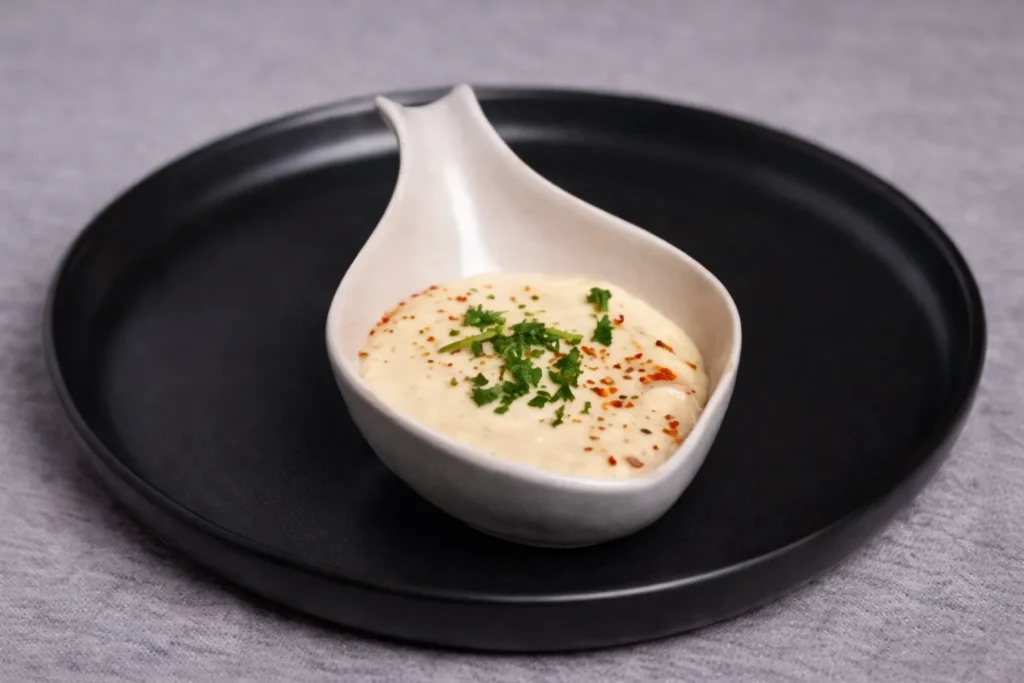
Why These Ingredients Create Different Results
Even though both dips share similar supporting ingredients, the base changes everything:
- Chickpeas → density, protein, creaminess
- Eggplant → softness, lightness, smokiness
This is why hummus feels hearty and grounding, while baba ganoush feels lighter and more delicate.
Do Baba Ganoush and Hummus Taste the Same?
No, baba ganoush and hummus do not taste the same. While both contain tahini, garlic, and lemon, hummus tastes creamy and nutty, while baba ganoush tastes smoky, earthy, and slightly sweet due to roasted eggplant.
What Hummus Tastes Like

Hummus has a flavor that is:
- Smooth and creamy
- Nutty from tahini
- Slightly tangy from lemon
- Mildly garlicky
Browse our menu or order catering for fresh Mediterranean food made daily across San Diego.
It’s familiar, balanced, and comforting. That’s why it’s often the first dip people try when exploring Mediterranean food.
What Baba Ganoush Tastes Like
Baba ganoush has a completely different personality. It is:
- Smoky from roasted eggplant
- Soft and slightly sweet
- Earthy and warm
- Light with subtle brightness from lemon
The roasting process gives baba ganoush its signature depth. It’s less “rich” than hummus, but more complex in flavor.

Does Baba Ganoush Taste Like Hummus?
No, baba ganoush does not taste like hummus. The only similarity is the presence of tahini and lemon, but the base ingredient completely changes the flavor. Hummus is creamy and nutty, while baba ganoush is smoky and lighter.
| Feature | Hummus | Baba Ganoush |
|---|---|---|
| First Bite Experience | Creamy, smooth, and comforting | Light, silky, with a subtle smoky aroma |
| Flavor Profile | Nutty, slightly tangy, mild garlic | Smoky, earthy, slightly sweet from roasted eggplant |
| Texture on the Palate | Thick, velvety, and dense | Soft, airy, slightly rustic and delicate |
| Main Ingredient | Chickpeas | Roasted eggplant |
| Aftertaste | Rich, lingering, satisfying | Clean, light, with a gentle smoky finish |
| Mouthfeel | Filling and hearty | Light and melt-in-your-mouth |
| Nutrition Feel | More filling, protein-rich | Lighter, lower in calories and carbs |
| Best Paired With | Shawarma, falafel, wraps | Grilled meats, vegetables, mezze spreads |
| Overall Vibe | Comfort food | Elegant and refined |
How it feels side-by-side:
Hummus coats your palate with a creamy, nutty richness that feels satisfying and filling. Baba ganoush, on the other hand, glides across your tongue—light, smoky, and almost silky—leaving a clean, delicate finish that makes you want another bite.
Texture Differences: Why Baba Ganoush Feels Lighter Than Hummus
Baba Ganoush feels lighter than hummus because it is based on roasted eggplant, which breaks down into a soft, airy, and sometimes fibrous texture, whereas hummus uses dense, protein-heavy chickpeas. Eggplant contains high moisture, resulting in a silkier, lower-calorie dip, while chickpea-based hummus yields a thicker, creamier consistency
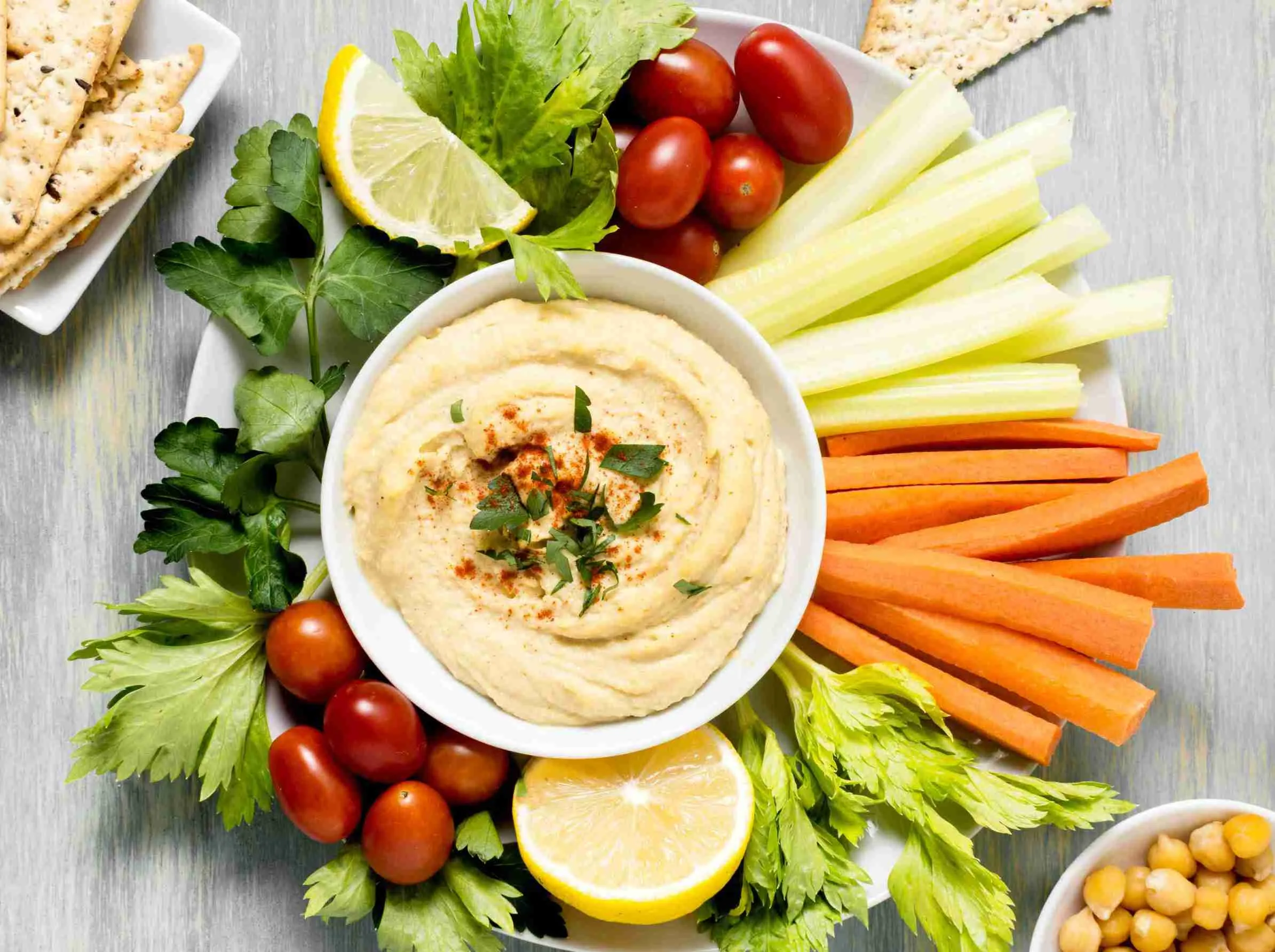
Key Reasons for the Texture Difference:
- Base Ingredient: The core ingredient of Baba Ganoush is roasted, smoky eggplant, which becomes soft and spoon-soft when cooked. Hummus is made from dense, fiber-rich chickpeas.
- Moisture Content: Eggplant has a much higher water content, creating a lighter, less dense mixture than the starchy paste created by blending chickpeas.
- Structural Difference: Baba Ganoush often has a rustic, occasionally chunky texture, while hummus is typically blended into a thick, smooth, and uniform paste.
- Preparation Process: The intense roasting/charring process breaks down eggplant fibers, allowing them to incorporate air and creating a “melt-in-your-mouth” quality.
Baba Ganoush vs Hummus Nutrition (Calories, Carbs, Protein)
-
- Calories and Fat: Baba ganoush is typically lighter. While both use tahini and olive oil, baba ganoush uses less, resulting in a lower fat count.
- Protein:
Hummus is the clear winner for protein, which is ideal for muscle recovery and sustained energy.
- Carbohydrates: Baba ganoush is much lower in carbs, making it better for keto-friendly or low-carb diets.
- Nutrients: Baba ganoush offers unique antioxidants like nasunin from eggplant skin, while hummus offers higher fiber.
- For weight loss/low-carb: Choose Baba Ganoush.
- For filling protein/fiber: Choose Hummus.
Calories Comparison
Baba ganoush typically has around 35 calories per 2 tablespoons, while hummus has about 70 calories per 2 tablespoons, making baba ganoush the lower-calorie option.
Nutrition Breakdown
| Nutrient | Hummus | Baba Ganoush |
|---|---|---|
| Calories | ~70 | ~35 |
| Carbs | 6–8g | 2–4g |
| Protein | ~2g | <1g |
| Fat | 4–5g | 3–4g |
| Fiber | Moderate | Slightly higher (from eggplant skin) |
What These Numbers Mean
- Hummus = more protein and energy
- Baba ganoush = fewer calories and carbs
- Both = healthy fats from tahini and olive oil
Which Is Healthier: Hummus or Baba Ganoush?
It depends on your goal.
Choose Baba Ganoush if you want:

- Fewer calories
- Lower carbs
- A lighter dip
- A smoky, less dense option
Choose Hummus if you want:
- More protein
- A more filling snack
- Sustained energy
- A thicker, richer texture
Final Health Verdict
Neither is strictly “better.” Baba ganoush is lighter and lower in calories, while hummus is more nutritious in terms of protein. The healthier choice depends on your dietary needs.
Is Baba Ganoush Similar to Hummus?
Yes, baba ganoush is similar to hummus in how it’s served and the ingredients it shares, but the base ingredient makes them taste and feel very different.
What They Have in Common
- Both are Mediterranean dips
- Both use tahini, garlic, lemon, and olive oil
- Both are plant-based and vegan-friendly
- Both are served with pita bread or vegetables
- Both are part of traditional mezze platters
Key Difference to Remember
Even though they look similar on the table, the base ingredient changes everything:
- Chickpeas → creamy, filling, protein-rich
- Eggplant → smoky, soft, light
That’s why people often think they’re similar at first, but quickly realize they offer completely different eating experiences.
Is Baba Ganoush Simpler to Make Than Hummus?
Yes, baba ganoush can be simpler to make than hummus, depending on the method used.
Why Baba Ganoush Can Be Easier?
- Requires fewer steps once eggplant is roasted
- No need to cook or soak chickpeas
- Naturally soft texture (no need for heavy blending)
Why Hummus Can Take More Effort?
- Chickpeas often need soaking or cooking
- Requires blending to achieve smooth consistency
- Texture depends heavily on preparation technique
Summary
- Baba ganoush: roast → mix → serve
- Hummus: cook → blend → adjust texture
That said, both are simple compared to many dishes, and both can be made quickly with the right ingredients.
Can You Eat Baba Ganoush and Hummus Together?
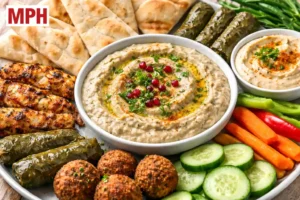
Yes, baba ganoush and hummus are often served together as part of a Mediterranean mezze platter.
Why They Work Well Together
- Hummus adds richness and protein
- Baba ganoush adds smokiness and lightness
- The textures balance each other
- The flavors complement rather than compete
Best Way to Serve Them Together
- With warm pita bread
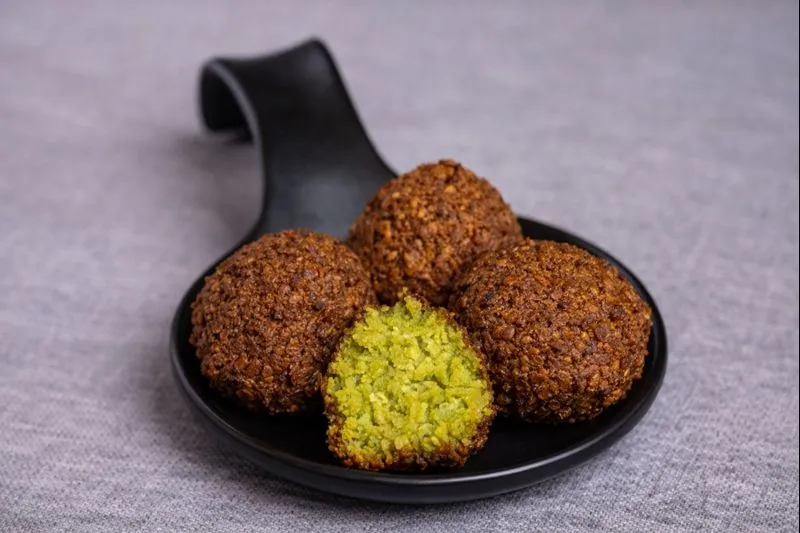
- Alongside falafel or grilled meats
- With fresh vegetables like cucumbers and carrots
- As part of a shared appetizer spread
Serving both creates a more complete and balanced experience.
What Does “Baba Ganoush” Mean and Where Does It Come From?
“Baba ganoush” comes from Arabic and roughly translates to “pampered father” or “spoiled daddy.” The name reflects how rich and enjoyable the dish is, often associated with something made to delight or impress.
Origin of Baba Ganoush and Hummus
- Baba ganoush: originates from the Levant (Lebanon, Syria, Palestine)
- Hummus: widely associated with Middle Eastern cuisine, especially Lebanon
Both are staples of Mediterranean and Middle Eastern food culture and have been enjoyed for generations.
How to Eat Baba Ganoush and Hummus (Best Pairings)
Knowing how to eat these dips makes a big difference in how much you enjoy them.
How to Eat Hummus
Hummus works best with:
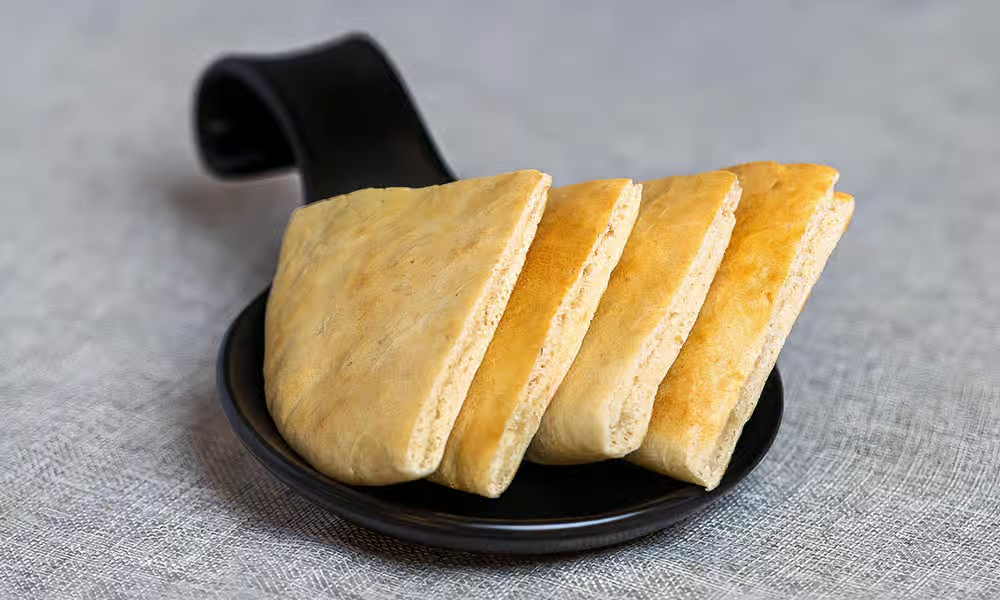
- Warm pita bread
- Falafel
- Chicken shawarma
- Grilled meats
- Fresh salads
It’s also perfect as a spread inside wraps or bowls.
How to Eat Baba Ganoush
- Warm pita
- Grilled vegetables
- Steak or chicken dishes
- Mezze platters
- Fresh herbs and salads
It’s lighter, so it complements heavier dishes without overpowering them.
Baba Ganoush vs Hummus – Frequently Asked Questions
Is baba ganoush healthier than hummus?
Yes, baba ganoush is often healthier if you want fewer calories and carbs. It’s made from eggplant, which is naturally low in calories. However, hummus is healthier if you need more protein.
Can you freeze baba ganoush?
Yes, you can freeze baba ganoush, but the texture may change slightly after thawing. It’s best enjoyed fresh for the best flavor and consistency.
Is baba ganoush keto-friendly?
Yes, baba ganoush is generally more keto-friendly than hummus because it contains fewer carbs. However, portion size still matters.
What is baba ganoush similar to?
Baba ganoush is similar to hummus in appearance and use, but closer in texture to roasted vegetable dips. It shares ingredients like tahini and lemon but has a completely different flavor profile.
Is baba ganoush Greek or Middle Eastern?
Baba ganoush is a Middle Eastern dish originating from the Levant region. It is commonly served across Mediterranean cuisine but is not traditionally Greek.
How is baba ganoush different from hummus?
Baba ganoush is made from roasted eggplant, while hummus is made from chickpeas. Baba ganoush is smoky, silky, and lower in calories; hummus is creamy, protein-rich, and more filling. Both use tahini, lemon, garlic, and olive oil.
What does baba ganoush taste like?
Baba ganoush tastes smoky, silky, and slightly earthy with a mild sweetness from roasted eggplant. It’s lighter and more delicate than hummus, with bright notes of tahini and lemon.
What’s healthier than hummus?
Baba ganoush is typically lighter, with fewer calories and fewer carbs per serving. If your goal is low-calorie or low-carb eating, baba ganoush is the healthier choice. For more protein, hummus is better.
What does baba ganoush mean literally?
“Baba ganoush” translates to “pampered father” or “spoiled daddy” in Arabic — a playful name suggesting a dish so good, it was made to spoil someone in the family.
Does baba ganoush have protein?
Only a small amount. Hummus has significantly more protein because chickpeas are protein-rich.
Is hummus high in carbs?
Hummus contains more natural carbohydrates than baba ganoush because chickpeas are starchy. Baba ganoush is the lower-carb option.
Where to Find Baba Ganoush or Hummus Near You in San Diego
If you’re searching for baba ganoush near you or comparing it with hummus before ordering, the most important thing is freshness.
Baba ganoush should be:
- Smooth and silky
- Slightly smoky from roasted eggplant
- Balanced with tahini, garlic, and lemon
Hummus should be:
- Creamy and rich
- Well-balanced with tahini and lemon
- Freshly prepared, not overly thick or dry
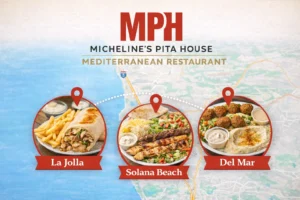
At Micheline’s Pita House, both dips are made fresh daily using traditional Mediterranean methods and high-quality ingredients. Whether you’re craving a light, smoky dip or a protein-rich classic, you can enjoy both exactly as they’re meant to be served.
You can find freshly made baba ganoush and hummus at all three locations:
Or order online for pickup and catering.
Final Verdict: Baba Ganoush vs Hummus — Which One Should You Choose?
Baba ganoush vs hummus isn’t about which one is better overall. It’s about what you’re looking for.
- Choose baba ganoush if you want something lighter, lower in calories, and smoky
- Choose hummus if you want something creamy, filling, and higher in protein
Both are:
- Healthy
- Plant-based
- Rich in Mediterranean flavor
- Perfect for sharing
The Best Choice?
Try both, that’s how Mediterranean food is meant to be enjoyed — as a balance of flavors, textures, and experiences.
Whether you’re building a mezze platter, ordering a side, or catering for a group, combining baba ganoush and hummus gives you the best of both worlds.