Hummus is a smooth, savory Middle Eastern and Mediterranean dip made from cooked chickpeas, tahini, lemon juice, garlic, olive oil, and salt. It is commonly served with warm pita bread, fresh vegetables, falafel, grilled meats, wraps, bowls, or mezze platters.
Hummus tastes creamy, nutty, earthy, slightly tangy, and mildly garlicky. It is usually vegetarian, vegan, dairy-free, egg-free, and naturally made without gluten-containing ingredients, although pita bread is not gluten-free. Because hummus contains chickpeas and tahini, it provides plant-based protein, fiber, carbohydrates, and healthy fats in one simple dish.
What Does Hummus Mean?
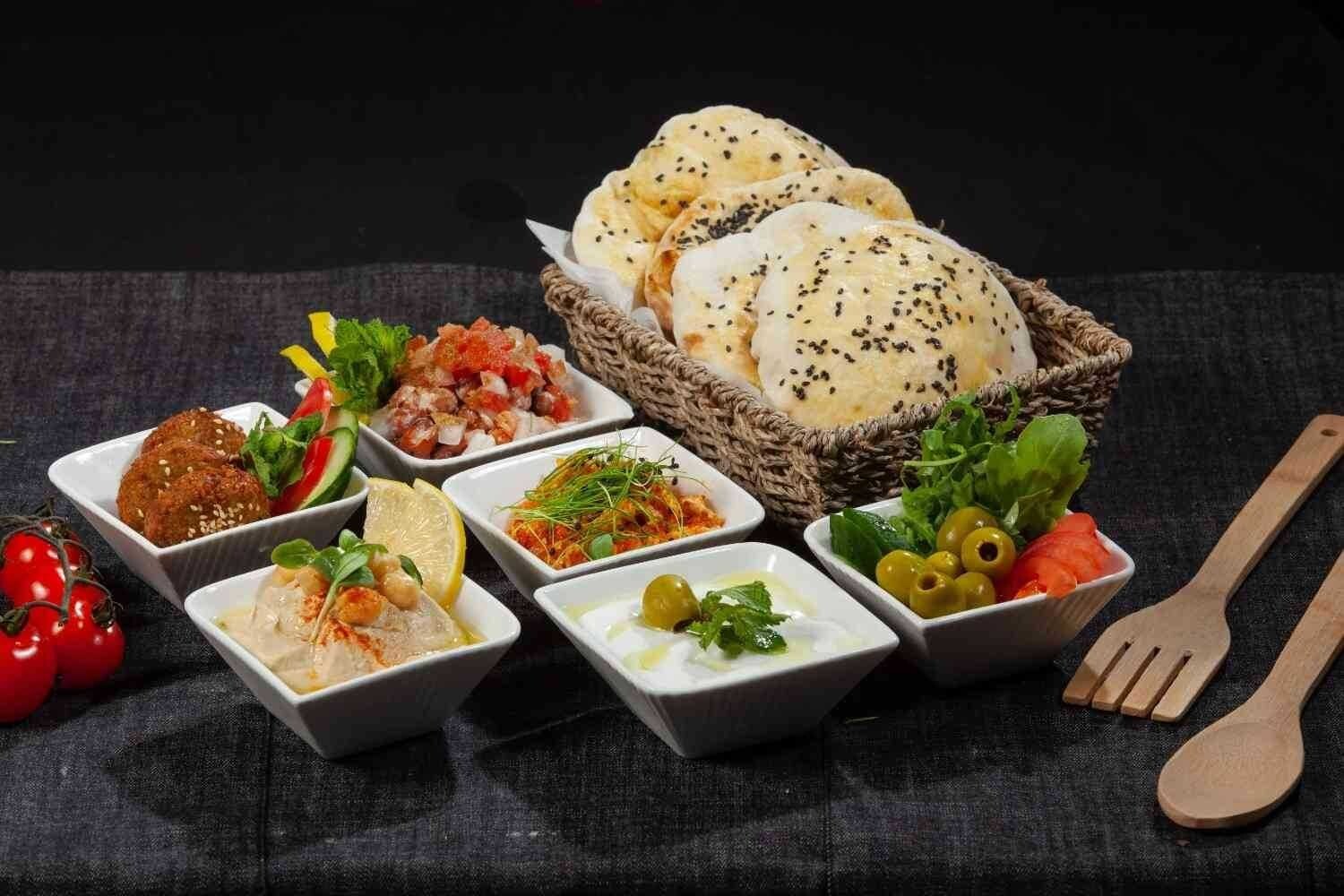
Hummus is a traditional Middle Eastern dip made by blending cooked chickpeas with tahini, fresh lemon juice, garlic, olive oil, and a pinch of salt. Known for its smooth texture and rich, nutty flavor, it is commonly served as a mezze with warm pita bread, fresh vegetables, or as a flavorful spread for wraps and sandwiches.
What is the meaning of hummus؟
The term “hummus” is the Arabic word for chickpeas, the main ingredient in the dish. The traditional Arabic name refers to chickpeas prepared with tahini, highlighting the simple combination that defines authentic hummus.
Main Ingredients
Classic hummus is prepared using a handful of wholesome ingredients:
- Chickpeas: The creamy base that provides a mild, earthy flavor.
- Tahini: Sesame seed paste that adds richness and a velvety texture.
- Lemon Juice: Brings freshness and balances the flavors.
- Garlic: Enhances the dip with a subtle savory kick.
- Olive Oil & Salt: Complete the recipe and are often added as a finishing touch.
Nutritional Benefits
Hummus is a nutritious choice that offers plant-based protein, dietary fiber, and heart-healthy fats. It also supplies essential nutrients such as iron, folate, magnesium, and manganese, making it a satisfying addition to a balanced diet.
Popular Hummus Flavors
Although the traditional recipe remains a favorite, many creative variations are widely enjoyed, including:
- Roasted red pepper hummus
- Roasted garlic hummus
- Spicy hummus with chili
- Herb-infused hummus with parsley or cilantro
- Beetroot or avocado hummus for a colorful twist
Is Olive Oil Blended Into Hummus?
Olive oil can be blended into hummus, but it is often used as a topping instead. In many traditional preparations, hummus is spread in a shallow bowl, finished with a drizzle of olive oil, and garnished with paprika, parsley, whole chickpeas, or spices.
This is one reason hummus nutrition can vary. A recipe with more olive oil and tahini will usually be richer and higher in calories than a lighter recipe made with more chickpeas, lemon juice, and water.
What Does Hummus Taste Like?
Hummus tastes creamy, nutty, savory, earthy, slightly tangy, and mildly garlicky. It should not taste strongly sweet, sour, bitter, or spicy unless extra flavorings are added.
Each ingredient shapes the taste:
- Chickpeas create a mild, earthy base.
- Tahini adds a nutty sesame flavor.
- Lemon juice gives hummus a bright tang.
- Garlic adds savory sharpness.
- Olive oil adds richness.
- Salt makes the flavor feel complete.
For someone trying hummus for the first time, the closest description is a creamy savory bean dip with a nutty sesame finish and a light lemon-garlic flavor. It is usually milder than salsa, lighter than cheese dip, and smoother than most bean spreads.
What Texture Should Hummus Have?
Good hummus should be smooth, creamy, light, and easy to scoop. It should hold its shape on a plate without feeling dry, chalky, grainy, or stiff.
Texture depends on the chickpeas, tahini, water, and blending method. Very soft chickpeas create smoother hummus. High-quality tahini makes the texture richer. Cold water or ice water can help loosen the dip and make it fluffier. Longer blending usually creates a silkier result.
Restaurant hummus often tastes smoother than packaged hummus because it can be prepared fresh and adjusted before serving. Packaged hummus may be thicker because it needs to hold texture during storage and transport.
Is Hummus Healthy?
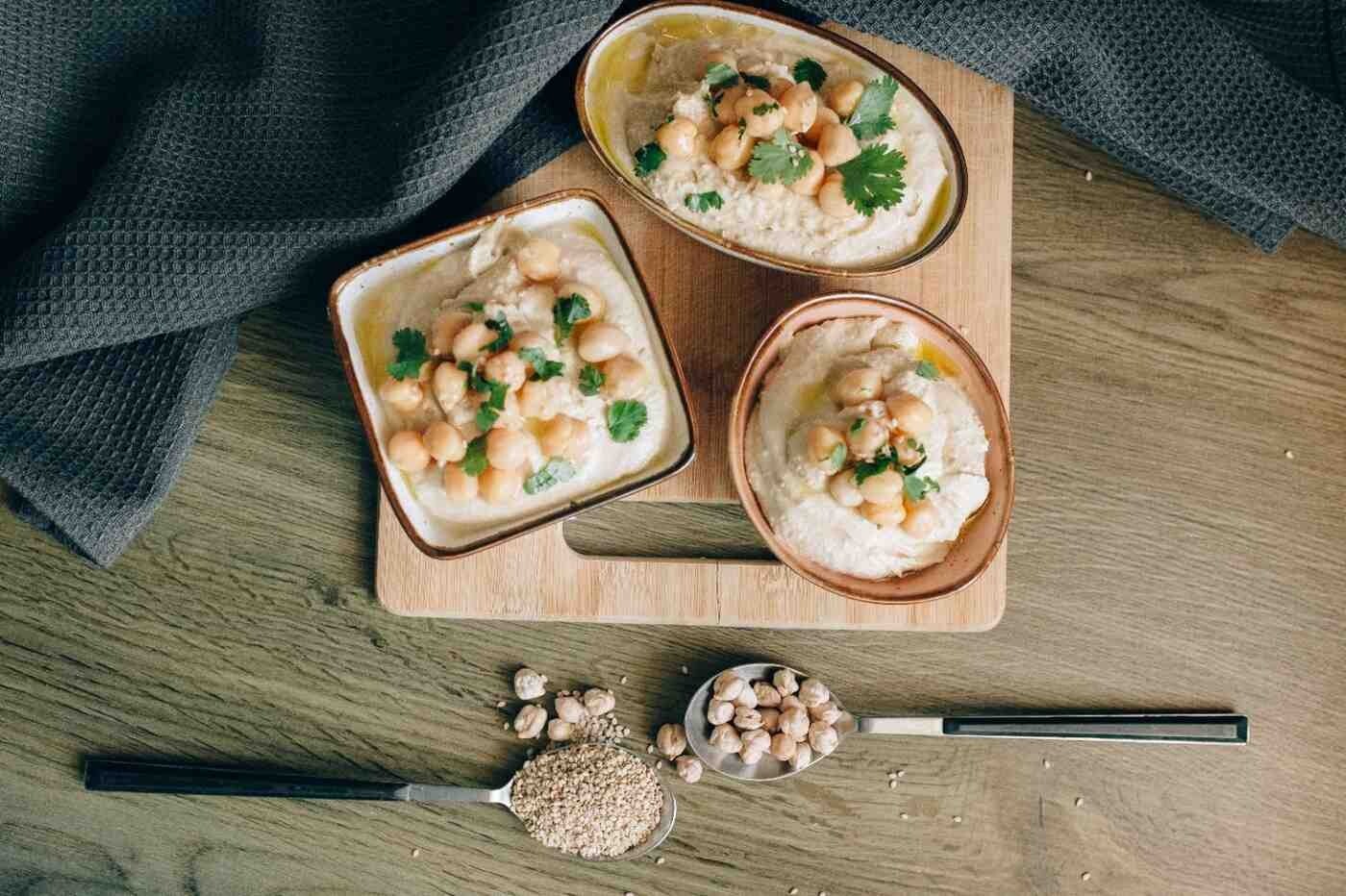
Hummus can be a healthy snack, side dish, or spread when eaten in a reasonable portion. It contains chickpeas, tahini, olive oil, lemon juice, and garlic, which together provide plant-based protein, fiber, unsaturated fats, and micronutrients.
Hummus is not automatically unhealthy, but it can become calorie-dense if eaten in large amounts or paired mostly with chips, fried pita, or heavy toppings. A practical serving is often 2 to 4 tablespoons, depending on the meal. For a lighter snack, pair hummus with cucumbers, carrots, bell peppers, tomatoes, or other fresh vegetables.
Typical Hummus Nutrition
Nutrition varies by recipe, serving size, brand, and restaurant preparation. USDA FoodData Central is a useful reference for food composition data, but homemade and restaurant hummus can differ because the chickpea-to-tahini-to-oil ratio changes from recipe to recipe.
A typical 2-tablespoon serving of hummus may provide approximately:
| Nutrient | Typical Range |
| Calories | About 50–80 calories |
| Protein | About 1–3 grams |
| Carbohydrates | About 4–7 grams |
| Fiber | About 1–2 grams |
| Fat | About 2–6 grams |
| Sodium | Varies widely by recipe or packaged brand |
These numbers are general estimates, not a fixed nutrition label. Fresh restaurant hummus, homemade hummus, and packaged hummus can all have different values.
Is Hummus High in Protein?
Hummus contains plant-based protein, but a small serving is not usually a high-protein food by itself. Chickpeas provide protein and fiber, while tahini adds additional fat and some protein.
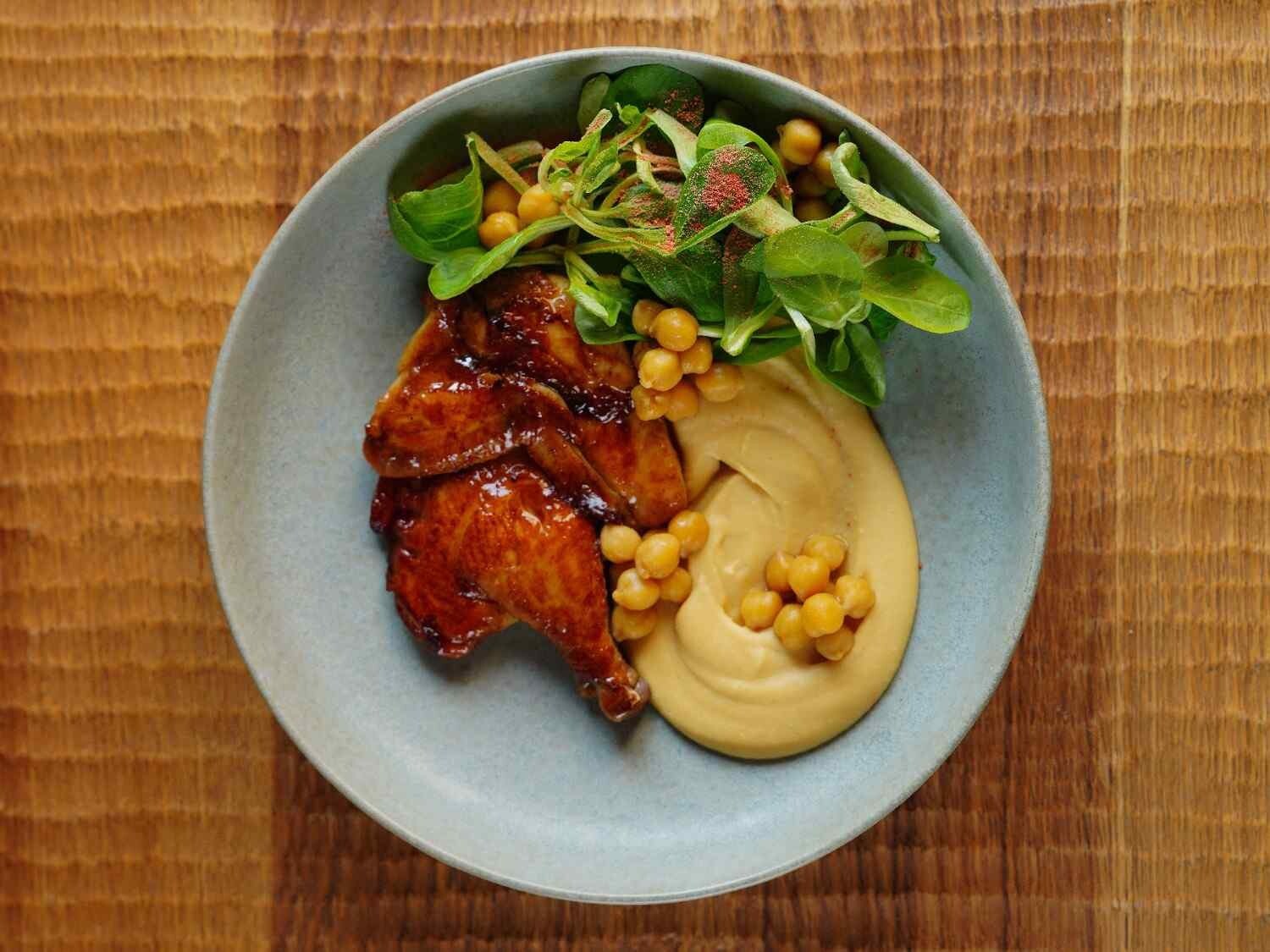
Hummus becomes more useful as part of a protein-containing meal when it is paired with falafel, grilled chicken, beef, lamb, eggs, lentils, beans, whole grains, or a Mediterranean bowl. If your goal is a high-protein meal, use hummus as one part of the plate rather than the only protein source.
What Food Group Is Hummus In?
Hummus can contribute to the beans, peas, and lentils category. Since chickpeas are legumes, hummus may count toward vegetables or protein foods depending on how the rest of the meal is counted.
Hummus is not a grain, dairy product, fruit, meat, or cheese. It is also not technically a vegetable by itself, even though chickpeas may count within vegetable guidance. A clear way to describe it is: hummus is a chickpea-based legume dip that can contribute plant protein, fiber, and carbohydrates.
Is Hummus Processed?
Hummus is processed in the basic sense that chickpeas are cooked and blended. That does not automatically make it unhealthy. Fresh hummus made from chickpeas, tahini, lemon juice, garlic, olive oil, and salt is a minimally processed prepared food.
Packaged hummus may include extra oils, preservatives, acidity regulators, stabilizers, flavorings, or higher sodium. That does not mean all store-bought hummus is bad, but it does mean labels matter. Check the ingredient list, sodium level, serving size, and type of oil when choosing packaged hummus.
Fresh restaurant hummus can be a simpler option when made from recognizable ingredients and served without unnecessary additives.
Is Hummus Vegan, Vegetarian, Dairy-Free, and Egg-Free?
Traditional hummus is vegan, vegetarian, dairy-free, egg-free, and made without meat or animal products. The classic ingredients are chickpeas, tahini, lemon juice, garlic, olive oil, and salt.
However, flavored hummus can vary. Some modern versions may include yogurt, cheese, pesto, or other additions. If you follow a strict vegan, vegetarian, dairy-free, or egg-free diet, always check packaged labels or ask the restaurant.
Does Hummus Contain Gluten?
Traditional hummus is made without gluten-containing ingredients. Chickpeas, tahini, lemon juice, garlic, olive oil, and salt are naturally gluten-free ingredients.
The issue is usually what comes with the hummus. Pita bread contains wheat, and restaurant cross-contact may matter for people with celiac disease or serious gluten sensitivity. If gluten is a medical concern, ask about preparation practices and choose vegetables or verified gluten-free sides instead of pita.
Does Hummus Contain Sesame, Dairy, Eggs, Nuts, or Celery?
Traditional hummus contains sesame because tahini is made from sesame seeds. In the U.S., the FDA identifies sesame as the ninth major food allergen, and packaged foods must label sesame as an allergen.
Classic hummus does not usually contain dairy, eggs, peanuts, tree nuts, or celery. Still, flavored versions and packaged brands can vary, so people with allergies should check labels and ask about cross-contact before ordering.
Is Hummus OK for Diabetics?
Hummus may fit into a diabetes-conscious meal for many people, but portion size and pairings matter. Chickpeas contain carbohydrates, but they also provide fiber and some protein, which can make hummus more balanced than many sugary or refined-carb snacks.
The CDC recommends using the plate method to balance vegetables, protein, and carbohydrate foods in diabetes meal planning. For hummus, that could mean pairing a moderate portion with non-starchy vegetables, salad, grilled protein, or a balanced Mediterranean plate instead of eating a large amount with only pita chips.
Anyone managing diabetes should follow guidance from their doctor or registered dietitian, especially if they count carbohydrates closely.
What Are the Benefits of Hummus?
Hummus can support a balanced diet because it combines legumes, sesame, olive oil, lemon, and garlic in one versatile food.
| Benefit | Why It Matters |
| Plant-based protein | Chickpeas and tahini provide some protein |
| Fiber | Chickpeas help make hummus more filling |
| Healthy fats | Tahini and olive oil provide unsaturated fats |
| Versatility | Works as a dip, spread, side, or bowl base |
| Dietary flexibility | Usually vegan, vegetarian, dairy-free, and egg-free |
| Mediterranean-style eating | Fits naturally with vegetables, legumes, grains, and olive oil |
| Better snack option | Can replace heavier creamy dips or mayonnaise-style spreads |
The healthiest way to eat hummus is to treat it as part of a balanced plate. Pair it with fresh vegetables, lean protein, whole grains, or Mediterranean sides rather than eating it only with salty chips.
Is Hummus Filling?
Yes, hummus can be filling because it combines fiber, carbohydrates, fat, and some protein. Chickpeas give it more staying power than many thin dips or sauces. Tahini and olive oil add richness, which can make a small amount feel satisfying.
For a more filling meal, pair hummus with vegetables, pita, falafel, chicken, shawarma, rice, salad, or grilled vegetables.
Where Does Hummus Come From?
Hummus comes from the Middle East and is closely associated with Levantine and broader Mediterranean food traditions. It has deep roots across countries and cultures including Lebanon, Palestine, Syria, Israel, Jordan, Egypt, Turkey, Greece, and surrounding regions.
No single modern country can be credited as the only origin of hummus. It is better understood as a shared regional food with a long history, many local versions, and strong cultural meaning.
Today, hummus is eaten around the world. In the U.S., it is commonly served as an appetizer, snack, vegetarian spread, party dip, or side dish in Mediterranean restaurants.
Is Hummus Mediterranean?
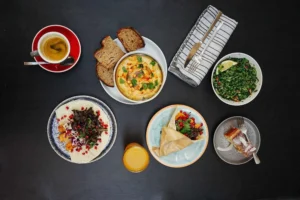
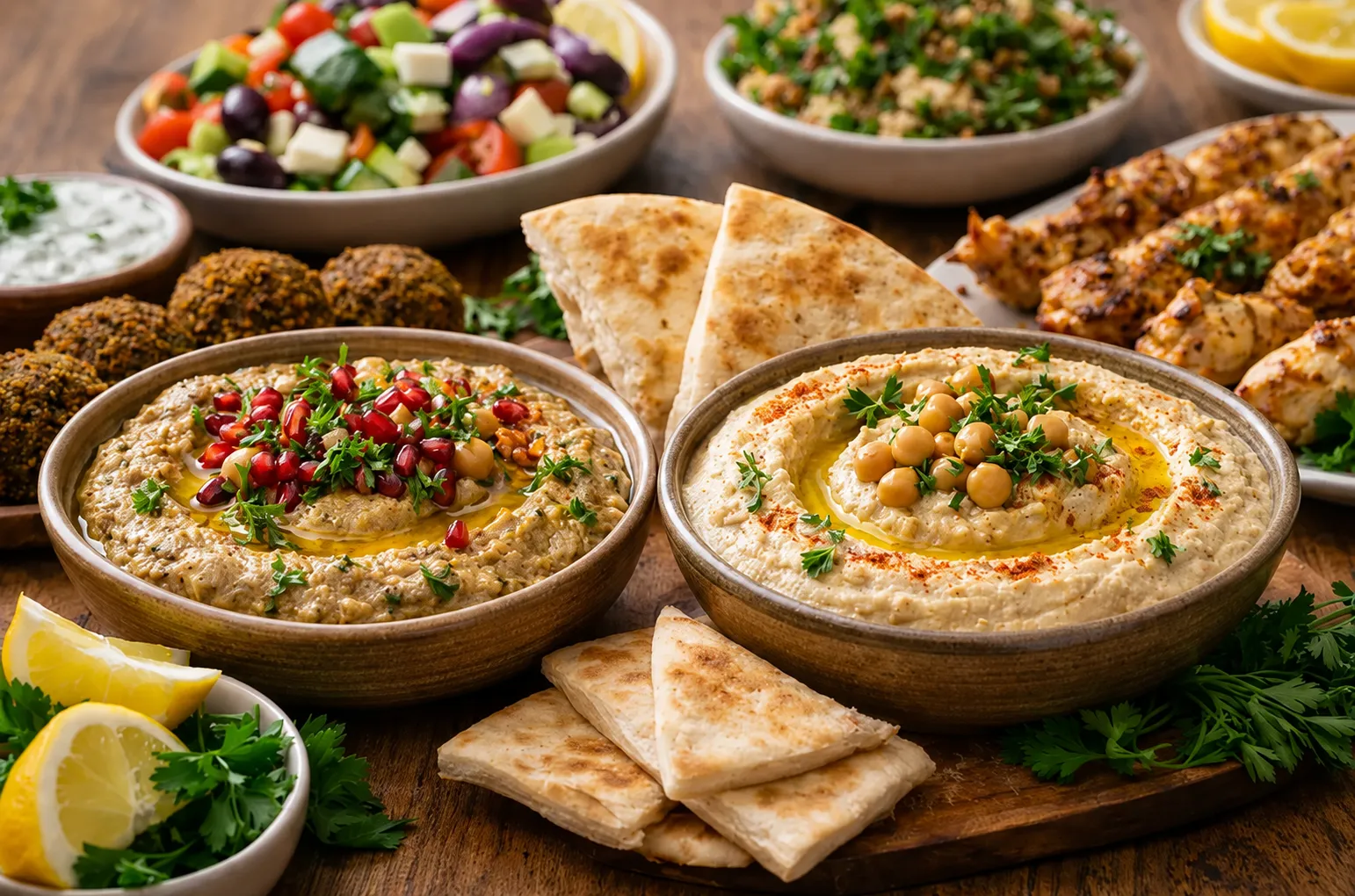
Yes, hummus is widely considered a Mediterranean and Middle Eastern food. It is especially common in Levantine cuisine and is often served as part of a mezze spread with pita, falafel, baba ganoush, tabbouleh, olives, pickles, grilled meats, and salads.
In Mediterranean-style meals, hummus works because it combines legumes, olive oil, sesame, lemon, and garlic. Those ingredients pair naturally with vegetables, grains, grilled proteins, and fresh herbs.
Different Types of Hummus
Classic hummus is made with chickpeas and tahini, but many variations use extra ingredients for color, heat, sweetness, or texture.
Popular types include:
| Type | Description |
| Classic hummus | Chickpeas, tahini, lemon, garlic, olive oil, and salt |
| Roasted red pepper hummus | Slightly sweet and smoky from roasted peppers |
| Roasted garlic hummus | Milder, sweeter garlic flavor |
| Spicy hummus | Includes chili, harissa, hot sauce, or jalapeño |
| Herb hummus | Uses parsley, cilantro, basil, dill, or mint |
| Beet hummus | Earthy flavor and bright pink color |
| Avocado hummus | Creamier and richer with avocado |
| Black bean hummus | A non-traditional variation using black beans |
| Lemon hummus | Brighter, more citrus-forward flavor |
| Olive hummus | Salty, briny Mediterranean flavor |
How Is Hummus Made?
Hummus is made by blending cooked chickpeas with tahini, lemon juice, garlic, salt, and a little water or olive oil until smooth. The goal is a creamy dip that is rich but not heavy, bright but not sour, and smooth enough to scoop easily.
Basic hummus method:
- Cook chickpeas until very soft or use well-rinsed canned chickpeas.
- Blend tahini and lemon juice first to create a creamy base.
- Add garlic and salt.
- Add chickpeas and blend until smooth.
- Add cold water slowly to adjust texture.
- Taste and adjust lemon, salt, garlic, or tahini.
- Spread in a shallow bowl.
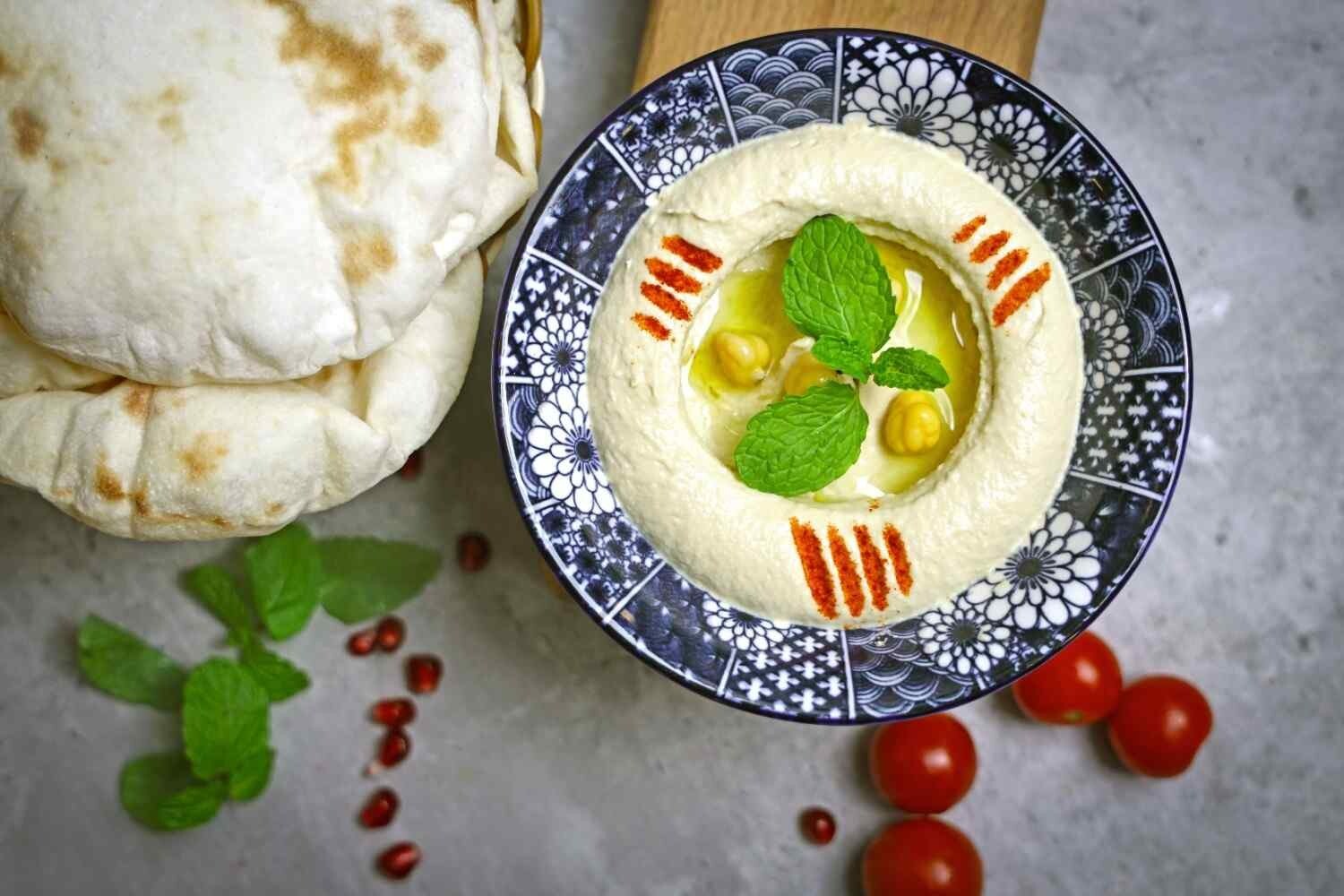
- Top with olive oil, paprika, parsley, or whole chickpeas.
Tips for Smooth and Creamy Hummus
For smoother hummus:
- Cook chickpeas until very soft.
- Remove chickpea skins if you want an extra-silky texture.
- Blend tahini and lemon juice before adding chickpeas.
- Add ice-cold water slowly while blending.
- Blend longer than you think you need.
- Use fresh lemon juice, not bottled lemon flavoring.
- Choose smooth, high-quality tahini.
- Let the hummus rest so the flavors come together.
If hummus tastes flat, it may need more salt or lemon. If it tastes bitter, the tahini may be too strong or the garlic may be harsh. If it is too thick, add cold water a spoonful at a time.
How Is Hummus Traditionally Served?
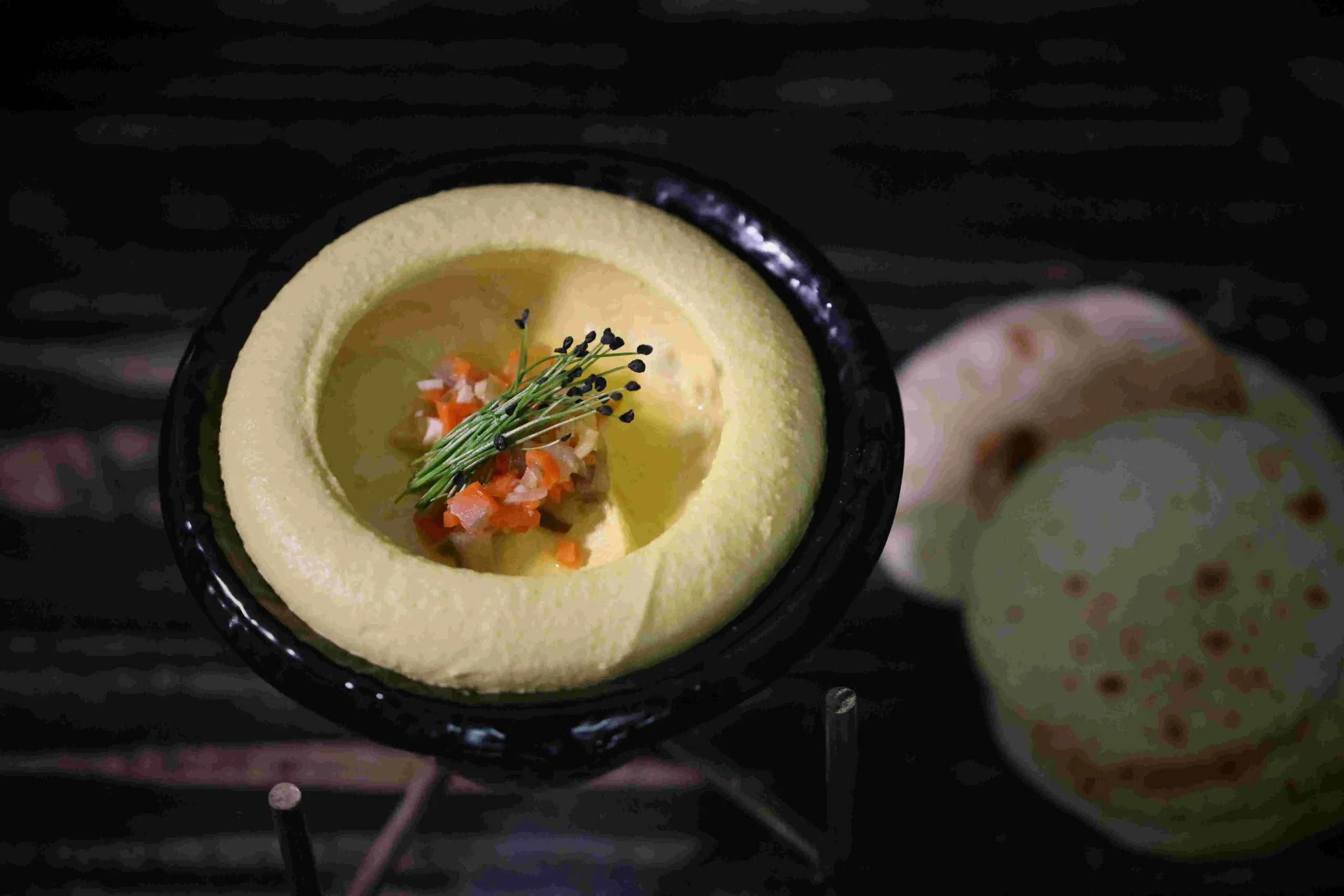
Hummus is traditionally served in a shallow bowl or plate with a small well in the center. Olive oil is drizzled over the top, and garnishes may include paprika, parsley, cumin, sumac, pine nuts, whole chickpeas, or warm toppings.
It is commonly served with:
- Warm pita bread
- Fresh vegetables
- Falafel
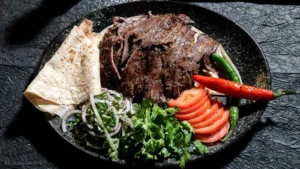
- Shawarma
- Kabobs
- Grilled chicken
- Pickles and olives
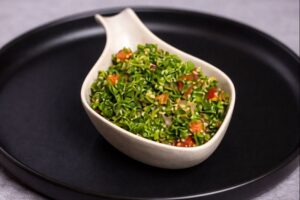
- Tabbouleh
- Baba ganoush
- Rice bowls
- Mediterranean salads
Hummus can be an appetizer, side dish, snack, or part of a complete meal.
Whether you’re craving a light snack or a complete meal, Micheline’s Pita House offers freshly prepared hummus served with warm pita and a selection of classic Mediterranean dishes.
What to Eat With Hummus
Hummus goes with more than pita. Its creamy texture and mild flavor make it one of the most flexible Mediterranean foods.
| What to Eat With Hummus | Why It Works |
| Pita bread | Classic warm, soft pairing |
| Pita chips | Crunchy snack option |
| Cucumbers | Fresh, light, and crisp |
| Carrots | Sweet crunch balances savory hummus |
| Bell peppers | Juicy and colorful |
| Falafel | Classic chickpea-on-chickpea pairing |
| Grilled chicken | Adds lean protein |
| Shawarma | Rich meat pairs well with creamy hummus |
| Rice bowls | Hummus works as a creamy sauce |
| Wraps | Replaces mayo or heavier spreads |
| Salads | Adds creaminess and flavor |
| Roasted vegetables | Adds depth and Mediterranean flavor |
You can also eat hummus on its own, but most people enjoy it more with something crunchy, warm, fresh, or protein-rich.
Hummus With Pita Near Me in San Diego
Fresh hummus served with warm pita bread is a staple of Mediterranean cuisine and one of the most popular menu items for anyone looking for an authentic and flavorful meal.
At Micheline’s Pita House, hummus is served as part of a broader Mediterranean menu built around fresh pita, salads, sauces, grilled proteins, and vegetarian-friendly options. The restaurant’s brand mission focuses on authentic Mediterranean cuisine, quality ingredients, healthy meals, and vegan and vegetarian variety.
Guests can enjoy hummus with pita, falafel, grilled meats, bowls, salads, and mezze-style combinations. MPH serves San Diego-area guests through locations including La Jolla, Del Mar, and Solana Beach, making it relevant for local searches around hummus, pita, Mediterranean food, and catering.
Hummus vs Baba Ganoush
Hummus and baba ganoush are both creamy Middle Eastern dips, but they are not the same. Hummus is made from chickpeas, while baba ganoush is made from roasted eggplant.
| Feature | Hummus | Baba Ganoush |
| Main ingredient | Chickpeas | Roasted eggplant |
| Flavor | Creamy, nutty, earthy | Smoky, tangy, roasted |
| Texture | Thick and smooth | Lighter and softer |
| Protein | Usually higher | Usually lower |
| Carbohydrates | Usually higher | Usually lower |
| Best with | Pita, falafel, wraps, bowls | Pita, vegetables, grilled meats, mezze |
Choose hummus when you want a creamy chickpea spread. Choose baba ganoush when you want a smoky eggplant dip. Choose both when you want a complete mezze experience.
How Long Does Hummus Last?
Hummus should be refrigerated unless the package says it is shelf-stable before opening. Fresh or homemade hummus should be stored in a clean, sealed container in the refrigerator.
Discard hummus if you notice:
- Mold
- A sour or fermented smell
- Unusual discoloration
- A swollen package
- A sharp or unpleasant taste
- A texture that seems unsafe or spoiled
Some water or oil separation is normal and can often be stirred back in. When in doubt, do not taste hummus to test safety. Throw it away.
Enjoy Fresh Hummus at Micheline’s Pita House
At Micheline’s Pita House, hummus is prepared fresh and served with warm pita bread for a classic Mediterranean experience. Whether you’re stopping by for a quick bite or a full meal, it’s a favorite choice alongside our grilled meats, falafel, and other traditional dishes.
- Freshly prepared hummus with a smooth, creamy texture.
- Served with warm pita bread and fresh vegetables.
- Pairs perfectly with falafel, shawarma, grilled chicken, kabobs, and rice bowls.
- Made using traditional Mediterranean flavors for an authentic taste.
- Great as a dip, spread, appetizer, or part of a mezze platter.
- Vegetarian-friendly options available alongside a wide selection of Mediterranean dishes.
Visit Micheline’s Pita House to enjoy fresh hummus and experience authentic Mediterranean cuisine made with quality ingredients and served in a warm, welcoming atmosphere.
Frequently Asked Questions About Hummus
Is hummus an unhealthy snack?
No, hummus is not unhealthy by default. It can be a nutritious snack because it contains chickpeas, fiber, plant-based protein, and healthy fats, but portion size, sodium, and what you eat with it matter.
Is hummus vegetarian?
Yes, traditional hummus is vegetarian. It is also usually vegan, dairy-free, and egg-free because it is made from plant-based ingredients.
Can you eat hummus on its own?
Yes, you can eat hummus on its own, but it is usually served with pita, vegetables, falafel, grilled meats, salads, or bowls.
What goes with hummus?
Hummus goes well with pita bread, cucumbers, carrots, bell peppers, falafel, shawarma, grilled chicken, salads, rice bowls, pickles, olives, and roasted vegetables.
what food group does hummus fall under?
Hummus is generally classified as part of the protein foods group because it is made primarily from chickpeas, which are legumes. Depending on dietary guidelines, it may also count as a vegetable serving or a healthy dip and spread due to its plant-based ingredients.
What is hummus used for?
Hummus is used as a dip, spread, appetizer, side dish, bowl base, wrap ingredient, sandwich spread, or mezze item.