As a Mediterranean kitchen serving pita every single day, we get this question all the time: is pita bread healthy? The short answer is yes — when it’s eaten the Mediterranean way. But like most foods, context matters.
At Micheline’s Pita House, pita isn’t meant to be a heavy, carb-loaded centerpiece. It’s a supporting player — a warm, soft flatbread used to scoop hummus, wrap grilled proteins, and hold crisp vegetables together. When paired properly, pita bread can absolutely fit into a balanced, nourishing meal.
In this guide, we’ll walk through what pita bread is, how it compares nutritionally to other breads, when it’s a smart choice (and when it’s not), and how we serve it in a way that aligns with the Mediterranean diet and real-life healthy eating, especially with healthy pita bread.
What Is Pita Bread?
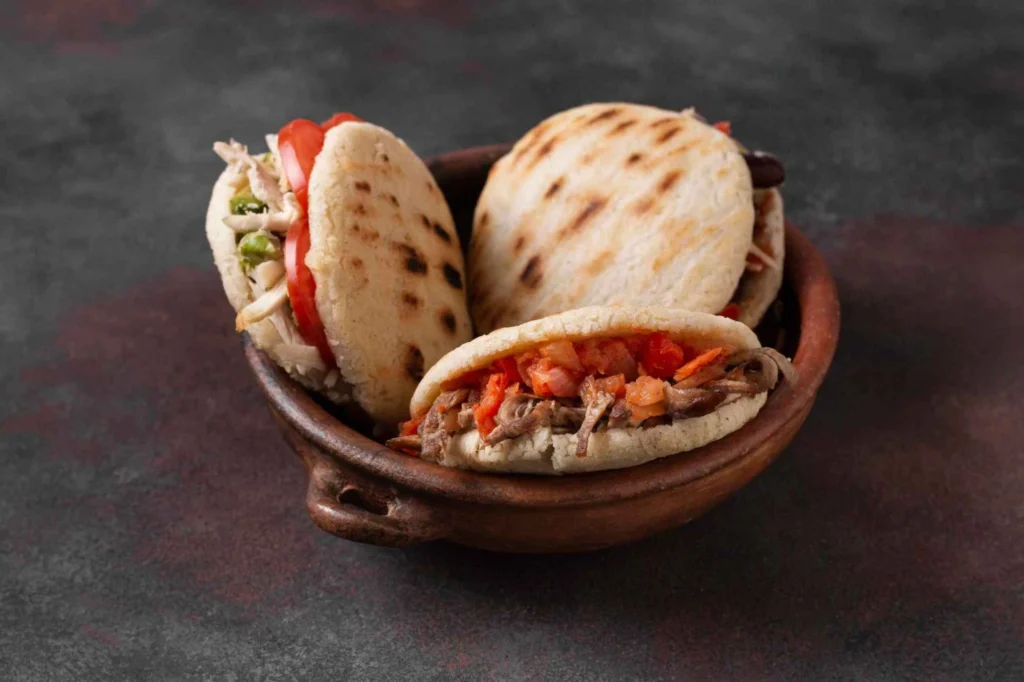
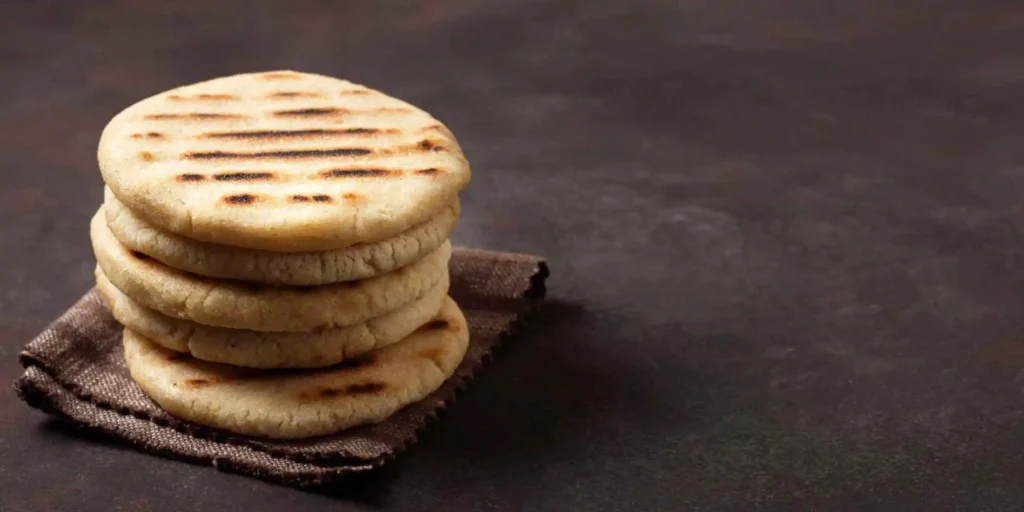
Pita bread is a traditional Mediterranean flatbread made from simple ingredients — flour, water, yeast, and salt — and baked at high heat so it puffs up and forms a natural pocket.
That pocket is what makes pita unique. Instead of piling food on top Like sliced bread, pita is designed to be a versatile option in a healthy diet. hold fillings inside, making it ideal for balanced meals built around protein, vegetables, and healthy fats.
Where Pita Bread Comes From
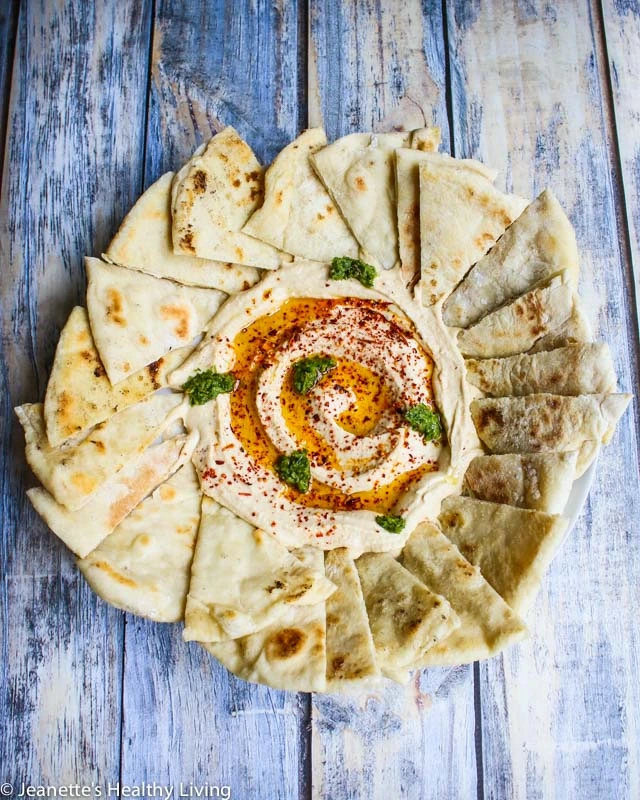
Pita has been a staple across the Eastern Mediterranean and Middle East for centuries. You’ll find versions of it in Lebanese, Syrian, Palestinian, and Greek cuisines — long before nutrition labels existed. Traditionally, it was never eaten alone, often accompanied by other healthy pita bread options. It was always served alongside vegetables, legumes, olive oil, yogurt, or grilled meats.
This matters, because when people ask “is Arabic bread healthy?” or “is Syrian bread healthy?”, the real answer depends on how it’s eaten, not just what it’s made from.
What’s Inside Pita Bread?
At its core, pita bread ingredients are refreshingly simple:
- Flour (white or whole wheat)
- Water
- Yeast
- Salt can be a concern in various types of bread.
Whole wheat or whole grain pita uses less-refined flour, which means more fiber and better blood sugar balance. White pita is softer and lighter, but nutritionally less robust.
From a kitchen perspective, pita’s simplicity is part of its strength. There’s no heavy fat content, no sugar-forward profile, and no need for preservatives when it’s made fresh.
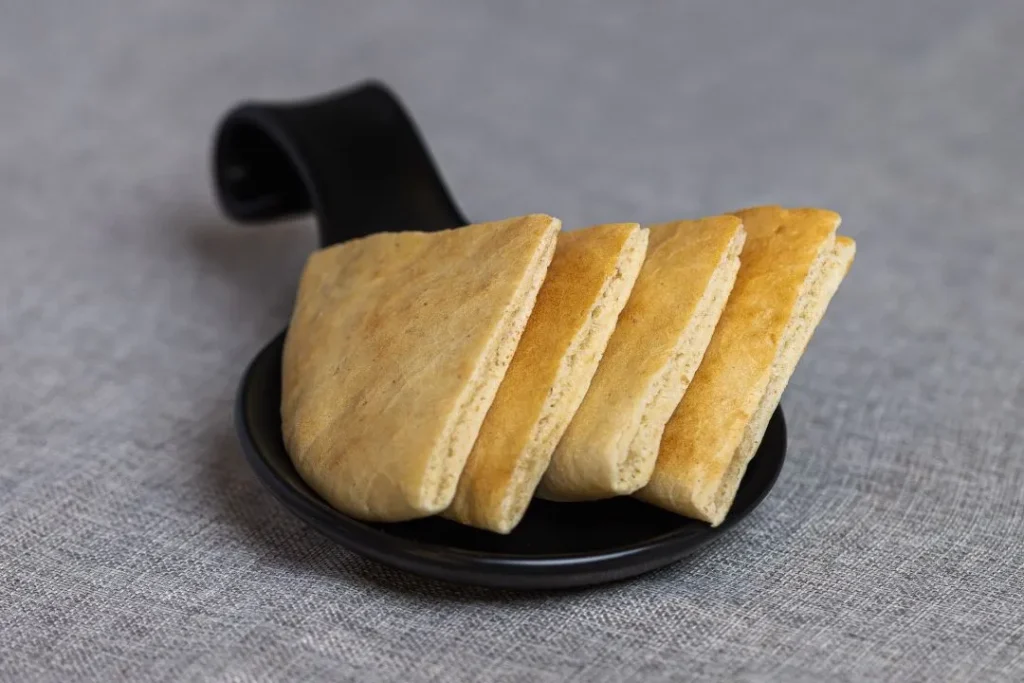
Why Pita Is Different From Other Flatbreads
Compared to naan or thicker flatbreads, pita is:
- Lower in fat
- Thinner and lighter
- Designed for portion control, healthy pita bread can help you meet your health goals. through its pocket structure
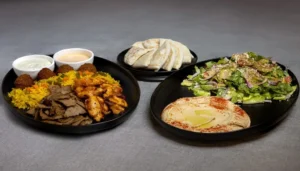
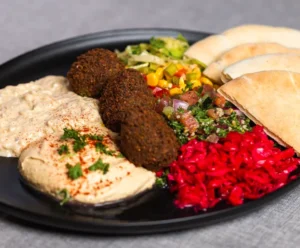
That design naturally encourages balance — especially when filled with foods like Classic Hummus, Falafel, or grilled proteins instead of heavy sauces.
Is Pita Bread Healthy or Unhealthy?
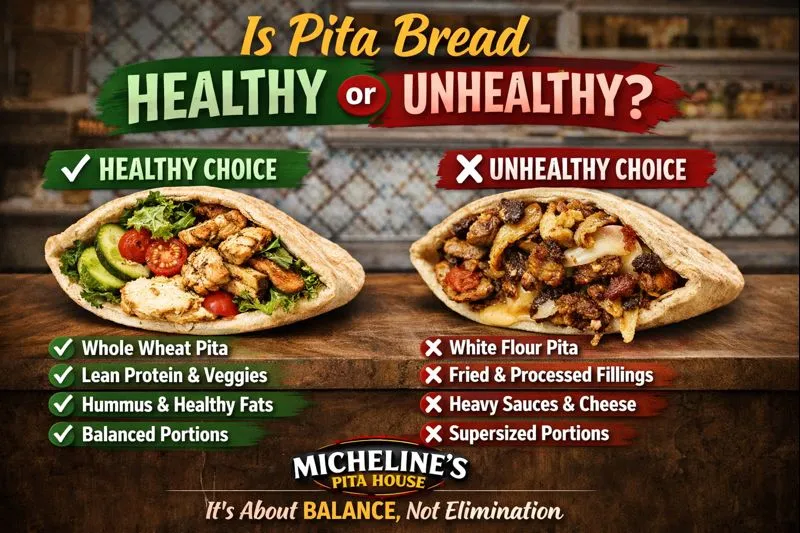
Pita bread is healthy when it’s used as part of a balanced meal, not eaten on its own or overloaded with processed fillings.
That’s the Mediterranean reality — and it’s how pita has been eaten for generations.
At Micheline’s, pita is never treated like a stand-alone carb. It’s a vehicle for vegetables, legumes, and protein, which changes its nutritional impact completely.
When Pita Bread Is a Healthy Choice
Pita bread works well nutritionally when it’s paired with:
This is why pita fits naturally into the Mediterranean diet, which emphasizes balance rather than restriction. If you want a deeper look at that food philosophy, our guide on
→ What Is Mediterranean Food and how does it relate to healthy pita bread?
breaks it down in detail.
- Plant-based protein & fiber, like chickpeas and tahini in our
→ Classic Hummus - Lean grilled proteins are a healthier option to accompany pita bread., such as
→ Chicken Shawarma or
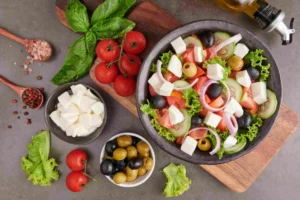
→ Ribeye Steak Shawarma - Fresh vegetables can be a great addition to any type of bread, including pita., like tomatoes, cucumbers, parsley, and onions — the same balance you’ll find in our
→ Greek Salad - Whole wheat or whole grain pita, which provides more fiber and slower digestion
When Pita Bread Becomes Less Healthy?
On the other hand, pita can lose its health edge when:
- It’s made from refined white flour only
- Portions are oversized or doubled without protein
- It’s stuffed with fried fillings and heavy sauces
- It replaces vegetables instead of complementing them
This is where people start asking “is pita bread fattening?” or “is pita bread unhealthy?” — and understandably so, as it provides more grams of fiber than many other types of bread. Like any bread, pita becomes less nutritious when it’s disconnected from balance.
Pita Bread vs. “Bread Is Bad” Thinking
One of the biggest myths we see is treating all bread as something to avoid, especially when healthier options like whole wheat pita exist. In Mediterranean cultures, bread — including pita — is shared, portioned, and paired, not eaten mindlessly.
That’s why pita often ends up being a popular choice among those who want to eat pita bread as a healthier option. healthier than regular sliced bread, especially when compared to:
- Highly processed sandwich loaves
- Sugary or preservative-heavy breads
- Thick naan-style breads made with butter or ghee
We’ll compare pita directly to naan and regular bread later in this guide — because how breads differ matters more than whether they’re “good” or “bad.”
Healthy Pita Bread Nutrition Facts (Calories, Carbs & Fiber)
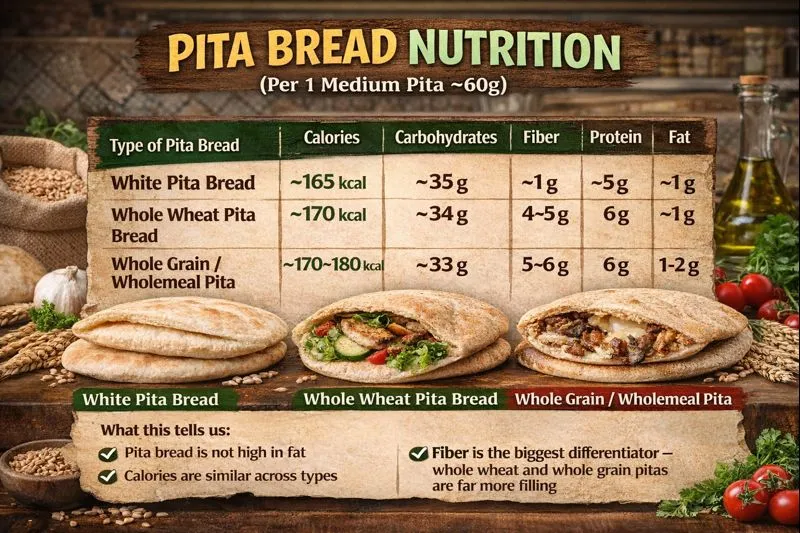
Pita bread is relatively low in fat and moderate in calories, making it one of the lighter bread options when eaten in sensible portions. Its nutritional value improves significantly when you choose whole wheat or whole grain pita and pair it with protein and vegetables.
Below is a realistic, kitchen-level comparison of common pita types you’ll see in restaurants and grocery stores.
Pita Bread Nutrition (Per 1 Medium Pita ~60g)
| Type of Pita Bread can vary, including whole wheat options. | Calories | Carbohydrates | Fiber | Protein | Fat can be an important part of a healthy diet, especially when paired with whole wheat pita. |
| White Pita Bread | ~165 kcal | ~35 g | ~1 g | ~5 g | ~1 g |
| Whole Wheat Pita Bread | ~170 kcal | ~34 g | ~4–5 g | ~6 g | ~1 g |
| Whole Grain / Wholemeal Pita | ~170–180 kcal | ~33 g | ~5–6 g | ~6 g | ~1–2 g |
What this tells us:
- Pita bread is not high in fat
- Calories are similar across types
- Fiber is the biggest differentiator — whole wheat and whole grain pitas are far more filling
This is why questions like “are pitta breads healthy?” or “is pita bread bad for you?” don’t have one-size-fits-all answers. The type of pita matters.
Whole Wheat vs White Pita: Why Fiber Changes Everything
Fiber slows digestion, supports gut health, and helps regulate blood sugar. That’s why whole wheat pita bread is usually the healthiest pita option, especially if you’re eating pita regularly.
From what we see in our restaurants, guests who choose whole wheat pita tend to:
- Feel fuller longer
- Need fewer sauces
- Build more balanced plates overall
That’s especially true when pita is paired with foods like:
- Falafel (fiber-rich legumes)
- Chicken Shawarma (lean protein)
- Classic Hummus (protein + healthy fats)
This combination is exactly why pita bread and hummus together are considered a healthy pairing, rather than an empty-carb snack.
Is Pita Bread High in Calories Compared to Other Breads?
Not really — and this surprises many people.
Compared to:
- Thick sandwich bread slices
- Butter-rich naan
- Brioche-style buns
Pita is often a preferred choice among those seeking healthy pita bread options. lighter per serving, especially because one pita replaces multiple slices of bread in a sandwich. The built-in pocket also discourages overloading.
Nutrition Depends on What Goes Inside the Pita
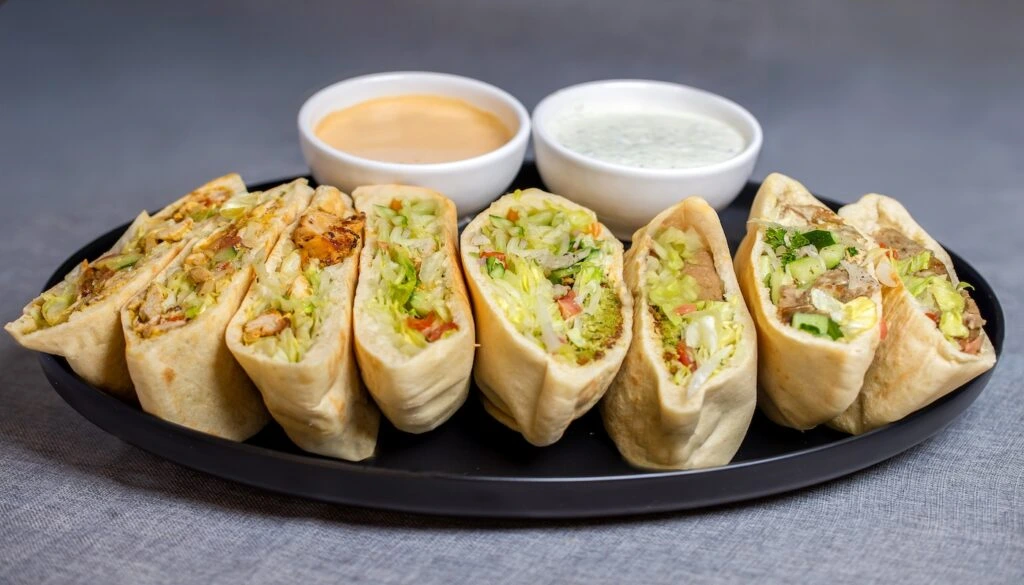
This is the part nutrition labels can’t show about the health benefits of whole grain bread and pita.
A pita filled with:
- Vegetables
- Legumes
- Lean protein
…eats very differently than pita stuffed with fried fillings and heavy sauces.
That’s why we always encourage building pita meals the Mediterranean way — the same approach we use across our menu and explain in our guide to
→ What Is Mediterranean Food
Whole Wheat vs White Pita Bread — Which Is Healthier?
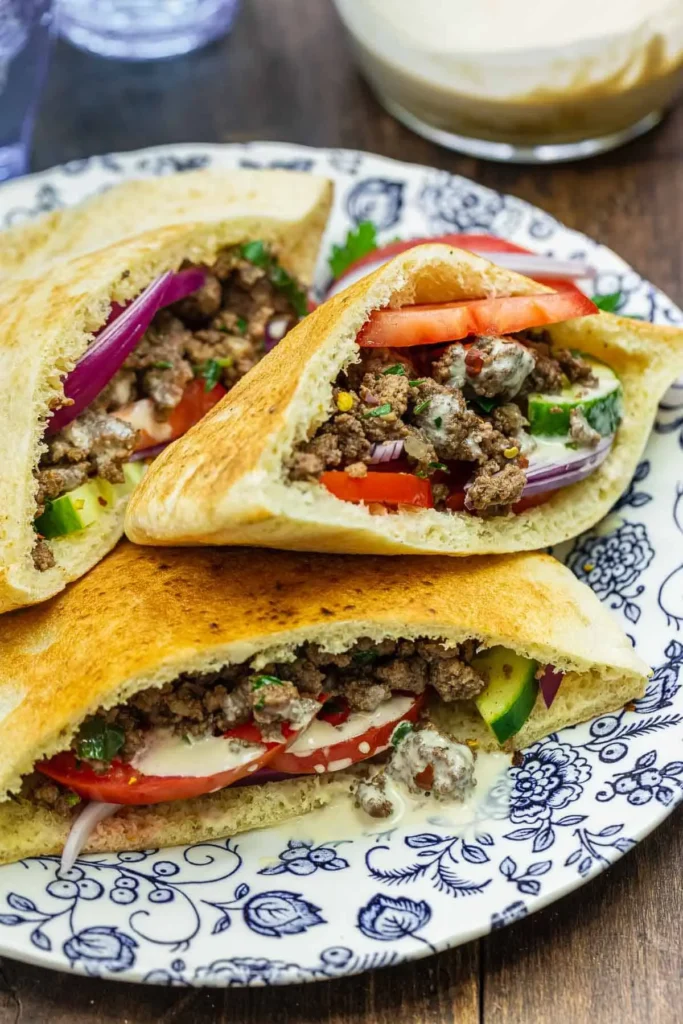
Whole wheat pita bread is healthier than white pita because it contains more fiber, digests more slowly, and keeps you full longer. That difference may look small on a label, but it has a big impact on how pita fits into everyday eating.
This is one of the most common follow-up questions we hear after “is pita bread healthy?” — especially from guests trying to eat better without giving up bread entirely, including options like pita bread.
The Real Difference Comes Down to the Grain
Here’s what actually changes when you choose whole wheat or whole grain pita instead of white pita:
- More fiber → better digestion and longer-lasting fullness
- Lower blood sugar spikes → steadier energy levels can be achieved by incorporating whole grain bread and pita into your meals.
- More nutrients → including B vitamins and minerals from the grain
White pita, while still relatively low in fat, is made from refined flour. That means much of the grain’s natural fiber has been removed, making it less filling and easier to overeat.
This is why questions like “are pitta breads fattening?” usually trace back to refined flour versions eaten in large portions, not pita itself.
Is Wholemeal or Whole Grain Pita Best?
You’ll often see labels like:
- whole wheat pita bread
- wholemeal pita
- whole grain pita bread
In practical terms, these are all better choices than white pita, as long as the grain is listed as the first ingredient.
What If You Prefer White Pita?
White pita isn’t “bad” — it’s just less forgiving.
If you choose white pita, it’s healthiest when:
- Portions are kept reasonable
- It’s filled with protein and vegetables
- It’s not paired with heavy sauces or fried fillings
In other words, white pita still works when eaten as part of a balanced meal, not as a refined-carb base.
This is exactly how pita is traditionally eaten in Mediterranean cultures — shared, filled, and balanced — not stacked or oversized.
Is Pita Bread Part of the Mediterranean Diet?
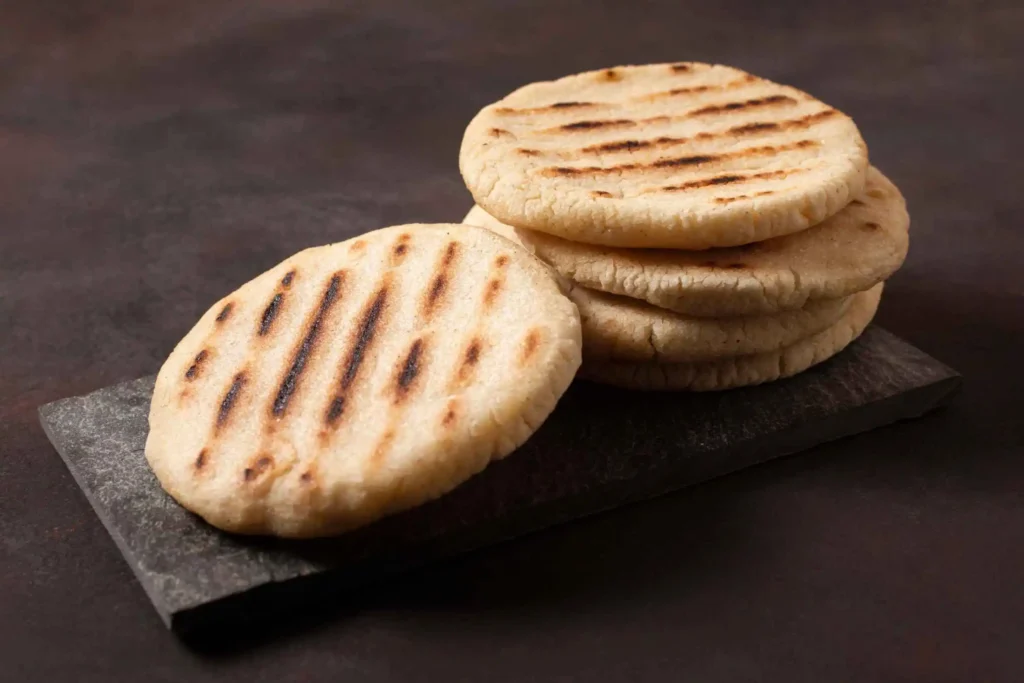
Yes — pita bread has always been part of the Mediterranean diet, but it’s never eaten alone or in excess. In traditional Mediterranean cultures, bread is a supporting element, not the foundation of the meal.
This distinction is critical when choosing between regular bread and pita bread made with whole grains. When people ask “is pita bread healthy?”, they’re often thinking in isolation. In Mediterranean cooking, pita only makes sense within a full plate.
How Pita Is Traditionally Eaten in Mediterranean Cuisine?
Across the Eastern Mediterranean, pita is used to:
- Scoop legume-based dips like hummus and baba ganoush
- Wrap grilled meats or vegetables, not fried fillings
- Accompany salads, olives, and yogurt-based sides
- Share food communally rather than serve oversized portions
This style of eating is exactly what defines Mediterranean food — a pattern we break down in detail in
→ What Is Mediterranean Food
Bread is present, but it’s balanced by:
- Vegetables
- Legumes
- Lean protein
- Healthy fats like olive oil
That balance is what gives the Mediterranean diet its long-standing reputation for supporting heart health and overall wellness.
Why Bread Isn’t the “Problem” in Mediterranean Eating
One major difference between Mediterranean eating and modern Western habits is how bread is used.
In many ultra-processed diets, bread becomes:
- The base of many Mediterranean dishes includes pita bread made with whole wheat flour.
- The bulk
- The filler
In Mediterranean meals, pita is:
- A connector, not a replacement
- Paired with protein and vegetables
- Eaten slowly, often shared
This is why pita bread is often healthier than regular sliced bread when eaten the Mediterranean way — especially when compared to highly processed sandwich loaves.
Pita, Protein, and Balance
From our experience serving Mediterranean food daily, pita works best when it supports protein-forward meals like:
- Chicken Shawarma, wrapped with vegetables and herbs
- Falafel, paired with greens and tahini
- Mezze-style plates built around Classic Hummus and salads
This balance is why pita fits seamlessly into the Mediterranean diet without being considered unhealthy or fattening.
If you’re curious how these traditions show up in modern San Diego dining, our page on
→ Healthy Mediterranean Restaurants
explains what to look for when choosing meals out.
Pita Bread vs Naan vs Regular Bread — Which Is Healthier?

Pita bread is generally lighter and lower in fat than naan and many regular sliced breads, especially when made from whole wheat. The biggest differences come down to ingredients, portion size, and how each bread is traditionally eaten.
Side-by-Side Comparison (Per Typical Serving)
| Bread Type | Calories | Fat | Fiber | Typical Ingredients | Best Use |
| Whole Wheat Pita | ~170 | Low | High | Whole wheat flour, water, yeast, salt | Balanced wraps, mezze, and pita bread can create a healthy diet. |
| White Pita | ~165 | Low | Low | Refined flour, water, yeast, salt | Light wraps |
| Naan | ~260+ | High | Low–Moderate | White flour, yogurt, butter/ghee | Rich curries |
| Sliced White Bread (2 slices) | ~160–180 | Low–Mod | Low | Refined flour, sugar, oils | Sandwiches |
Key takeaway:
- Pita is thinner, lower in fat, and portion-controlled by design
- Naan is richer, thicker, and higher in fat due to butter or ghee
- Regular sliced bread varies widely and is often more processed
Why Pita Is Often the Healthier Flatbread Choice?
From a Mediterranean kitchen perspective, pita has a few built-in advantages:
- No added fats in traditional recipes
- Natural pocket that limits overfilling
- Designed for balance, not as a standalone carb
That’s why pita pairs so well with foods like:



- Chicken Shawarma
- Falafel
- Classic Hummus
In contrast, naan is meant to soak up rich sauces and curries — delicious, but nutritionally heavier. Sliced bread is often eaten without vegetables or protein, which makes it easier to overconsume.
Pita vs Naan: When Each Makes Sense
- Choose pita when you want a lighter meal with vegetables and protein
- Choose naan when the meal itself is rich in grams of fiber and you’re okay with higher fat.
- Choose whole wheat pita if you’re watching fiber intake or weight
This is why many people find pita bread healthier than regular bread in everyday meals — especially when following a Mediterranean eating pattern.
Is Pita Bread and Hummus Healthy Together?
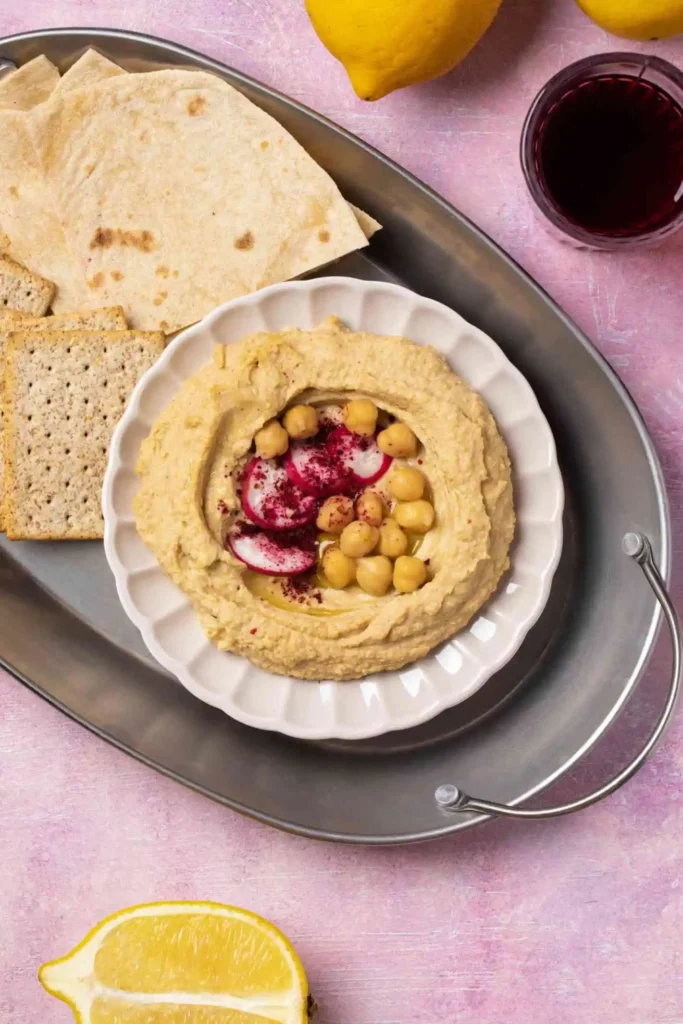
Yes — pita bread and hummus are healthy together when eaten in sensible portions. In fact, this pairing is one of the most balanced combinations in Mediterranean cuisine because it brings carbohydrates, protein, fiber, and healthy fats into a single bite.
This isn’t a modern health trend. It’s how pita has traditionally been eaten for generations.
Why Pita and Hummus Work So Well Nutritionally?
On their own, pita is mainly a carbohydrate and hummus is mainly a protein-fat blend. Together, they create balance:
- Pita bread provides energy and structure
Hummus (made from chickpeas and tahini) adds protein, fiber, and healthy fats - The combination slows digestion and improves satiety
That’s why pita and hummus feel satisfying without being heavy — especially compared to refined bread with butter or sugary spreads.
At Micheline’s, this balance is exactly what you get with our
→ Classic Hummus,
which is designed to be shared and paired with warm pita, not eaten as an oversized snack.
Making the Pita + Hummus Combo Even Healthier
The Mediterranean approach doesn’t stop at just two ingredients. To make this pairing even more nutritious:
- Choose whole wheat or whole grain pita
- Add fresh vegetables like cucumber, tomato, or parsley
- Include pita bread made with whole grains in your diet. extra protein if it’s a main meal
That’s why pita and hummus are often served alongside items like:
- Falafel, which adds more plant-based protein
- Chicken Shawarma, turning it into a full, protein-forward plate
When Pita and Hummus Can Become Less Healthy?
Like anything, this pairing can lose its health benefits when:
- Portions become excessive
- White pita replaces whole grain regularly
- Hummus is overloaded with added oils
- Vegetables are skipped entirely
When that happens, people often conclude “pita bread is unhealthy” — when the issue is really portion size and imbalance, not the food itself, but the dietary choices we make.
Why This Pairing Fits the Mediterranean Diet So Well?
The Mediterranean diet isn’t about avoiding bread or fat. It’s about combining foods in a way that supports steady energy and long-term health. Pita and hummus do exactly that when eaten as part of a shared, vegetable-forward table.
That’s why you’ll still see this pairing everywhere from home kitchens to modern Mediterranean restaurants — including ours.
When Pita Bread Might Not Be the Best Choice?
Pita bread isn’t unhealthy by default — but there are situations where it may not be the best choice for your goals. Being clear about this is important, because trust comes from honesty, not blanket praise.
From what we see both in restaurants and at home, the issues usually come from how pita is made or how much is eaten — not from pita itself.
Situations Where Pita Loses Its Health Advantage
Pita bread can become less healthy when:
- It’s made from highly refined white flour with little fiber
- Portions are oversized or doubled without added protein
- It’s filled primarily with fried foods and heavy sauces
- It replaces vegetables instead of complementing them
This is often where questions like “is pita bread unhealthy?” or “are pitta breads fattening?” come from. In reality, the same would be true of any bread eaten in excess or without balance.
Store-Bought vs Fresh Pita
Another factor many people overlook is processing.
Packaged pitas can sometimes include:
- Preservatives
- Added sugars
- Dough conditioners
Freshly made or minimally processed pita — the kind traditionally served with Mediterranean meals — tends to be simpler and easier to digest. This is why fresh pita works so well in balanced meals built around vegetables, legumes, and grilled proteins.
When You Might Skip Pita Altogether
There are moments when skipping pita can make sense, such as when choosing other types of bread that are less healthy.
- When you’re already eating a very carb-heavy meal
- When you want a lighter plate focused entirely on vegetables
- When you’re choosing salads or mezze without bread
The key point: pita is optional, not mandatory — even in Mediterranean cuisine.
Balance Beats Elimination
One of the biggest mistakes we see is labeling foods as “good” or “bad.” Mediterranean eating doesn’t work that way. It focuses on variety, moderation, and enjoyment, not strict rules.
That’s why pita remains part of the Mediterranean table — used thoughtfully, shared, and paired with nutrient-dense foods.
How We Serve Pita at Micheline’s Pita House?
At Micheline’s Pita House, pita is never meant to stand alone — it’s part of a balanced plate. Everything from portion size to fillings is designed around the same Mediterranean principles people ask about when they wonder “is pita bread healthy?”
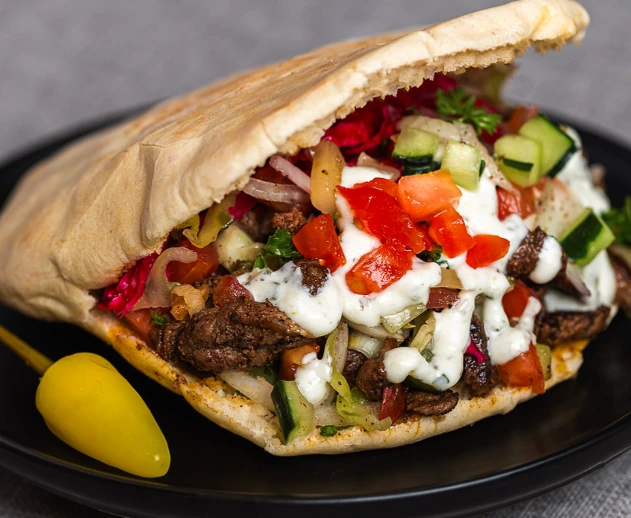

Here’s how that shows up in practice.
Pita as a Base — Not the Bulk
We use pita as a supporting structure, not a calorie-heavy foundation. That means:
- One pita per serving, not multiple layers
- Plenty of vegetables inside and alongside
- Protein-forward fillings that make the meal satisfying
That’s exactly how our Pita Sandwich is built — wrapped, balanced, and filled with ingredients that actually keep you full.
Protein Comes First
A pita becomes far more nutritious when protein leads the meal. That’s why many guests choose fillings like:
- Chicken Shawarma — lean, grilled, and seasoned, not fried
- Ribeye Steak Shawarma — richer, but still balanced when paired with vegetables
- Falafel — plant-based protein with fiber when eaten with greens
Protein helps slow digestion and prevents pita from acting like an “empty carb.”
Vegetables Aren’t Optional
In Mediterranean cooking, vegetables are always part of the plate. Pita wraps are built with:
- Tomatoes
- Cucumbers
- Greens
- Herbs
And often paired with salads like our Greek Salad, which adds volume and freshness without excess calories:
This is why pita works so well in healthy meals — it’s never meant to replace vegetables.
Pita + Hummus Done the Right Way
When pita is paired with hummus, we treat it as a shared, balanced component, not a heavy snack. Our Classic Hummus is designed to complement pita, not overpower it:
That balance is why pita and hummus together remain one of the most nutritionally sound Mediterranean combinations.
Eating Out, the Mediterranean Way
If you’re choosing pita while dining out, look for places that:
- Grill instead of fry
- Emphasize vegetables and legumes
- Use pita as a wrap, not a filler
That’s also what defines truly healthy pita bread. Healthy Mediterranean Restaurants and why this style of eating remains sustainable long term:
Is Pita Bread Healthy – Frequently Asked Questions
Is pita bread wheat free?
No. Traditional pita bread is made from wheat flour, either refined (white) or whole wheat. If you’re avoiding wheat or gluten, pita is not wheat-free unless it’s clearly labeled and made with alternative flours.
Is pita bread gluten free?
No. Standard pita bread contains gluten. People with celiac disease or gluten intolerance should avoid traditional pita unless a certified gluten-free version is made with alternative flours.
Are pita breads healthy?
Yes — pita breads can be healthy, especially whole wheat or whole grain versions eaten with vegetables and protein. In Mediterranean meals, pita is used as a supporting food, not the main calorie source.
Is pita bread good for you?
Pita bread is good for you when it’s part of a complete meal. It provides energy and structure while leaving room for vegetables, legumes, and lean proteins.
Is pita bread fattening?
No. Pita bread itself is not fattening. Weight gain usually comes from oversized portions or unbalanced fillings. One pita paired with protein and vegetables fits comfortably into a balanced diet.
Is pita bread healthier than regular bread?
Often, yes. Pita bread is thinner, lower in fat, and naturally portion-controlled. Whole wheat pita also provides more fiber than many sandwich loaves.
Is pita bread healthier than white bread?
Yes. Whole wheat pita is healthier than white bread because it contains more fiber, digests more slowly, and helps you feel full longer
Is whole wheat pita bread healthy?
Yes. Whole wheat pita bread is one of the healthiest pita options. It contains more fiber, supports digestion, and helps regulate blood sugar levels compared to white pita.
What is the healthiest pita bread?
The healthiest pita bread is:
- Made from 100% whole wheat or whole grain
- Low in added sugars
- Made with minimal ingredients
- Eaten in moderate portions
Wholemeal pita pockets are typically the best choice.
Are pita pockets healthy?
Pita pockets are healthy when filled thoughtfully. Filling them with grilled protein, vegetables, and hummus is very different from stuffing them with fried foods and heavy sauces.
Is pita bread and hummus healthy?
Yes. Pita bread and hummus together create a balanced combination of carbs, protein, fiber, and healthy fats — especially when paired with vegetables.
Is pita bread good for weight loss?
Yes, pita bread can support weight loss when:
- Whole wheat pita is chosen
- Portions are controlled
- It’s paired with protein and vegetables
Balanced pita meals are often more sustainable than eliminating bread entirely.
Is pita bread unhealthy for weight loss?
No. Pita bread only becomes problematic for weight loss when portions are too large or fillings are high-calorie and low-nutrient. The bread itself is not the issue.
Is pita bread bad for you?
No. Pita bread is not bad for you when eaten in moderation. It becomes less healthy only when portions are excessive or when it’s filled with fried foods and heavy sauces.
Is Arabic bread healthy?
Yes. Arabic bread can be healthy when eaten traditionally — shared, portioned, and paired with vegetables, legumes, and protein, not eaten alone or in excess.
Is Syrian bread healthy?
Yes. Syrian bread is similar to pita and fits well into a balanced Mediterranean diet when eaten with nutrient-dense foods rather than processed fillings.
Is pita bread part of the Mediterranean diet?
Yes. Pita bread has always been part of the Mediterranean diet, used alongside vegetables, legumes, olive oil, and grilled proteins — not as a main calorie source.
Is flatbread good for you?
It depends. Some flatbreads, like whole wheat pita, are healthier than others. Flatbreads made with butter, refined flour, or excessive oil tend to be less nutritious.
Pita bread vs naan — which is healthier?
Pita bread is generally healthier than naan. Pita is thinner, lower in fat, and usually contains no added butter or ghee, while naan is richer and higher in calories.
How healthy is pita bread overall?
Pita bread is a healthy, versatile flatbread when eaten the Mediterranean way: shared, balanced, and paired with vegetables, legumes, and protein. It’s not meant to be eaten alone or in excess.