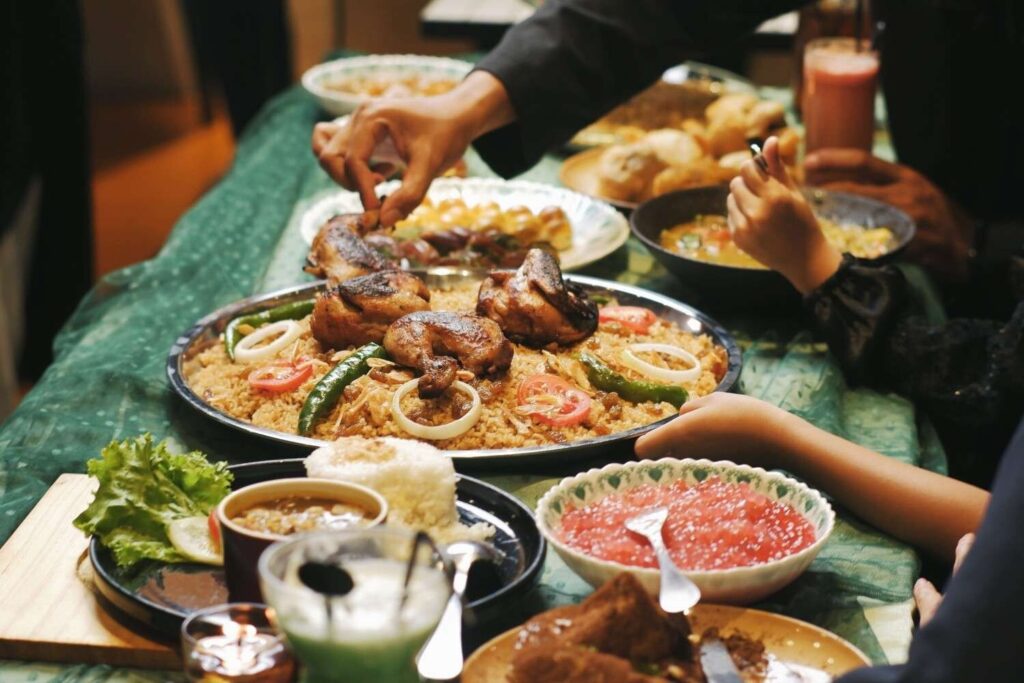
Is halal food healthy? It can be, but halal status alone does not determine nutritional quality. Halal is a dietary framework that defines whether food, ingredients, and preparation methods comply with Islamic requirements, including rules related to permissible sources of meat, cleanliness, and proper slaughtering practices.
However, whether a halal meal is healthy depends on its overall nutritional profile rather than its certification. Key factors such as calories, protein, fiber, sodium levels, saturated fat, and added sugar all play an important role in determining how balanced a meal is. In addition, cooking methods, such as grilling, baking, or frying—and portion sizes can significantly affect the health impact of any dish.
What is halal food?

Halal food is a concept rooted in Islamic dietary law that goes beyond the simple idea of “permissible” and reflects a broader ethical and spiritual framework. The term halal literally means “lawful” or “allowed” in Arabic, and it defines what Muslims are permitted to consume in accordance with Islamic teachings derived from the Quran and Sunnah.
At its core, halal food is determined by both the source of the food and the method by which it is prepared. Certain categories of food are inherently prohibited (haram), such as pork and its derivatives, blood, and any food contaminated with intoxicants like alcohol. For animal-based products, permissibility also depends on the method of slaughter, which must follow specific guidelines that emphasize cleanliness, mercy, and the invocation of God’s name.
However, halal is not only about what is allowed or forbidden—it also extends to the principles of purity, hygiene, and ethical treatment throughout the food supply chain. From sourcing ingredients to processing, packaging, and serving, each stage is expected to maintain integrity and compliance with Islamic standards.
Why Halal Food Can Be Healthy
Halal food can support good nutrition when meals are based on whole or minimally processed ingredients.
Many traditional halal meals naturally incorporate vegetables, beans, lentils, grains, herbs, spices, yogurt, nuts, seeds and grilled proteins. These ingredients can provide protein, fiber, vitamins, minerals and satisfying flavors.
Whole and Minimally Processed Ingredients
Meals prepared from recognizable ingredients usually make it easier to assess nutritional quality.
Examples include:
- Grilled chicken with salad
- Lentil soup
- Hummus with vegetables
- Brown rice or bulgur
- Bean dishes
- Vegetable stews
- Fresh fruit
- Unsweetened yogurt
- Baked fish
- Chickpea salad
Whole-food meals are not automatically low in calories, but they often supply more fiber and useful nutrients than highly processed alternatives.
Lean Proteins, Legumes and Vegetables
Protein can support muscle maintenance and help a meal feel satisfying. Healthy halal protein choices may include:
- Skinless grilled chicken
- Fish
- Lean beef
- Lean lamb in moderate portions
- Beans
- Lentils
- Chickpeas
- Unsweetened yogurt
- Eggs
The cut and cooking method matter. A lean grilled chicken breast and heavily breaded fried chicken may come from equally halal sources but have substantially different fat and calorie contents.
Traditional Mediterranean Meal Patterns
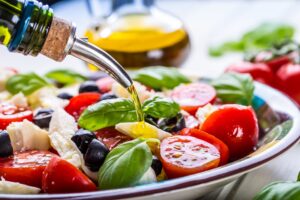
Mediterranean-style halal meals can combine vegetables, olive oil, legumes, grains, herbs and moderate portions of protein.
At a Mediterranean restaurant, a balanced plate might contain:
- A large salad or grilled vegetables
- Hummus or lentils
- Grilled chicken or another suitable protein
- A moderate portion of rice or pita
- Sauce served on the side
- Water or an unsweetened beverage
Nutritional Benefits of Halal Food
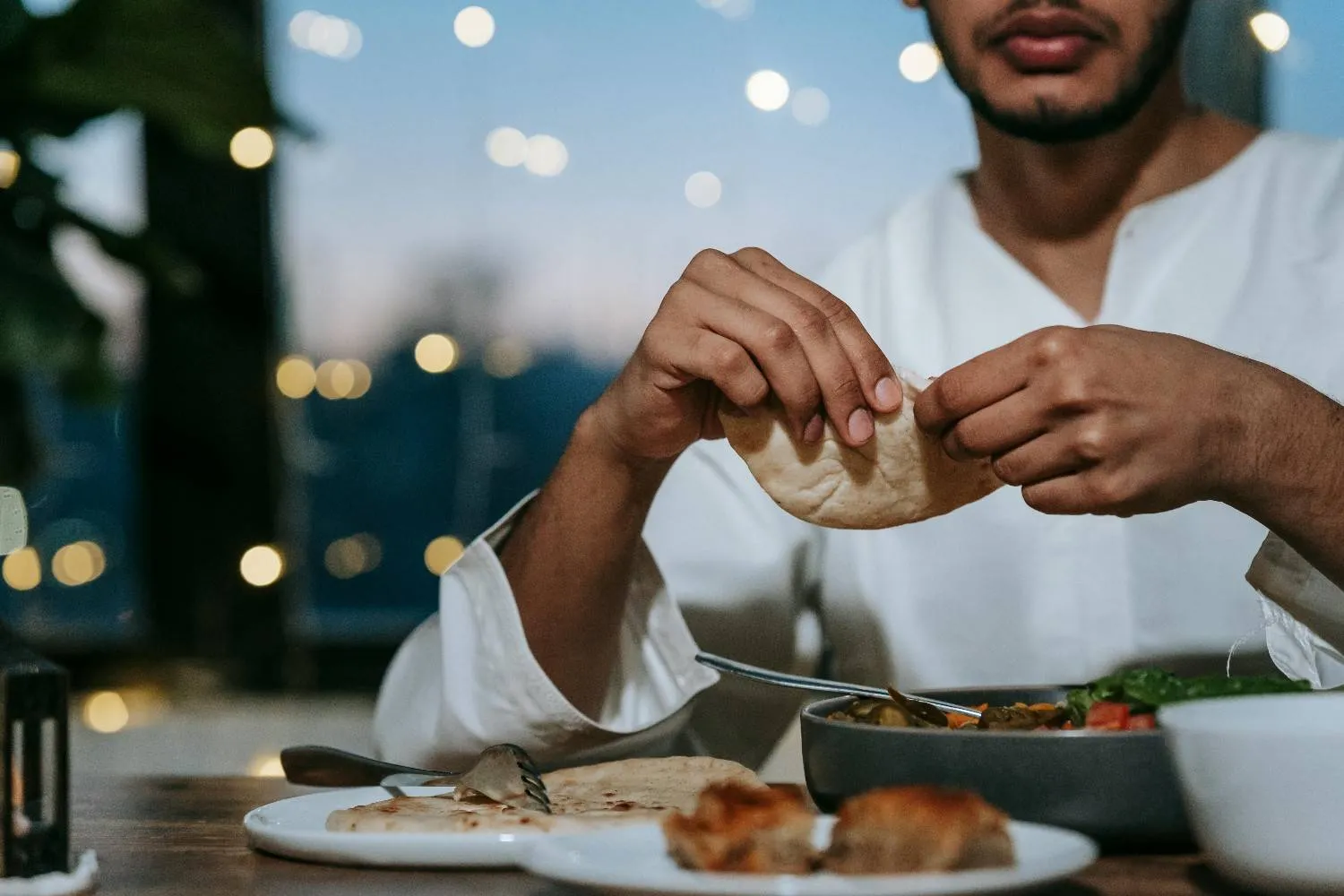
Halal food can provide valuable nutritional benefits when meals are prepared with fresh, minimally processed ingredients. The halal label itself does not determine whether a food is healthy, but many traditional halal meals combine lean proteins, vegetables, legumes, grains, herbs and healthy fats to create satisfying, nutrient-rich dishes.
Halal chicken, fish, lean beef and lamb can provide protein, iron, zinc and vitamin B12. Protein supports muscle maintenance, tissue repair and normal immune function. However, the nutritional value of meat still depends on the cut, portion size and preparation method. Grilled or baked proteins generally provide a more balanced choice than heavily breaded or deep-fried alternatives.
Plant-based halal foods can also contribute important nutrients. Chickpeas, lentils, beans and falafel provide plant protein and dietary fiber, while salads and cooked vegetables supply vitamins, minerals and antioxidants. Classic Hummus and tahini contain unsaturated fats, although portions should be considered because both foods can be calorie-dense.
Cooking method also matters. Grilling, baking, steaming and roasting can help limit the additional fat that comes from deep-frying. Diners should also pay attention to sauces, dressings, pickles and seasonings, which may add considerable sodium, saturated fat or calories.
Ultimately, the nutritional benefits of halal food come from the quality and balance of the complete meal, not from halal certification alone.
Can Halal Food Support a Balanced Lifestyle?
Yes, halal food can support a balanced lifestyle when it is eaten in a mindful and well-planned way. The key factor is not the halal label itself, but the overall quality of ingredients, portion sizes, and cooking methods.
A balanced halal diet is based on a variety of food groups such as vegetables, fruits, whole grains, legumes, lean proteins, and healthy fats. When combined properly, these foods help support good nutrition and overall health.
However, halal food is not automatically healthy, as some meals may still be high in calories, sugar, salt, or fat depending on how they are prepared and served. That is why moderation is important.
In general, halal food can fit into a healthy lifestyle when it is based on fresh ingredients, balanced portions, and healthy cooking methods.
How to Build a Healthy Halal Meal
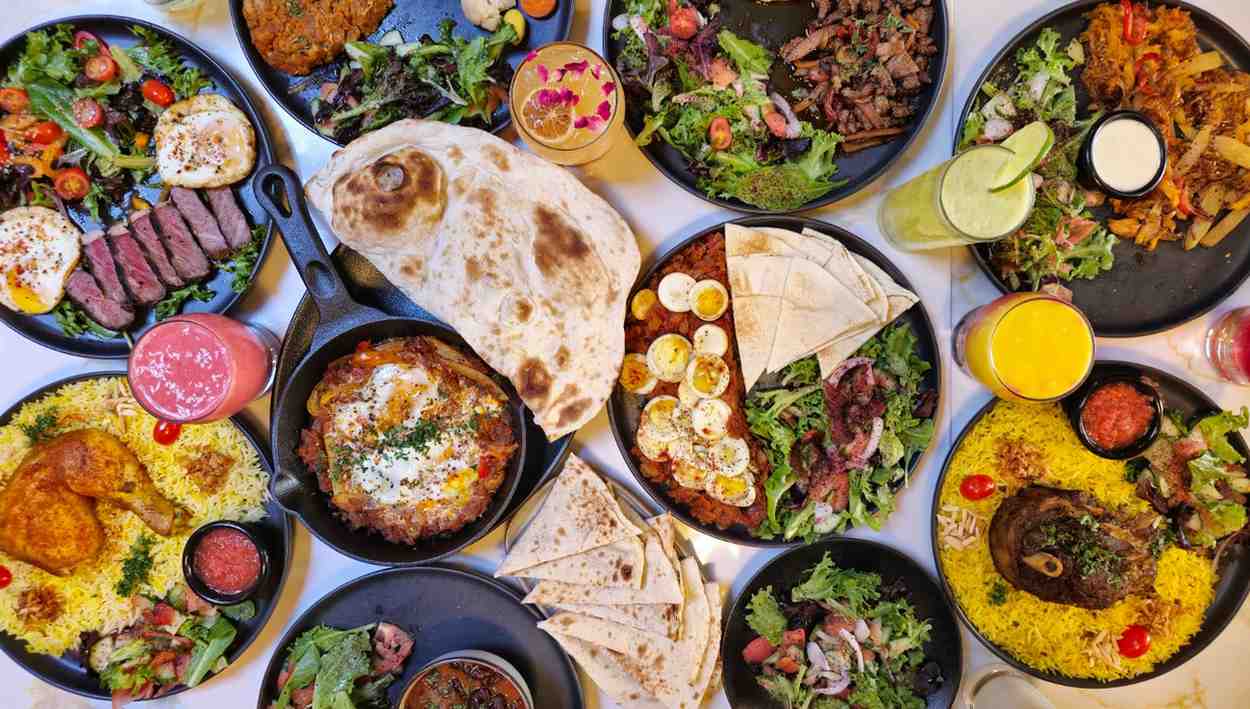
Use the following five-step method at home, at a food cart or in a restaurant.
Choose a Suitable Protein
Select grilled, baked or roasted protein where possible.
Options may include:
- Chicken
- Fish
- Lean beef
- Lean lamb
- Lentils
- Beans
- Chickpeas
- Falafel prepared with moderate oil
Confirm halal status separately when ordering animal protein.
Fill About Half the Meal With Vegetables
Choose salad, roasted vegetables, cucumber, tomato, cabbage, greens or vegetable soup.
Vegetables provide volume, fiber and micronutrients. Be mindful that creamy dressings or large amounts of oil can significantly change the nutritional profile.
Select a Sensible Grain Portion
Rice, bulgur and pita can be part of a healthy meal.
A practical approach is to choose one primary grain instead of combining a large serving of rice, several pieces of pita and fries in the same meal.
Control Sauces and Sodium
Request sauce on the side and add it gradually. Ask whether lower-sodium options are available.
Pickles, olives, cheese and sauces can all contribute sodium, even when the meal contains fresh ingredients.
Choose Water or an Unsweetened Drink
Water, sparkling water and unsweetened tea add little or no sugar. A sugary beverage can add hundreds of calories without providing the same fullness as food.
Is Halal Food Healthy for Weight Loss?
Halal food can support weight loss when it helps someone maintain an appropriate calorie deficit while meeting nutritional needs.
Halal status itself does not increase fat loss. A person could gain, lose or maintain weight while following a halal diet.
Calorie Balance Still Matters
Weight change is influenced by energy intake and expenditure over time. Restaurant meals can make calorie estimates difficult because of large servings, cooking oil and sauces.
Helpful strategies include:
- Selecting smaller portions
- Sharing an entrée
- Taking part of the meal home
- Choosing grilled food
- Limiting liquid calories
- Ordering sauces separately
- Adding vegetables
- Checking published nutrition information
Protein and Fiber Can Improve Fullness
Meals containing protein and fiber may help people feel satisfied.
Examples include:
- Mediterranean chicken salad
- Lentil soup and salad
- Chickpea bowl
- Fish with whole grains
- Hummus with vegetables
- Yogurt with fruit, where suitable
Restaurant Portions May Contain Multiple Servings
A takeout container can hold more food than one person needs at a single meal. Portioning food before eating can make intake easier to manage.
Anyone with diabetes, kidney disease, cardiovascular disease, food allergies, an eating disorder or another medical condition should seek individualized advice from a qualified healthcare professional or registered dietitian.
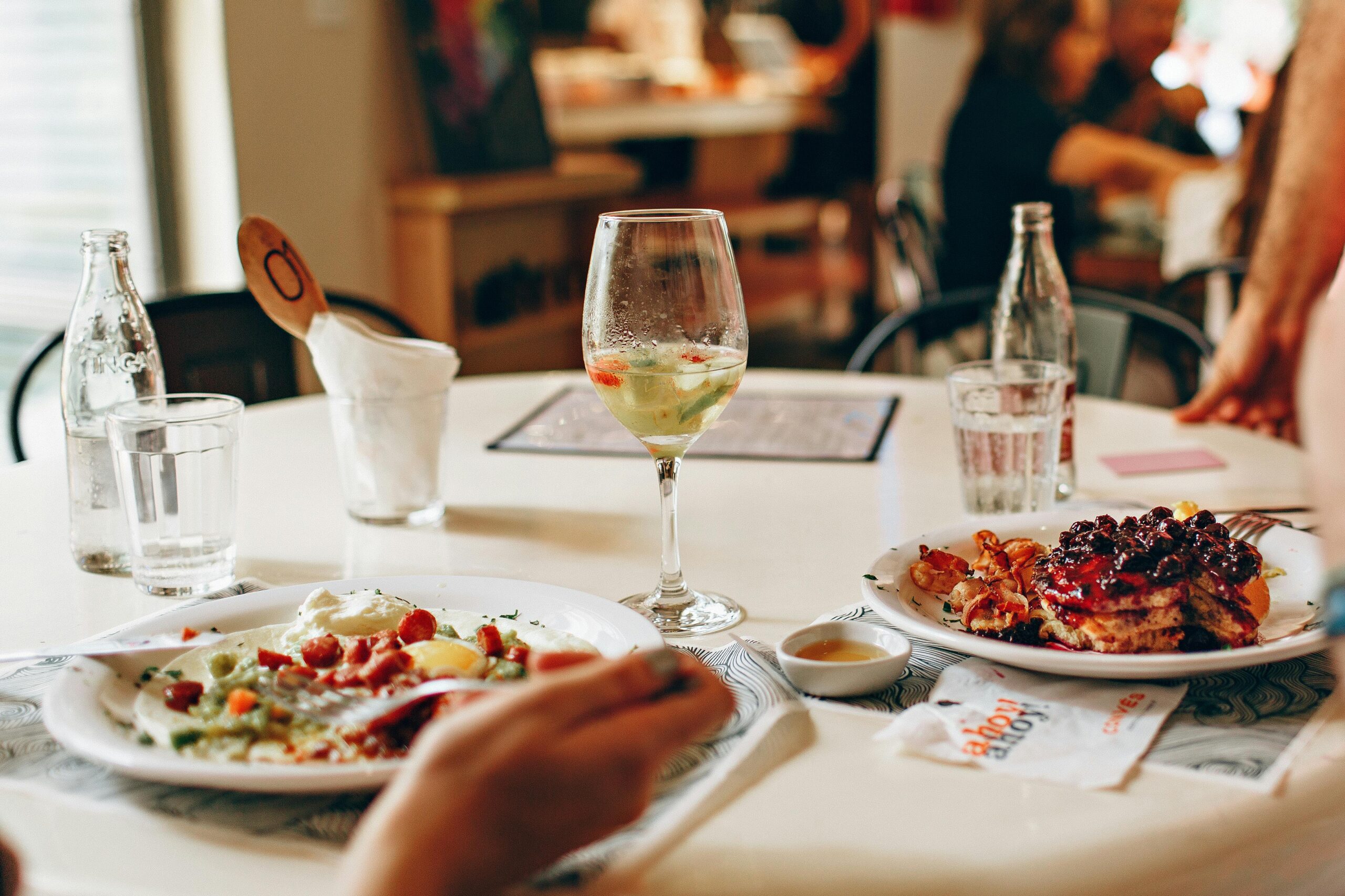
Healthy Choices at a Mediterranean Restaurant
Mediterranean menus can make it relatively easy to build a balanced meal because diners can combine vegetables, legumes, grains, dips and proteins.
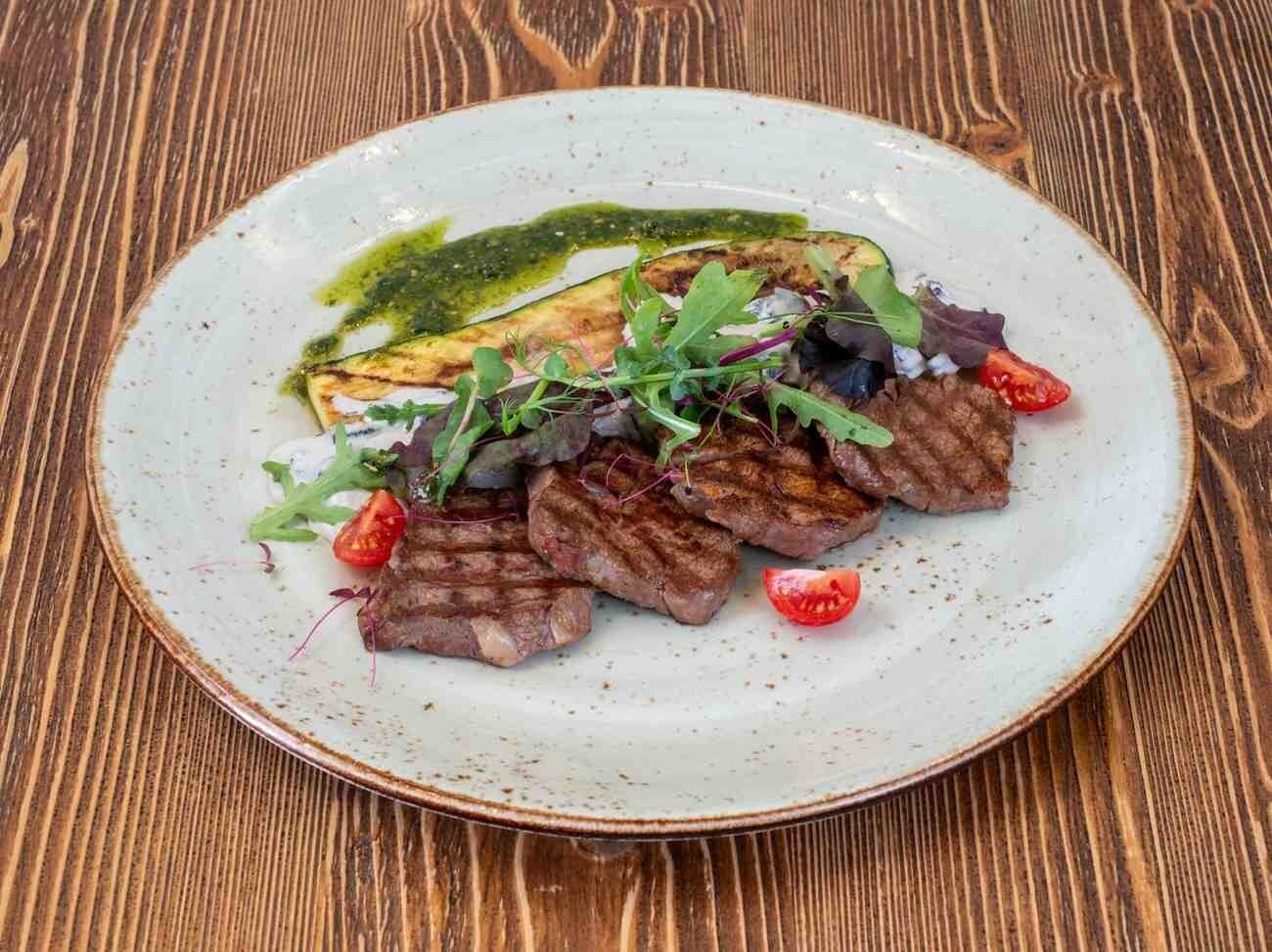
Grilled Proteins
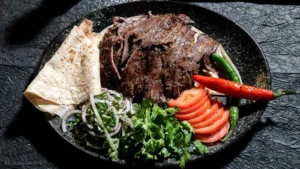
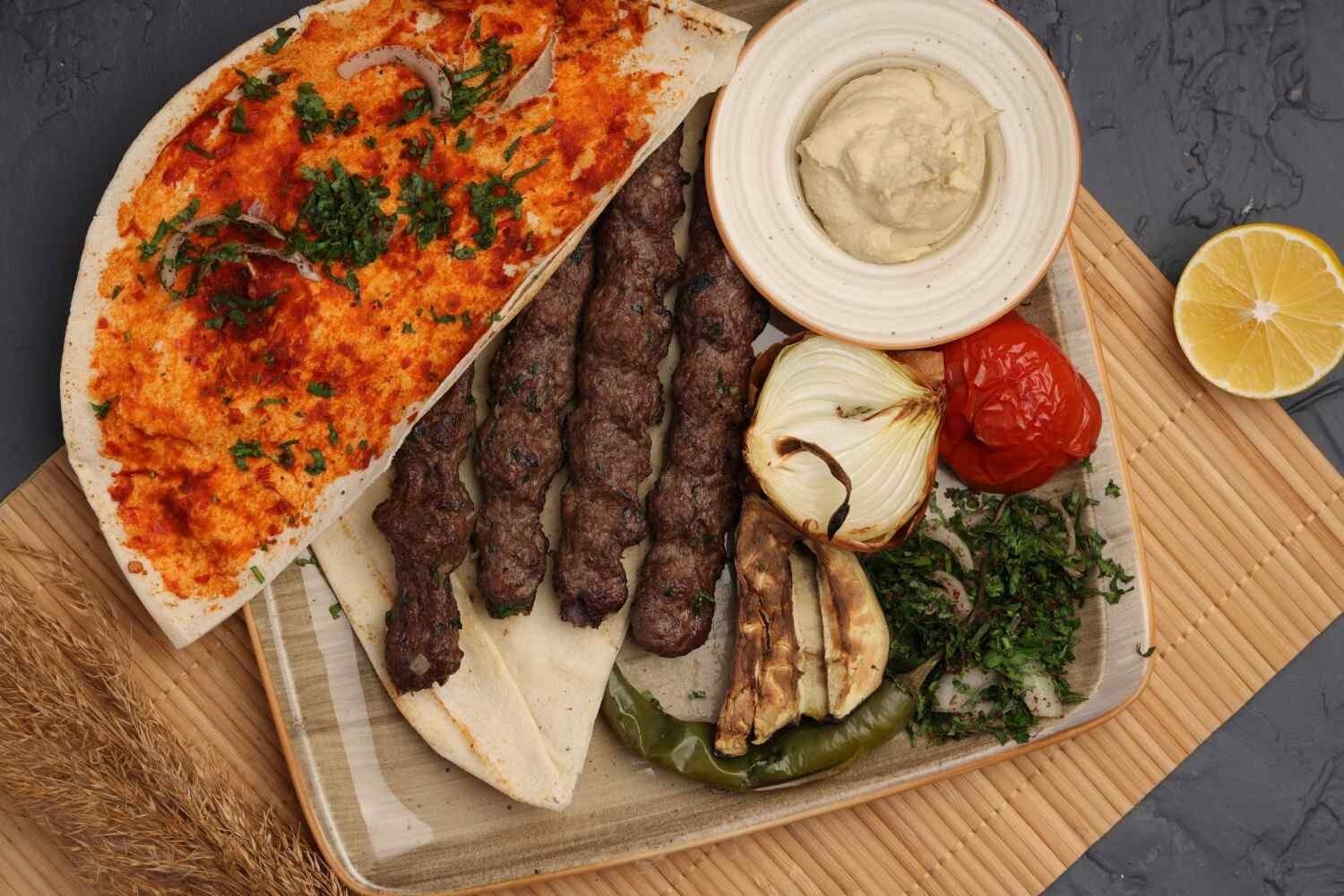
Grilled chicken or kabobs can provide protein without breading. Ask about the cut, marinade and sodium when those details matter to you. A shawarma dish can also fit into a balanced meal
Hummus, Lentils and Falafel
Hummus provides chickpeas and tahini, while lentils offer plant protein and fiber.
Falafel is plant-based but is commonly fried, so preparation method and serving size matter.
Salads and Whole Grains
Start with vegetables, then add a suitable protein and a moderate amount of grain. Request dressing on the side when you want to manage oil or sodium.
Building a Balanced Bowl or Plate
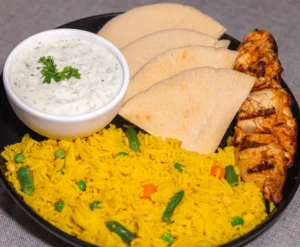
A balanced Mediterranean order could include:
- Greens or chopped salad
- Hummus or lentils
- Grilled protein or falafel
- A moderate rice or pita portion
- Fresh vegetables
- Sauce on the side
- Water or unsweetened tea
Micheline’s Pita House emphasizes quality ingredients, protein-rich meals and varied vegetarian and vegan choices. Review the current MPH menu to compare bowls, salads, pitas and combination plates.
Halal status should still be verified separately. A restaurant’s focus on fresh or Mediterranean food does not by itself confirm that every meat, ingredient or kitchen procedure meets a particular halal standard.
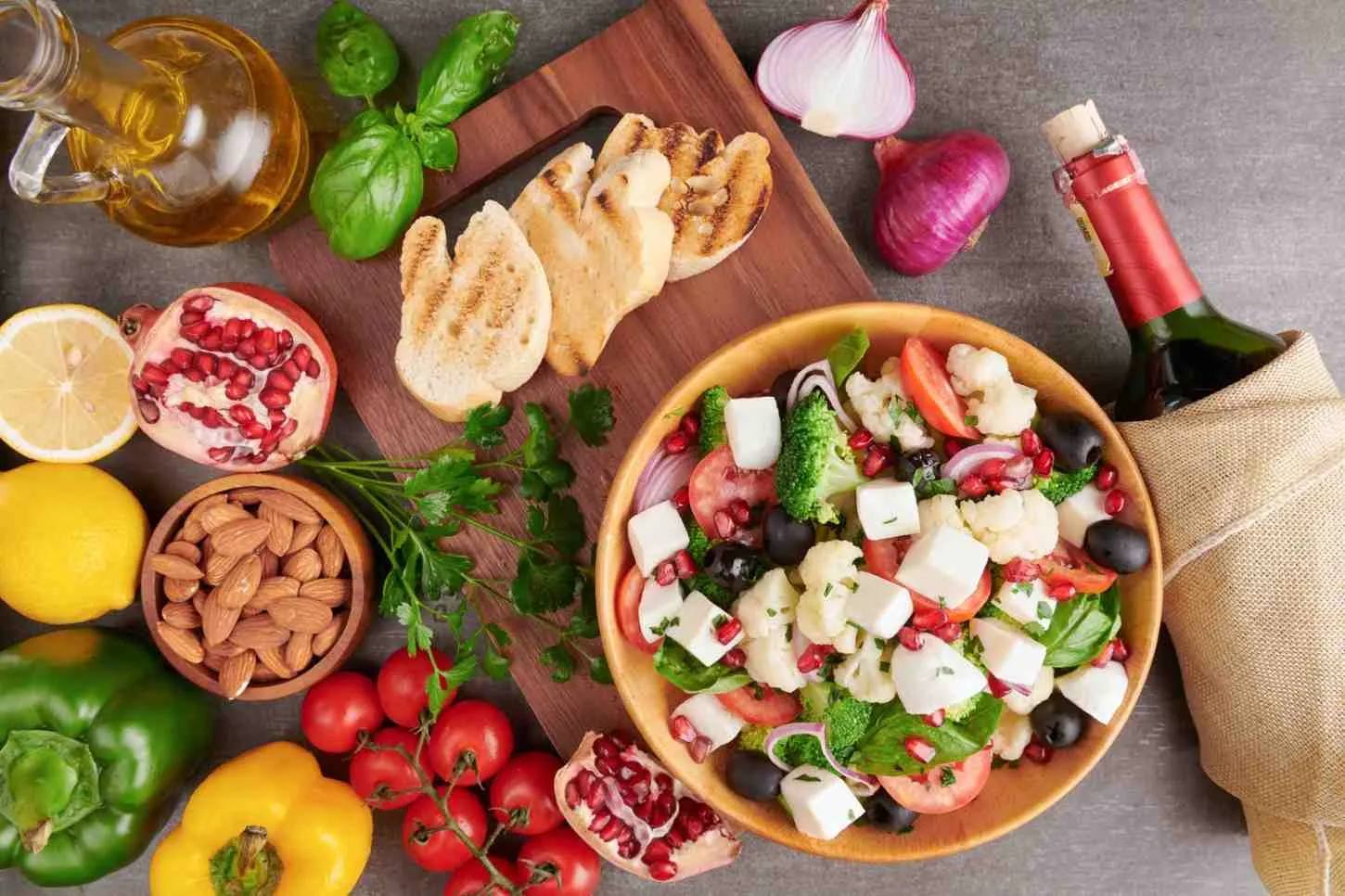
Common Myths About Halal Food and Its Health Benefits
here are several common misconceptions about halal food and its relationship to health that often lead to confusion.
Halal food is automatically healthy: Many people believe that halal food is always healthier than non-halal food. In reality, halal refers only to Islamic dietary guidelines and does not reflect the nutritional value of the food. A halal meal can still be high in calories, sugar, salt, or unhealthy fats depending on its ingredients and cooking methods.
Halal meat is always lean or better for weight management: Another common misconception is that halal meat is naturally healthier. However, the health value of meat depends on the cut, portion size, and cooking method (such as grilling or frying), not the halal certification itself.
Halal food is always fresh or free from additives: Some people assume that halal food is always natural, fresh, or free from preservatives. While halal standards regulate how food is prepared and processed, they do not guarantee that the food is unprocessed or completely free from additives.
Halal Restaurants San Diego
Halal dining in San Diego has become very popular, with many restaurants serving flavorful dishes inspired by Middle Eastern, Afghan, and Mediterranean cuisines, all prepared with high-quality ingredients.
Babaz Grill Pizza & Subs
Babaz Grill Pizza & Subs is a casual halal-friendly restaurant in San Diego that combines pizza, sandwiches, and Middle Eastern-inspired flavors. It is known for its generous portions, quick service, and affordable prices, making it a popular choice for students and families looking for a filling meal.
Best Dishes:
- Chicken Shawarma Pizza
- Beef Sub Sandwich
- Chicken Fajita Pizza
- Grilled Chicken Sub
- Buffalo Chicken Fries
Khyber Pass Zarparan Restaurant
Khyber Pass Zarparan is a well-known Afghan halal restaurant offering authentic traditional cuisine with rich spices and homestyle cooking. The restaurant provides a warm, family-friendly atmosphere and is highly rated for its flavorful grilled meats and rice dishes.
Best Dishes:
- Chicken Kabob
- Lamb Kabob
- Beef Kofta
- Qabili Palau (rice dish)
- Mantu Dumplings
Halal Burger
Halal Burger Co. is a modern fast-casual restaurant specializing in halal burgers and American-style comfort food. It focuses on fresh ingredients, bold flavors, and creative menu options, making it a go-to spot for quick and satisfying meals.
Best Dishes:
- Smash Beef Burger
- Spicy Chicken Burger
- Chicken Sandwich
- Loaded Fries
- Chicken Tenders
Micheline’s Pita House
Micheline’s Pita House is a simple and casual Mediterranean halal restaurant known for fresh ingredients and fast service. It offers a variety of wraps, plates, and light meals inspired by Middle Eastern cuisine, making it a great option for a quick and healthy bite.
Best Dishes:
- Chicken Shawarma
- Beef Shawarma Plate
- Falafel Wrap
- Hummus Plate
- Gyro Sandwich
Conclusion
So, is halal food healthy? Halal food can be highly nutritious, moderately nutritious or nutritionally poor. The answer depends on what the food contains and how it is prepared—not on the halal label alone.
Build healthier halal meals by choosing vegetables, legumes, whole grains, lean proteins and sensible portions. Limit frequent fried foods, sugary drinks, oversized rice servings and heavy sauces. Read labels where available, follow safe cooking practices and verify separate claims such as organic, antibiotic-free or halal-certified instead of assuming they mean the same thing.
For restaurant diners, the most practical approach is simple: choose grilled or plant-based protein, add vegetables, control rice and pita portions, request sauce on the side and drink water. These choices matter more nutritionally than the religious label by itself.
Frequently Asked Questions
Why is halal food so good?
Halal dishes can taste appealing because of their spices, marinades, grilled meats, fresh vegetables and sauces. Flavor depends on the cuisine and recipe rather than halal status alone.
Is halal food healthier than regular food?
Not automatically. Halal describes religious compliance, while nutritional quality depends on the food’s ingredients, nutrient profile, preparation and portion.
What is healthier, halal or kosher?
Neither is inherently healthier. Compare the particular foods rather than relying on their religious classifications.
Is it safe to eat halal meat?
Yes, when it has been processed, stored and cooked safely. Halal meat is raw meat and still requires refrigeration, clean handling and appropriate cooking temperatures.
Is halal food good for weight loss?
It can be. Choose appropriate portions, vegetables, lean protein, whole grains and moderate sauces while managing total calorie intake.
Can non-Muslims eat halal food?
Yes. Halal food can be consumed by Muslims and non-Muslims, subject to each person’s dietary needs, allergies and preferences.