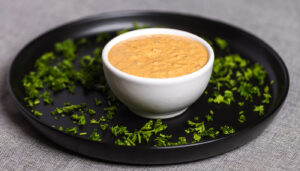
The Mediterranean diet is known for vibrant flavors, fresh produce, and heart-healthy ingredients—making it naturally perfect for vegetarians. With an abundance of plant-based dishes, this cuisine offers both nourishment and indulgence. Whether you’re fully vegetarian or simply exploring meatless meals, Mediterranean food provides delicious options packed with nutrients.
A Plant-Based Paradise
Fresh Vegetables at the Center
Mediterranean cuisine celebrates fresh, seasonal vegetables. From crisp cucumbers and juicy tomatoes to roasted peppers and leafy greens, vegetables play a starring role in countless dishes. Classics like ratatouille, caponata, and grilled vegetable platters showcase bold flavors without relying on meat.
Legumes: Nutrient-Dense Plant Proteins
Protein is essential for vegetarians, and Mediterranean cuisine delivers through legumes such as chickpeas, lentils, and beans. Popular vegetarian staples include:
- Hummus
- Falafel
- Lentil soup
These dishes are rich in plant-based protein, fiber, and minerals that support energy and overall health.
Whole Grains for Balance
Whole grains such as bulgur, farro, quinoa, and brown rice add texture, nutrients, and staying power to vegetarian meals. Mediterranean favorites like tabbouleh—made with bulgur, herbs, cucumbers, and tomatoes—or stuffed bell peppers create satisfying, balanced meals without meat.
Flavorful Fats and Vegetarian-Friendly Dairy
Olive Oil: The Mediterranean Essential
Olive oil is the cornerstone of Mediterranean cooking. Its rich flavor enhances salads, roasted vegetables, and sauces, while providing antioxidants and healthy fats. For vegetarians, it’s an ideal way to add depth and nutrition to everyday meals.
Cheeses and Yogurt
Many Mediterranean cheeses and dairy products naturally complement vegetarian dishes. Popular options include:
- Feta
- Halloumi
- Ricotta
- Greek yogurt
These ingredients elevate meals with protein, calcium, and satisfying creamy textures. Tzatziki, yogurt with fruit, and cheese-based appetizers are common vegetarian favorites.
Versatile and Adaptable Vegetarian Recipes
Customizable Mediterranean Classics
Mediterranean cuisine is easy to adapt for vegetarian diets. Many traditional dishes can be enjoyed meat-free or modified with simple substitutions. Examples include:
- Vegetarian moussaka made with layered eggplant, zucchini, and tomato sauce
- Pasta puttanesca without anchovies, bursting with olives, capers, and tomatoes
These meals retain authentic Mediterranean flavor while aligning with plant-based eating.
Mezze: A Vegetarian Delight
Mezze—small shared plates—offers endless vegetarian options such as:
- Hummus
- Baba ganoush
- Stuffed grape leaves
- Marinated olives
- Vegetable spreads
The variety and flexibility of mezze make it ideal for vegetarian dining, offering multiple flavors and textures in one meal.
Health Benefits of Mediterranean Vegetarian Eating
Nutrient-Rich and Balanced
The Mediterranean diet combines vegetables, legumes, grains, and healthy fats, creating a nutrient-dense eating style. Vegetarians benefit from:
- High fiber intake
- Antioxidant-rich ingredients
- Plant-based proteins
- Heart-healthy fats
This balance supports energy, digestive health, and overall wellness.
Supports Longevity and Well-Being
Studies consistently link the Mediterranean lifestyle to improved longevity and reduced risk of chronic diseases such as heart disease, diabetes, and certain cancers. For vegetarians, this diet provides complete nourishment without relying on meat, making it an excellent long-term lifestyle choice.
Conclusion
Mediterrarians can thrive on a Mediterranean diet filled with vegetables, legumes, whole grains, and healthy fats. This cuisine offers vibrant flavors and valuable nutrients while seamlessly supporting plant-based living. Whether you’re preparing mezze plates, vegetable-based entrées, or hearty legume dishes, Mediterranean vegetarian food proves that eating healthy can also be incredibly delicious.
FAQs About Mediterranean Vegetarian Food
Is the Mediterranean diet good for vegetarians?
Yes, it’s naturally aligned with plant-based eating and provides all essential nutrients.
What are the best vegetarian Mediterranean dishes?
Hummus, falafel, tabbouleh, ratatouille, stuffed grape leaves, and grilled vegetable platters are top choices.
Can I get enough protein on a Mediterranean vegetarian diet?
Absolutely—legumes, whole grains, nuts, seeds, and dairy provide excellent protein sources.
Does Mediterranean food include vegan options?
Many dishes are naturally vegan, including lentil soups, salads, roasted vegetables, and bean-based recipes.