Authentic Mediterranean cuisine is more than a collection of popular dishes. It represents centuries of cooking traditions shaped by the countries surrounding the Mediterranean Sea, from Greece, Turkey, Italy, Spain, and Southern France to the Levant and North African coast. Although each region has its own ingredients and techniques, they share a common approach: fresh produce, extra-virgin olive oil, herbs, whole grains, legumes, seafood, and carefully prepared meats.
Traditional Mediterranean food is often defined by simplicity. Instead of hiding ingredients beneath heavy sauces or excessive processing, authentic Mediterranean cooking allows the natural flavor of vegetables, herbs, spices, grains, and proteins to stand out.
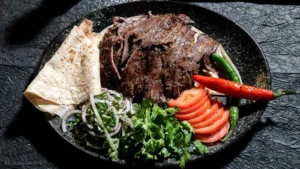
Today, dishes such as shawarma, gyros, falafel, hummus, tabbouleh, and grilled kabobs have become popular far beyond their regions of origin. Understanding where these foods come from and how they are traditionally prepared makes it easier to recognize an authentic Mediterranean dining experience.
What Is Authentic Mediterranean Cuisine?
Authentic Mediterranean cuisine refers to the traditional foods, ingredients, cooking techniques, and dining customs that developed throughout the Mediterranean Basin and neighboring regions. There is no single “Mediterranean cuisine” because the food varies considerably from one country and region to another.
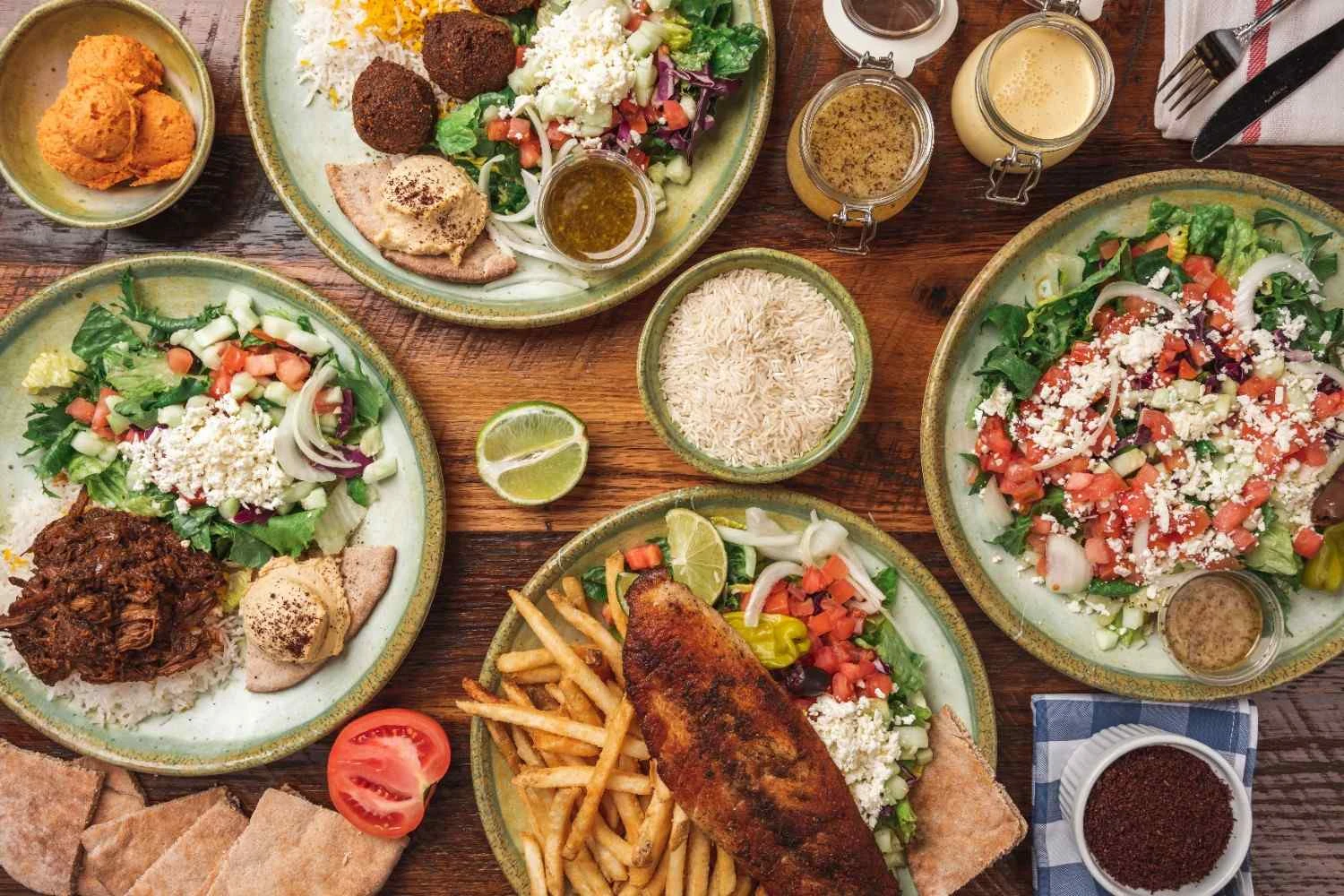
Greek cuisine may emphasize olive oil, seafood, yogurt, herbs, and grilled meats, while Levantine cuisine is known for dishes such as hummus, falafel, tabbouleh, shawarma, and baba ghanoush. North African cooking introduces distinctive spice blends, while Italian, Spanish, and Southern French traditions contribute their own combinations of vegetables, grains, seafood, and olive oil.
What connects these traditions is an emphasis on fresh ingredients, regional recipes, balanced flavors, and straightforward preparation. Authentic Mediterranean food is shaped by local agriculture, climate, culture, and generations of culinary knowledge rather than by a standardized menu.
The Origins of Mediterranean Cuisine
Mediterranean cuisine has roots stretching back thousands of years. The region’s early food traditions were strongly influenced by three agricultural staples: olives, wheat, and grapes. These ingredients became foundational to many communities surrounding the Mediterranean and continue to influence traditional cooking today.
The Mediterranean Basin also served as a major crossroads between Europe, North Africa, and the Middle East. Centuries of trade, migration, and cultural exchange introduced new ingredients, spices, cooking techniques, and recipes to different regions.
This history explains why Mediterranean food can feel both diverse and connected. A Greek salad, Lebanese tabbouleh, Turkish grilled meat, Spanish vegetable dish, and North African tagine are distinct foods, yet they share a broader culinary heritage shaped by fresh produce, grains, herbs, olive oil, and regional ingredients.
The Mediterranean Regions That Shape Its Flavors
Mediterranean cuisine is best understood as a collection of regional food cultures rather than one uniform style.
| Region | Common culinary influences |
|---|---|
| Greece | Olive oil, seafood, yogurt, herbs, grilled meats, vegetables |
| Lebanon | Hummus, falafel, tabbouleh, shawarma, tahini, fresh herbs |
| Turkey | Grilled meats, legumes, yogurt, vegetables, aromatic spices |
| Italy | Pasta, vegetables, legumes, seafood, olive oil, herbs |
| Spain | Seafood, vegetables, olive oil, legumes, rice, paprika |
| Southern France | Vegetables, herbs, seafood, olive oil, garlic |
| North Africa | Couscous, legumes, vegetables, preserved ingredients, spice blends |
This regional diversity is an important part of authentic Mediterranean cuisine. Recipes are connected by geography and history, but each culture gives its food its own identity.
What Makes Mediterranean Cuisine Authentic?
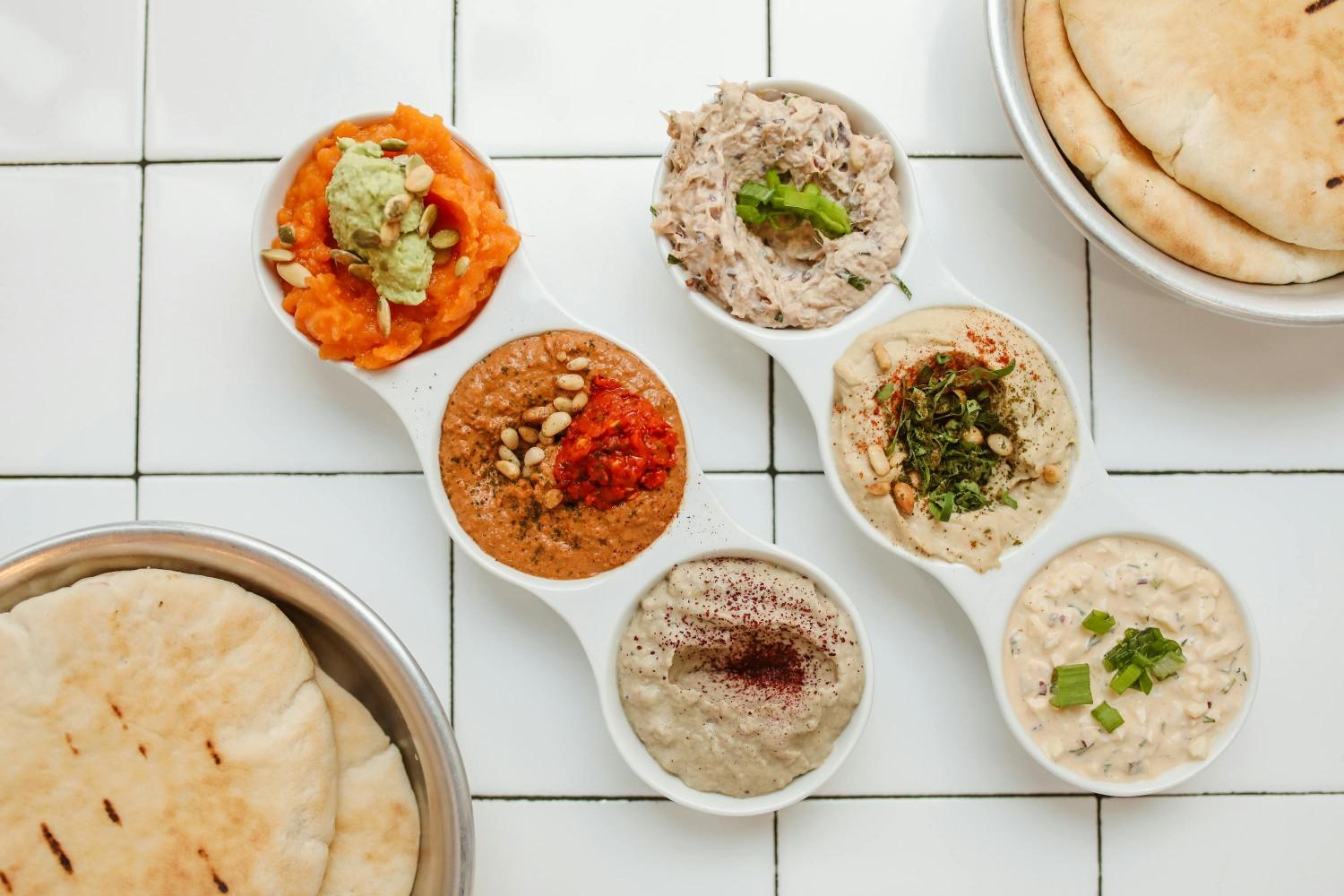
Authentic Mediterranean cuisine is defined less by a specific ingredient list and more by how food is sourced, prepared, seasoned, and enjoyed. Traditional recipes generally emphasize seasonal ingredients, olive oil, vegetables, legumes, grains, herbs, and carefully prepared proteins.
Authenticity also means respecting the cultural origins of a dish. A recipe does not need to be unchanged for hundreds of years to be authentic, but its ingredients and preparation should remain connected to the culinary tradition it represents.
Fresh, Seasonal Ingredients
Freshness is central to traditional Mediterranean cooking. Tomatoes, cucumbers, parsley, mint, eggplant, peppers, lemons, olives, and other produce are frequently used to add color, acidity, texture, and natural flavor.
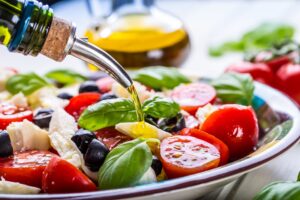
Extra-virgin olive oil is another defining ingredient. It can be used in dressings, marinades, dips, roasted vegetables, and finished dishes, providing richness without requiring heavy cream-based sauces.
Legumes such as chickpeas and lentils, along with whole grains and nuts, also play an important role in many regional cuisines. These ingredients provide substance while keeping meals centered on minimally processed foods.
Traditional Cooking Methods
Traditional Mediterranean cooking often relies on techniques that allow the ingredients themselves to remain the focus. Grilling, roasting, baking, marinating, slow cooking, and fresh raw assembly are common methods across the region.
Grilled meats such as chicken, beef, and lamb are typically seasoned with herbs and spices before cooking. Vegetables may be roasted to concentrate their natural sweetness, while fresh salads are assembled with herbs, citrus, and olive oil.
These techniques create depth of flavor without requiring complicated sauces or excessive processing.
Mediterranean Dining Culture
Authentic Mediterranean food is also connected to the way meals are shared. In many Mediterranean cultures, food is more than something eaten quickly; meals can be social occasions built around shared dishes and conversation.
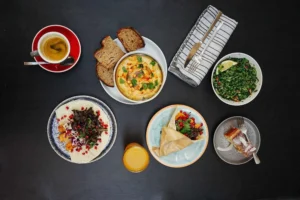
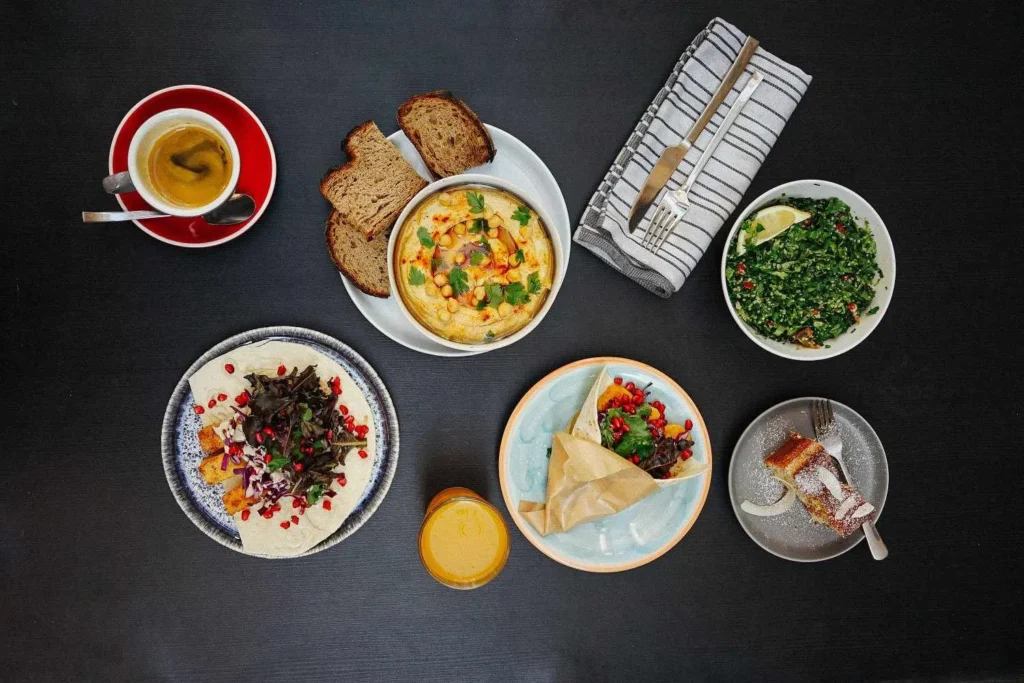
Mezze is a perfect example. Hummus, baba ghanoush, falafel, tabbouleh, salads, pita, and other small dishes can be placed in the center of the table for everyone to share.
This emphasis on sharing helps explain why Mediterranean cuisine works so naturally for family meals, gatherings, and group dining. It is a style of food designed not only to taste good but also to bring people together.
How Fresh Mediterranean Food Is Prepared
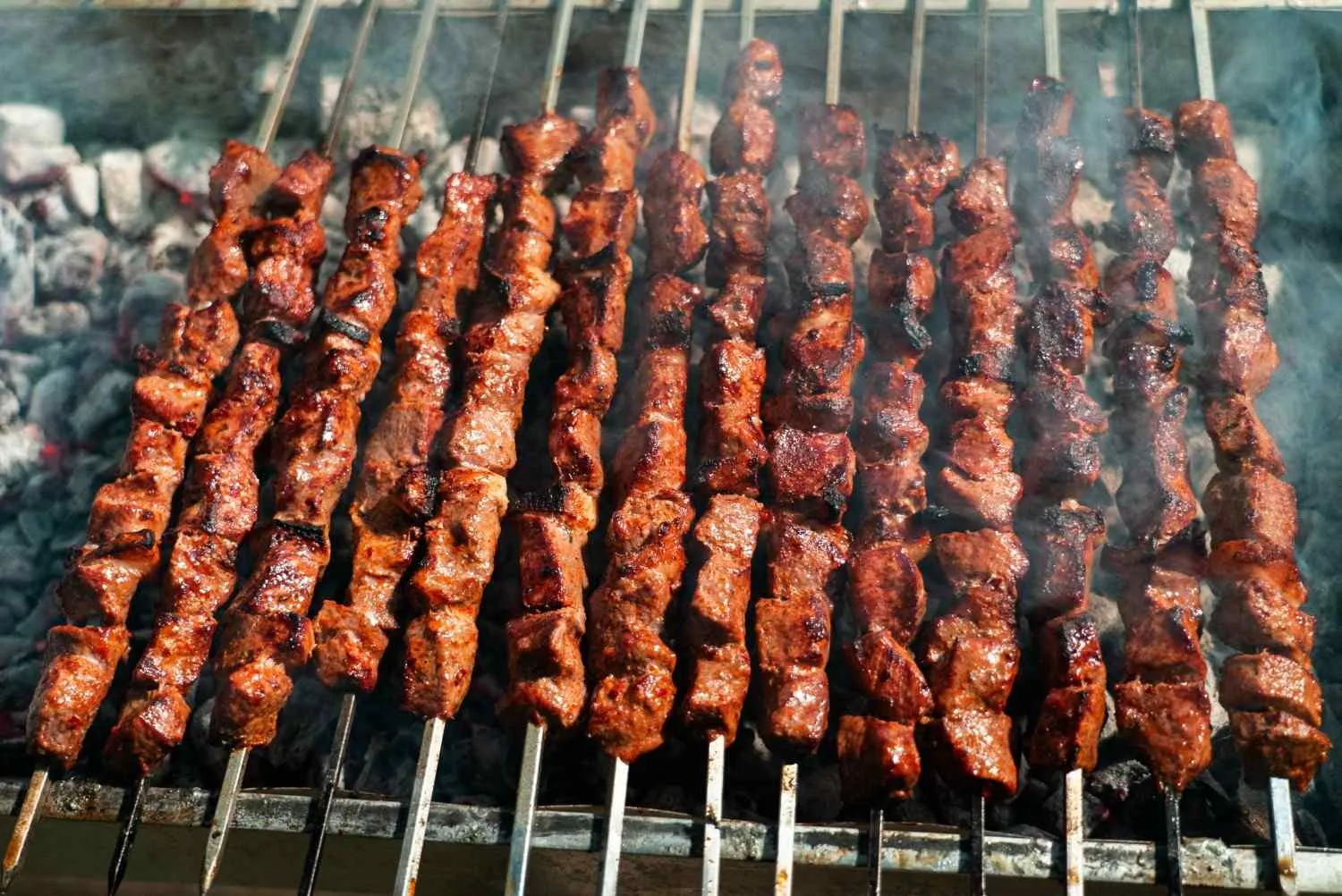
Fresh Mediterranean food is prepared by bringing out the natural character of each ingredient rather than covering it with heavy sauces or excessive seasoning. Grilling, roasting, marinating, and fresh assembly are commonly used alongside extra-virgin olive oil, citrus, herbs, and regional spices.
The preparation process can be just as important as the ingredients themselves. A well-seasoned protein needs enough time for the marinade to develop flavor, while salads and sauces are best when fresh ingredients retain their texture and brightness.
Marinated proteins and Mediterranean Spices
Marination is an important part of many Mediterranean meat dishes. Chicken, beef, and lamb can be seasoned with combinations of garlic, lemon, olive oil, oregano, cumin, paprika, coriander, or other regional spices before being grilled or roasted.
The exact seasoning varies by region and recipe. This is one reason two Mediterranean dishes can use similar ingredients but still taste completely different.
At Pita House, Mediterranean-inspired proteins are prepared with carefully selected herbs and spices to develop savory flavor before cooking. The goal is to complement the natural taste of the protein rather than overwhelm it.
House-made Sauces and Fresh Daily Preparation
Sauces and dips provide another layer of flavor in Mediterranean cooking. Hummus combines chickpeas and tahini with ingredients such as lemon and garlic, while tzatziki provides a cool contrast through yogurt, cucumber, herbs, and garlic. Tahini-based sauces add nuttiness and richness to grilled meats, falafel, and vegetables.
Fresh preparation matters because texture can change quickly. Crisp vegetables, creamy dips, warm pita, and freshly assembled salads create a contrast that is difficult to achieve with heavily processed alternatives.
Why Fresh Preparation Makes a Difference
Fresh ingredients allow Mediterranean dishes to develop several flavors at once. Lemon adds acidity, herbs add brightness, olive oil contributes richness, and vegetables provide texture.
That balance is particularly noticeable in dishes such as tabbouleh, hummus, grilled chicken, falafel, and shawarma. Each component has a distinct role, but together they create the layered flavor associated with an authentic Mediterranean dining experience.
Healthy Mediterranean Ingredients Behind Traditional Dishes
Many traditional Mediterranean recipes are built around whole and minimally processed ingredients. Extra-virgin olive oil, vegetables, legumes, whole grains, nuts, seeds, herbs, fruit, and seafood are common foundations, while lean proteins can be included in moderate portions.
This ingredient pattern is one reason the Mediterranean dietary pattern has been extensively studied for its association with heart health and overall well-being. Rather than depending on one “superfood,” it emphasizes the combination of nutrient-dense foods eaten regularly as part of a balanced lifestyle.
Olive Oil, Fresh Herbs, and Vegetables
Extra-virgin olive oil provides monounsaturated fat and plant compounds, while fresh herbs and vegetables contribute vitamins, minerals, fiber, and antioxidant compounds.
Garlic, parsley, mint, oregano, basil, rosemary, and other herbs allow traditional dishes to develop bold flavor without depending heavily on excessive salt or processed sauces.
Lean Proteins, Legumes, and Whole Grains
Mediterranean meals can also provide substantial sources of protein and fiber through fish, poultry, legumes, beans, chickpeas, lentils, and whole grains.
Legumes are particularly important in plant-forward Mediterranean cooking. Chickpeas, for example, form the base of hummus and falafel, while lentils appear in soups, salads, and other traditional dishes.
Whole grains such as bulgur and traditional grain preparations provide additional texture and substance. Combined with vegetables, herbs, olive oil, and quality proteins, these ingredients create meals that are satisfying while remaining rooted in traditional Mediterranean food culture.
Health Benefits of Traditional Mediterranean Recipes
The Mediterranean dietary pattern is widely associated with cardiovascular and metabolic health because it emphasizes vegetables, fruits, legumes, whole grains, nuts, olive oil, and fish while limiting heavily processed foods. Research has also linked this eating pattern with lower cardiovascular risk and healthier metabolic markers.
Its potential benefits come from the overall dietary pattern rather than any single Mediterranean dish.
| Nutritional focus | Why it matters |
| Extra-virgin olive oil | Provides monounsaturated fats and antioxidant compounds |
| Vegetables and fruit | Supply fiber, vitamins, minerals, and plant compounds |
| Legumes and whole grains | Provide fiber and plant-based protein |
| Fish and seafood | Provide protein and omega-3 fatty acids |
| Nuts and seeds | Provide healthy fats, protein, and minerals |
| Herbs and spices | Add flavor and naturally occurring plant compounds |
A Mediterranean-style eating pattern may support heart health, healthy blood sugar regulation, and a balanced approach to weight management. Its high intake of plant foods also provides fiber and polyphenols that support overall nutritional quality.
It is important to distinguish the traditional Mediterranean dietary pattern from individual restaurant dishes. A gyro, shawarma wrap, or other rich meal can still be part of Mediterranean cuisine, but the broader dietary pattern is defined by what is eaten consistently across meals and over time.
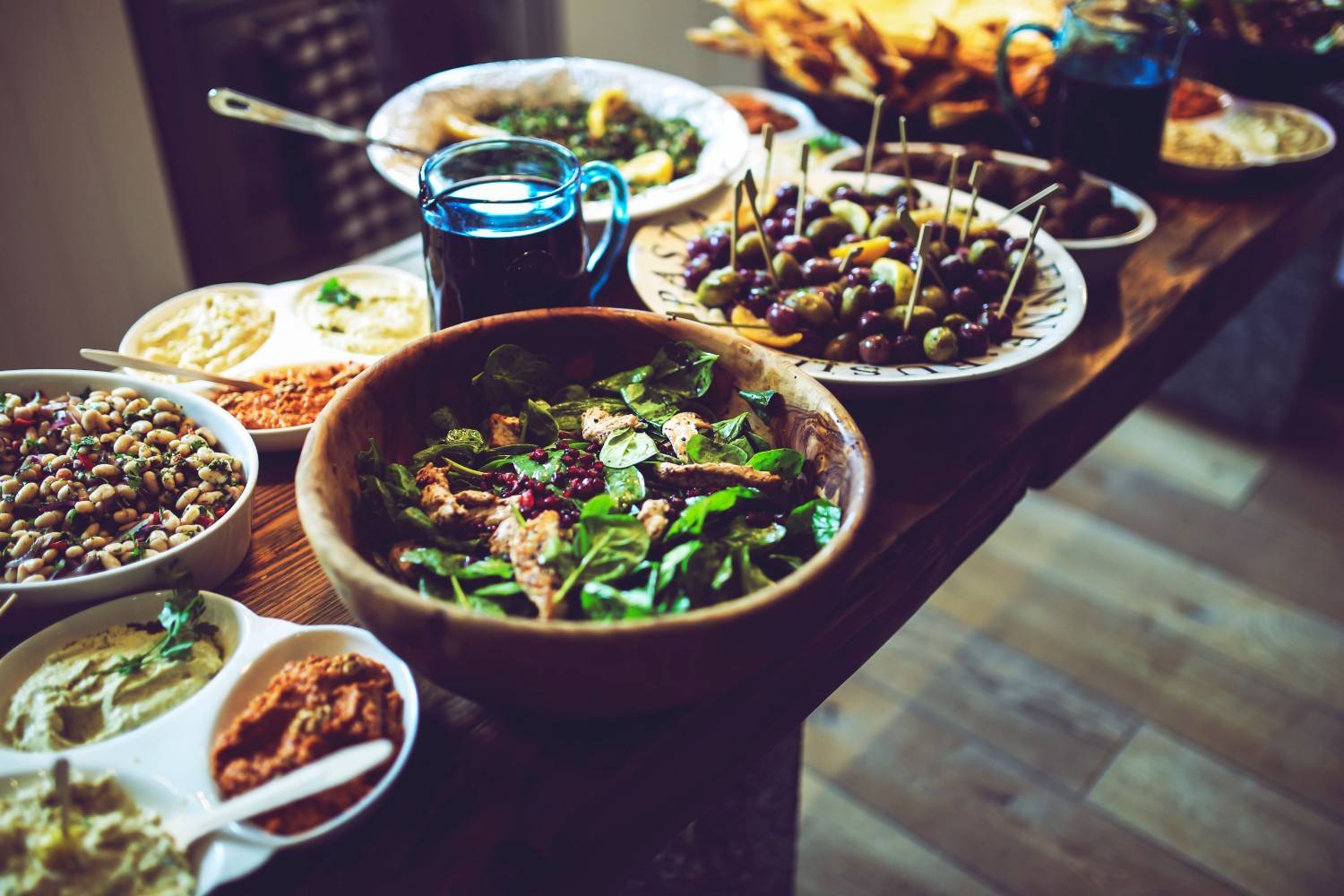
Authentic Mediterranean Dishes Everyone Should Try
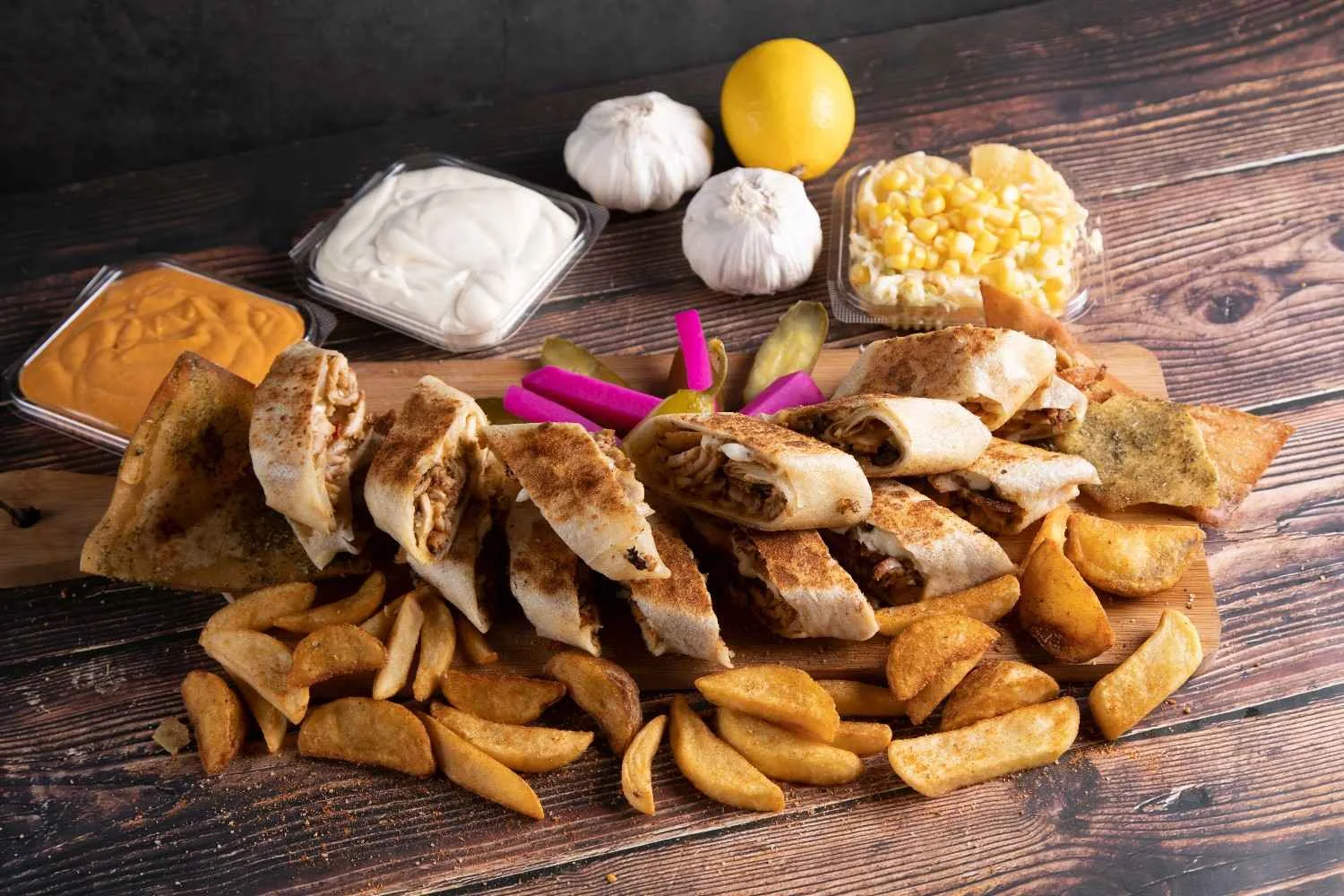
Exploring Mediterranean cuisine is one of the best ways to understand the diversity of the region. Some dishes highlight grilled proteins, while others showcase legumes, fresh herbs, vegetables, grains, or traditional dips.
Shawarma
Shawarma is a popular Middle Eastern dish made from seasoned meat cooked slowly and sliced thinly before serving. The combination of aromatic spices, tender meat, fresh vegetables, and sauces creates a rich yet balanced Mediterranean-inspired meal.
At Pita House, guests can explore chicken shawarma as part of a fresh Mediterranean meal.
Gyros
Gyros are strongly associated with Greek cuisine and traditionally feature seasoned meat cooked on a vertical rotisserie before being sliced and served with pita, vegetables, and sauces.
The contrast between savory meat, fresh toppings, warm pita, and creamy sauce makes gyros one of the most recognizable dishes in Mediterranean food culture.
Chicken and Beef Kabobs
Kabobs showcase the Mediterranean preference for simply seasoned proteins cooked over high heat. Marinated pieces of chicken or beef are grilled until they develop a flavorful exterior while remaining tender inside.
A kabob can be paired with rice, vegetables, salad, hummus, or other Mediterranean sides for a complete meal.

Falafel
Falafel is a plant-based Mediterranean and Middle Eastern favorite made primarily from ground chickpeas or fava beans combined with herbs and spices. The mixture is shaped and cooked until crisp on the outside and tender inside.
For guests looking for vegetarian Mediterranean dishes, falafel offers a flavorful source of plant-based protein that pairs naturally with hummus, salads, pita, and tahini.
Hummus and Baba Ghanoush
Hummus is one of the best-known Mediterranean and Middle Eastern dips, traditionally made with chickpeas, tahini, lemon, garlic, and olive oil.
Baba ghanoush takes a different approach by using roasted eggplant as its foundation. The smoky flavor of baba ghanoush makes it an excellent accompaniment to pita, grilled meats, falafel, and fresh vegetables.
Tabbouleh and Mediterranean salads
Tabbouleh is a herb-forward salad traditionally associated with Levantine cuisine. Fresh parsley, tomatoes, mint, bulgur, lemon juice, and olive oil create its characteristic combination of herbal, citrusy, and refreshing flavors.
A fresh tabbouleh can be enjoyed on its own or alongside grilled proteins, hummus, falafel, and other Mediterranean dishes.
Rice bowls and Mediterranean platters
Rice bowls offer a modern way to combine traditional Mediterranean ingredients in one customizable meal. Guests can combine seasoned proteins, rice, vegetables, sauces, and fresh toppings according to their preferences.
A rice bowl can bring together the flavors of Mediterranean cuisine while offering the flexibility that today’s diners often want from a fast-casual meal.

Authentic Mediterranean Restaurants in San Diego To Explore
San Diego has a diverse Mediterranean restaurant scene, ranging from casual restaurants serving shawarma, falafel, and gyros to more elevated dining experiences inspired by Greece, the Levant, and the wider Mediterranean region. If you’re searching for authentic Mediterranean cuisine in San Diego, these restaurants offer different ways to experience the region’s flavors.
Pita House
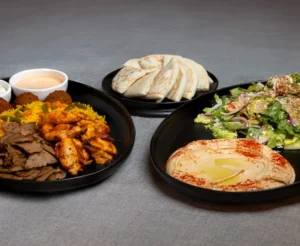
For diners looking for authentic Mediterranean food in a casual, customizable setting, Pita House is a strong place to start. Its menu draws inspiration from the culinary traditions of Lebanon, Palestine, and Greece, bringing together chicken shawarma, gyros, falafel, kabobs, hummus, tabbouleh, rice bowls, and Mediterranean platters.
Pita House focuses on fresh ingredients and made-to-order meals, allowing guests to build a meal around their preferred protein, vegetables, sauces, and sides. With locations serving San Diego communities including La Jolla, Del Mar, and Solana Beach, it is also a convenient option for diners looking for a Mediterranean restaurant near me.
Callie
Callie offers a more elevated interpretation of Mediterranean cuisine in San Diego’s East Village. Chef Travis Swikard’s cooking draws inspiration from Greece, Spain, Italy, Morocco, and the Middle East, while incorporating Southern California ingredients and seasonal produce.
The restaurant is particularly suited to diners looking for a refined Mediterranean dining experience rather than a traditional fast-casual meal. Its approach focuses on bright, seasonal flavors and the diversity of Mediterranean culinary traditions, making it an interesting option for a special dinner or occasion.
BoujieMana
BoujieMana brings a contemporary Mediterranean approach to Kearny Mesa. The restaurant describes its food as combining a Mediterranean foundation with seasonal San Diego ingredients and a modern interpretation of comfort food.
Beyond everyday dining, BoujieMana also offers private event spaces and custom-crafted menus, making it worth considering for guests looking for Mediterranean food for gatherings or celebrations. Its atmosphere and hospitality make it particularly suited to diners who want their meal to be part of a broader social experience.
Meze Greek Fusion
Meze Greek Fusion in Downtown San Diego focuses on contemporary Greek and Mediterranean cuisine with a small-plates approach. Its menu and dining style make it a good choice for groups who want to share several dishes and experience different Mediterranean flavors in one meal.
The restaurant also offers lunch, dinner, brunch, happy hour, and group-friendly dining, giving visitors several ways to experience its Greek-inspired menu. Its Downtown location makes it convenient for visitors exploring the Gaslamp Quarter and surrounding areas.
Mimoza Mediterranean Restaurant
Mimoza Mediterranean Restaurant brings a Mediterranean home-cooking approach to the Gaslamp District. The restaurant is a women-owned business led by a mother-daughter team and describes its menu as inspired by the Mediterranean lifestyle and home cooking.
Mimoza is a good option for diners looking for a warm, intimate atmosphere alongside Mediterranean dishes. Its location makes it especially convenient for those exploring Downtown San Diego and the Gaslamp area.
Why Pita House Is a Trusted Choice for Authentic Mediterranean Cuisine
Finding authentic Mediterranean cuisine in San Diego means looking beyond a menu filled with familiar dish names. The ingredients, preparation methods, regional inspiration, and way the food is served all contribute to an authentic Mediterranean dining experience.
At Pita House, the menu draws inspiration from the culinary traditions of Lebanon, Palestine, and Greece, bringing together familiar Mediterranean favorites with the convenience of fresh, fast-casual dining. Rather than treating Mediterranean food as a single cuisine, Pita House reflects the regional diversity that makes it so distinctive.
Inspired by the Culinary Traditions of Lebanon, Palestine, and Greece
The menu at Pita House brings together dishes associated with different parts of the Mediterranean and Eastern Mediterranean region. Guests can enjoy Lebanese-inspired hummus and tabbouleh, Middle Eastern-style shawarma and falafel, and Greek-inspired gyros alongside grilled kabobs, rice, salads, and fresh vegetables.
This combination allows guests to explore different sides of Mediterranean cuisine in one place. Whether you’re looking for a familiar favorite or trying something new, the menu offers multiple ways to experience authentic Mediterranean flavors.
Fresh Ingredients and Authentic Mediterranean Flavors
Fresh preparation is central to the Pita House approach. Proteins are marinated with Mediterranean herbs and spices before being cooked, while salads, vegetables, sauces, and other toppings are prepared to complement each meal.
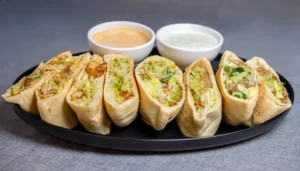
Ingredients such as olive oil, fresh herbs, vegetables, chickpeas, tahini, lemon, and Mediterranean spices create flavor without relying on overly complicated preparation. Wraps and bowls can also be assembled to order, allowing guests to choose the proteins, toppings, and sauces that best suit their preferences.
This combination of traditional ingredients and made-to-order preparation creates a more personal authentic Mediterranean dining experience.
A Mediterranean Menu For Every Occasion
Mediterranean cuisine naturally works across different dining occasions because its dishes can be served individually, combined into complete meals, or shared around the table.
At Pita House, guests can choose from grilled proteins, gyros, shawarma, falafel, hummus, tabbouleh, salads, rice bowls, platters, and other Mediterranean favorites. Vegetarian and plant-based options also make it easier for groups with different dietary preferences to find something they enjoy.
For larger gatherings, Mediterranean catering can bring the same variety to office lunches, family celebrations, parties, and other events.
Serving Fresh Mediterranean Food Across San Diego
Pita House makes authentic Mediterranean food accessible to diners across the San Diego area, with locations serving communities including La Jolla, Del Mar, and Solana Beach.
Whether you’re searching for a Mediterranean restaurant near me, picking up lunch, meeting friends for dinner, or ordering food for a group, Pita House offers a convenient way to enjoy fresh Mediterranean dishes without sacrificing the flavors and ingredients that define the cuisine.
Frequently Asked Questions About Authentic Mediterranean Cuisine
Which Mediterranean dishes are San Diego known for?
San Diego’s Mediterranean food scene includes popular dishes such as chicken shawarma, gyros, falafel, hummus, tabbouleh, grilled kabobs, and Mediterranean rice bowls. Local restaurants often combine traditional Mediterranean recipes with fresh vegetables, herbs, olive oil, and customizable options suited to modern fast-casual dining.
What is the best Mediterranean restaurant in San Diego?
The best Mediterranean restaurant depends on the flavors, preparation, and dining experience you’re looking for. Pita House offers a broad selection of authentic Mediterranean dishes inspired by Lebanese, Palestinian, and Greek culinary traditions, including shawarma, gyros, falafel, hummus, kabobs, tabbouleh, and customizable rice bowls.
What is authentic Mediterranean food?
Authentic Mediterranean food refers to traditional dishes and cooking practices from the countries and regions surrounding the Mediterranean Sea and the Eastern Mediterranean. Common ingredients include fresh vegetables, olive oil, legumes, grains, herbs, seafood, and seasoned meats, with recipes varying significantly between regions.
What makes a dish truly Mediterranean?
A Mediterranean dish is shaped by its regional ingredients, preparation methods, and culinary traditions. Fresh vegetables, olive oil, herbs, legumes, grains, citrus, seafood, and grilled or roasted proteins are common throughout the region. Authenticity also depends on respecting the cultural origins and traditional preparation of the specific dish.
What is the most famous Mediterranean dish?
There is no single dish considered the most famous across all Mediterranean regions. Hummus, falafel, shawarma, gyros, tabbouleh, grilled meats, and Mediterranean salads are among the best-known dishes internationally. Their popularity reflects the diversity of traditional Mediterranean cuisine rather than one shared national food culture.
Is Mediterranean food just Greek food?
Greek food is one part of the broader Mediterranean culinary landscape. Mediterranean cuisine also includes traditions from Lebanon, Palestine and the Levant, Turkey, Italy, Spain, Southern France, and North Africa. These regions share ingredients such as olive oil, vegetables, legumes, grains, and herbs while maintaining distinct recipes and cooking traditions.
What are three common spices in Mediterranean cuisine?
Common Mediterranean spices include oregano, cumin, and paprika, although the exact combination varies by region and dish. Garlic, coriander, sumac, thyme, rosemary, and cinnamon are also used in different Mediterranean and Eastern Mediterranean cuisines to create distinctive flavor profiles.
What is the difference between Mediterranean and Middle Eastern food?
Mediterranean and Middle Eastern cuisines overlap considerably, particularly in the Eastern Mediterranean and Levant. However, they are not identical. Mediterranean cuisine encompasses a much broader geographic area, including Southern Europe, North Africa, Turkey, and the Levant, with each region maintaining its own ingredients and culinary traditions.
Conclusion
Authentic Mediterranean cuisine is about more than familiar dishes like shawarma, gyros, falafel, hummus, and tabbouleh. It is rooted in fresh ingredients, regional traditions, simple preparation, and the balance of herbs, vegetables, grains, olive oil, and carefully seasoned proteins.
At Micheline’s Pita House, those traditions come together in a menu inspired by Lebanese, Palestinian, and Greek cuisine. From freshly prepared salads and house-made dips to marinated proteins, grilled kabobs, warm pita, and customizable rice bowls, every dish offers a flavorful way to experience Mediterranean food.
Whether you’re craving authentic Mediterranean food for lunch, looking for a Mediterranean restaurant near me for dinner, or planning a meal with family and friends, Pita House makes it easy to enjoy fresh Mediterranean flavors across San Diego.
Ready to taste the difference? Visit your nearest Pita House in La Jolla, Del Mar, or Solana Beach, or explore the menu and order your Mediterranean favorite today.